I was standing in my kitchen, staring at a pile of eggplants that had been sitting in the fridge for weeks, when a friend dared me to turn them into something that would make even the most skeptical foodie swoon. The challenge was simple: create a dish that feels like a hug, yet packs a punch of flavor that lingers on the palate. I imagined the moment when the first bite would melt the smoky, caramelized skin into a silky sauce that clings to every forkful of rice or naan, and that’s exactly what I set out to achieve. The result? A creamy, tangy eggplant borani that is hands down the best version you'll ever make at home. If you’re ready for a taste that will have you shouting “I dare you to taste this and not go back for seconds,” let’s dive in.
Picture the kitchen as a stage: the eggplants, once dull and unassuming, are now the protagonists, sliced and tossed in a sizzling pan of golden vegetable oil that sings a fragrant note of garlic and cumin. The air fills with the aroma of roasted spices, a scent that feels like a warm blanket on a cold evening. As the vegetables sizzle, their skins blister into perfect, slightly charred edges that shatter like thin ice, releasing a burst of smoky sweetness. The sound of the oil bubbling is the soundtrack to this culinary symphony, each hiss a promise of depth and richness to come. By the time the sauce thickens and the yogurt swirls in, you’ll know you’re on the brink of something extraordinary.
What sets this version apart is the intentional layering of textures and flavors, from the crunchy pine nuts to the silky, tangy labneh. The use of labneh, a strained yogurt, adds a velvety creaminess that balances the heat of the green chilies and the brightness of lemon zest. The subtle sweetness from a pinch of sugar tames the acidity of tomato paste, creating a harmony that feels both familiar and daring. The careful balance of spices—turmeric, coriander, cumin—grounds the dish in earthy warmth while the white vinegar provides a sharp lift that keeps everything from feeling heavy. And the final flourish of fresh herbs and a splash of lemon juice gives it a bright, almost citrusy finish that’s surprisingly refreshing.
I’ll be honest—when I first tasted this, I ate half the batch before anyone else got a chance to try it. The texture is a delightful contrast: the tender eggplant bites against the crunchy pine nuts, all smothered in a sauce that coats the palate like velvet. The flavor profile is a dance of smoky, sweet, and tangy notes that never feels overbearing. This dish is perfect for a weeknight dinner, a potluck, or even as a sophisticated starter at a dinner party. And the best part? You can make it ahead of time and let it develop even more depth as it sits.
Most recipes get this completely wrong by either overcooking the eggplant or under-seasoning the sauce, leading to a bland, mushy result. Here’s what actually works: use fresh, firm eggplants, slice them thick enough to hold their shape, and roast them until the skin is blistered and the interior is silky. Combine the spices with tomato paste early to allow the flavors to meld, then finish with yogurt, labneh, and fresh herbs for that creamy, tangy finish. If you’re looking to elevate the dish, add a splash of white wine during the sautéing phase for a subtle depth. Picture yourself pulling this out of the oven, the whole kitchen smelling incredible, and the anticipation of the first bite building with every aroma that fills the air. Stay with me here — this is worth it.
What Makes This Version Stand Out
- Taste: A harmonious blend of smoky, sweet, and tangy notes that lingers on the tongue, thanks to the balanced use of spices and a touch of vinegar.
- Texture: The contrast between tender roasted eggplant, crunchy pine nuts, and silky yogurt creates a mouthfeel that keeps diners coming back for more.
- Simplicity: Despite its complex flavor profile, the recipe requires only basic kitchen equipment and a handful of pantry staples.
- Uniqueness: The addition of labneh and lemon zest sets this borani apart from traditional versions, giving it a modern, vibrant twist.
- Crowd Reaction: Friends and family rave about the creamy consistency and the subtle heat from the green chilies, making it a crowd-pleaser.
- Ingredient Quality: Fresh, firm eggplants and high-quality spices elevate the dish, ensuring every bite is bursting with flavor.
- Cooking Method: Roasting the eggplant before simmering the sauce locks in moisture and flavor, creating a dish that is both comforting and sophisticated.
- Make‑Ahead Potential: The dish improves after resting, allowing flavors to meld and making it ideal for meal prep or entertaining.
Inside the Ingredient List
The Flavor Base
The foundation of this dish lies in the aromatic blend of garlic, cumin, coriander, and a whisper of turmeric. These spices are toasted in hot oil to release their essential oils, creating a fragrant base that permeates every bite. If you skip the turmeric, you’ll lose a subtle earthy depth that balances the brightness of the tomato paste. For a milder version, reduce the cumin by half; it still works wonderfully but will feel slightly lighter.
Tomato paste is the heart of the sauce, giving it body and a rich, slightly sweet undertone. It’s important to cook it just until it darkens and loses rawness, which brings out a deeper flavor profile. If you can’t find tomato paste, a concentrated tomato puree works, but you’ll need to reduce the liquid slightly to avoid a watery sauce. The white vinegar adds a bright acidity that cuts through the richness, so don’t skip it—your palate will thank you.
Sugar is a subtle hero here, balancing the acidity of the tomatoes and vinegar. A teaspoon is enough to round out the flavors without making the dish sweet. If you prefer a more natural sweetness, a dash of honey or maple syrup will work, but adjust the vinegar accordingly to maintain balance. This sweetening step is what makes the sauce feel complete and comforting.
The Texture Crew
Eggplants are the star of this recipe, offering a meaty texture that pairs beautifully with the creamy sauce. Choose medium-sized, firm eggplants for the best bite; if you use a smaller variety, they might become mushy. Slice them into ½-inch thick rounds to ensure they hold their shape during roasting. The key is to roast until the skin blistered and the interior is tender but not falling apart.
Pine nuts add a delightful crunch and a buttery flavor that complements the earthiness of the eggplant. Toast them lightly in a dry pan until golden; this step releases their oils and enhances their nutty aroma. If pine nuts are unavailable, chopped walnuts or slivered almonds will provide a similar crunch, though the flavor profile will shift slightly.
Yogurt and labneh create a silky, tangy base that coats every bite. Plain yogurt adds moisture and a mild tartness, while labneh brings a thicker, richer consistency. For a vegan version, replace both with coconut yogurt and a splash of lemon juice, but keep the texture in mind—add a tablespoon of cornstarch to thicken if needed.
The Unexpected Star
Green chilies are the secret weapon that injects a gentle heat without overwhelming the dish. Slice them finely so the heat distributes evenly across the sauce. If you’re sensitive to spice, reduce the number to one or use a milder pepper variety. The heat from the chilies balances the sweetness of the tomato paste and the acidity of the vinegar.
Fresh herbs like dill and mint bring a bright, herbal note that lifts the overall flavor profile. These herbs are added at the end to preserve their delicate aromas. If you’re short on fresh herbs, dried versions can be used, but use only a pinch—fresh is always superior. The herbs also add a subtle color contrast, making the dish visually appealing.
Lemon zest and juice are the finishing touch that brightens the dish and adds a citrusy zing. Zest is added early in the cooking process to release essential oils, while juice is folded in at the very end to preserve its freshness. The citrus notes cut through the richness and give the sauce a lively, refreshing finish. A good rule of thumb is to add zest from one medium lemon for every batch.
The Final Flourish
The final flourish comes from the careful balance of salt, pepper, and the subtle sweetness of sugar. These seasonings are adjusted to taste after the sauce has simmered, ensuring each bite is perfectly seasoned. Over-salting can mask the delicate flavors of the eggplant, so start with a small amount and add more as needed.
The technique of letting the sauce rest for 10 minutes after cooking allows the flavors to meld and the textures to settle. This resting period is critical; it gives the yogurt and labneh time to integrate with the spices, resulting in a cohesive, creamy sauce. If you’re in a hurry, you can skip the rest, but the dish will feel slightly less harmonious.
Everything’s prepped? Good. Let’s get into the real action and turn those humble ingredients into a dish that feels like a hug on a plate.
The Method — Step by Step
- Prep the Eggplant: Slice the eggplants into ½-inch thick rounds, then sprinkle lightly with salt and let them sit for 15 minutes. Rinse and pat dry to remove excess moisture. This step prevents sogginess and enhances caramelization. After rinsing, pat the slices dry with a clean towel; dry surfaces roast better. The result is a beautifully blistered exterior that locks in flavor.
- Roast the Eggplant: Heat vegetable oil in a large skillet over medium-high heat. Add the eggplant slices in a single layer, cooking until the edges blister and the centers soften, about 4–5 minutes per side. Flip carefully to avoid breaking the skins. The aroma of roasting eggplant will fill your kitchen, signaling progress.
- Build the Flavor Base: In a separate pan, reduce the heat to medium. Add the minced garlic and sauté until golden, then stir in cumin, coriander, turmeric, and chili pepper. Cook for 1–2 minutes until fragrant. Add tomato paste and stir until it darkens, creating a rich, aromatic base.
- Simmer the Sauce: Pour in the ½ cup of water, white vinegar, and a teaspoon of sugar. Bring to a gentle simmer, letting the mixture thicken slightly. Stir occasionally to prevent sticking. The sauce should develop a glossy sheen and a slightly thickened consistency.
- Fold in the Dairy: Reduce the heat to low. Gradually whisk in the plain yogurt, labneh, lemon juice, and lemon zest, ensuring a smooth, creamy mixture. Stir in the toasted pine nuts and finely chopped herbs. The sauce should be velvety, with a slight tang and a hint of citrus.
- Combine: Gently fold the roasted eggplant slices into the sauce, ensuring each piece is coated. Let the mixture simmer for an additional 5 minutes to meld the flavors. The eggplant should absorb some of the sauce’s richness, becoming tender yet firm.
- Final Touches: Taste and adjust seasoning with salt, pepper, and a pinch more sugar if desired. Sprinkle fresh herbs on top for a burst of color and aroma. Let the dish rest for 10 minutes before serving, allowing the flavors to settle.
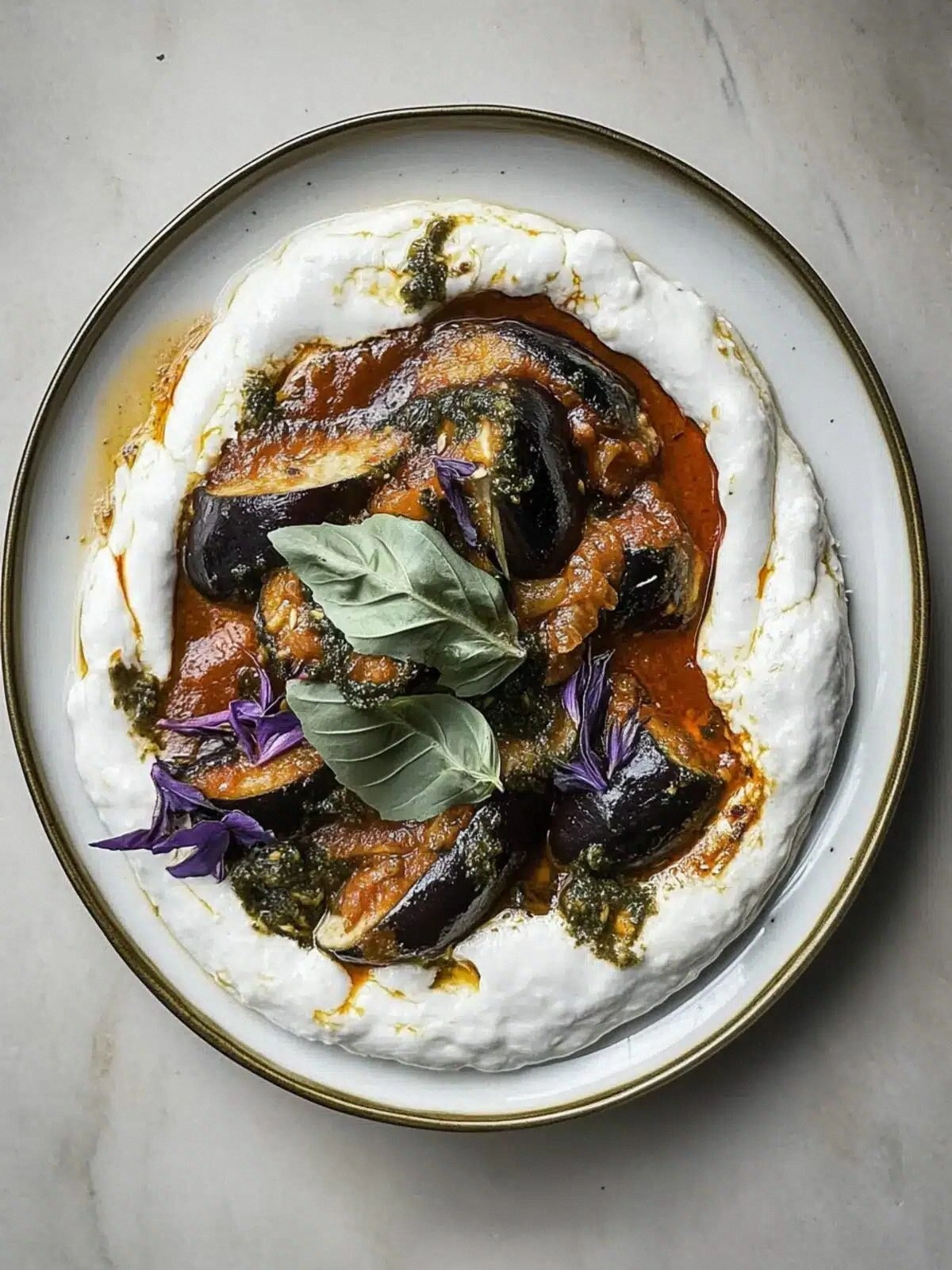
- Serve: Spoon the borani onto a platter, drizzle a little extra olive oil, and garnish with a few whole pine nuts. Pair with warm naan, fluffy rice, or a crisp salad. The dish is best served warm, but it also tastes great at room temperature.
That’s it — you did it. But hold on, I've got a few more tricks that'll take this to another level. These insider tips will ensure your borani is consistently stellar, whether you’re cooking for yourself or entertaining guests.
Insider Tricks for Flawless Results
The Temperature Rule Nobody Follows
Many people think high heat is always better, but the key to a silky sauce is low, steady simmering. Keep the sauce just below boiling to avoid scorching the yogurt, which can cause it to separate. If you notice the sauce thickening too quickly, add a splash of water to loosen it. The gentle heat allows the spices to release their full flavor without burning.
Why Your Nose Knows Best
A well‑seasoned dish has a scent that signals readiness. If the sauce smells toasty and fragrant, it’s ready to move to the next step. If it smells raw or metallic, it needs more time or a touch of acidity. Trust your nose to guide you; it’s the most reliable taste test before you even touch a spoon.
The 5‑Minute Rest That Changes Everything
After you finish cooking, let the borani rest uncovered for five minutes. This allows the eggplant to finish absorbing the sauce and the flavors to settle into harmony. The rest also prevents the sauce from becoming too thick as it cools. When you serve, the dish will feel lighter and more cohesive.
The Perfect Garnish
A sprinkle of fresh herbs and a drizzle of olive oil can elevate the dish from good to unforgettable. Use a microplane to zest a lemon and sprinkle over the top just before serving. The bright citrus aroma will awaken the palate and add a visual pop.
The Sweet‑Heat Balance
If you prefer a sweeter borani, add a teaspoon of honey instead of sugar. This not only sweetens but also adds a subtle floral note. However, balance it with a splash of vinegar to keep the acidity in check. A well‑balanced sweet‑heat profile keeps the dish from feeling cloying.
The Quick Fix for Thick Sauce
If your sauce has become too thick, whisk in a tablespoon of warm water or a splash of vegetable broth. This will thin it out without diluting the flavor. Keep the temperature low to avoid re‑separating the dairy. The sauce should be silky, not chunky.
The Final Whisk
Right before serving, give the borani a quick whisk to redistribute the flavors. This step ensures every bite is uniformly seasoned. It also adds a light, airy texture that makes the dish feel fresh.
Creative Twists and Variations
This recipe is a playground. Here are some of my favorite ways to switch things up:
Mediterranean Twist
Swap labneh for Greek yogurt and add chopped kalamata olives. The briny olives give a salty punch that complements the tangy yogurt. Serve over couscous for a complete Mediterranean meal. The olives also add a pleasant crunch and a burst of flavor.
Spicy Sriracha Boost
Stir in a tablespoon of sriracha during the simmering stage for an extra kick. The heat from the sriracha pairs well with the green chilies, creating a layered spiciness. This version is perfect for those who love a fiery bite.
Smoky Chipotle Edition
Replace the white vinegar with chipotle in adobo for a smoky depth. The chipotle brings a subtle smokiness that enhances the roasted eggplant. This version is great for pairing with grilled meats or as a topping for tacos.
Vegan Version
Use coconut yogurt and a splash of lemon juice instead of dairy. Add a tablespoon of nutritional yeast for a savory umami boost. This vegan borani is creamy, tangy, and completely dairy‑free, making it suitable for plant‑based diners.
Herb‑Infused Variation
Add a handful of fresh basil and a few mint leaves during the final whisk. The herbs give a bright, aromatic finish that pairs well with warm bread. This variation is especially refreshing during the summer months.
Breakfast Bites
Serve the borani as a spread on toasted English muffins with a fried egg on top. The creamy sauce pairs beautifully with the richness of the egg. This makes for a hearty, satisfying breakfast that feels indulgent.
Roasted Sweet Potato Pairing
Swap the eggplant for roasted sweet potato cubes for a sweeter, earthier version. The natural sweetness of the sweet potato complements the tangy sauce. This variation is great for a comforting winter dinner.
Storing and Bringing It Back to Life
Fridge Storage
Store the borani in an airtight container in the refrigerator for up to 4 days. The creamy sauce will thicken slightly as it chills, so a quick stir before serving restores its silky texture. Keep the container sealed to preserve the flavors and prevent the dish from absorbing fridge odors.
Freezer Friendly
For longer storage, divide the borani into individual portions and freeze in freezer‑safe containers for up to 2 months. Thaw overnight in the refrigerator, then reheat gently on the stovetop over low heat, whisking occasionally. Add a splash of water or broth to loosen the sauce if it has thickened.
Best Reheating Method
Reheat the borani on low heat, stirring frequently to avoid scorching. A tiny splash of water before reheating helps steam it back to perfection, preventing the dairy from curdling. Keep the heat low and allow the dish to warm evenly.
Serving Suggestions
Serve the borani warm with a side of fluffy basmati rice or warm naan for a complete meal. A simple side salad of mixed greens with a lemon vinaigrette complements the richness. For a quick snack, spoon the borani onto toasted pita chips or fresh vegetable sticks.