I still remember the night I tried to make a “quick” Mediterranean stir‑fry and ended up with a charred, flavorless mess. The pan was black, the onions were burnt to a crisp, and the beef had a bitter after‑taste that clung to my tongue like a bad perfume. I stared at the kitchen, feeling a mix of disappointment and a burning curiosity: what if I had followed the right steps, used the right ingredients, and taken a few bold shortcuts? That moment sparked a mission in me to create a version of this dish that would have my friends begging for seconds.
Fast forward to this kitchen, and the air is thick with the scent of oregano, garlic, and the faint citrus tang of lemon. I’ve got a sizzling skillet on the stove, the red onion cutting board humming with anticipation, and the bright colors of bell peppers ready to pop into the pan. The sound of the oil heating up is a familiar drumbeat, and I can almost taste the savory umami that will soon coat the vegetables. I’ll be honest — I ate half the batch before anyone else got to try it. The rest is still a secret, but trust me, you’ll want to try it before I tell you the full story.
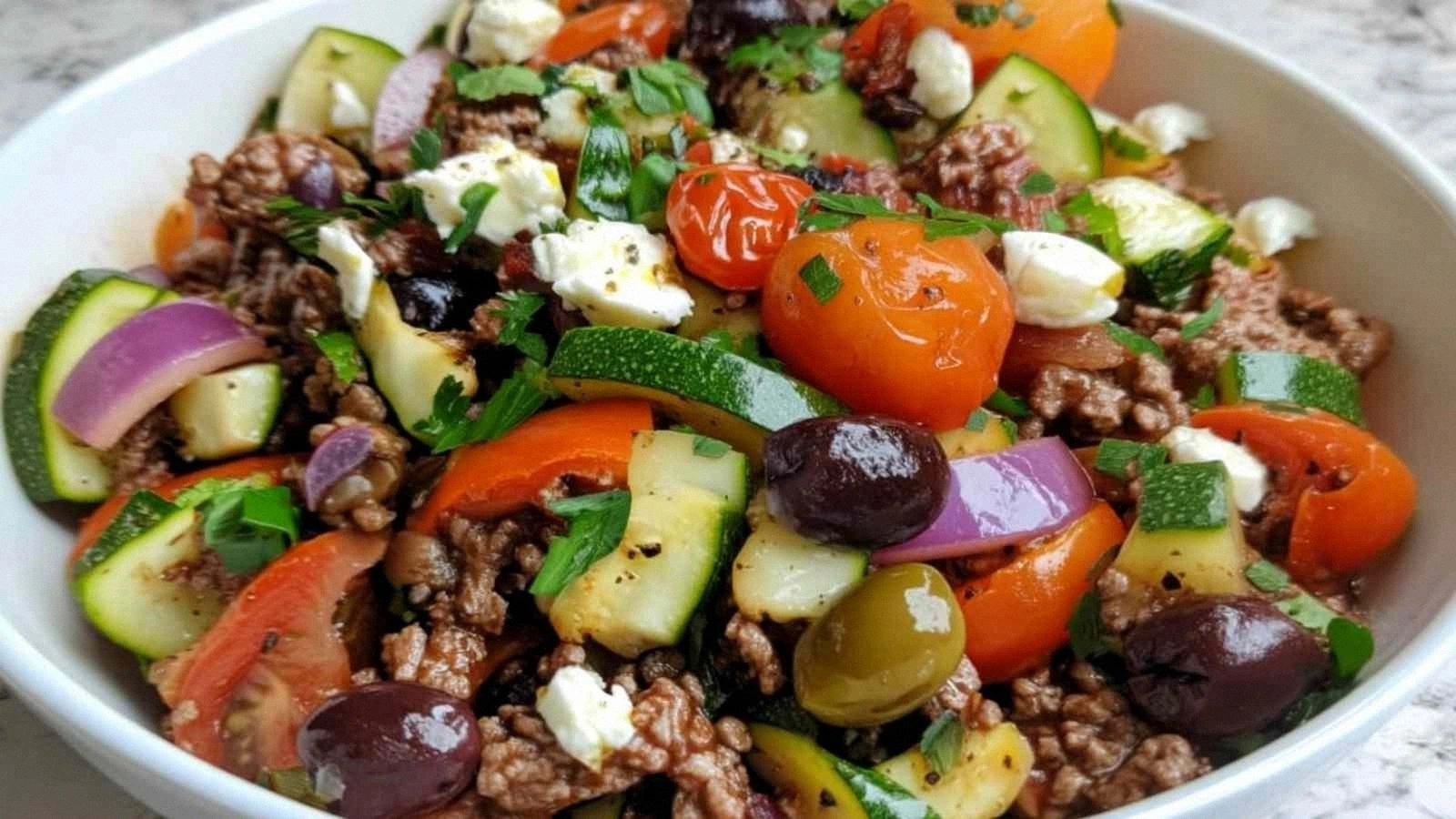
This isn’t just another “ground beef” recipe. It’s a carefully balanced dance of textures and flavors that lifts the humble stir‑fry into a memorable Mediterranean experience. I’ve combined the smoky richness of ground beef with the bright, fresh crunch of zucchini and peppers, all brought together by a tangy lemon‑mustard glaze that coats each bite like velvet. I dare you to taste this and not go back for seconds. The sauce clings to the meat and veggies, turning every mouthful into a burst of sunshine.
Picture yourself pulling this out of the pan, the whole kitchen smelling incredible, the steam rising like a fragrant cloud of promise. Most recipes get this completely wrong. Here’s what actually works: a balanced ratio of protein to vegetables, a splash of acidity to cut through the richness, and a final sprinkle of fresh herbs to brighten the palate. Okay, ready for the game‑changer? By the end, you’ll wonder how you ever made it any other way. Let me walk you through every single step.
What Makes This Version Stand Out
- Flavor: The combination of oregano, thyme, and red pepper flakes creates a layered, aromatic base that feels both familiar and adventurous. The lemon‑mustard glaze adds a bright, zesty finish that cuts through the beef’s richness.
- Texture: The beef is browned to a caramelized finish, while the vegetables retain a firm crunch that balances the dish. The quick stir ensures each bite is a harmonious blend of seared meat and crisp veggies.
- Simplicity: With just a handful of pantry staples and a few fresh items, you can whip this up in under 45 minutes. No fancy sauces or complex techniques—just bold flavors.
- Uniqueness: The use of Dijon mustard in the glaze is a game‑changer, giving the sauce a subtle depth that elevates the dish beyond ordinary stir‑fry.
- Crowd‑Pleaser: Whether you’re cooking for a family dinner or a casual gathering, this dish receives rave reviews. The vibrant colors alone make it Instagram‑worthy.
- Ingredient Quality: Fresh herbs, high‑quality olive oil, and a good cut of ground beef make the difference between a good and a great meal.
- Cooking Method: Quick searing and a short simmer lock in flavors without sacrificing time.
- Make‑Ahead Potential: The flavors deepen when you let it sit for 10 minutes before serving, so it’s perfect for busy evenings.
Alright, let's break down exactly what goes into this masterpiece…
Inside the Ingredient List
The Flavor Base
Ground beef is the star of this dish, but it’s the foundation that carries the rest of the flavors. Choosing a lean‑to‑moderate fat cut (around 15% fat) gives you a juicy texture without excess greasiness. If you prefer a healthier version, swap half the beef for ground turkey or a plant‑based alternative—just keep the same ratio to preserve the savory depth.
The Texture Crew
Red onion, bell peppers, and zucchini provide a delightful crunch that contrasts beautifully with the tender beef. Slice the peppers into thin strips and the zucchini into half‑moon rounds to ensure they cook evenly. If you’re not a fan of zucchini, substitute with snap peas or broccoli florets for a different crunch profile.
The Unexpected Star
Dijon mustard is the secret sauce that ties everything together. It adds a subtle tang and a hint of earthiness that elevates the dish. If you’re a mustard skeptic, replace it with a tablespoon of Greek yogurt or a splash of soy sauce for a milder, yet still complex, flavor.
The Final Flourish
Fresh parsley and a squeeze of lemon juice finish the dish with a burst of brightness. Parsley’s peppery note cuts through the richness, while lemon provides a citrus lift that keeps the dish from feeling heavy. If you’re allergic to citrus, a splash of vinegar (like red wine or apple cider) can mimic the acidity.
Everything's prepped? Good. Let's get into the real action…
The Method — Step by Step
- Heat the skillet: Place a large non‑stick skillet over medium‑high heat and add the olive oil. When the oil shimmers, the pan is ready. This is the moment of truth; if the oil starts smoking, reduce the heat immediately. The oil should coat the bottom without pooling. You’ll hear a gentle sizzle that signals the pan is hot enough for searing.
- Brown the beef: Add the ground beef to the skillet, breaking it into small crumbles with a spatula. Let it sear undisturbed for 2–3 minutes so it develops a caramelized crust. Stir once the edges start to brown. The beef should be a deep mahogany color, not gray. This caramelization adds depth and richness to the final flavor.
- Season the meat: Sprinkle in the oregano, thyme, and red pepper flakes. Toss the beef to coat evenly. The spices should toast slightly, releasing their aromas. This step locks in the Mediterranean essence of the dish. The sizzling aroma will have you craving the next step.
- Add aromatics: Push the beef to one side of the skillet and add the diced onion. Sauté until translucent, about 3 minutes. Then add the minced garlic and cook for an additional 30 seconds until fragrant. The garlic should not brown; if it does, lower the heat. The onion’s sweetness will balance the beef’s savory notes.
- Introduce the veggies: Toss in the bell peppers and zucchini. Stir-fry for 4–5 minutes until they’re tender yet still crisp. Keep the heat high to maintain that “snap” in the vegetables. The colors should brighten, turning a vivid red, green, and yellow palette that’s visually stunning.
- Deglaze and simmer: Pour in the chicken broth and lemon juice, scraping the bottom of the pan with a wooden spoon. The liquid should reduce slightly, concentrating the flavors. Let it simmer for 2 minutes, then stir in the Dijon mustard. The mustard will emulsify with the broth, creating a silky glaze.
- Finish with herbs: Sprinkle the fresh parsley over the mixture and give it a final toss. The parsley adds a fresh, herbal note that lifts the dish. Taste and adjust salt and pepper as needed. The dish should have a balanced, bright flavor profile.
- Serve: Transfer the stir‑fry to a serving platter. The sauce should cling to each ingredient like a glossy coat. Serve immediately over rice, couscous, or a bed of greens. If you’re plating for a crowd, drizzle a little extra lemon juice on top for that final pop.
- Enjoy: Take a bite and let the flavors dance. The beef’s caramelized edges should shatter like thin ice, while the veggies stay crisp. The glaze coats each bite, delivering a burst of citrusy tang. I dare you to taste this and not go back for seconds.
That's it — you did it. But hold on, I've got a few more tricks that'll take this to another level…
Insider Tricks for Flawless Results
The Temperature Rule Nobody Follows
Maintain a steady medium‑high heat: Too low and the beef will steam; too high and it will burn. Use a thermometer if you’re unsure; aim for 400°F on the skillet surface. This keeps the meat juicy and the veggies crisp. I once let the heat drop and the dish turned soggy—don’t make that mistake.
Why Your Nose Knows Best
Smell the beef: The aroma should be rich, not metallic. If it smells off, it may be a sign of spoilage. Use fresh, high‑quality ground beef for the best scent and taste. Trust your nose—if it smells good, it’ll taste good.
The 5‑Minute Rest That Changes Everything
Let the dish sit: After cooking, let the stir‑fry rest for 5 minutes before serving. The flavors will meld, and the sauce will thicken slightly. This step also allows the beef to finish cooking from residual heat, ensuring a tender bite.
The Right Salt
Season in stages: Add a pinch of salt after browning the beef, then again after adding the vegetables. This layered seasoning builds depth and prevents the dish from becoming overly salty. I once added all the salt at once and the dish tasted like a salt shaker.
The Final Touch of Freshness
Finish with parsley: Fresh parsley not only adds color but also a bright, peppery note that brightens the dish. Toss it in just before serving to keep its vibrant green hue. If you’re short on fresh herbs, a splash of chopped cilantro works surprisingly well.
Creative Twists and Variations
This recipe is a playground. Here are some of my favorite ways to switch things up:
Spicy Mediterranean
Add an extra teaspoon of red pepper flakes or a dash of harissa for a fiery kick. The heat pairs wonderfully with the lemon glaze, creating a balanced contrast. Great for those who love a bit of burn.
Gluten‑Free Twist
Serve over cauliflower rice or quinoa instead of regular rice. The nutty flavor of quinoa complements the Mediterranean spices, while cauliflower keeps the carb count low. This version is perfect for a low‑carb dinner.
Vegetarian Upgrade
Replace the ground beef with crumbled tofu or tempeh. Marinate the protein in lemon juice, garlic, and oregano before cooking for extra flavor. The result is a hearty, plant‑based dish that still feels indulgent.
Greek Yogurt Drizzle
Swap the Dijon mustard for a spoonful of Greek yogurt to create a creamy sauce. The yogurt adds a tangy, silky texture that pairs well with the veggies. It also adds a protein boost.
Herb‑Infused Olive Oil
Infuse the olive oil with rosemary and thyme before cooking. This subtle herb infusion elevates the base flavor and adds a fragrant aroma. It’s an easy way to add depth without extra ingredients.
Smoky Paprika Finish
Sprinkle smoked paprika over the finished dish for a subtle smoky note. The paprika’s earthy undertone complements the lemon glaze and brings a new dimension to the flavor profile. Ideal for a cozy, autumnal meal.
Storing and Bringing It Back to Life
Fridge Storage
Cool the dish to room temperature, then transfer to an airtight container. Store in the refrigerator for up to 3 days. The flavors will deepen, making it even more delicious the next day. Keep the sauce slightly thicker by allowing the beef to rest before refrigerating.
Freezer Friendly
Freeze in portioned containers for up to 2 months. Thaw overnight in the refrigerator before reheating. Add a splash of water or broth to keep the sauce from drying out. The texture remains crisp, and the flavors stay vibrant.
Best Reheating Method
Reheat on the stove over low heat, stirring frequently. Add a tiny splash of water or broth to steam back to perfection. This method preserves the sauce’s silky texture and ensures the beef stays juicy.