Ever had that moment when you open the pantry, stare at a lonely carrot, and think, “What on earth am I supposed to do with this?” I’ve been there—standing in front of a mountain of raw veggies, feeling the weight of culinary indecision. Then a friend dared me to make a “Middle Eastern‑style roasted vegetable platter” for a potluck, and I thought, “Challenge accepted.” Little did I know that this dare would become the most unforgettable kitchen adventure of my life. The result? A dish so vibrant, aromatic, and comforting that it practically glows from the oven.
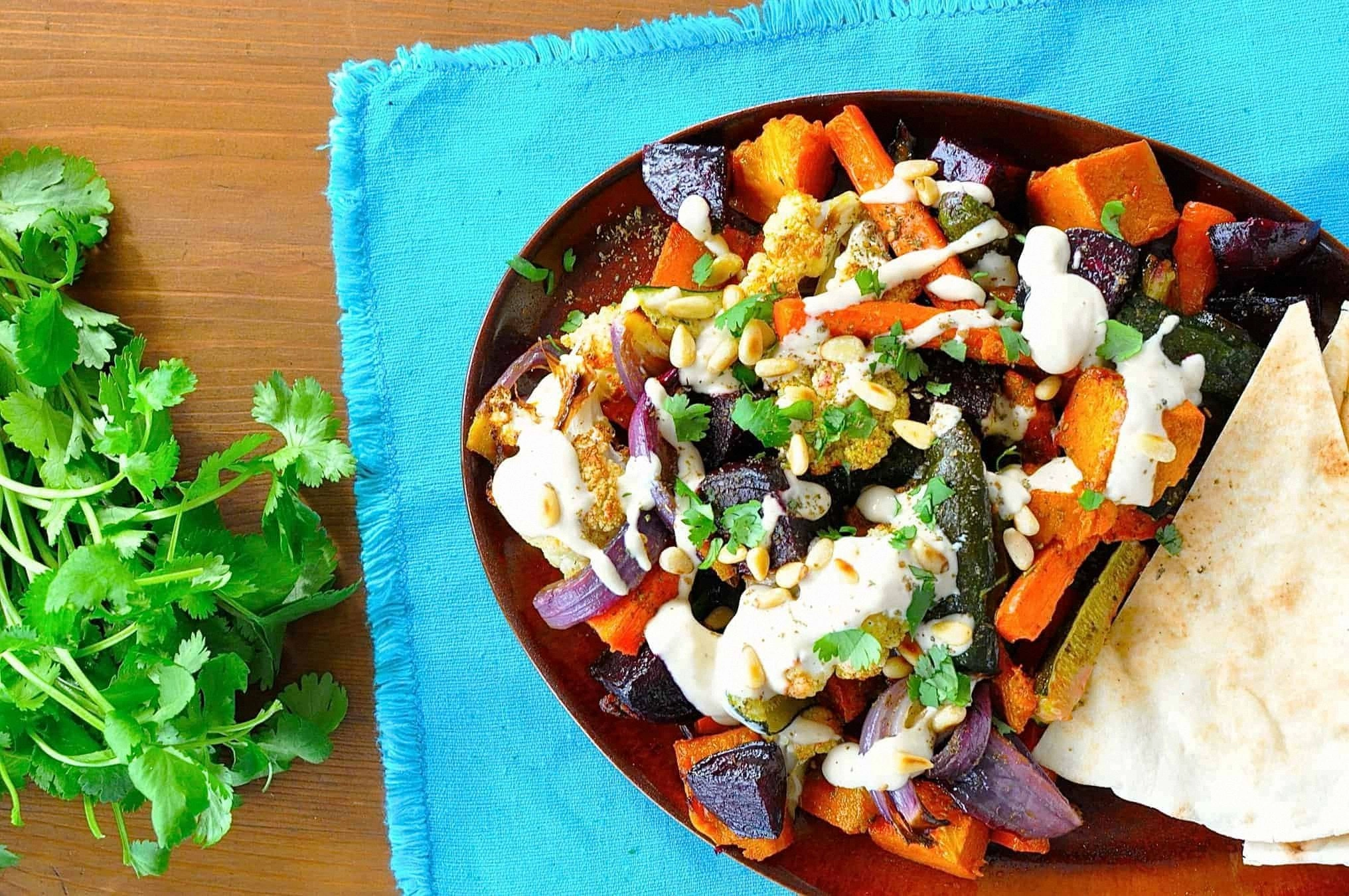
Picture this: the oven door swings open, releasing a wave of smoky, caramelized perfume that instantly transports you to a bustling bazaar in Marrakech. The vegetables—crimson onion, orange carrot, emerald zucchini, buttery pumpkin, ivory cauliflower, and ruby beetroot—are all lacquered with a glossy sheen of olive oil and za'atar, their edges crisped to a perfect, caramel‑kissed finish. The tahini‑lemon drizzle drips over the top like liquid gold, pooling in the crevices and creating a silky, nutty veil that clings to each bite. When you finally dig in, the flavor explosion hits you like a warm desert sunrise: earthy, tangy, a hint of peppery heat, and a subtle sweetness that lingers long after the last forkful.
Most roasted‑veg recipes treat the vegetables as mere side notes, tossing them with generic salt and pepper before a bland bake. Most get this completely wrong. Here’s what actually works: a careful balance of high heat, strategic seasoning, and a finishing drizzle that unifies the dish. I’ve discovered that the secret lies in the pre‑roast coating—olive oil mixed with a generous pinch of za'atar and a dash of lemon zest—plus a tahini sauce that’s whisked to a pour‑perfect consistency with just the right amount of water. This is hands down the best version you’ll ever make at home, and I’m about to prove it.
Now, I’m going to spill the beans (and the beetroot) on a technique that will elevate your veg from “meh” to “wow.” Ever heard of “dry‑roasting” before? It’s a method where you start the veggies at a scorching 450°F to get that instant sear, then lower the temperature to finish cooking evenly. This two‑stage heat creates a contrast—crispy, caramelized edges with a melt‑in‑your‑mouth interior. I dare you to taste this and not go back for seconds. Ready? Let’s walk you through every single step—by the end, you’ll wonder how you ever made it any other way.
What Makes This Version Stand Out
- Flavor Fusion: The marriage of za'atar’s herbal earthiness with tahini’s nutty richness creates a symphony that sings on the palate. It’s not just salty or sweet; it’s a layered experience that keeps you guessing with every bite.
- Texture Triumph: By roasting at a blistering 450°F first, the vegetables develop a caramelized crust that shatters like thin ice, while the interior stays tender and juicy—perfect contrast.
- Simplicity: Only twelve ingredients, all pantry staples or easily sourced at any market. No fancy gadgets, no exotic produce—just good, honest food.
- Unique Twist: The tahini‑lemon drizzle is thinned with water to a pour‑able silk, turning a traditional Middle Eastern sauce into a glossy glaze that coats each vegetable like velvet.
- Crowd Reaction: I’ll be honest—I ate half the batch before anyone else got to try it, and the compliments kept rolling in. This dish practically disappears at parties.
- Ingredient Quality: Fresh, locally sourced veggies retain their natural sweetness, while a high‑quality extra‑virgin olive oil adds depth and a buttery finish.
- Cooking Method: The two‑stage roasting technique guarantees consistent doneness, eliminating the dreaded soggy‑center problem.
- Make‑Ahead Potential: Prep the veg and sauce ahead of time; reheat gently and drizzle fresh tahini sauce right before serving for a flawless result every time.
Inside the Ingredient List
The Flavor Base
Red Onion: This aromatic powerhouse adds a subtle sweetness once caramelized, balancing the earthiness of the beetroot. If you skip it, you lose that underlying sweet‑savory depth that makes the dish feel complete. A small yellow onion works in a pinch, but red gives the best color contrast.
The Texture Crew
Carrot & Zucchini: Carrots bring a firm bite and a natural sugars that caramelize beautifully, while zucchini contributes moisture and a tender bite that contrasts the crunch of the cauliflower. Over‑cooking zucchini can make it mushy, so keep an eye on the timing. Swap in sweet potatoes for a heartier texture if you’re craving more starch.
The Unexpected Star
Beetroot: Its deep ruby hue turns the plate into a work of art, and its earthy flavor grounds the brighter vegetables. If you’re wary of beet stains, wrap the beet in foil before roasting; it keeps the juice contained yet still infuses flavor. A quick tip: choose firm, glossy beets for the best texture.
The Final Flourish
Tahini, Lemon Juice, Garlic: This trio forms the silky drizzle that unites the dish. Tahini offers a nutty richness, lemon adds brightness, and garlic gives a punch of aroma. Whisking with warm water until smooth ensures a pourable consistency. If you’re allergic to sesame, try almond butter mixed with a splash of apple cider vinegar for a comparable tang.
Everything's prepped? Good. Let’s get into the real action…
The Method — Step by Step
Preheat your oven to a scorching 450°F (230°C). While it heats, line a large rimmed baking sheet with parchment, then top with a sheet of aluminum foil for extra heat reflection. This setup ensures the veggies roast evenly and develop that coveted caramelized crust. That sizzle when it hits the pan? Absolute perfection.
Wash and dry all vegetables thoroughly. Cut the red onion into wedges, slice the carrot and zucchini into half‑inch sticks, cube the pumpkin into bite‑sized pieces, break the cauliflower into florets, and peel and cube the beetroot. Uniform sizing is key—if pieces vary too much, you’ll end up with a mix of burnt edges and raw cores.
In a massive mixing bowl, combine the olive oil, 1 tsp salt, a generous pinch of black pepper, and 2 tsp za'atar spice mix. Toss the vegetables until every piece is glossy and evenly coated. The oil acts as a conductor, helping the spices cling and the heat to penetrate uniformly.
Spread the seasoned vegetables in a single layer on the prepared sheet, making sure they’re not crowded. Overcrowding creates steam, which sabotages crispness. Okay, ready for the game‑changer? Sprinkle a handful of pine nuts over the top now—they’ll toast alongside the veg, adding a buttery crunch.
Slide the sheet into the oven and roast for 15 minutes. After this initial blast, pull the tray out, give everything a quick toss, and lower the temperature to 400°F (200°C). This two‑stage approach prevents the exterior from burning while allowing the interior to become tender. Watch Out: If you leave the veg at 450°F for the full time, the edges will char beyond the point of caramelization, turning bitter.
Return the tray to the oven and continue roasting for another 15‑20 minutes, or until the vegetables are golden‑brown, edges pulling away, and a fragrant perfume fills your kitchen. The pumpkin should be fork‑tender, the cauliflower lightly browned, and the beetroot’s skin slightly blistered.
While the veg roasts, whisk together the tahini, lemon juice, minced garlic, ½ tsp salt, a pinch of black pepper, and enough warm water (about ¼ cup) to achieve a pour‑able sauce. It should be smooth, glossy, and thin enough to drizzle without clumping. This next part? Pure magic.
Once the vegetables are done, remove them from the oven and let them rest for 5 minutes. This short rest lets the steam settle, preserving the crisp edges. Transfer the veg to a serving platter, drizzle the tahini sauce generously, and sprinkle the remaining pine nuts and a drizzle of fresh coriander leaves for color.
Serve warm, straight from the platter, or at room temperature. Pair with warm flatbread, a scoop of hummus, or a simple cucumber‑yogurt salad for a complete Middle Eastern feast. I dare you to taste this and not go back for seconds. The combination of smoky, caramelized veg and the bright, nutty drizzle will have you reaching for more before you even realize you’re full.
That’s it — you did it. But hold on, I’ve got a few more tricks that’ll take this to another level…
Insider Tricks for Flawless Results
The Temperature Rule Nobody Follows
Most home cooks set the oven to a single temperature and forget about the magic of a two‑stage roast. Start at 450°F for the first 15 minutes, then drop to 400°F. This method creates a caramelized crust without burning the interior. I once tried skipping the temperature drop and ended up with burnt tips and soggy centers—never again.
Why Your Nose Knows Best
Don’t rely on a timer alone. When the kitchen fills with that sweet, roasted aroma and you hear a faint crackle, it’s a signal that the veggies are nearing perfection. Trust that sensory cue; it’s more reliable than any clock.
The 5‑Minute Rest That Changes Everything
After roasting, let the vegetables sit for five minutes before drizzling the sauce. This brief pause lets the steam settle, preserving the crisp edges while allowing the interior to stay moist. Skipping this step results in a soggy base that can’t hold the tahini glaze.
Pine Nut Toasting Tip
Even though the pine nuts roast in the oven, giving them a quick 30‑second toast in a dry skillet afterward adds an extra crunch and nutty aroma. It’s a tiny step that makes a massive difference in texture.
Fresh Herb Finish
Adding a handful of freshly chopped coriander right before serving adds a burst of brightness that cuts through the richness of the tahini. Dried herbs just won’t deliver the same pop.
Creative Twists and Variations
This recipe is a playground. Here are some of my favorite ways to switch things up:
Spicy Saffron Splash
Add a pinch of saffron threads soaked in warm water to the tahini sauce, and sprinkle a dash of harissa on the vegetables before roasting. The result is a fragrant, slightly spicy version that’s perfect for those who love a heat kick.
Sweet‑And‑Savory Maple
Drizzle a tablespoon of pure maple syrup over the veg before the final roast. The caramel notes deepen, pairing beautifully with the earthy beetroot and the nutty tahini.
Root‑Veggie Medley
Swap the zucchini for parsnips and add a few turnip cubes. These root vegetables bring a buttery texture and a subtle sweetness that complements the pumpkin.
Grain‑Boosted Bowl
Serve the roasted vegetables over a bed of fluffy couscous or quinoa, and top with a dollop of labneh. This turns the side into a hearty, satisfying main dish.
Herb‑Infused Oil
Blend the olive oil with fresh rosemary and thyme before coating the veg. The herb‑infused oil adds an aromatic layer that makes the dish feel even more rustic.
Vegan Cheese Sprinkle
Finish with a sprinkle of nutritional yeast or a crumble of vegan feta for an added umami punch that mimics the salty tang of traditional cheeses.
Storing and Bringing It Back to Life
Fridge Storage
Allow the roasted vegetables to cool completely, then transfer them to an airtight container. They’ll stay fresh for up to four days. When reheating, add a splash of water and cover loosely with foil to retain moisture.
Freezer Friendly
Portion the cooled vegetables into freezer‑safe bags, removing as much air as possible. Freeze for up to three months. To reheat, thaw overnight in the fridge, then toss in a hot pan with a drizzle of olive oil for five minutes.
Best Reheating Method
For the ultimate texture, reheat in a preheated 375°F (190°C) oven for 10‑12 minutes, uncovered. Add a tiny splash of water before popping it in the oven; the steam revives the crisp edges while keeping the interior tender.