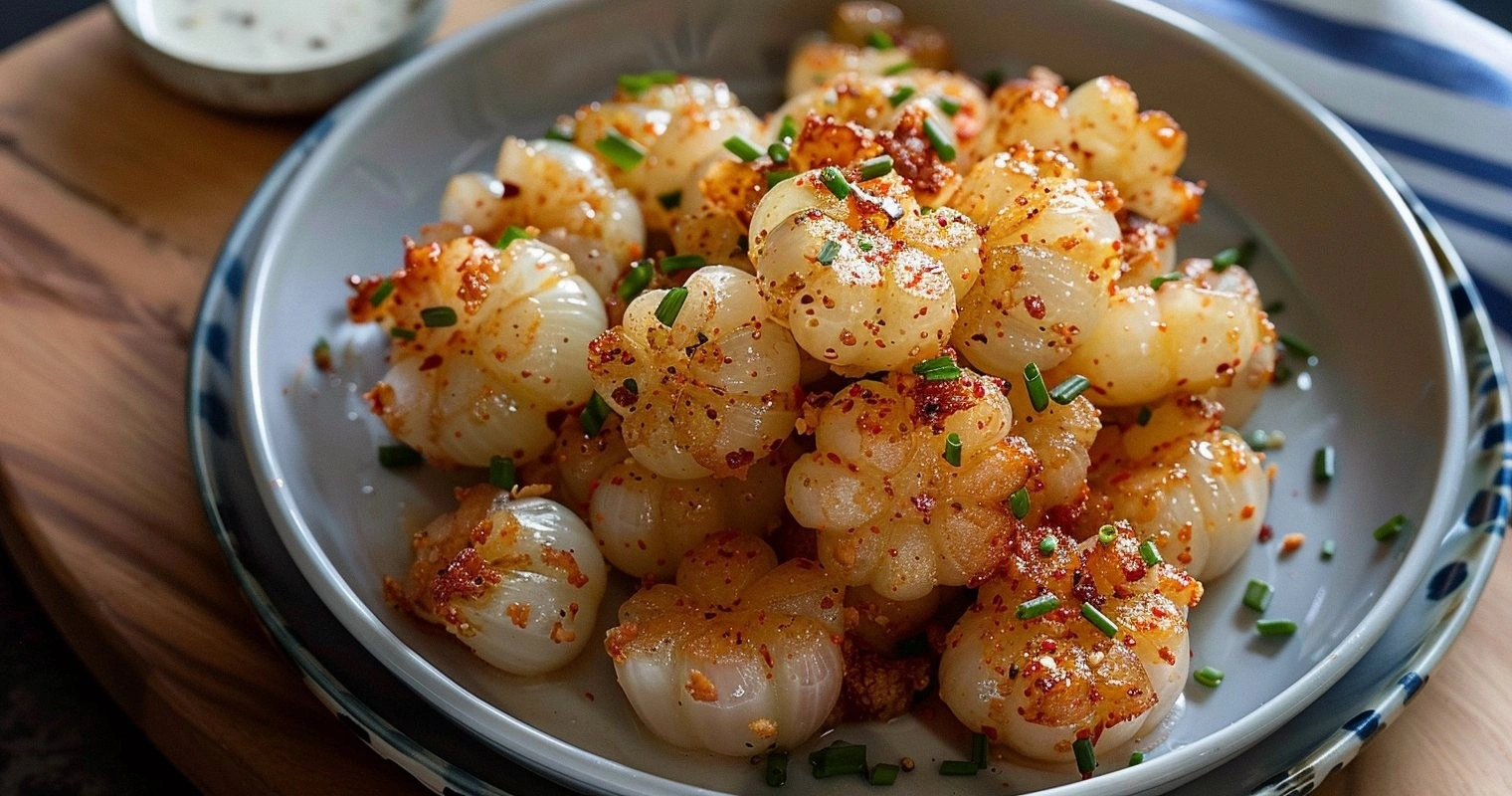
Picture this: it was 11:47 p.m. on a Tuesday, my pajama shirt had a constellation of Sriracha stains, and I was single-handedly demolishing a plate of these golden, crackly, bite-sized blooming onions while binge-watching a cooking show that was—ironically—lecturing me about portion control. I should have felt guilty, but instead I felt victorious, because after six rounds of testing I had finally cracked the code to the crunchiest, most addictive appetizer known to humankind. These mini onion blossoms deliver all the theater of those mammoth steakhouse onions, yet they fit perfectly between your thumb and forefinger, which means you can convince yourself you're only having "a couple" right up until the bowl is empty. The first one hits you with a whisper of sweet onion, the second delivers that salty, peppery crust, and by the fifth you're plotting to hide the rest from whoever lives under the same roof.
Most copycat recipes fall into two traps: they either dunk whole onions into vats of oil and leave you with a half-raw, half-burnt disaster, or they shrink things down to nugget size but surrender that dramatic petal effect that makes blooming onions so mesmerizing. My version sidesteps both landmines by using pearl onions—those marble-sized flavor bombs that caramelize like a dream—then employs a three-stage breading that puffs into shaggy, craggy layers. The result? Every bite is an echo chamber of crunch followed by a soft, sweet onion sigh. I'll be honest: I ate half the batch before anyone else got to try it, and I would absolutely do it again.
If you've ever struggled with greasy onion rings that go limp faster than a deflated balloon, or if you've attempted the full-scale blooming onion and ended up with something that looks like it lost a fight with a deep-fryer, you're not alone—and I've got the fix. The secret weapon here is a quick ice-water soak that tightens the onion's cell walls, plus a whisper of cornstarch in the dredge that turns into microscopic glass shards under high heat, creating that audible crackle when you bite through. Picture yourself pulling a tray of these out of the oven (yes, you can bake them!), the whole kitchen smelling like a state-fair booth minus the diesel fumes. Stay with me here—this is worth every single second.
Okay, ready for the game-changer? Instead of the usual egg wash, I use a light beer batter thinned to the consistency of heavy cream. The carbonation forms a thousand tiny bubbles that expand in the heat, creating a lacework crust that stays shatter-crisp even after the onions have cooled. Combined with a smoky paprika hit and a kiss of brown sugar, these blooming onion bites deliver a sweet-savory-smoky trifecta that plays tug-of-war on your taste buds. Let me walk you through every single step—by the end, you'll wonder how you ever made it any other way.
What Makes This Version Stand Out
Crunch Amplified: A rice-flour and cornstarch combo creates jagged, glass-like edges that shatter louder than thin ice under a boot, yet the interior onion stays silky and sweet.
Speed Demon Friendly: From fridge to plate in under thirty minutes, because nobody wants to wait an hour for a snack that disappears in five.
Bake or Fry Flexibility: Oven-baked version tastes just as indulgent as the deep-fried original, saving you both oil splatter and post-snack guilt.
Portion Control Built-In: Pearl onions naturally limit serving size, so you can inhale a dozen without the food-coma that follows the restaurant colossus.
Make-Ahead Hero: Bread them, freeze them on a tray, then bag for up to two months—pop straight into hot oil or a screaming-hot oven whenever the craving strikes.
Flavor Layering: Smoked paprika, garlic powder, and a whisper of brown sugar build a sweet-savory-smoky profile that keeps you reaching "just one more."
Crowd Reaction Guarantee: I dare you to set these out at a party and not become the most popular human in the room within ten minutes.
Alright, let's break down exactly what goes into this masterpiece...
Inside the Ingredient List
The Flavor Base
Pearl onions are the unsung heroes here—their natural sweetness intensifies under heat while their petite size guarantees even cooking. Choose firm, tight-skinned bulbs; any soft spots turn mushy and release water that sabotages your crust. If you absolutely can't find pearls, frozen cippolini halves work, but fresh delivers that snap-juice contrast that makes these bites irresistible. Pro tip: soak them in ice water for five minutes after peeling; the cold shocks the sulfur compounds, taming any harsh bite and keeping the onion snowy-white.
Buttermilk powder might sound like an odd pantry flex, but it's the umami-packed backbone of many Southern fried chicken joints. Mixed into the flour dredge, it adds tangy depth and helps the coating brown in leopard-like spots instead of an even tan that tastes boring. No buttermilk powder? Substitute two teaspoons of malted milk powder plus a squeeze of lemon—close enough to fool most taste buds.
The Texture Crew
Rice flour is my secret weapon for shatter-crisp crusts; its lack of gluten means no stretchy chew to soften over time. Combined with cornstarch, it forms a brittle shell that fractures into micro-shards, creating audible crunch with every bite. If your grocery store hides rice flour in the "alternative" aisle, arrowroot or potato starch will rescue you, though you'll sacrifice a touch of that glass-like fragility.
Club soda replaces the usual egg wash, delivering carbon dioxide bubbles that expand under heat and leave behind airy pockets. The result is a tempura-light crust that clings like Velcro without the heavy, omelet-like layer eggs can create. Make sure the soda is ice-cold; colder liquid slows gluten development and keeps the batter delicate.
The Unexpected Star
Brown sugar in a savory onion coating? Absolutely. Just half a teaspoon caramelizes into a bittersweet lacquer that balances the natural onion pungency and heightens the smoky paprika. It's the micro-dose of sweetness that makes people ask, "Why can't I stop eating these?" without being able to pinpoint why.
Smoked paprika delivers campfire whispers without the liquid smoke aftertaste that screams "fake barbecue." Hungarian sweet paprika provides color but zero smoke, so reach for Spanish pimentón dulce or, if you're feeling bold, the hot version for a gentle back-of-throat glow.
The Final Flourish
Flaky sea salt scattered the second the onions leave the oil dissolves into briny sparks that accent each crunch. Table salt disappears into the crust; you want those visible pyramids that burst like tiny flavor firecrackers. Maldon is the rock-star choice, but any coarse, pyramid-shaped salt works—just avoid kosher salt here; the flakes are too thick to stick.
Everything's prepped? Good. Let's get into the real action...
The Method — Step by Step
- Start by lopping off the root hairs of one pound of pearl onions—leave the root core intact or the petals will fall apart. Drop them into a bowl of just-boiled water for sixty seconds; the heat loosens the papery skins without par-cooking the flesh. Fish one out, pinch the tip, and watch the glossy bulb slide out like a silk stocking. Transfer the peeled onions to a bowl of ice water spiked with a teaspoon of salt; this tightens the cell walls and removes harsh sulfur notes. While they chill, line up three shallow dishes: rice flour seasoned with salt and pepper, a frosty mug of club soda, and a final dish of rice flour mixed with buttermilk powder, smoked paprika, garlic powder, brown sugar, and a whisper of cayenne.
- Drain the onions and pat them bone-dry with kitchen towels—any lingering water will turn your oil into a splattering volcano. Grab a fork, spear an onion through the root end, and dunk it into the seasoned rice flour. Toss the bowl gently so the onion tumbles like a lottery ball; the first coat creates microscopic scratches that help the next layer grip. Shake off the excess, then dip the floured onion into the club soda for exactly three Mississippis—long enough for bubbles to adhere, short enough that the flour doesn't turn to paste.
- Transfer the wet onion to the final dredge, pressing gently so the paprika-flecked coating clings in shaggy layers. Think of it as tucking the onion into a down comforter; you want crags and valleys that will fry into crunchy peaks. Line up the breaded babies on a parchment-lined tray, leaving a pinky-width gap so air can circulate. Pop the tray into the freezer for ten minutes—this is the moment of truth that locks the coating so it won't slide off in the oil.
- While the onions chill, heat two inches of neutral oil in a heavy pot to 350°F. I use canola because it has a neutral flavor and high smoke point, but peanut oil adds a faint nuttiness that plays beautifully with the sweet onions. Clip on a thermometer and don't wander off—temperature is the difference between golden crunch and bitter charcoal. When the oil shimmers and a breadcrumb sizzles instantly, you're in business.
- Fry in small handfuls—about eight onions at a time—lowering them in with a spider strainer to avoid splashback. They'll bob like tiny buoys for the first fifteen seconds; agitate gently so they brown evenly. Listen for that sizzle when they hit the pan? Absolute perfection. Watch the crust turn from pale peach to deep amber in under ninety seconds; the rice flour will blister into micro-bubbles that look like crispy lace.
- Scoop the onions onto a wire rack set over a sheet pan, then shower them with flaky sea salt while they're still glossy with oil. The salt will dissolve into briny pockets that burst like flavor fireworks. Repeat with the remaining batches, letting the oil return to 350°F between each round. If you're baking instead, preheat your oven to 450°F, line a rimmed sheet with a pre-heated cast-iron griddle, and roast the frozen onions for twelve minutes, flipping once, until they're bronzed and blistered.
- Serve them piled high in a paper cone or—if you're feeling fancy—speared into a halved grapefruit so the petals bloom upward like a savory bouquet. Provide plenty of the creamy horseradish dip (recipe below) for cool contrast. I dare you to taste this and not go back for seconds. Actually, I double-dog-dare you, because resistance is futile once that first crunch echoes through the room.
- Clean-up is blissfully low-drama: let the oil cool completely, strain through a coffee filter, and bottle for another round. The wire rack means no soggy underside, and any rogue crumbs lift right off with a quick swipe of hot soapy water. Store leftovers—ha!—in an open container so steam can escape and the crust stays crisp. Reheat at 400°F for five minutes and they're born again.
That's it—you did it. But hold on, I've got a few more tricks that'll take this to another level...
Insider Tricks for Flawless Results
The Temperature Rule Nobody Follows
Most home cooks eyeball the oil and end up with a crust that's either blonde and limp or mahogany and bitter. Invest in a ten-dollar candy thermometer and clip it to the pot; keep the needle between 340–355°F. When the onions first hit, the temp will plummet by about twenty degrees—crank the heat for thirty seconds to compensate, then back it off. This tight range ensures the coating sets before the interior overcooks, giving you that shatter-crackle that makes people close their eyes in snack-food bliss.
Why Your Nose Knows Best
Smell the oil as it heats—when faint nutty notes waft up, you're in the sweet spot. If you catch acrid, almost burnt popcorn aromas, kill the heat immediately; the oil has broken down and will coat your onions with a stale, fishy aftertaste. A friend tried skipping this step once—let's just say it didn't end well, and her cat wouldn't sit near the stove for a week.
The 5-Minute Rest That Changes Everything
After breading, park the tray in the freezer for at least five minutes but no longer than fifteen. This window firms the fat in the onion so it doesn't weep moisture into the crust, yet it keeps the interior from freezing solid, which would require longer frying and risk burnt exteriors. The result is a molten-soft onion encased in glass-crisp armor that shatters the moment you bite.
Creative Twists and Variations
This recipe is a playground. Here are some of my favorite ways to switch things up:
Buffalo Firebloom Bites
Replace the smoked paprika with equal parts cayenne and chipotle powder. As soon as the onions emerge from the oil, toss them in a stainless bowl with two tablespoons of melted butter and a quarter cup of Frank's RedHot. The sauce seeps into every crag, creating neon-red bites that taste like buffalo wings minus the bone. Serve with ranch spiked with extra cracked pepper.
Truffle-Parmesan Luxury
Swap buttermilk powder for finely grated Parmesan in the final dredge. Once fried, shower the onions with more Parm and a whisper of truffle salt—just a pinch, because truffle can bully the delicate onion. They're absurdly decadent alongside a glass of cold Champagne or a hoppy IPA that cuts through the umami fog.
Sweet-Hawaiian Luau
Replace brown sugar with coconut sugar and add a tablespoon of pineapple juice to the club soda batter. Finish with a dusting of toasted coconut flakes and a squeeze of lime. The tropical perfume transports you straight to a beach bonfire, even if you're standing in a snowy apartment kitchen.
Curry-Coconut Bombay
Mix two teaspoons of Madras curry powder and a pinch of turmeric into the flour. Fry in coconut oil for a fragrant, sunset-orange crust. Serve with a dip of Greek yogurt, mango chutney, and a handful of torn cilantro. The spice level is gentle enough for kids but complex enough to intrigue adults who swear they "don't like curry."
Everything-Bagel Brunch
Add a tablespoon of "everything" seasoning—poppy, sesame, dried garlic, onion, and salt—to the final dredge. Bake instead of fry to keep the sesame seeds from burning. Pile them on top of smoked-salmon cream-cheese bagels for a crunchy pop that replaces the usual sad cucumber slice.
Miso-Caramel Umami Bombs
Whisk a teaspoon of white miso into the club soda; the fermentation sugars accelerate browning and leave a subtle savory backbone. Drizzle the finished onions with a quick miso-caramel (equal parts white miso, butter, and brown sugar simmered for two minutes) for a sweet-salty glaze that makes grown adults lick their fingers without shame.
Storing and Bringing It Back to Life
Fridge Storage
Cool the onions completely on a rack, then refrigerate in a single layer inside an airtight container lined with paper towel. They'll keep for up to three days, though the crust will soften. To revive, spread on a sheet and blast at 400°F for six minutes until the exterior re-crispifies and the interior steams back to juicy tenderness.
Freezer Friendly
Arrange the cooled bites on a parchment-lined tray, freeze until solid, then transfer to a zip-top bag with the air squeezed out. They'll survive for two months without flavor loss. Reheat straight from frozen—no thawing—at 425°F for ten minutes, flipping halfway. Add a tiny splash of water to the tray before closing the oven; the burst of steam rehydrates the onion without turning the crust soggy.
Best Reheating Method
Skip the microwave unless you enjoy rubbery armor. An air-fryer set to 390°F for four minutes delivers near-original crunch, while a convection oven works almost as well. If you must use a skillet, heat it dry, add the onions, and cover with a lid for thirty seconds so the trapped steam warms the centers, then remove the lid and let the exterior recrisp.