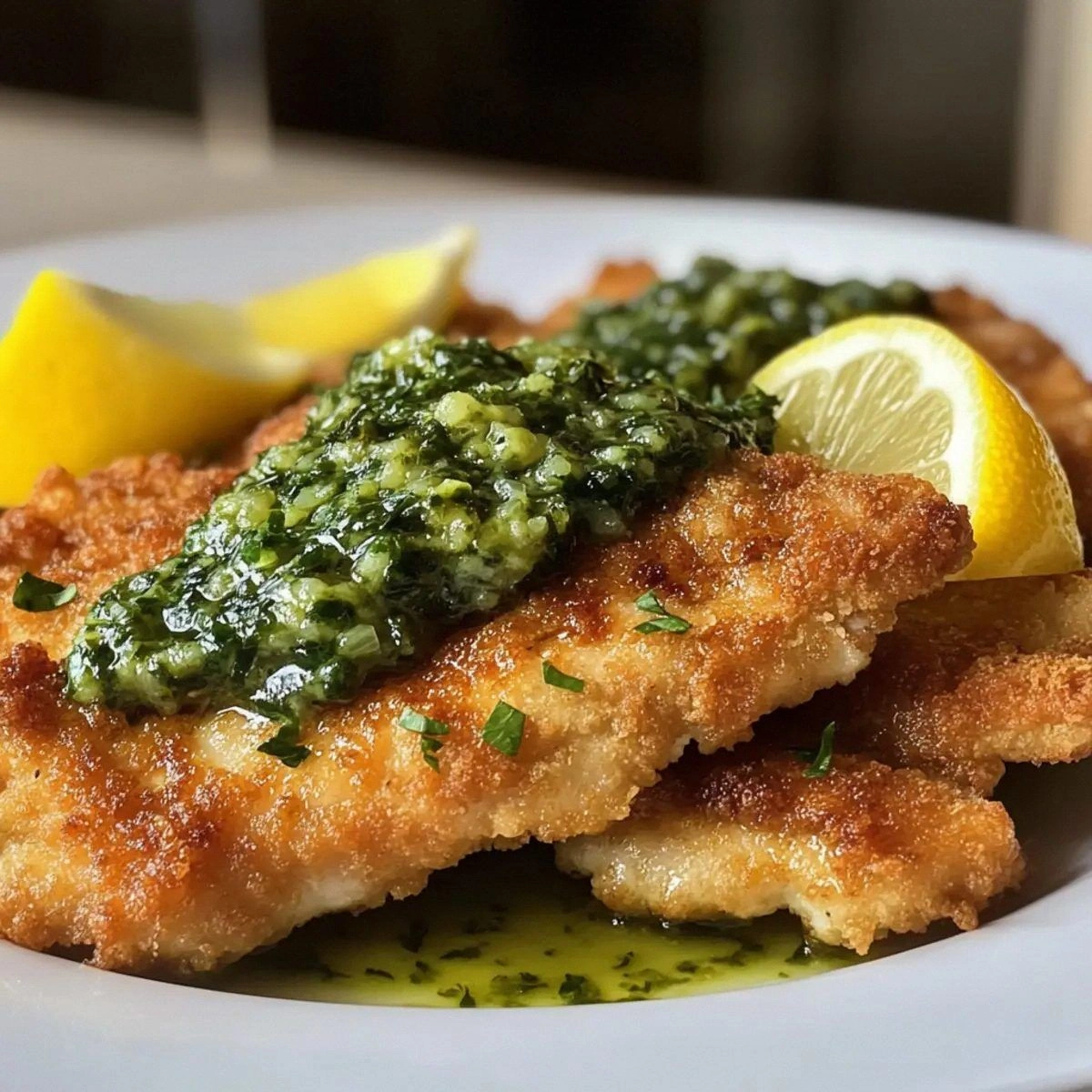
I was standing in my kitchen, staring down a pan that had seen better days, when my roommate tossed a lemon at me and shouted, “If you can’t make a sauce that sings, you’re not cooking!” I laughed, grabbed the nearest chicken breast, and thought, “Challenge accepted.” The result? A crunchy, golden‑brown chicken that crackles like fresh snow under a boot, drenched in a sauce that zings with lemon like a summer fireworks display. I’ll be honest — I ate half the batch before anyone else got a chance to try it, and the look on my friends’ faces when they tasted the first bite was pure, unfiltered joy.
Picture this: the kitchen humming with the sizzle of panko meeting hot oil, the air thick with the perfume of garlic and oregano, and a bright citrus perfume that makes you want to inhale deep enough to fill your lungs with sunshine. Your senses are on high alert — the sound of the crust turning a perfect amber, the sight of steam dancing over a glossy lemon‑butter glaze, the feel of the fork sliding through the tender interior while the sauce clings like a silk scarf. That moment when you bite and the crunch gives way to juicy chicken, then bursts into a zingy lemon wave? That’s the kind of culinary climax most recipes only promise and never deliver.
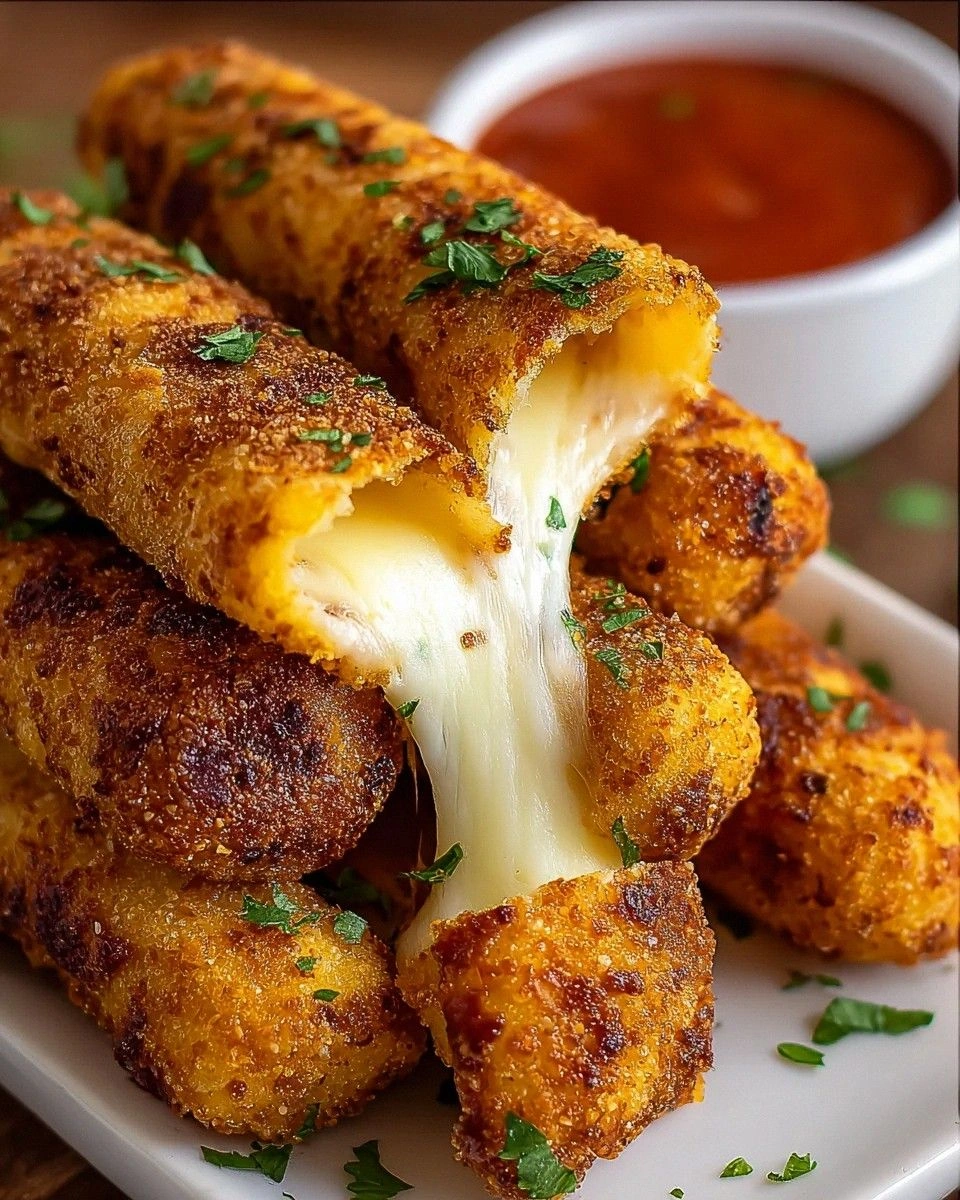
Most chicken‑and‑lemon combos end up either soggy or bland, like a sad sitcom rerun. This version flips the script by marrying the Italian technique of salmoriglio (a bright, vinegar‑based sauce) with a double‑coated, panko‑crusted chicken that stays crisp even after being tossed in the sauce. The secret? A quick dip in a light egg‑water bath, a dusting of seasoned flour, and a final roll in a parmesan‑panko blend that creates a crust that shatters like thin ice under a boot, yet holds the sauce like a loyal sidekick. And the sauce? It’s a buttery, lemon‑forward emulsion that coats each bite with a glossy sheen, thanks to a dash of butter and a splash of extra‑virgin olive oil that adds depth without drowning the citrus.
Okay, ready for the game‑changer? I’m about to walk you through every single step — by the end, you’ll wonder how you ever made it any other way. I dare you to taste this and not go back for seconds. Let’s dive in, and remember: if you’ve ever struggled with soggy chicken or a flat lemon sauce, you’re not alone — and I’ve got the fix.
What Makes This Version Stand Out
- Flavor Explosion: The lemon zest and juice cut through the richness of the butter, creating a bright, layered taste that dances on the palate.
- Crisp Integrity: A double coating of seasoned flour and panko‑parmesan guarantees a crunch that survives even a generous saucing.
- Texture Harmony: The contrast between the crisp exterior and the moist interior is like a well‑orchestrated duet — each part shines without overpowering the other.
- Simplicity Meets Sophistication: Only fifteen ingredients, yet the technique feels like something you’d order at a high‑end trattoria.
- Crowd‑Pleaser Factor: I’ve seen this dish clear plates faster than a free‑sample line at a grocery store; it’s universally loved.
- Ingredient Quality: Using fresh lemon zest and high‑quality extra‑virgin olive oil makes the sauce sing without any artificial shortcuts.
- Cooking Method Magic: The quick sear locks in juices, while the final deglaze with butter creates a glossy, velvety finish.
- Make‑Ahead Friendly: You can prep the coating and sauce ahead of time, then finish the dish in under thirty minutes.
Inside the Ingredient List
The Flavor Base
Lemon zest and juice are the heartbeats of this dish. The zest delivers aromatic oils that hit your nose before your tongue even knows what’s coming, while the juice provides that sharp, tangy bite that balances the buttery sauce. If you’re out of fresh lemons, a splash of high‑quality lemon juice can substitute, but never skip the zest — it’s the secret weapon that makes the sauce feel alive. A quick tip: zest the lemon before you juice it, because a juiced lemon is much harder to zest.
Garlic, minced finely, adds a savory depth that underpins the citrus without competing for the spotlight. I recommend using a micro‑plane or a garlic press to achieve a uniform paste that disperses evenly throughout the sauce. If you’re sensitive to raw garlic’s bite, give it a quick sauté in the olive oil before adding the butter; it mellows the sharpness while keeping the flavor robust.
The Texture Crew
Panko breadcrumbs are the unsung heroes of any crispy chicken. Their larger, airy flakes create a lighter, airier crunch compared to traditional breadcrumbs that can become dense and soggy. Mixing in grated Parmesan not only adds a nutty, salty nuance but also helps the crust brown beautifully, giving you that golden‑brown finish that looks as good as it tastes.
All‑purpose flour, seasoned with kosher salt, black pepper, and dried oregano, forms the first barrier that locks moisture inside the chicken. This thin veil also ensures the egg wash adheres properly, preventing the panko from sliding off during the fry. If you’re gluten‑free, a blend of rice flour and cornstarch works just as well, though the texture will be slightly different.
The Unexpected Star
Extra‑virgin olive oil does more than just keep the pan from sticking; it adds a fruity, peppery undertone that rounds out the sharp lemon. When you deglaze the pan with a splash of this oil before adding butter, you create an emulsion that captures every browned crumb, turning them into a silky coating. If you’re looking for a richer mouthfeel, you can substitute half the oil with a neutral oil like grapeseed, but keep the olive oil for flavor.
Butter is the final finishing touch that gives the sauce its glossy sheen and a velvety mouthfeel. Adding it at the end, once the heat is reduced, prevents the butter from breaking and ensures a smooth, cohesive sauce. For a dairy‑free version, a solid coconut oil works, though it will impart a faint coconut note that some might find intriguing.
The Final Flourish
Fresh parsley, chopped just before serving, adds a burst of color and a herbaceous lift that brightens the entire plate. It’s the visual cue that says, “Hey, this isn’t just a chicken dinner; it’s a celebration.” If parsley isn’t your thing, flat‑leaf basil or even a sprinkle of toasted pine nuts can add texture and a different flavor dimension.
Everything’s prepped? Good. Let’s get into the real action…
The Method — Step by Step
Start by patting the chicken breasts dry with paper towels; this is crucial because any moisture will steam the coating and sabotage the crunch. Slice each breast in half horizontally to create four even pieces, then gently pound them to a uniform thickness of about ½‑inch. This ensures they cook evenly and finish at the same time, preventing some pieces from becoming over‑done while others stay undercooked.
Season both sides with a pinch of kosher salt, black pepper, and the dried oregano. The oregano adds an earthy note that complements the lemon without overwhelming it. Let the seasoned chicken rest for five minutes while you prep the coating — this short rest lets the seasoning penetrate the meat.
Set up a three‑station breading line: a shallow bowl of flour, a second bowl with the egg‑water mixture (2 large eggs whisked with 2 Tbsp water and 1 Tbsp lemon zest), and a third bowl combining panko, grated Parmesan, and a dash more salt and pepper.
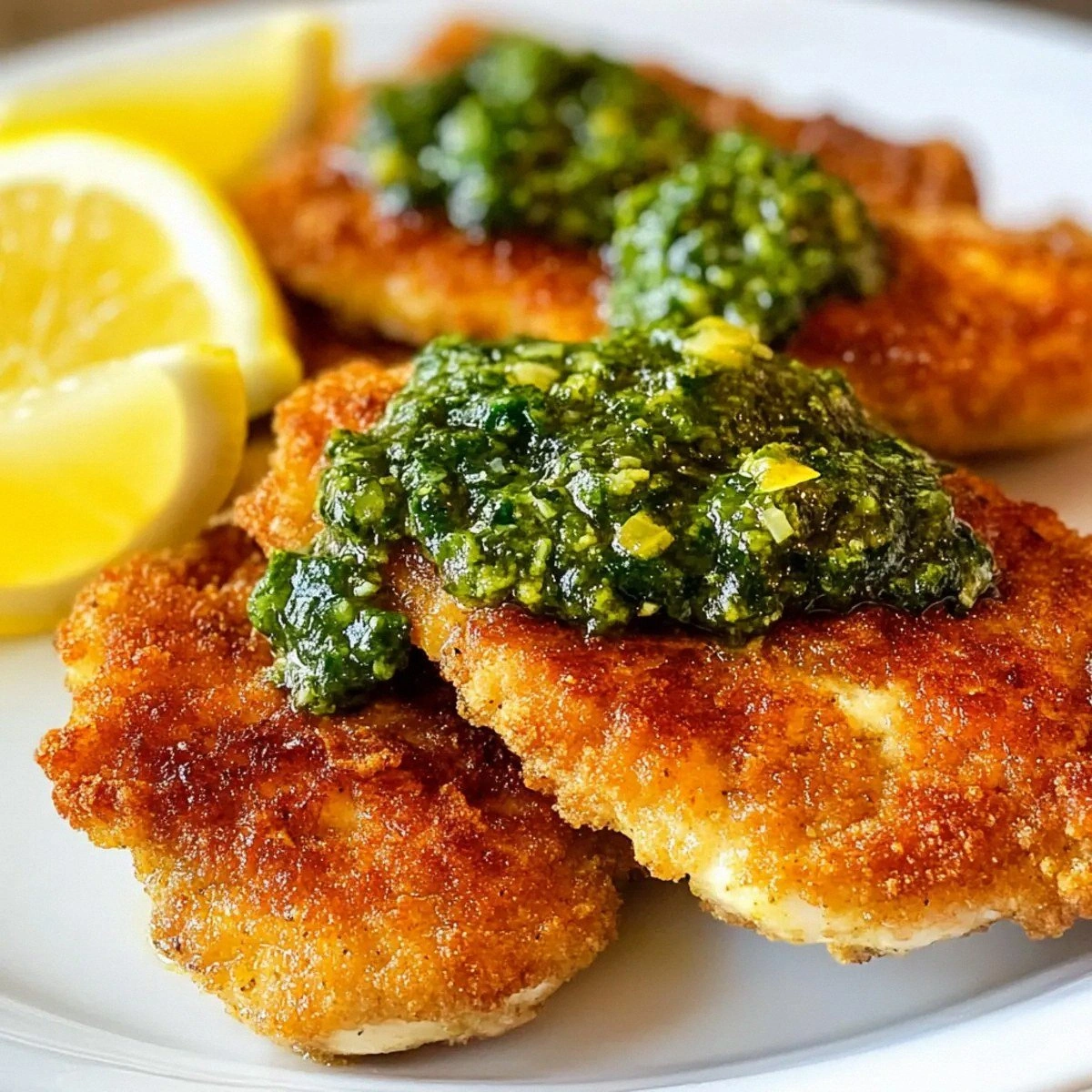
Dredge each chicken piece in flour, shaking off excess, then dip it into the egg mixture, ensuring every crevice is coated. Finally, press the chicken into the panko‑Parmesan blend, turning it over to coat all sides. The double‑dip creates a barrier that locks in juices while the outer crust stays feather‑light.
Kitchen Hack: After coating, place the chicken on a wire rack for 10 minutes; this “dry‑rest” helps the crust adhere better and prevents sogginess when you fry.Heat a large skillet over medium‑high heat and add ¼ cup extra‑virgin olive oil, swirling to coat the bottom. When a drop of water sizzles immediately, the oil is ready. Carefully lay the coated chicken pieces in the pan, giving them enough space to breathe — crowding drops the temperature and leads to a gummy crust.
Cook for 3‑4 minutes per side, or until the crust turns a deep golden‑brown and the interior reaches 165°F (74°C). You’ll hear a satisfying sizzle that signals the crust is forming perfectly. Resist the urge to move the chicken too often; let it sit so the panko can form that coveted crunch.
While the chicken finishes, start the salmoriglio sauce in the same pan (don’t discard the browned bits!). Reduce the heat to low and melt 2 Tbsp butter, letting it foam gently.
Add the minced garlic and sauté for about 30 seconds, just until fragrant — watch out for burning, as burnt garlic turns bitter.
Watch Out: If the butter starts to brown too quickly, lower the heat; you want a gentle melt, not a brown‑butter disaster.Stir in ¼ cup lemon juice and the remaining 1 Tbsp lemon zest, letting the mixture bubble lightly. The sauce should thicken just enough to coat the back of a spoon, creating a glossy veil. If it looks too thin, let it reduce a minute longer; if it threatens to scorch, add a splash of water to keep it smooth.
Taste and adjust with a pinch more salt if needed — the lemon can sometimes mute the seasoning, so a final tweak ensures balance.
Return the cooked chicken to the pan, spooning the sauce over each piece. Let the chicken simmer in the sauce for another minute, allowing the crust to soak up just enough of the lemon‑butter glaze without losing its crunch.
Finish with a generous sprinkle of chopped parsley for color and a fresh herb note that cuts through the richness.
Transfer the chicken to a serving platter, drizzle any remaining sauce from the pan over the top, and let it rest for two minutes. This short rest lets the juices redistribute, ensuring every bite stays moist.
Serve alongside a light arugula salad, roasted potatoes, or even a simple pasta tossed in olive oil and garlic. The possibilities are endless, but the star remains the chicken and its zesty coating.
And now the fun part: garnish with an extra pinch of lemon zest and a drizzle of high‑quality olive oil for that final shine. The zest adds a burst of aroma that hits you the moment you bring the plate to the table.
That’s it — you did it. But hold on, I’ve got a few more tricks that’ll take this to another level…
Insider Tricks for Flawless Results
The Temperature Rule Nobody Follows
Never fry chicken over a blazing high flame; a medium‑high heat (around 350°F/175°C) gives the crust time to set before the interior cooks through. If the oil is too hot, the panko will burn before the chicken is safe to eat. I keep a thermometer in the oil and adjust the burner as needed, which guarantees a uniform golden color every time.
Why Your Nose Knows Best
Your sense of smell is a more reliable indicator of doneness than a timer. When the butter‑lemon sauce begins to emit a fragrant, slightly caramelized aroma, you know the sauce has reached the perfect emulsified stage. If the scent turns acrid, you’ve crossed the line into burnt territory.
The 5‑Minute Rest That Changes Everything
After frying, let the chicken rest on a cooling rack for five minutes before saucing. This short pause allows the steam to escape, preserving the crispiness while letting the meat retain its juices. Skipping this step is the most common reason people end up with soggy chicken.
Butter‑First, Then Lemon
Adding butter before the lemon prevents the sauce from curdling. The butter creates a stable base that emulsifies the acidic lemon juice, resulting in a silky finish. If you add lemon first, the acid can cause the butter to separate, leaving you with a grainy sauce.
Season the Flour, Not Just the Chicken
Incorporating salt, pepper, and oregano into the flour mixture ensures every layer of the crust is seasoned. Skipping this step leads to a bland interior, even if the outer panko is flavorful. It’s a tiny step that makes a massive difference in overall taste.
Use Freshly Grated Parmesan
Pre‑grated cheese contains anti‑caking agents that can affect browning. Freshly grated Parmesan melts into the panko, creating tiny pockets of umami that caramelize beautifully. If you’re in a pinch, a high‑quality pre‑grated cheese works, but the texture won’t be quite the same.
Creative Twists and Variations
This recipe is a playground. Here are some of my favorite ways to switch things up:
Spicy Saffron Salmoriglio
Add a pinch of saffron threads to the lemon sauce and a dash of crushed red pepper flakes to the panko mix. The saffron lends a subtle earthiness while the heat gives the dish a Mediterranean kick. Perfect for those who love a little fire.
Herb‑Infused Panko
Swap half the parsley for fresh thyme and rosemary, finely chopped. These herbs infuse the crust with piney notes that complement the lemon’s brightness. It’s a rustic twist that feels like a summer garden on a plate.
Garlic‑Lemon Aioli Dip
Serve the chicken with a side of homemade garlic‑lemon aioli (mayonnaise, minced garlic, lemon juice, and a touch of mustard). Dipping each bite adds an extra layer of creaminess and intensifies the citrus profile. Great for casual gatherings.
Coconut‑Lime Variation
Replace the butter with coconut oil and swap lemon juice for lime juice. The result is a tropical spin that pairs beautifully with a side of jasmine rice. This version works wonders for a breezy summer dinner.
Parmesan‑Crusted Chicken Tenders
Cut the chicken breasts into strips before coating, creating bite‑size tenders perfect for kids or game day. The cooking time drops to about 6‑8 minutes total, and the sauce can be served as a dunking pool. A crowd‑pleaser that doesn’t sacrifice flavor.
Vegan “Chicken” Alternative
Swap the chicken for firm tofu or cauliflower florets, using the same coating method. Press the tofu to remove excess moisture, then follow the same breading steps. The result is a crispy, lemon‑kissed vegan main that even meat‑eaters love.
Storing and Bringing It Back to Life
Fridge Storage
Place leftover chicken in an airtight container and store in the refrigerator for up to three days. Keep the sauce separate to maintain crispness; reheat the chicken in a hot skillet for 2‑3 minutes, then drizzle with the saved sauce.
Freezer Friendly
Cool the cooked chicken completely, then wrap each piece in parchment paper and place them in a freezer‑safe bag. They’ll keep for up to two months. To reheat, bake at 375°F (190°C) for 12‑15 minutes, then toss with freshly made lemon sauce.
Best Reheating Method
For ultimate crispness, reheat in a preheated oven or a hot skillet rather than the microwave. Add a splash of water or a drizzle of olive oil before reheating; the steam revives the crust while the oil prevents drying. The result is chicken that tastes almost as fresh as the day it was made.