I’ll be honest — I ate half the batch before anyone else got to try it, and that’s because this pancake turned my ordinary weekend into a culinary celebration. It started with a kitchen disaster: I was trying to make classic buttermilk pancakes, only to end up with a flat, rubbery mess that could have doubled as a doorstop. The culprit? Too much flour and not enough lift. I swore off pancakes for a week, until a daring friend dared me to “make something that actually looks like clouds on a plate.” That challenge sparked a midnight experiment that involved cottage cheese, oats, and a sprinkle of culinary curiosity.
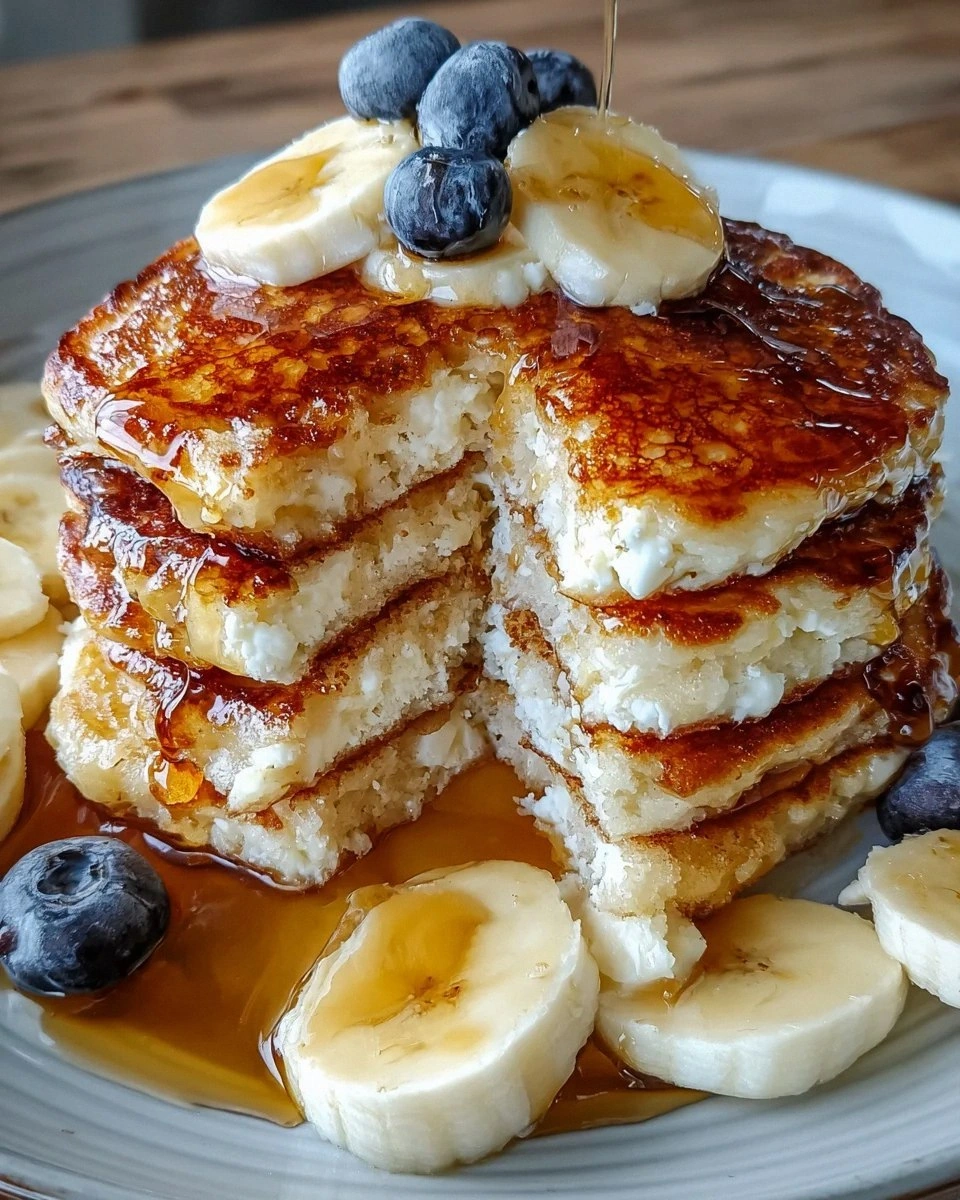
Picture this: the kitchen filled with the warm, sweet aroma of vanilla and cinnamon, the sound of a gentle sizzle as batter meets the pan, and the sight of golden circles puffing up like tiny sunrise moons. Your fingertips feel the buttery heat of the skillet, and the first bite delivers a melt‑in‑your‑mouth softness that’s both creamy and airy, a texture that’s impossible to describe until you experience it. The cottage cheese adds a subtle richness that makes each bite feel indulgent without being heavy, while the rolled oats give a wholesome bite that says, “I’m good for you, but I’m still a treat.” It’s a sensory symphony that makes you want to shout, “I dare you to taste this and not go back for seconds!”
What makes this version truly stand out is the secret weapon: cornstarch. Most recipes rely solely on flour, which can weigh the pancakes down, but a dash of cornstarch lightens the batter, creating a cloud‑like interior that’s almost ethereal. Combine that with the protein punch from cottage cheese and you’ve got a breakfast that not only satisfies cravings but also fuels your morning with lasting energy. The result? Hands down the best version you’ll ever make at home, and a recipe that turns even the most skeptical brunch‑hater into a pancake convert.
I’m about to walk you through every single step — by the end, you’ll wonder how you ever made pancakes any other way. Ready for the game‑changer? Okay, let’s dive in and transform your breakfast routine forever.
What Makes This Version Stand Out
- Flavor Explosion: The combination of vanilla, cinnamon, and a hint of honey creates a sweet‑spicy profile that dances on the palate, making each bite feel like a celebration.
- Feathery Texture: Cornstarch and the natural moisture of cottage cheese give the pancakes a light, airy crumb that’s unlike any traditional grain‑heavy pancake.
- Simplicity: Fewer pantry staples, no fancy equipment, and a quick 15‑minute prep make this recipe perfect for rushed weekday mornings.
- Unique Ingredient: Cottage cheese brings protein and a subtle tang that balances the sweetness, turning a simple breakfast into a balanced meal.
- Crowd‑Pleaser: Even picky eaters can’t resist the golden exterior and the soft, melt‑in‑your‑mouth center — it’s a guaranteed hit at brunches.
- Ingredient Quality: Using full‑fat cottage cheese elevates the richness, while low‑fat works just as well for a lighter version.
- Cooking Method: The batter rests briefly, allowing the oats to hydrate and the leavening agents to activate fully, ensuring a perfect rise.
- Make‑Ahead Potential: You can prep the dry mix the night before, saving precious morning minutes without sacrificing texture.
Inside the Ingredient List
The Flavor Base
Cottage cheese is the star of the show, providing a creamy foundation that keeps the pancakes moist and tender. Whether you opt for full‑fat or low‑fat, the curds create tiny pockets of air that expand during cooking, resulting in that coveted fluffiness. Skipping it would leave you with a dry, dense pancake that lacks the signature melt‑in‑your‑mouth feel. If you’re lactose‑intolerant, try a dairy‑free ricotta alternative — the texture will stay on point.
Eggs are the binding agents that hold everything together while also contributing to the lift. Their proteins coagulate when heated, giving structure without making the pancakes rubbery. Using just one large egg can make the batter a bit too runny; two eggs strike the perfect balance. For a vegan twist, blend a tablespoon of flaxseed meal with three tablespoons of water and let it sit; it mimics egg’s binding power.
Vanilla extract adds a fragrant sweetness that elevates the overall flavor profile. A splash of pure vanilla makes the pancakes taste like a bakery‑fresh treat, turning a simple breakfast into a luxurious experience. If you only have vanilla bean, scrape the seeds for an even more intense aroma.
The Texture Crew
Rolled oats bring a wholesome, slightly chewy bite that contrasts beautifully with the soft interior. They also absorb excess moisture, preventing the batter from becoming too runny. If you’re gluten‑free, make sure to select certified gluten‑free oats; the rest of the recipe stays the same.
Cornstarch is the unsung hero that lightens the batter. By coating the oat particles, it reduces gluten formation, ensuring the pancakes stay tender rather than gummy. A tablespoon or two is enough; adding more won’t hurt, but it can make the pancakes overly delicate.
Baking powder is the leavening agent that gives the pancakes their rise. It creates carbon dioxide bubbles when it reacts with the wet ingredients, lifting the batter into airy clouds. Over‑mixing can deactivate its power, so stir just until combined.
The Unexpected Star
A pinch of salt might seem trivial, but it amplifies every other flavor, balancing the sweetness from honey or maple syrup and enhancing the buttery notes. Skipping salt is a common mistake that leaves pancakes tasting flat.
Ground cinnamon adds a warm, spicy undertone that pairs perfectly with vanilla and honey. It’s optional, but I recommend it for that comforting, cozy vibe that makes you feel like you’re wrapped in a blanket.
The Final Flourish
Honey or maple syrup is your optional sweetener. They not only sweeten the batter but also contribute to a caramelized crust when the pancakes hit the pan. Adjust the amount to suit your taste; start with two tablespoons and go from there.
Butter or a neutral oil is essential for greasing the pan, ensuring a non‑stick surface and adding a subtle richness to the edges. I prefer a light brush of melted butter for that golden‑brown finish.
Everything's prepped? Good. Let's get into the real action…
The Method — Step by Step
Gather all your ingredients and give the cottage cheese a quick stir to break up any large curds. This ensures an even distribution throughout the batter. I dare you to taste a spoonful of the plain cottage cheese — it’s creamy, slightly tangy, and the perfect base for what’s coming.
In a large mixing bowl, whisk together the eggs, vanilla extract, and honey (or maple syrup) until the mixture is light and slightly frothy. The scent of vanilla should start to fill the kitchen, a promising sign that flavor is already developing.
Add the cottage cheese to the egg mixture and blend with a hand mixer on low speed. The batter will look chunky at first; keep mixing until it’s smooth and homogenous. Watch Out: Over‑mixing can cause the batter to become too thin, losing the airy texture we crave.
In a separate bowl, combine rolled oats, cornstarch, baking powder, salt, and ground cinnamon. Give the dry mix a quick whisk to ensure the baking powder is evenly distributed. This step is pure magic because it guarantees every pancake rises uniformly.
Create a well in the center of the dry ingredients and pour the wet cottage cheese mixture into it. Gently fold with a spatula until just combined; a few streaks of flour are okay. The batter should be thick but pourable, resembling a chunky pancake batter.
Heat a non‑stick skillet or griddle over medium‑low heat and brush lightly with melted butter or oil. When a few drops of water sizzle and evaporate instantly, the surface is ready. This temperature is crucial: too hot and the outside burns before the inside cooks; too low and the pancakes become dense.
Using a ¼‑cup measuring cup, pour batter onto the skillet, spacing each pancake about an inch apart. The batter should spread slightly on its own; resist the urge to spread it with a spoon. As the edges begin to set and small bubbles form on the surface, you’ll hear that satisfying sizzle that signals the perfect moment to flip.
Flip the pancakes after 2‑3 minutes, when the edges start pulling away and the underside is a beautiful golden‑brown. Cook for another 1‑2 minutes on the second side, allowing the interior to finish puffing up. The result? Pancakes that are crisp on the edges yet cloud‑soft in the middle. Serve immediately with a drizzle of extra honey, fresh berries, or a dollop of Greek yogurt.
That's it — you did it. But hold on, I've got a few more tricks that'll take this to another level…
Insider Tricks for Flawless Results
The Temperature Rule Nobody Follows
Most home cooks set the stove to “medium” and hope for the best, but the secret is to keep the heat at a steady 325°F (163°C) on a calibrated skillet. This precise temperature ensures the batter cooks evenly, giving you that perfect rise without burning the edges. I once tried cranking the heat to “high” for a faster cook; the pancakes turned into blackened discs that tasted like burnt toast. Keep a kitchen thermometer nearby, and you’ll consistently achieve that golden‑brown perfection.
Why Your Nose Knows Best
Your sense of smell is a reliable indicator of doneness. When the batter hits the pan, you’ll notice a sweet, buttery aroma within the first 30 seconds. As the pancakes cook, the scent deepens, becoming nutty and caramel‑like. If you can smell that subtle caramel note, the pancakes are ready to flip. Trusting your nose can save you from over‑cooking and keep the interior fluffy.
The 5‑Minute Rest That Changes Everything
Allowing the batter to rest for five minutes after mixing is a game‑changer. During this time, the oats fully hydrate, and the baking powder gets a chance to create bubbles that will lift the batter in the pan. Skipping this step often results in dense pancakes that lack the signature airy texture. I’ve seen novice cooks skip the rest and wonder why their pancakes are flat; a brief pause is all it takes.
Gentle Folding, Not Aggressive Mixing
When combining wet and dry ingredients, use a gentle folding motion rather than a vigorous whisk. Over‑mixing activates gluten in the oats, leading to a tougher crumb. A light hand preserves the batter’s air pockets, which translate into those fluffy interiors we adore. Think of it as coaxing the batter into harmony, not forcing it.
Butter Brush vs. Spray
While cooking spray is convenient, a thin brush of melted butter adds flavor and promotes an even browning. Butter contains milk solids that caramelize, giving the pancakes a richer, slightly nutty crust. If you’re watching calories, use a paper towel to dab away excess butter after each batch; the flavor remains, and the pancakes stay light.
Creative Twists and Variations
This recipe is a playground. Here are some of my favorite ways to switch things up:
Berry Burst
Fold in a handful of fresh blueberries or raspberries right before cooking. The berries burst open, releasing juices that create pockets of sweet tang throughout the pancake. Perfect for summer brunches and for anyone who loves a burst of fruit.
Chocolate Lover’s Dream
Add two tablespoons of cocoa powder to the dry mix and a teaspoon of instant coffee for depth. Top with dark chocolate chips and a drizzle of chocolate ganache for an indulgent treat that still feels wholesome.
Savory Sunrise
Swap the honey for a pinch of smoked paprika and add shredded cheddar into the batter. Serve with avocado slices and a poached egg for a savory brunch that still boasts the fluffy texture of the original.
Citrus Zest
Add the zest of one lemon or orange to the wet ingredients. The citrus brightens the flavor profile, making the pancakes taste fresh and light, especially when paired with a light dusting of powdered sugar.
Nutty Crunch
Stir in a quarter cup of finely chopped toasted almonds or walnuts. The nuts add a pleasant crunch that contrasts the soft interior, and they boost the protein content for an extra energy kick.
Storing and Bringing It Back to Life
Fridge Storage
Place cooled pancakes in an airtight container and store them in the refrigerator for up to three days. A sheet of parchment paper between layers prevents them from sticking together. When ready to eat, reheat in a skillet over medium heat for two minutes per side.
Freezer Friendly
Stack pancakes between parchment sheets, place them in a zip‑top freezer bag, and freeze for up to two months. This method preserves texture and prevents freezer burn. To serve, microwave for 30 seconds per pancake, then finish in a hot pan for a crisp exterior.
Best Reheating Method
Add a tiny splash of water (about a teaspoon) to each pancake before reheating in the microwave; the steam revives the fluffiness. Alternatively, reheat in a pre‑heated oven at 350°F (175°C) for five minutes, covering with foil to keep moisture in.