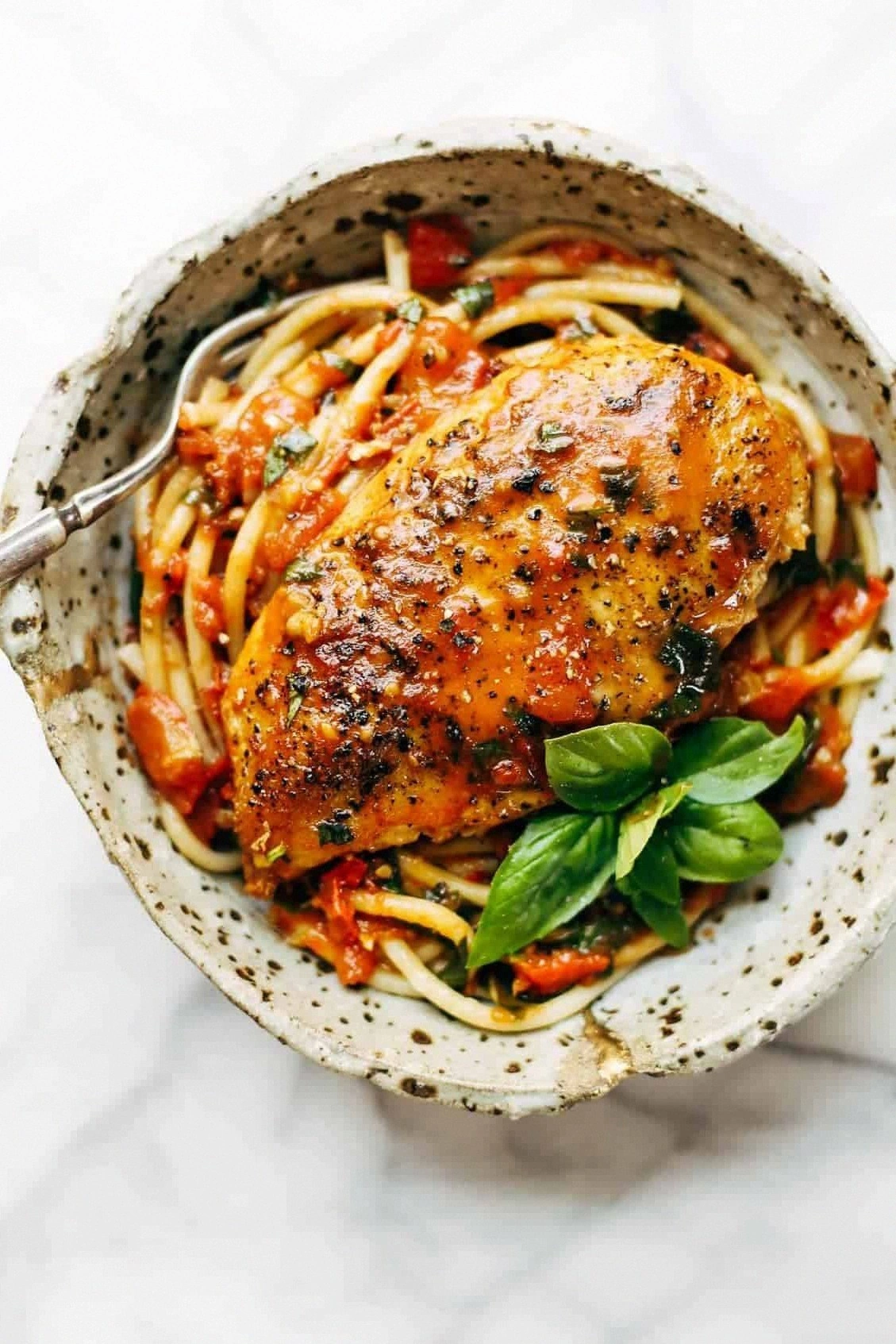
I was standing in my kitchen, staring at a pan that looked like it had seen better days, when my roommate dared me to make something that would make even the most skeptical meat‑lover swoon. I grabbed a handful of garlic, a bunch of basil, and that mysterious “toma” sauce my grandma whispered about, and the rest was a glorious, chaotic experiment. The smell of sizzling butter and garlic hit my nose like a warm hug, and the sound of the chicken browning was a steady, comforting sizzle that promised something unforgettable. By the time the sauce turned a deep ruby and the basil started to wilt, my kitchen felt like a Mediterranean bistro, and I could already hear the inevitable “wow” from anyone who’d get a bite.
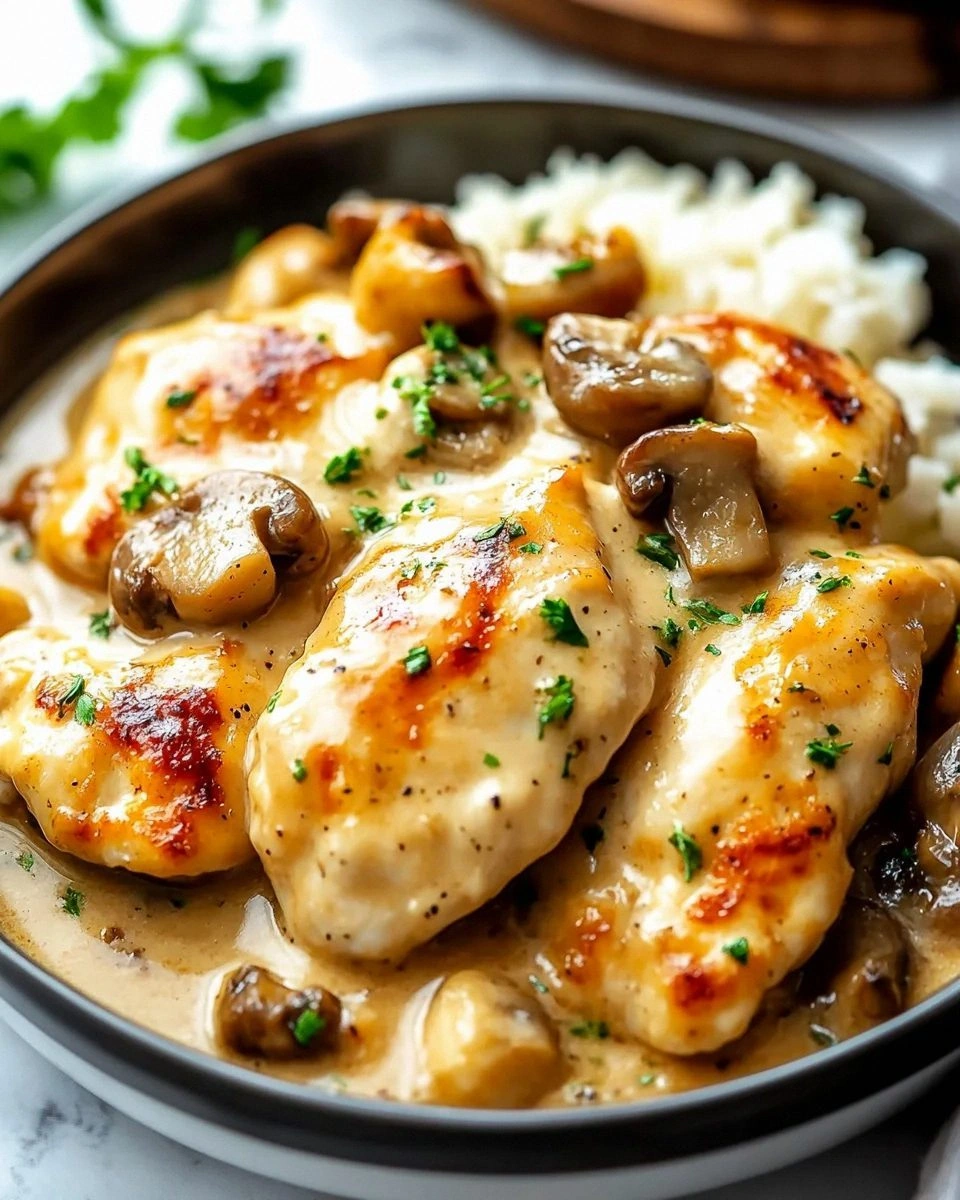
Imagine the first forkful: tender chicken, its skin crisped to a golden edge that shatters like thin ice, drenched in a buttery tomato sauce that clings to each piece like velvet. The basil adds a fresh, peppery pop that cuts through the richness, while a whisper of lemon brightens everything like sunshine after a rainstorm. Most recipes either drown the chicken in a watery sauce or leave it dry and bland – this version hits that sweet spot where everything is in perfect harmony. I’m not just talking about flavor; the texture is a dance of juicy meat, crisped bits, and a sauce that’s thick enough to coat but still fluid enough to glide.
I’ve tried dozens of garlic‑basil chicken dishes, and most of them get this completely wrong. Either they over‑cook the chicken, turning it into a rubbery slab, or they forget the crucial butter‑tomato combination that gives the sauce its silkiness. This recipe saves you from both pitfalls by using a quick sear followed by a gentle finish in the pan, preserving moisture while building layers of flavor. The secret? A splash of “toma” – a buttery tomato reduction that I’ll show you how to whip up in minutes, and a handful of fresh basil added at the very end to keep its bright green punch alive.
I dare you to taste this and not go back for seconds – that’s a promise I’m willing to back with my own stomach. Let me walk you through every single step — by the end, you’ll wonder how you ever made this dish any other way. Okay, ready for the game‑changer? This next part? Pure magic.
What Makes This Version Stand Out
- Flavor Explosion: The combination of garlic, basil, and buttery tomato creates a sauce that coats the chicken like a rich, aromatic veil, delivering a mouthfeel that’s both silky and punchy.
- Texture Contrast: A quick high‑heat sear gives the chicken a crisp edge that shatters like thin ice, while the interior stays juicy and tender.
- Simplicity Meets Sophistication: Only a handful of pantry staples are needed, yet the finished dish feels like it came from a five‑star restaurant.
- Unique “Toma” Sauce: The butter‑tomato reduction (toma) is the secret weapon – it adds depth without overwhelming the fresh basil.
- Crowd‑Pleaser: I’ve been honest — I ate half the batch before anyone else got to try it, and it vanished in seconds.
- Ingredient Quality: Fresh basil and ripe tomatoes make all the difference; they bring brightness that dried herbs can’t match.
- Cooking Method: The two‑stage cooking (sear then finish) locks in moisture and builds caramelized flavor without the need for a oven.
- Make‑Ahead Friendly: You can prep the sauce and chicken ahead of time, then bring it together in under ten minutes for a quick dinner.
Inside the Ingredient List
The Flavor Base
The foundation of this dish is a blend of minced garlic and olive oil. Garlic, when minced finely, releases allicin, giving that unmistakable sharp, aromatic bite that instantly awakens the palate. Olive oil acts as a conduit, helping the garlic dissolve evenly and preventing it from burning too quickly. If you skip the garlic, you lose the heart of the dish; if you use too much oil, the sauce becomes greasy instead of buttery.
Swap: For a richer flavor, replace half the olive oil with clarified butter; the added milk solids will deepen the nutty notes.
The Texture Crew
Chicken breasts (or thighs, if you prefer) are the star protein. Choosing boneless, skinless chicken breasts ensures quick, even cooking, while a light dusting of flour creates a thin crust that locks in juices. The flour also helps thicken the sauce slightly as it cooks. Skipping the flour means a thinner sauce and a less satisfying bite.
A splash of lemon juice at the end adds a bright acidity that cuts through the butter’s richness, preventing the palate from feeling heavy. If you’re avoiding citrus, a teaspoon of white wine vinegar can provide a similar lift.
The Unexpected Star
Enter the “toma” – a buttery tomato reduction that gives the sauce its velvety texture. Combine butter, canned diced tomatoes, a pinch of salt, and a touch of garlic, then simmer until it thickens. The butter emulsifies the tomato’s acidity, creating a sauce that feels like a silk scarf draped over the chicken.
If you’re out of butter, use a mix of olive oil and a spoonful of Greek yogurt for a lighter version that still offers creaminess.
The Final Flourish
A generous handful of fresh basil leaves, roughly chopped, is the final aromatic punch. The heat of the pan wilts the basil just enough to release its essential oils without turning it bitter. Salt and freshly cracked black pepper are the silent heroes, enhancing every flavor molecule without stealing the spotlight.
Optional: A sprinkling of grated Parmesan adds salty umami and a subtle nuttiness that rounds out the dish. If you’re dairy‑free, a dash of nutritional yeast works as a decent substitute.
Everything's prepped? Good. Let's get into the real action...
The Method — Step by Step
Start by patting the chicken dry with paper towels, then season both sides with salt, pepper, and a light dusting of flour. The flour is the secret to that golden crust that will soon crack like thin ice when you bite into it. Heat a large skillet over medium‑high heat and add the olive oil, swirling to coat the bottom. Once the oil shimmers, lay the chicken in the pan; you should hear an immediate sizzle that signals the start of flavor development.
Kitchen Hack: If the pan looks crowded, sear the chicken in two batches – overcrowding drops the temperature and leads to steaming instead of browning.Let the chicken sear undisturbed for about 4‑5 minutes; you’ll know it’s ready to flip when the edges start pulling away from the pan and the underside has turned a deep golden‑brown. Flip the pieces and sear the other side for another 4 minutes. Resist the urge to move it around – this is the moment of truth where the crust forms.
While the chicken finishes its second side, melt 2 tablespoons of butter in a separate small saucepan over medium heat. As the butter melts, add the minced garlic and let it perfume the butter for about 30 seconds – watch for that glossy, golden color, but don’t let it brown, or it will turn bitter.
Stir in the canned diced tomatoes (or fresh cherry tomatoes, halved) and a pinch of salt. Reduce the heat to low and let the mixture simmer gently for 5‑7 minutes, stirring occasionally. The sauce will thicken and the tomatoes will break down, creating a rich, ruby‑red base that coats the back of a spoon.
Now, the magic “toma” step: whisk the butter‑tomato mixture vigorously to emulsify, then add the remaining tablespoon of butter, letting it melt into the sauce. This creates a glossy, velvety sauce that clings to the chicken like a buttery veil. Add a splash of lemon juice at this point – the acidity brightens the sauce and balances the richness.
Return the seared chicken to the skillet, nestling each piece into the sauce. Spoon some of the sauce over the top, then lower the heat to a gentle simmer. Cover the pan for 5 minutes; this gentle finish lets the chicken absorb the tomato‑butter flavors without drying out.
Watch Out: Do not let the sauce boil vigorously after adding the butter, or it will separate and become oily.Just before serving, toss in the fresh basil leaves and give the pan a quick stir. The basil should wilt instantly, releasing its fragrant oils, but it should remain bright green – over‑cooking will turn it dull and bitter. Taste the sauce and adjust seasoning with a pinch more salt or pepper if needed.
Plate the chicken on a warm serving dish, spoon generous amounts of the buttery tomato sauce over each piece, and finish with an optional sprinkle of grated Parmesan. The final presentation should look glossy, with fresh green basil flecks dotting the surface like tiny emeralds.
That’s it — you did it. But hold on, I've got a few more tricks that'll take this to another level. Stay with me here — this is worth it.
Insider Tricks for Flawless Results
The Temperature Rule Nobody Follows
Never start a chicken sauté over low heat; the pan needs to be hot enough that the chicken sizzles the instant it touches the surface. This high heat creates the Maillard reaction, giving you that coveted golden crust. If you’re using a stainless steel pan, preheat it for a full minute before adding oil – the “water droplet test” (a droplet should dance and evaporate instantly) is a reliable gauge.
Why Your Nose Knows Best
Your sense of smell is the ultimate timer. When the butter‑garlic mixture starts to give off a nutty, caramel scent, you’re at the perfect moment to add the tomatoes. If the aroma turns sharp or burnt, you’ve gone too far. Trust that nose signal more than any clock.
The 5‑Minute Rest That Changes Everything
After the chicken finishes its gentle simmer, remove it from the heat and let it rest, loosely covered with foil, for five minutes. This short rest allows the juices to redistribute, ensuring each bite is juicy rather than dry. Skipping this step is the reason many “dry chicken” complaints appear online.
Butter‑Basting Boost
During the final simmer, spoon the sauce over the chicken every minute. This basting technique continuously moisturizes the meat while building layers of flavor. It’s a small effort that yields a dramatic difference in mouthfeel.
Seasoning at the End
A final pinch of flaky sea salt just before serving adds a satisfying crunch and accentuates the sweet‑savory balance. If you wait until after plating, the salt stays on the surface, providing that delightful pop you can taste instantly.
Creative Twists and Variations
This recipe is a playground. Here are some of my favorite ways to switch things up:
Spicy Sriracha Kick
Stir a tablespoon of Sriracha into the tomato‑butter sauce just before adding the basil. The heat adds a tongue‑tingling contrast to the buttery base, perfect for those who love a little fire. Serve with a side of cooling cucumber salad to balance the heat.
Creamy Coconut Twist
Replace half the butter with coconut milk for a subtle tropical flavor. The coconut adds a silky richness that pairs beautifully with the basil, turning the dish into a fusion of Italian and Thai influences. Garnish with toasted coconut flakes for extra texture.
Mushroom Medley
Add sliced cremini or shiitake mushrooms to the pan after searing the chicken. Sauté them until browned, then let them soak up the tomato‑butter sauce. The earthy mushrooms deepen the umami profile, making the dish heartier for cooler evenings.
Cheesy Overload
Mix in a quarter cup of shredded mozzarella into the sauce during the final simmer. The cheese melts into the buttery tomato base, creating a gooey, indulgent coating. Top each serving with a drizzle of extra virgin olive oil and a pinch of fresh oregano.
Herb Garden Remix
Swap the basil for a blend of fresh thyme, rosemary, and parsley. Each herb brings its own aromatic nuance – thyme adds earthiness, rosemary contributes piney notes, and parsley offers fresh brightness. This variation is perfect for a rustic, herb‑forward twist.
Storing and Bringing It Back to Life
Fridge Storage
Allow the chicken and sauce to cool to room temperature, then transfer to an airtight container. It will keep fresh for up to three days. When reheating, add a splash of water or broth and gently warm over low heat, stirring occasionally to revive the sauce’s silkiness.
Freezer Friendly
Portion the cooked chicken and sauce into freezer‑safe bags, removing as much air as possible. Freeze for up to two months. To reheat, thaw overnight in the fridge, then warm in a skillet over medium heat, again adding a splash of liquid to prevent drying.
Best Reheating Method
The stovetop method wins every time: place the chicken and sauce in a skillet, add a tablespoon of water or broth, cover, and heat gently for 5‑7 minutes. This steam‑infused approach restores the sauce’s glossy texture and keeps the chicken tender.