I remember the night I nearly ruined dinner because I thought I could turn a simple zucchini and potato mix into a gourmet soup without any prep. I stared at the pot, the steam curling like a nervous sigh, and wondered if I’d accidentally made a soup for a science experiment instead of a meal. The kitchen smelled of burnt garlic, and the timer kept ticking like a metronome of my own incompetence. That disaster was the spark that lit the fire for this recipe, a version that turns humble veggies into a silky, comforting bowl that will make you question every other zucchini soup you’ve ever tasted.
Picture this: a pot of bright green zucchini, the buttery texture of diced potatoes, and the fragrant aroma of onions and garlic sizzling together in olive oil. The sound of the vegetables sizzling is like a gentle applause, a cue that flavors are beginning to mingle. As the broth simmers, a subtle earthy sweetness unfurls, and the steam rises, carrying the scent of thyme and bay leaf into every corner of the kitchen. Your taste buds are already tingling in anticipation, ready for the creamy, velvety finish that will coat the spoon like a silky coat.
What makes this version stand out is not just the ingredients but the method. I’ve stripped away the extra steps that most recipes add—no heavy cream, no excessive salt, no pre-blending of the potatoes. Instead, I let the natural starches of the potatoes thicken the soup in a way that feels both comforting and refined. The result is a bowl that feels like a hug, a bowl that’s low in fat yet full of flavor, and a bowl that can be made in less than an hour. I dare you to taste this and not go back for seconds.
And the best part? This recipe is a game-changer for any occasion—whether you’re feeding a family, prepping for meal prep, or looking for a quick weeknight dinner. By the end of this guide, you’ll wonder how you ever made it any other way. Let me walk you through every single step, and trust me, you’ll be shouting, “I’ve found the secret sauce of zucchini soups!”
What Makes This Version Stand Out
- Flavor Depth: The combination of zucchini and potatoes creates a naturally sweet, earthy base that cuts through the mildness of the vegetables, delivering a complex flavor profile that feels both familiar and adventurous.
- Texture Perfection: The slow simmer allows the potatoes to release starches that thicken the broth into a silky, almost custard-like consistency without the need for dairy.
- Minimalist Approach: With just a handful of pantry staples, you achieve a dish that feels gourmet—no fancy ingredients, no elaborate prep, just pure, honest cooking.
- Health‑Centric: Low in calories yet high in protein and fiber, this soup hits all the macros you’re chasing without compromising on taste.
- Versatile: The base is so neutral that it can be dressed up with herbs, spices, or a splash of citrus, making it suitable for any palate or dietary preference.
- Make‑Ahead Friendly: The soup stores beautifully and even tastes better the next day, making it a perfect candidate for batch cooking.
- Kid‑Friendly: The mild flavors and creamy texture make it a hit with children, while the subtle herbs keep adults satisfied.
- Time Efficiency: From prep to plate, you’re looking at under an hour—fast enough for a busy weekday, slow enough to let flavors develop.
Alright, let’s break down exactly what goes into this masterpiece…
Inside the Ingredient List
The Flavor Base
At the heart of this soup lies a simple yet powerful trio: onion, garlic, and olive oil. The onion provides a sweet, caramelized foundation, while the garlic adds a punchy, aromatic layer that lingers on the palate. Olive oil is the medium that binds these flavors together, creating a silky mouthfeel that elevates the dish. If you skip this base, the soup loses its depth, becoming a bland, watery concoction.
The Texture Crew
Potatoes are the unsung hero of this soup. They act as a natural thickener, releasing starches that give the broth a luxurious, velvety consistency. Zucchini, on the other hand, offers a subtle crunch that contrasts with the smoothness of the potatoes, adding a textural dimension that keeps each spoonful interesting. If you omit the potatoes, the soup will be thin and watery; if you add too many, it becomes overly thick and starchy.
The Unexpected Star
A splash of lemon juice or a pinch of lemon zest is the secret ingredient that brightens the entire dish. The acidity cuts through the earthiness of the potatoes and the mildness of the zucchini, creating a balanced flavor profile that feels fresh and lively. Without this citrus kick, the soup can taste flat and heavy.
The Final Flourish
Fresh herbs such as basil or parsley are added at the end, just before serving. They provide a burst of color and a fresh, herbal aroma that lifts the entire dish. The herbs also add a layer of complexity, making the soup feel complete and satisfying. If you skip this step, the soup will feel slightly under-seasoned and less vibrant.
Everything's prepped? Good. Let's get into the real action…
The Method — Step by Step
- Prep the aromatics. In a large pot, heat 2 tablespoons of olive oil over medium heat. Add 1 diced onion and sauté until translucent and lightly golden, about 5 minutes. The onion should release a sweet fragrance that fills the kitchen. Stir in 3 minced garlic cloves, letting them toast for 30 seconds until aromatic, but be careful not to burn them—burnt garlic tastes like regret.
- Introduce the potatoes. Add 2 medium diced potatoes to the pot. Stir to coat them in oil and aromatics. Cook for 2 minutes, allowing the edges to crisp slightly. This step is crucial for a slightly caramelized flavor that adds depth to the broth.
- Simmer the base. Pour in 4 cups of low‑sodium vegetable broth. Bring the mixture to a gentle boil, then reduce to a simmer. Add 1 teaspoon of dried thyme and 1 bay leaf. Let it simmer for 10 minutes, allowing the potatoes to soften and the flavors to meld.
- Incorporate zucchini. Add 2 medium diced zucchini to the pot. The zucchini should be added after the potatoes have softened to prevent them from becoming mushy. Simmer for an additional 8 minutes, or until both potatoes and zucchini are tender.
- Blend the soup. Remove the bay leaf. Use an immersion blender to puree the soup directly in the pot until smooth. If you don’t have an immersion blender, carefully transfer the soup in batches to a countertop blender. The result should be a silky, velvety texture.
- Season and brighten. Stir in ½ teaspoon of black pepper, 1 teaspoon of salt to taste, and 2 tablespoons of fresh lemon juice. Taste the soup and adjust seasoning as needed. The lemon juice adds a bright, citrusy lift that cuts through the earthiness.
- Finish with herbs. Add 2 tablespoons of chopped fresh basil, reserving a few sprigs for garnish. Stir gently to distribute the herbs evenly. The basil adds a fresh, aromatic note that makes the soup feel complete.
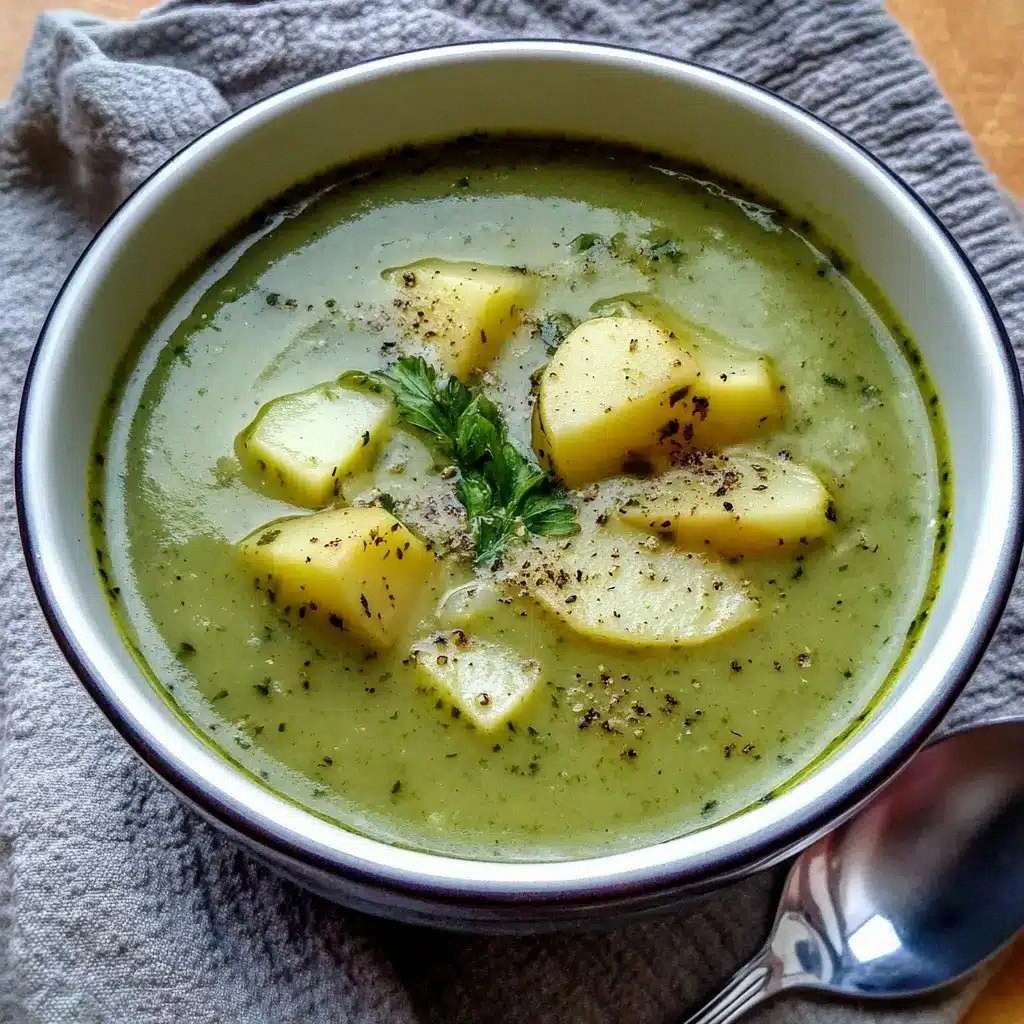
- Serve. Ladle the soup into bowls, garnish with a few basil sprigs, and drizzle a tiny swirl of olive oil if desired. The soup should be steaming, with a glossy surface that glistens under the kitchen light.
That’s it — you did it. But hold on, I’ve got a few more tricks that will take this to another level…
Insider Tricks for Flawless Results
The Temperature Rule Nobody Follows
Maintaining a gentle simmer throughout the cooking process keeps the vegetables tender without breaking them apart. A rolling boil can cause the potatoes to burst, leading to a lumpy soup. I’ve learned to keep the heat at medium, letting the broth bubble softly. This subtle control ensures a smooth, consistent texture.
Why Your Nose Knows Best
Smell the broth as it simmers. A faint, sweet aroma indicates the onions are caramelizing just right. If the scent leans too sharp, the garlic is overcooked. Trust your nose; it’s the most reliable indicator of flavor development.
The 5-Minute Rest That Changes Everything
After blending, let the soup rest for five minutes before serving. This pause allows the flavors to settle, resulting in a richer taste. It also gives the starches from the potatoes time to re‑thicken slightly, giving the soup a more luxurious mouthfeel.
The Secret to a Creamy Finish
If you prefer a creamier texture, add a tablespoon of Greek yogurt or a splash of coconut milk before serving. The dairy-free option keeps the soup light, while the yogurt adds a subtle tang that complements the lemon.
The Fresh Herb Finale
Add the herbs at the very end of cooking. Herbs lose their flavor if cooked too long, so a quick stir right before serving preserves their bright, fresh notes. This final touch elevates the soup from simple to spectacular.
Creative Twists and Variations
This recipe is a playground. Here are some of my favorite ways to switch things up:
Spicy Jalapeño Kick
Add a finely diced jalapeño with the onions for a subtle heat that pairs well with the mild vegetables. The peppery bite brightens the soup and gives it a lively edge. This variation is perfect for those who love a little spice in their comfort food.
Herb‑Infused Creaminess
Stir in a handful of chopped fresh dill or oregano before serving. These herbs add a distinct flavor profile that transforms the soup into a Mediterranean‑inspired dish. The herbs also bring a pop of color that makes the soup visually appealing.
Roasted Tomato Twist
Sauté 1 cup of diced roasted tomatoes with the onions for a sweet, caramelized note. The tomatoes add a subtle acidity that complements the lemon, creating a layered flavor experience. This version is great for summer when tomatoes are at their peak.
Coconut‑Creamy Variation
Replace half of the vegetable broth with coconut milk for a tropical, creamy version. The coconut adds a gentle sweetness that balances the earthiness of the potatoes. Serve with a sprinkle of toasted coconut flakes for an extra crunch.
Protein Boost
Add a cup of cooked lentils or chickpeas to increase protein content. The legumes provide a hearty texture and a nutty flavor that complements the soup’s mildness. This variation is ideal for vegetarians looking for a filling meal.
Sautéed Mushroom Finish
Sauté sliced mushrooms in butter and garlic, then stir them into the soup just before serving. The earthy mushrooms add depth and a meaty texture that makes the soup feel more substantial. This tweak is a great way to use up leftover mushrooms.
Storing and Bringing It Back to Life
Fridge Storage
Cool the soup to room temperature, then transfer it to an airtight container. Store in the refrigerator for up to 4 days. The starches from the potatoes help keep the soup thick and flavorful even after refrigeration.
Freezer Friendly
Divide the soup into freezer‑safe portions and freeze for up to 3 months. When ready to eat, thaw overnight in the refrigerator. Reheat on the stovetop over low heat, stirring occasionally.
Best Reheating Method
Add a splash of water or broth before reheating to restore moisture. The soup should be heated until it’s steaming hot, but avoid boiling, as that can break down the texture. Finish with a drizzle of olive oil or a dollop of yogurt for extra richness.
All right, you’ve mastered the art of this zucchini‑potato soup, and now you can impress friends, feed the family, or simply treat yourself to a bowl of comfort that’s as wholesome as it is delicious. Remember, the key is patience, the right balance of flavors, and a sprinkle of love. Happy cooking!