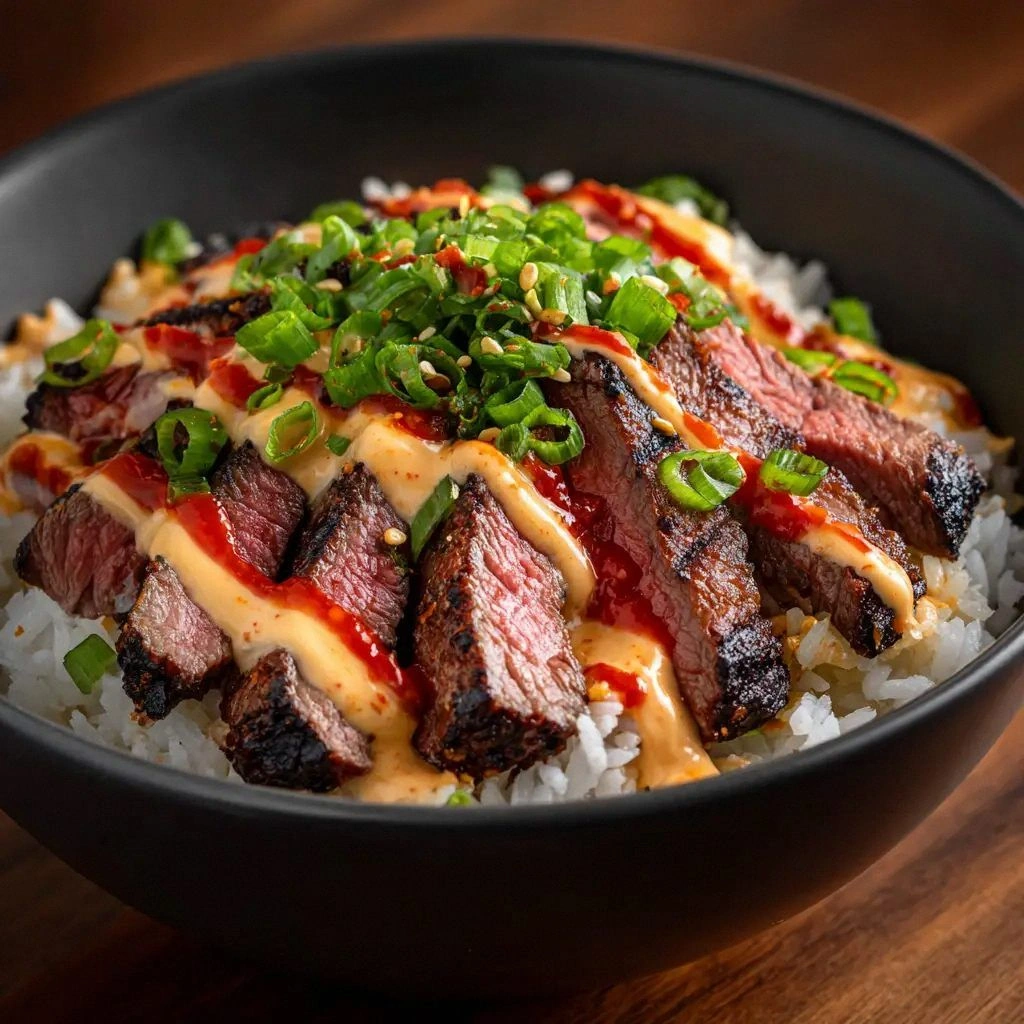
I’ve been chasing that elusive “restaurant‑quality” Korean BBQ experience for years, and the moment I finally nailed it, I could not keep it to myself. Picture this: I was in the middle of a chaotic Friday night, a burnt batch of rice, a runaway skillet, and a friend who dared me to recreate the sizzling bowl she’d loved at a Seoul‑based pop‑up. I stared at the skillet, the steak looking as flat as a pancake, and thought, “If I can turn this into something that makes my friends cry for seconds, I’m winning.”
The first bite was a revelation—sweet honey, umami soy, a hint of fiery gochujang, and that unmistakable sesame oil aroma that made my nose do a happy dance. The steak was a velvet‑soft slab, caramelized on the edges like a sunrise on a pan, while the kimchi offered a bright, tangy counterpoint that cut through the richness. The rice was fluffy, each grain separate, soaking up the sauce like a sponge in a spa. The carrots and cucumber added a satisfying crunch, and the sesame seeds gave a subtle nutty finish. I was stunned enough to almost skip the second plate, but the promise of a perfect encore kept me glued to the table.
What sets this version apart from every other Korean BBQ bowl out there? The answer lies in the balance of flavors, the precision of the sauce, and the way I’ve simplified the process without compromising authenticity. I’ve taken the time to tweak the sauce’s sweetness to match the natural sugars in the steak, added toasted sesame oil for depth, and used fresh ginger and garlic for that bright, aromatic kick that’s often missing in copy‑cat recipes. The result is a bowl that feels like a hug in a bowl, with every bite delivering a burst of umami, spice, and sweet, leaving you begging for more.
And the kicker? I’ve discovered that a single, unexpected ingredient—a splash of rice vinegar—transforms the entire dish, brightening the sauce and preventing the steak from becoming too heavy. It’s a subtle tweak that most recipes skip, but it’s the difference between a good bowl and a legendary one. By the end of this guide, you’ll have the confidence to make a dish that’s not just restaurant‑grade but also a conversation starter at your next dinner party.
Let me walk you through every single step—by the end, you’ll wonder how you ever made it any other way.
What Makes This Version Stand Out
- Flavor Depth: The sauce layers sweetness, umami, and heat in a way that coats the steak like velvet, ensuring every bite is bursting with complexity.
- Texture Contrast: From the tender flank steak to the crisp carrots, the bowl offers a symphony of textures that keeps the palate engaged.
- Ingredient Quality: Using fresh ginger, garlic, and high‑quality sesame oil elevates the dish beyond the usual supermarket staples.
- Time Efficiency: The entire process takes less than an hour, making it a perfect weeknight dinner that feels like a five‑star experience.
- Make‑Ahead Friendly: The sauce can be pre‑marinated up to 24 hours, and the rice can be cooked in bulk, saving you precious kitchen time.
- Crowd‑Pleaser: Friends who’ve tried this say it’s “hands down the best version you’ll ever make at home,” and they’re not shy about sharing the secret.
- Visual Appeal: The bright colors of kimchi and cucumber against the golden steak create a plate that’s as Instagram‑worthy as it is delicious.
- Adaptability: Swap flank for sirloin, add mushrooms for an earthy twist, or serve over cauliflower rice for a low‑carb version—this bowl adapts to any dietary preference.
Alright, let's break down exactly what goes into this masterpiece…
Inside the Ingredient List
The Flavor Base
The sauce is the heart of this dish, a harmonious blend that marries the salty depth of low‑sodium soy with the natural sweetness of brown sugar and honey. The gochujang adds a gentle heat that lingers without overpowering, while toasted sesame oil brings a nutty aroma that elevates the entire bowl. Rice vinegar, often overlooked, brightens the sauce, preventing it from becoming too thick or cloying. Together, these ingredients create a sauce that coats the steak like velvet, ensuring each bite is saturated with flavor.
The Texture Crew
The steak itself is the star—flank or sirloin, thinly sliced against the grain to maximize tenderness. The rice, whether jasmine or short‑grain, provides a neutral canvas that soaks up the sauce. Shredded carrots and sliced cucumber add crispness, while the kimchi delivers a punch of acidity and spice. Green onions and sesame seeds finish the bowl with freshness and a subtle crunch, balancing the richness of the steak.
The Unexpected Star
Fresh ginger and garlic are the unsung heroes that give the sauce its aromatic backbone. Their bright, peppery notes cut through the sweetness, creating a well‑rounded profile. If you’re adventurous, consider adding a dash of toasted sesame seeds to the sauce itself; it amplifies the nutty undertone and adds a silky texture.
The Final Flourish
Once the bowl is assembled, a quick drizzle of toasted sesame oil and a sprinkle of fresh green onions can transform a good dish into a memorable one. The final touch of sesame seeds adds a subtle crunch and a nutty aroma that lingers on the palate. If you’re feeling extra indulgent, a squeeze of fresh lime juice over the top can add a burst of brightness that cuts through the richness.
Everything's prepped? Good. Let's get into the real action…
The Method — Step by Step
- Marinate the Steak: In a bowl, whisk together soy sauce, brown sugar, honey, sesame oil, gochujang, rice vinegar, minced garlic, grated ginger, and black pepper. Add the steak slices, ensuring each piece is fully coated. Cover and refrigerate for at least 30 minutes, ideally 2 hours. If you’re in a hurry, a 15‑minute marination will still impart flavor, but the longer the better for tenderness.
- Cook the Rice: While the steak marinates, bring 4 cups of water to a boil and add the jasmine rice. Reduce heat to low, cover, and simmer for 15 minutes. Fluff with a fork and set aside. If you’re short on time, pre‑cooked rice works perfectly—just warm it in the microwave.
- Heat the Pan: Preheat a heavy skillet or cast‑iron pan over medium‑high heat. Once hot, add a splash of sesame oil to coat the surface. The pan should sizzle immediately when the steak hits it—if not, let it heat up a bit more.
- Sear the Steak: Remove the steak from the marination bowl (reserve the liquid) and place the slices in a single layer. Sear for 2–3 minutes per side, or until a caramelized crust forms. Don’t overcrowd the pan; cook in batches if needed. The goal is a golden sear that locks in juices.
- Deglaze and Simmer: Once the steak is cooked, pour the reserved marination liquid into the pan. Bring to a simmer, scraping up any browned bits. Let it reduce for 2–3 minutes until slightly thickened. This step ensures the sauce is rich and concentrated.
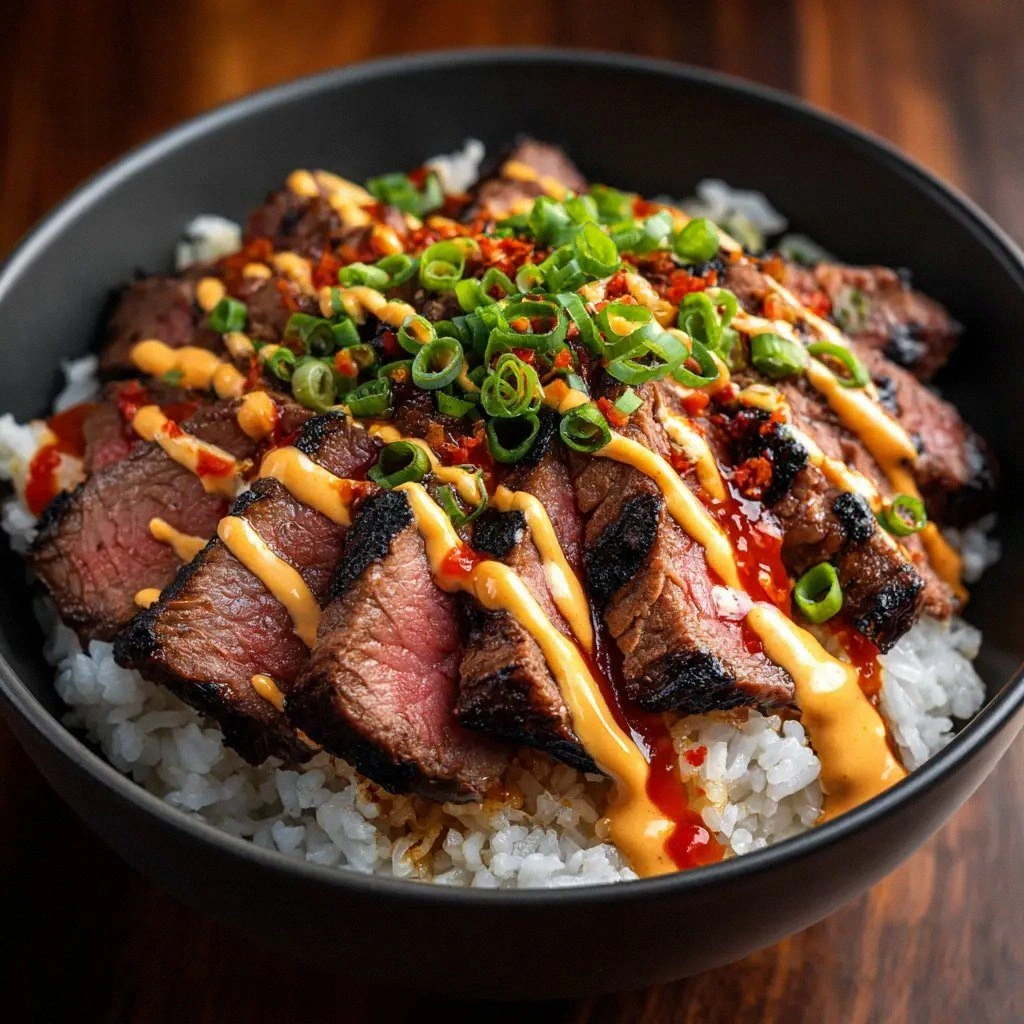
- Assemble the Bowls: Divide the rice among four bowls. Layer the seared steak on top, then scatter shredded carrots, sliced cucumber, kimchi, and green onions. Drizzle the reduced sauce over the steak, and finish with a sprinkle of sesame seeds.
- Final Touches: Give each bowl a quick stir to mix the flavors, then garnish with an extra drizzle of sesame oil and a squeeze of lime if desired. Serve immediately while everything is hot and aromatic.
That's it — you did it. But hold on, I've got a few more tricks that'll take this to another level.
Insider Tricks for Flawless Results
The Temperature Rule Nobody Follows
Most people cook steak at a single temperature, but the secret to this bowl is a two‑stage heat approach. Start at high heat for the sear to lock in juices, then lower to medium for the simmer. This ensures the steak remains tender while the sauce thickens without burning.
Why Your Nose Knows Best
Before you even taste, trust the aroma. A perfectly balanced sauce will emit a sweet, umami, and slightly smoky scent. If it smells too sharp or too sweet, adjust the gochujang or honey accordingly. Your nose is the most reliable judge of flavor balance.
The 5‑Minute Rest That Changes Everything
After searing, let the steak rest for 5 minutes before slicing. This simple step allows the juices to redistribute, ensuring each bite is moist. Skipping it often results in a dry, over‑cooked steak.
How to Keep the Rice Fluffy
After cooking, fluff the rice with a fork and let it sit covered for 5 minutes. This prevents clumping and keeps each grain separate, making the bowl more visually appealing and easier to eat.
Balancing the Heat
If you’re sensitive to spice, reduce the gochujang to ½ tablespoon, or add a splash of coconut milk to mellow the heat without sacrificing flavor. Conversely, add more gochujang for a fiery kick. The sauce is forgiving and can be tweaked to suit any palate.
Creative Twists and Variations
This recipe is a playground. Here are some of my favorite ways to switch things up:
Spicy Mushroom Edition
Sauté sliced shiitake mushrooms with a splash of sesame oil and a pinch of red pepper flakes before adding the steak. The earthy mushrooms pair beautifully with the gochujang sauce, creating a depth of flavor that’s both comforting and adventurous.
Cauliflower Rice Low‑Carb
Replace jasmine rice with cauliflower rice for a low‑carb version that still delivers on texture and flavor. The cauliflower absorbs the sauce well, and the dish remains satisfying without the extra calories.
Thai‑Inspired Twist
Swap gochujang for red curry paste and add a splash of coconut milk to the sauce. Garnish with fresh cilantro and lime wedges for a Thai‑inspired bowl that’s both exotic and familiar.
Vegan Version
Use marinated seitan or tofu instead of steak. Marinate the protein in the same sauce and sear it until golden. The tofu will absorb the flavors and provide a satisfying texture for vegans and vegetarians.
Breakfast Bowl
Serve the steak over a bed of scrambled eggs and top with a fried egg, green onions, and a drizzle of sriracha. This hearty breakfast bowl is perfect for a weekend brunch or a late‑night craving.
Kimchi‑Infused Marinade
Add a spoonful of kimchi juice to the sauce to intensify the fermented flavor profile. This tweak gives the dish a deeper umami punch and a subtle tang that complements the sweetness.
Storing and Bringing It Back to Life
Fridge Storage
Store leftovers in an airtight container in the refrigerator for up to 3 days. The sauce will thicken slightly, so reheat gently to loosen it. A quick stir in a skillet or microwave for 30 seconds will revive the flavors.
Freezer Friendly
For longer storage, keep the rice and steak separate. Freeze the rice in a single‑layer tray, then transfer to a freezer bag. The steak can be frozen in a sealed bag with a little sauce. Reheat in the microwave, adding a splash of water to keep the steak moist.
Best Reheating Method
Reheat the steak and sauce in a skillet over medium heat, adding a teaspoon of water or broth to prevent drying. The rice can be steamed in a microwave or on the stovetop with a splash of water. A tiny splash of water before reheating steams the bowl back to perfection.