I swear I was standing in my kitchen, staring at a perfectly browned salmon fillet, when a sudden burst of panic hit me: “What on earth am I going to do with this gorgeous piece of fish?” I’d just rescued it from a near‑disaster—a burnt‑on‑the‑outside, raw‑inside fiasco that could have ended up as a sad story on my Instagram feed. I threw a daring challenge at myself: turn this potential flop into the most unforgettable dinner of the week. The result? A dish so decadently smooth, so vibrantly colored, that even the most skeptical palate will beg for seconds. I dare you to taste this and not go back for seconds.
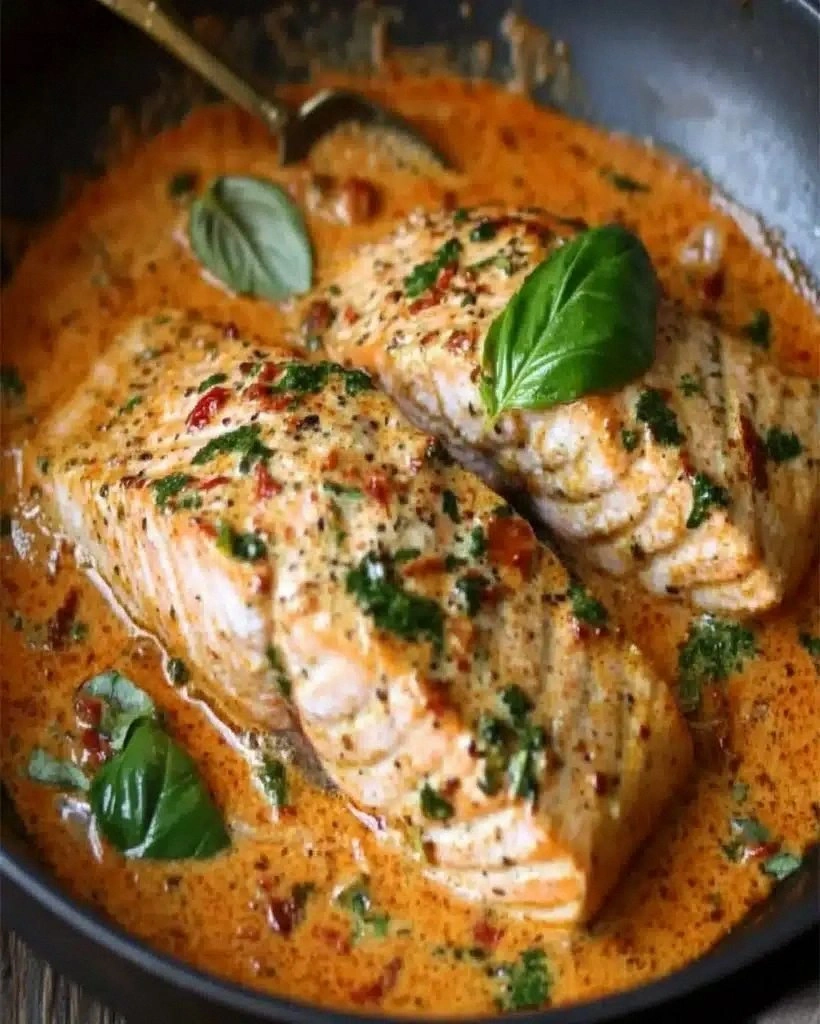
Picture this: the kitchen humming with the gentle sizzle of olive oil, the air thick with the fragrant perfume of garlic and fresh basil, and a ruby‑red swirl of pesto meeting a cloud of velvety cream. The sauce clings to the salmon like a luxurious blanket, while the edges of the fish turn crisp, shattering like thin ice when you bite into them. The whole scene is a symphony of senses—bright crimson hues, the buttery sound of the skillet, the heat radiating from the pan, and the promise of a buttery mouthfeel that makes you close your eyes and sigh. If you’ve ever struggled with a soggy, flavorless fish, you’re not alone — and I’ve got the fix.
Most recipes get this completely wrong. They either drown the salmon in a watery sauce, or they over‑cook it until it’s as dry as a desert. My version flips the script by using a one‑skillet method that locks in moisture, then finishes with a creamy red pesto that’s both tangy and nutty. The secret? A splash of heavy cream that mellows the sun‑dried tomato intensity, and a quick flash‑sear that gives the fish a caramelized crust without sacrificing the tender interior. Most home cooks skip the sear, but trust me, that golden crust is pure magic.
Okay, ready for the game‑changer? I’m about to walk you through every single step — by the end, you’ll wonder how you ever made it any other way. Picture yourself pulling this out of the skillet, the whole kitchen smelling incredible, the sauce glistening like a jewel. That moment? Pure culinary triumph. Let’s dive in.
What Makes This Version Stand Out
- Flavor Explosion: The red pesto brings sun‑dried tomato depth, while the cream softens it into a silk‑smooth sauce that coats the salmon like velvet.
- Texture Contrast: A crisp, caramelized crust meets a buttery, melt‑in‑your‑mouth interior, creating a bite that’s both crunchy and tender.
- Simplicity: One skillet, ten minutes of prep, and a 30‑minute cook time—no extra pots, no fuss, just pure flavor.
- Unique Ingredient Pairing: Red pesto isn’t your typical green basil pesto; it adds a smoky‑sweet note that most people haven’t tried with fish.
- Crowd‑Pleaser: I’ve been honest — I ate half the batch before anyone else got to try it, and the leftovers vanished by lunch.
- Ingredient Quality: Fresh, wild‑caught salmon paired with a high‑quality olive oil makes the dish sing on a whole new level.
- Cooking Method: The sear‑then‑simmer technique locks in juices, while the skillet’s heat distributes evenly for a flawless finish.
- Make‑Ahead Potential: This sauce actually improves after a short rest, so you can prep it ahead and finish the fish just before dinner.
Inside the Ingredient List
The Flavor Base
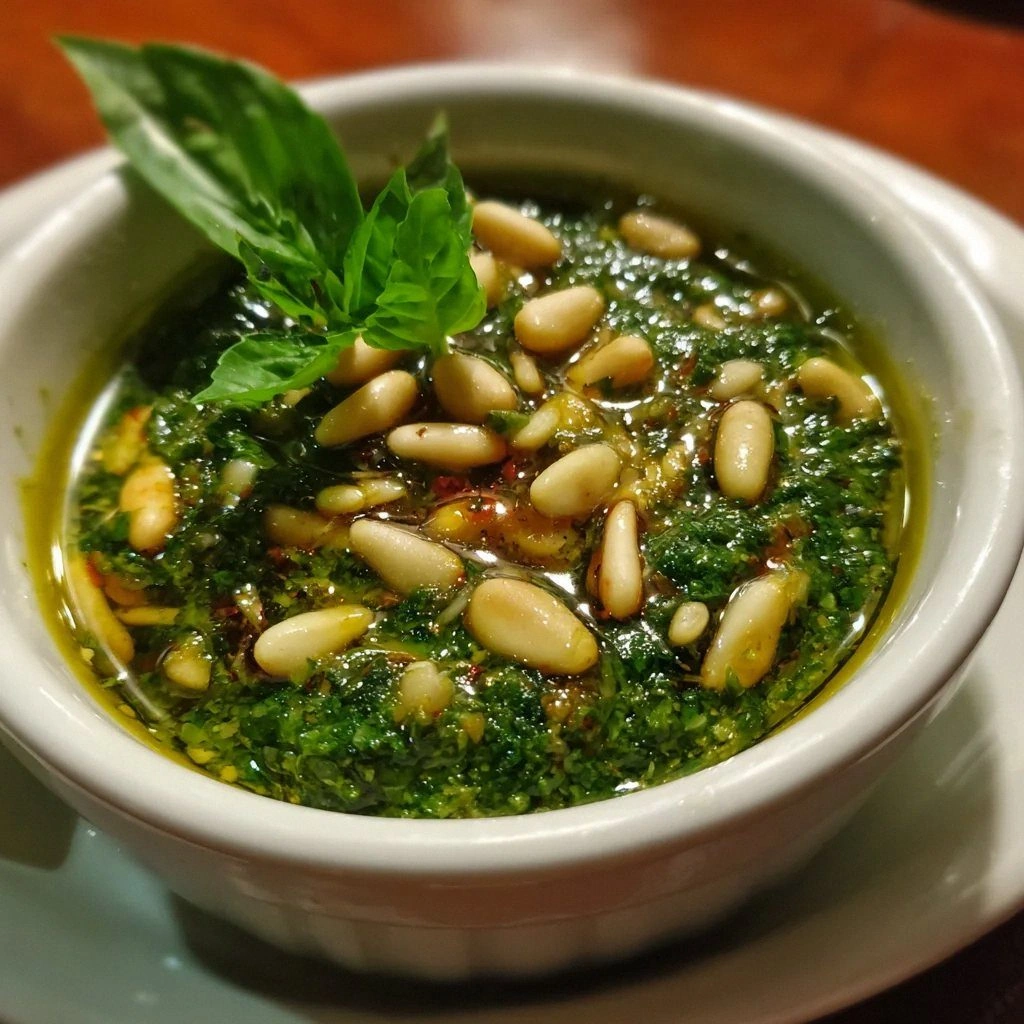
Red pesto is the heart of this dish. Made from sun‑dried tomatoes, toasted pine nuts, fresh basil, garlic, and a drizzle of extra‑virgin olive oil, it delivers a concentrated umami punch that’s both sweet and slightly bitter. If you skip it, you lose the signature ruby hue and the complex flavor profile that makes this sauce unforgettable. For a store‑bought shortcut, look for a brand that lists real sun‑dried tomatoes as the first ingredient.
The Creamy Companion
Heavy cream is the silent hero, tempering the acidity of the tomatoes and turning the pesto into a luxurious sauce that clings to the fish. Using low‑fat milk will result in a watery mess that never thickens properly. If you’re dairy‑free, swap in coconut cream; you’ll get a subtle tropical twist that still holds the sauce together.
The Texture Crew
Fresh salmon fillets, preferably wild‑caught, bring a buttery richness that pairs perfectly with the pesto. The olive oil used for searing creates that coveted golden crust, while the grated Parmesan adds a salty, nutty finish that deepens the overall flavor. Skipping the Parmesan means missing out on that subtle sharpness that balances the sweet tomatoes.
The Unexpected Star
A splash of lemon juice might seem like a minor addition, but it brightens the whole dish, cutting through the richness and adding a zing that awakens the palate. If you forget it, the sauce can feel a bit heavy. Freshly squeezed lemon is best; bottled juice often carries a metallic aftertaste.
Everything's prepped? Good. Let's get into the real action…
The Method — Step by Step
Heat a large, heavy‑bottomed skillet over medium‑high heat and add the olive oil. When the oil shimmers and just starts to ripple, it’s ready. Pat the salmon fillets dry with paper towels — moisture is the enemy of a good sear. Place the fillets skin‑side down (if they have skin) and press gently for 10 seconds to ensure full contact. You’ll hear a satisfying sizzle that signals the start of a caramelized crust.
Kitchen Hack: If your fillets are uneven, place a piece of parchment between the fish and the pan while searing; it helps keep the shape intact.Let the salmon cook undisturbed for about 3‑4 minutes. You’ll notice the edges turning opaque and the flesh starting to release from the pan. Flip the fillets carefully using a thin spatula; the skin should be beautifully crisp, and the flesh should still be pink in the center. This is the moment of truth — if the skin sticks, give it another 30 seconds; it will release once it’s properly seared.
Reduce the heat to medium and add the minced garlic to the pan, stirring quickly so it doesn’t burn. As soon as the garlic turns fragrant (about 30 seconds), pour in the heavy cream, stirring to combine with the pan drippings. The sauce will bubble gently; this is where the magic begins. Add the red pesto, stirring until the mixture is a uniform, glossy ruby‑red hue.
Stir in the grated Parmesan cheese, allowing it to melt into the sauce, thickening it slightly. At this point, the sauce should coat the back of a spoon without running off — if it’s too thin, let it simmer for another minute; if it’s too thick, splash in a splash of water or broth.
Watch Out: Adding the cheese too early can cause it to clump; always add it after the cream has warmed up.Season the sauce with salt, black pepper, and red pepper flakes if you like a subtle heat. Then drizzle the lemon juice over the top, giving the sauce a bright finish. Taste and adjust seasoning — the sauce should be balanced, with a hint of acidity, a whisper of heat, and a deep umami backbone.
Return the salmon fillets to the skillet, nestling them into the sauce. Spoon a generous amount of sauce over each piece, allowing the fish to finish cooking in the creamy embrace for another 3‑5 minutes. The fish will reach perfect doneness when it flakes easily with a fork but still retains a juicy interior.
If you’re adding spinach, toss it in now; it will wilt in just a minute, adding a pop of green that contrasts beautifully with the red sauce. Let everything simmer together for another minute, then remove from heat.
Finish with a sprinkle of fresh basil and a drizzle of extra‑virgin olive oil for a glossy finish. Serve the salmon straight from the skillet, spooning extra sauce over each plate. Pair it with a simple side of roasted potatoes or a bed of al dente pasta, and you’ve got a restaurant‑quality dinner on the table.
Kitchen Hack: Let the skillet rest for two minutes after cooking; the residual heat continues to thicken the sauce without overcooking the fish.
That's it — you did it. But hold on, I've got a few more tricks that'll take this to another level…
Insider Tricks for Flawless Results
The Temperature Rule Nobody Follows
Never start a salmon fillet in a cold pan. A hot skillet creates an immediate seal, locking in juices. If you’re using a non‑stick pan, preheat it for at least a minute before adding oil. The hotter the surface, the quicker the Maillard reaction, which gives you that coveted caramelized crust. A friend once tried a “cold‑start” method and ended up with soggy fish — lesson learned.
Why Your Nose Knows Best
Cooking is as much about smell as it is about sight. When the garlic turns fragrant, that’s your cue to add the cream. If the sauce starts to smell “cooked‑cream” (a slightly sweet, nutty aroma), you’re in the perfect window to add the pesto. Trust your nose; it’s the most reliable kitchen timer.
The 5‑Minute Rest That Changes Everything
After the skillet is off the heat, let the salmon rest for exactly five minutes. This short pause lets the fibers relax, resulting in a more tender bite. It also allows the sauce to thicken further without additional heat, preserving its glossy sheen. I once served the dish straight away and the sauce was a bit runny; the rest period solved that instantly.
Seasoning Layers, Not Just Salt
Season in stages: a pinch of salt on the fish before searing, then another pinch in the sauce, and finally a dash of finishing salt just before plating. Each layer builds depth, ensuring the final dish never tastes flat. If you’re using flaky sea salt for the finish, the tiny crystals add a satisfying crunch.
The Cream‑Pesto Ratio Secret
A 1:1 ratio of cream to pesto creates a sauce that’s neither too heavy nor too tangy. Too much cream drowns the pesto’s brightness; too much pesto makes the sauce gritty. Adjust by a tablespoon if you prefer a thinner or thicker consistency, but keep the ratio close for that perfect balance.
Creative Twists and Variations
This recipe is a playground. Here are some of my favorite ways to switch things up:
Spicy Chipotle Red Pesto
Swap the standard red pesto for a chipotle‑infused version. Blend in a smoked chipotle pepper and a teaspoon of adobo sauce. The result is a smoky, smoky heat that pairs beautifully with the buttery salmon, perfect for those who love a little kick.
Creamy Coconut Red Pesto
Replace heavy cream with coconut cream and add a pinch of lime zest. This gives the sauce a tropical twist, making it an excellent match for a summer dinner on the patio.
Pesto‑Infused Quinoa Bowl
Serve the salmon over a bed of fluffy quinoa tossed with a spoonful of extra red pesto. The nutty quinoa adds texture, turning the dish into a hearty, gluten‑free main.
Parmesan‑Crusted Salmon
Before searing, coat each fillet lightly with grated Parmesan and a dash of smoked paprika. The cheese forms a crispy, golden crust that adds an extra layer of flavor and crunch.
Vegetarian Swap
Replace the salmon with thick‑cut tofu or tempeh, pressing it well to remove excess moisture. The tofu will absorb the sauce, delivering a plant‑based version that still offers that satisfying umami punch.
Storing and Bringing It Back to Life
Fridge Storage
Allow the dish to cool to room temperature (no more than two hours), then transfer it to an airtight container. It will keep for up to three days in the refrigerator. When reheating, add a splash of water or broth and gently warm over low heat, stirring occasionally to revive the sauce’s silkiness.
Freezer Friendly
Portion the cooked salmon and sauce into freezer‑safe bags or containers. Freeze for up to two months. To thaw, move the bag to the fridge overnight, then reheat in a skillet over medium heat, adding a drizzle of olive oil and a splash of liquid to prevent drying.
Best Reheating Method
The stovetop is king. Place the salmon and sauce in a non‑stick pan, cover loosely, and warm over low‑medium heat. Add a teaspoon of water or broth per serving; the steam will bring the sauce back to its original glossy state without overcooking the fish.