I remember the night I almost ruined dinner for the whole family. I was scrambling to make a quick stir‑fry and accidentally dropped a handful of jasmine rice into the wok, turning it into a sticky, soggy mess that looked more like a rice pudding than a meal. My sister laughed, and I vowed to never let that happen again. That moment sparked a culinary obsession: finding the perfect balance of curry, rice, and texture that would make everyone ask for seconds. And then I found it.
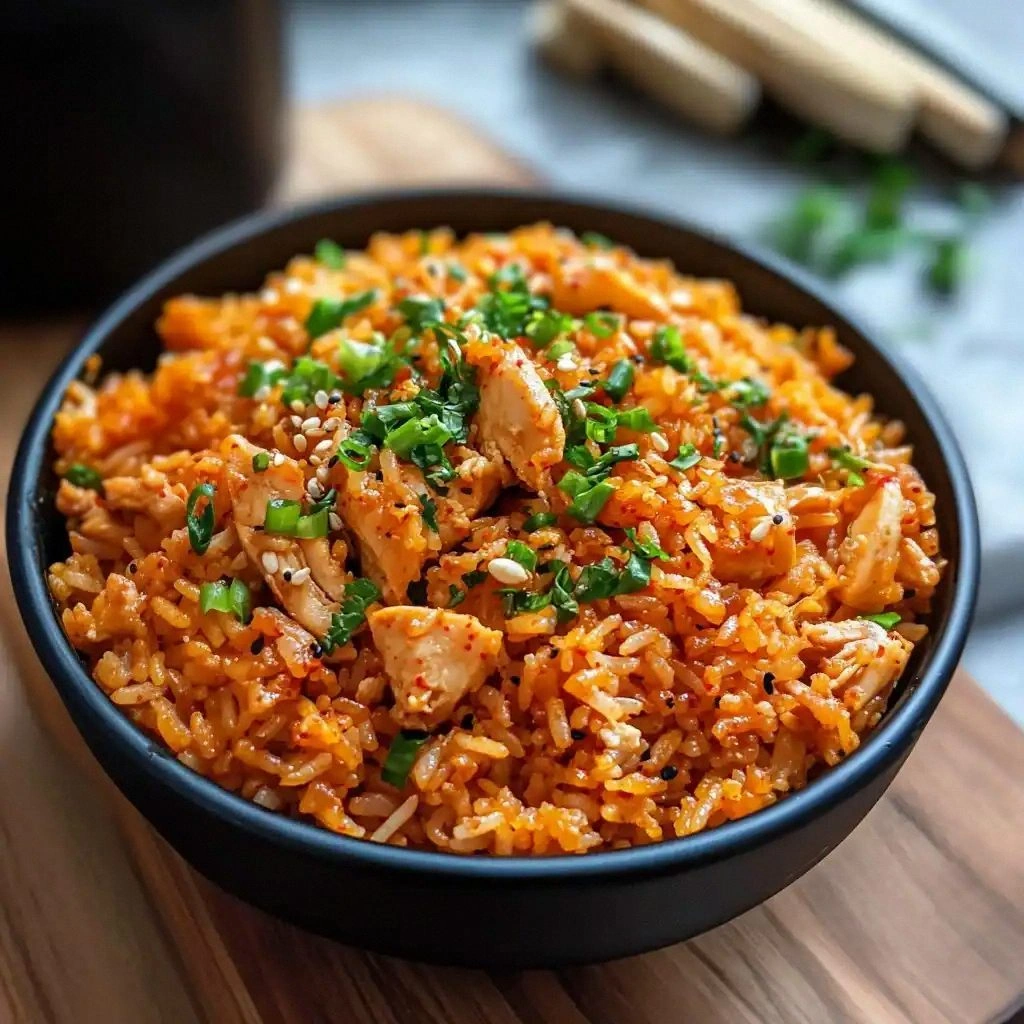
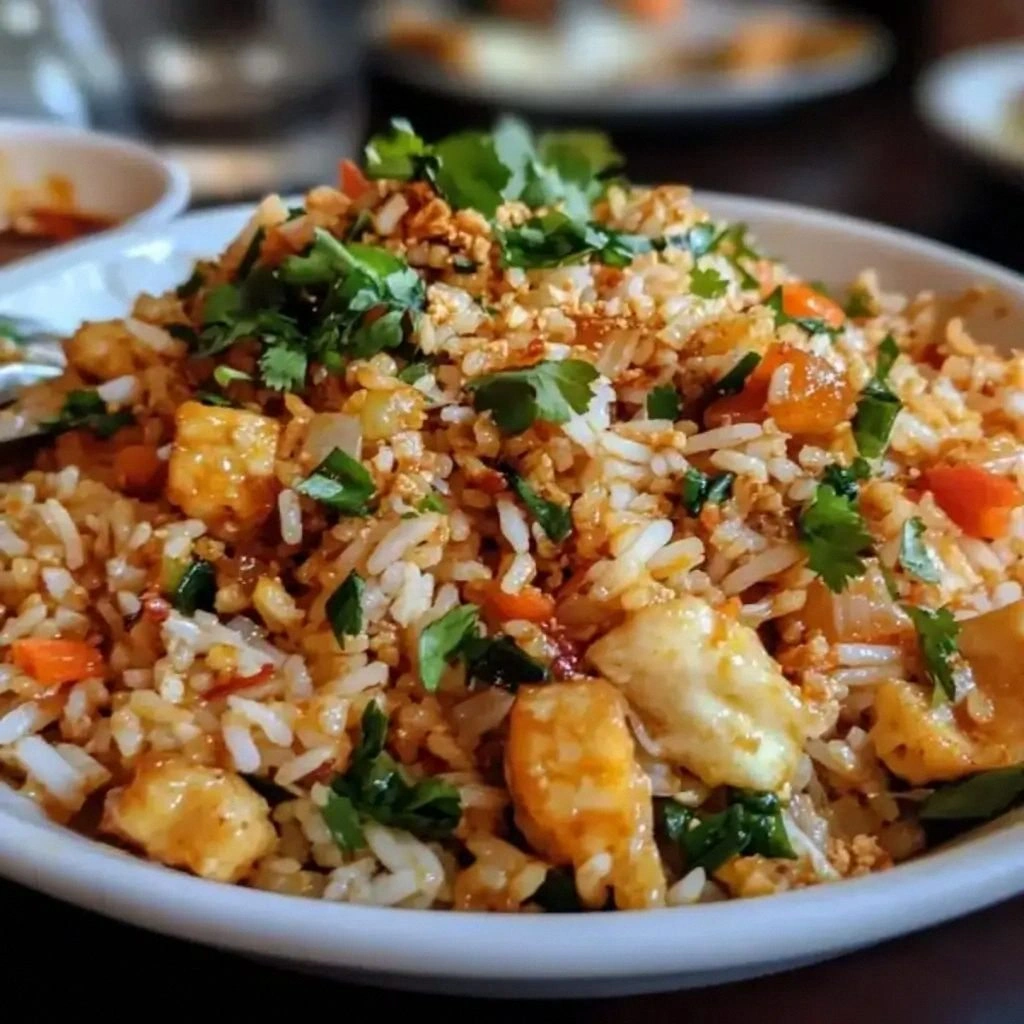
Picture this: a pan sizzling with aromatic garlic and ginger, the aroma of red curry paste swirling, and the gentle hiss of coconut milk meeting hot oil. The rice, fluffy and separated, is tossed into the mix, absorbing every nuance of the sauce. The vegetables pop with a crisp snap, while the protein—chicken or tofu—cooks to a tender finish. The dish finishes with a drizzle of lime and a sprinkle of scallions, releasing a bright, citrusy aroma that makes the whole kitchen feel like a tropical getaway.
What sets this Thai Curry Fried Rice apart from the countless variations you’ll find online is the meticulous layering of flavors and the attention to texture. I’ve refined the ratio of curry paste to coconut milk to achieve a sauce that coats the rice like velvet without drowning it. The rice is pre‑cooked and chilled, ensuring it stays separate and fluffy. I add the vegetables at just the right time to preserve their crunch, and the eggs are folded in a way that gives the dish a silky, cohesive feel. It’s hands down the best version you’ll ever make at home.
I dare you to taste this and not go back for seconds. I’ve added a secret ingredient—a splash of tamarind paste—to give it that subtle tang that makes the dish feel alive and fresh. Most recipes get this completely wrong, over‑cooking the rice or under‑seasoning the sauce. Picture yourself pulling this out of the pan, the whole kitchen smelling incredible, and seeing your family’s faces light up with pure delight. Stay with me here—this is worth it.
What Makes This Version Stand Out
- Flavor: The blend of red curry paste and coconut milk creates a creamy, aromatic base that sings with every bite. The subtle sweetness of coconut balances the heat, while the lime juice cuts through the richness.
- Texture: The rice is pre‑cooked and chilled, preventing clumping. Vegetables are added at precise moments, preserving a satisfying crunch that contrasts the silky sauce.
- Ingredient Quality: Fresh jasmine rice, real red curry paste, and freshly minced ginger make the difference between good and unforgettable.
- Ease of Prep: Each step is straightforward, with no complicated techniques. The recipe scales up or down effortlessly, making it perfect for a quick weeknight or a weekend feast.
- Crowd Appeal: Whether you’re a curry lover or a skeptic, the balanced heat and savory depth make it a hit with everyone at the table.
- Make‑Ahead Potential: The dish can be prepared ahead of time and reheated without losing flavor or texture, making it ideal for meal prep.
Alright, let’s break down exactly what goes into this masterpiece…
Inside the Ingredient List
The Flavor Base
Red curry paste is the star that brings heat and depth. It contains chilies, garlic, lemongrass, and galangal, giving the dish an unmistakable Southeast Asian profile. If you’re new to curry paste, start with a smaller amount and taste before adding more, because the heat can be intense. You can substitute it with green curry paste for a slightly greener hue and a milder peppery note.
Coconut milk is the silky companion that tempers the curry paste’s heat. It adds a subtle sweetness and a creamy mouthfeel that coats the rice without making it soggy. If you prefer a lighter version, use light coconut milk or a mixture of coconut milk and broth. The ratio of paste to milk is critical: too much milk will dilute the flavor, while too much paste will overpower the rice.
The Texture Crew
Jasmine rice is the foundation of this dish. Its fragrant, slightly sticky grains hold the sauce together while remaining fluffy. Cook the rice ahead of time, then chill it in the fridge for at least an hour—this step prevents clumping when you stir‑fry it. If you’re short on time, you can use leftover rice from the night before.
Fresh vegetables add color, crunch, and nutrition. Carrots, peas, corn, and bell pepper are classic choices that hold up well in the wok. Dice them evenly so they cook at the same rate. If you’re craving a protein boost, add diced chicken, shrimp, or tofu; each brings its own flavor profile.
Eggs are optional but highly recommended. They add richness and help bind the rice together. Beat them lightly and pour them into the pan after the aromatics have cooked, letting them scramble just enough before adding the rice. The eggs should be fluffy, not runny.
The Unexpected Star
Tamarind paste is the secret ingredient that gives this recipe its unique tang. It’s a small amount—just a teaspoon—yet it elevates the dish from ordinary to extraordinary. If you can’t find tamarind, a splash of rice vinegar or a pinch of lime zest can mimic the bright acidity.
Fish sauce provides umami and saltiness that balances the sweetness of coconut milk. Use it sparingly; too much can dominate the dish. If you’re vegetarian, replace it with soy sauce or a splash of tamari.
The Final Flourish
Lime juice adds a fresh, zesty finish that cuts through the richness of coconut milk. Squeeze it in just before serving to keep the flavor bright. Fresh scallions, toasted sesame oil, and Thai basil are optional garnishes that add aroma and visual appeal.
Sugar is a balancing agent; it softens the acidity of tamarind and the saltiness of fish sauce. A pinch is enough. Salt to taste is the last touch—adjust it after you’ve tasted the sauce to avoid over‑salting.
Everything’s prepped? Good. Let’s get into the real action…
The Method — Step by Step
- Begin by heating a tablespoon of vegetable oil in a large wok or skillet over medium‑high heat. The oil should shimmer but not smoke. Add the minced garlic and ginger, sautéing until fragrant—about 30 seconds. This is the flavor foundation; don’t rush it. A good aroma signals that the base is ready.
- Add the red curry paste to the pan. Stir it around for 15‑20 seconds, letting it bloom. The paste should darken slightly and release its oils. This step is the moment of truth—if the paste doesn’t caramelize, the sauce will taste flat.
- Pour in the coconut milk, swirling it in so the paste and milk combine into a silky sauce. The mixture should thicken a little, reaching a consistency that coats the back of a spoon. Taste and adjust: if it’s too thick, add a splash of water or broth; if too thin, let it simmer longer.
- Add the diced carrots, peas, corn, and bell pepper to the pan. Toss them in the sauce, allowing them to cook for 2‑3 minutes until they’re tender but still crisp. This step keeps the veggies from becoming mushy. Watch the color—they should brighten, signaling they’re just right.
- Push the veggies to one side of the pan and pour the beaten eggs into the empty space. Let the eggs sit for a few seconds before stirring, creating soft curds. Once the eggs start to set, mix them with the veggies, letting the flavors mingle. The eggs add body and a silky finish.
- Add the pre‑cooked jasmine rice to the pan, breaking up any clumps. Stir the rice into the sauce until it’s evenly coated. The rice should absorb the flavors but remain fluffy. This is where the dish truly comes together.
- Season with soy sauce, fish sauce, a splash of lime juice, and a pinch of sugar. Stir everything until the sauce is glossy and the rice glistens. Taste and adjust—if it needs more heat, add a pinch of chili flakes; if it’s too salty, a splash of water will balance it.
- Finish with a drizzle of toasted sesame oil and a scattering of sliced scallions. These final touches add aroma, a nutty depth, and a pop of color. Serve immediately while the rice is hot and the flavors are at their peak.
- Optional: Garnish with fresh Thai basil leaves for a fragrant, herbal note. If you’re serving guests, arrange the rice in a shallow bowl and let everyone ladle their portion. The dish is now ready to impress.
That’s it— you did it. But hold on, I’ve got a few more tricks that’ll take this to another level…
Insider Tricks for Flawless Results
The Temperature Rule Nobody Follows
Heat is the unsung hero of stir‑fry. Cooking over high heat ensures that the rice gets a slight char on the edges, giving it that coveted smoky flavor. If your stove can’t reach high heat, use a cast‑iron skillet or a wok that’s been pre‑heated. This trick makes the difference between a mediocre and a memorable dish.
Why Your Nose Knows Best
Before you add the coconut milk, take a quick sniff of the curry paste. A fresh paste will emit a sharp, almost citrusy scent. If it smells flat or dull, it’s time to replace it. Your nose is the best judge of freshness, so trust it when you’re selecting ingredients.
The 5‑Minute Rest That Changes Everything
After you’ve finished cooking, let the rice rest in the pan for five minutes with the lid off. This allows the steam to redistribute and the flavors to meld. A friend once skipped this step and ended up with unevenly seasoned rice—don’t let that happen to you.
The Perfect Balance of Sweet and Sour
The pinch of sugar and splash of lime juice create a sweet‑sour harmony that lifts the dish. Don’t be afraid to tweak the amounts to suit your palate. A little extra lime can brighten the flavor, while a touch more sugar can soften the heat.
The Secret Ingredient That Makes It Pop
A teaspoon of tamarind paste is the game‑changer. It adds a subtle tang that cuts through the richness of coconut milk. If tamarind is unavailable, rice vinegar or a splash of lime zest works as a decent substitute. This small addition elevates the dish from good to unforgettable.
Creative Twists and Variations
This recipe is a playground. Here are some of my favorite ways to switch things up:
Spicy Peanut Crunch
Add a tablespoon of creamy peanut butter and a handful of crushed peanuts to the sauce. The peanut butter gives the dish a nutty richness, while the peanuts add a satisfying crunch. Serve with a drizzle of sriracha for extra heat.
Mango Tango
Replace the peas with diced ripe mango. The sweet, juicy mango pairs beautifully with the savory curry, creating a tropical flavor profile. Finish with fresh cilantro for a bright contrast.
Seafood Splash
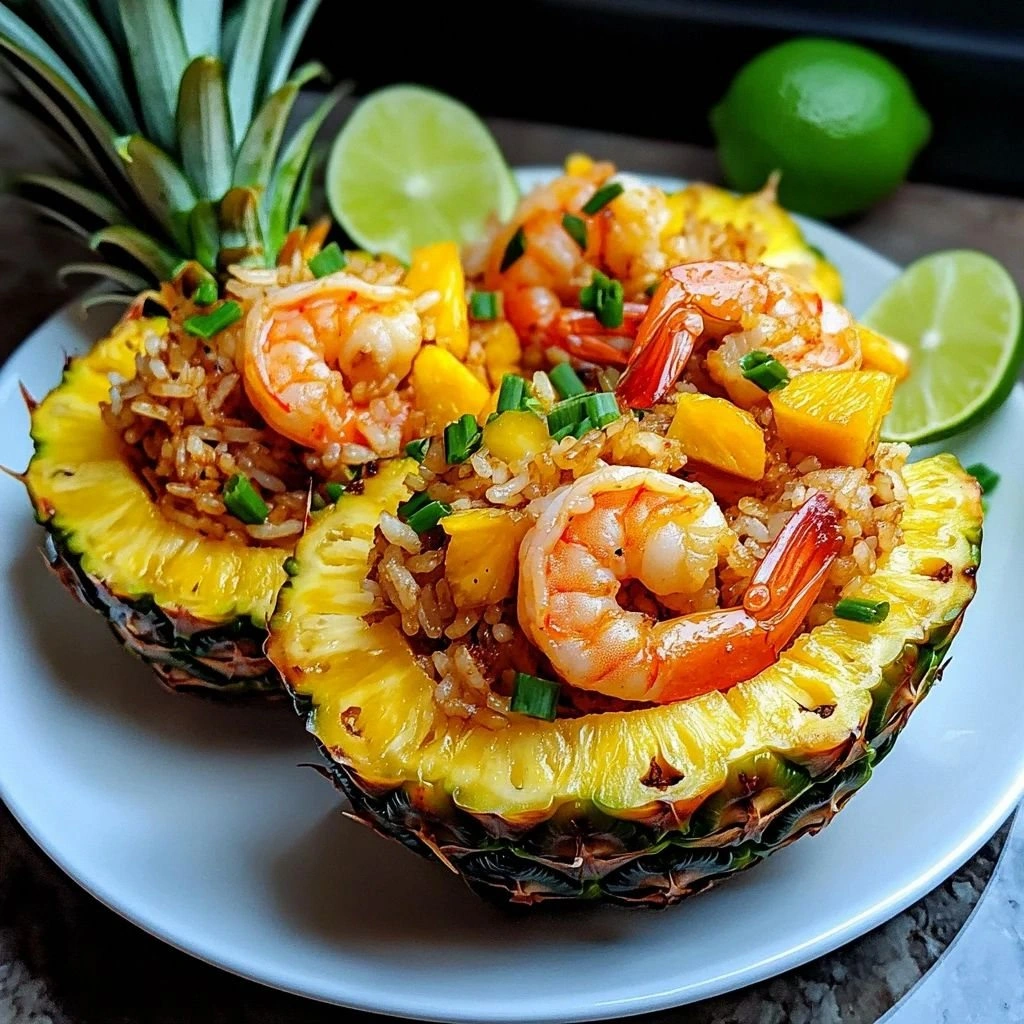
Swap the chicken for shrimp or scallops. Cook the seafood separately until just pink, then fold it into the rice at the end. The delicate flavors of the sea elevate the dish to a gourmet level.
Vegetarian Delight
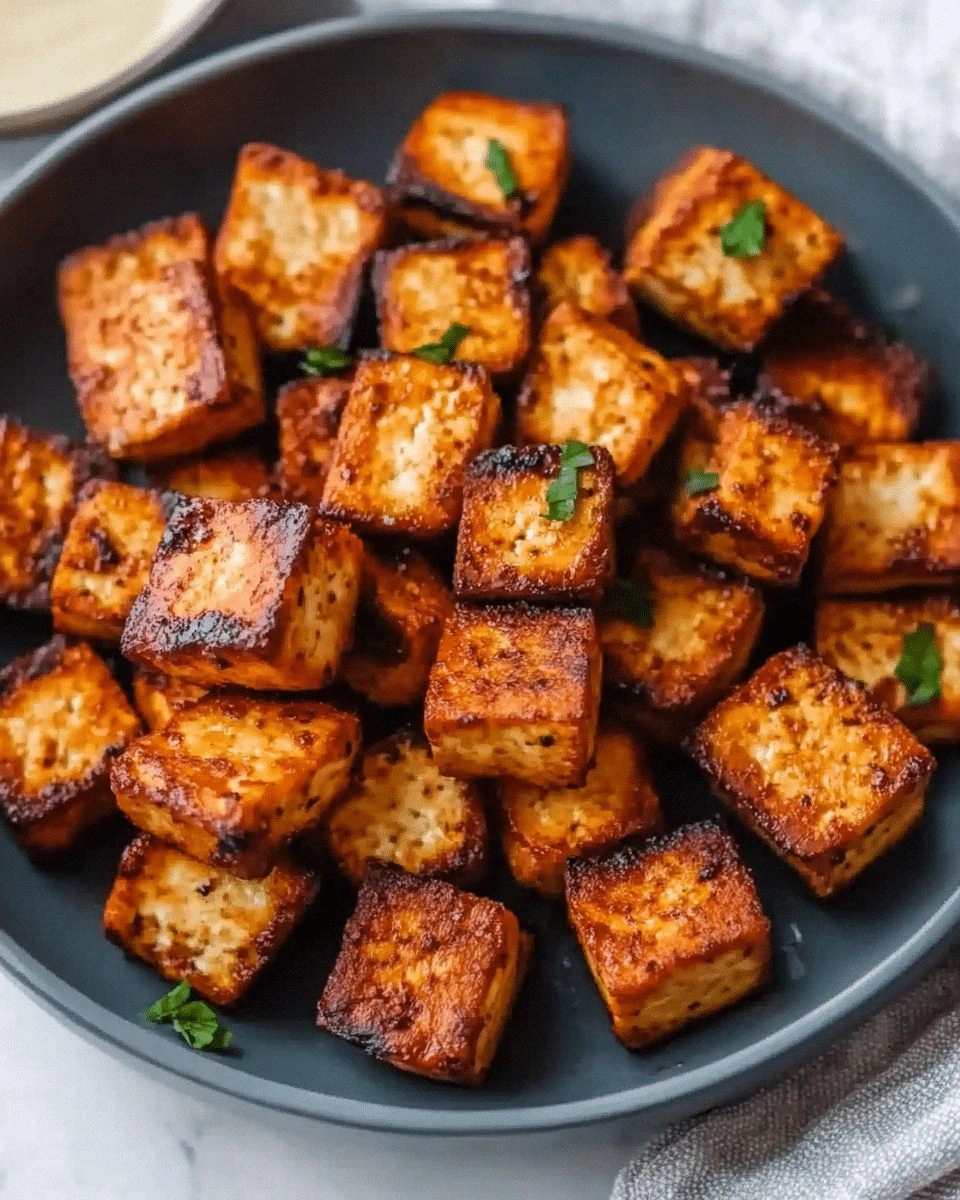
Use tofu or tempeh instead of chicken. Press the tofu to remove excess moisture, then pan‑fry until golden. The tofu absorbs the sauce beautifully, offering a protein‑rich, meatless option.
Coconut‑Creamy Variation
Increase the coconut milk to two cups and add a splash of coconut cream. The result is a richer, silkier sauce that coats the rice like velvet. Pair with a side of fresh cucumber salad to cut through the richness.
Low‑Carb Version
Swap the jasmine rice for cauliflower rice. Cook the cauliflower in the same pan, letting it absorb the sauce. The texture is slightly different, but the flavor remains intact.
Storing and Bringing It Back to Life
Fridge Storage
Cool the fried rice to room temperature, then transfer it to an airtight container. Store it in the refrigerator for up to 3 days. The rice will stay flavorful, but be careful not to overcook it when reheating.
Freezer Friendly
Pack the rice in freezer‑safe bags, removing as much air as possible. Freeze for up to 2 months. When ready to eat, thaw overnight in the fridge and reheat in a skillet with a splash of water.
Best Reheating Method
Add a tiny splash of water or broth to the pan, cover, and heat over medium heat. The steam will bring the rice back to its original fluffiness. Finish with a quick drizzle of sesame oil to restore aroma.