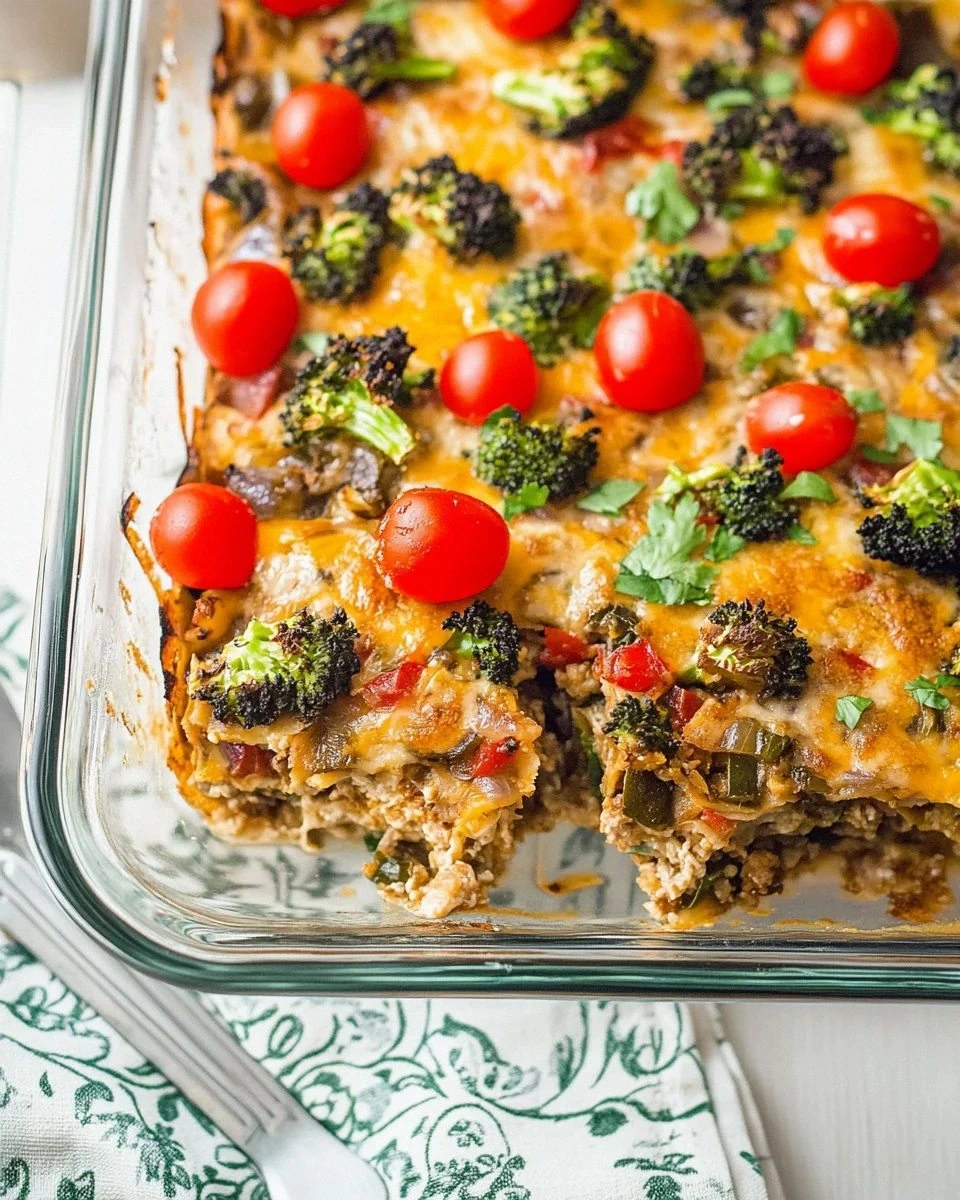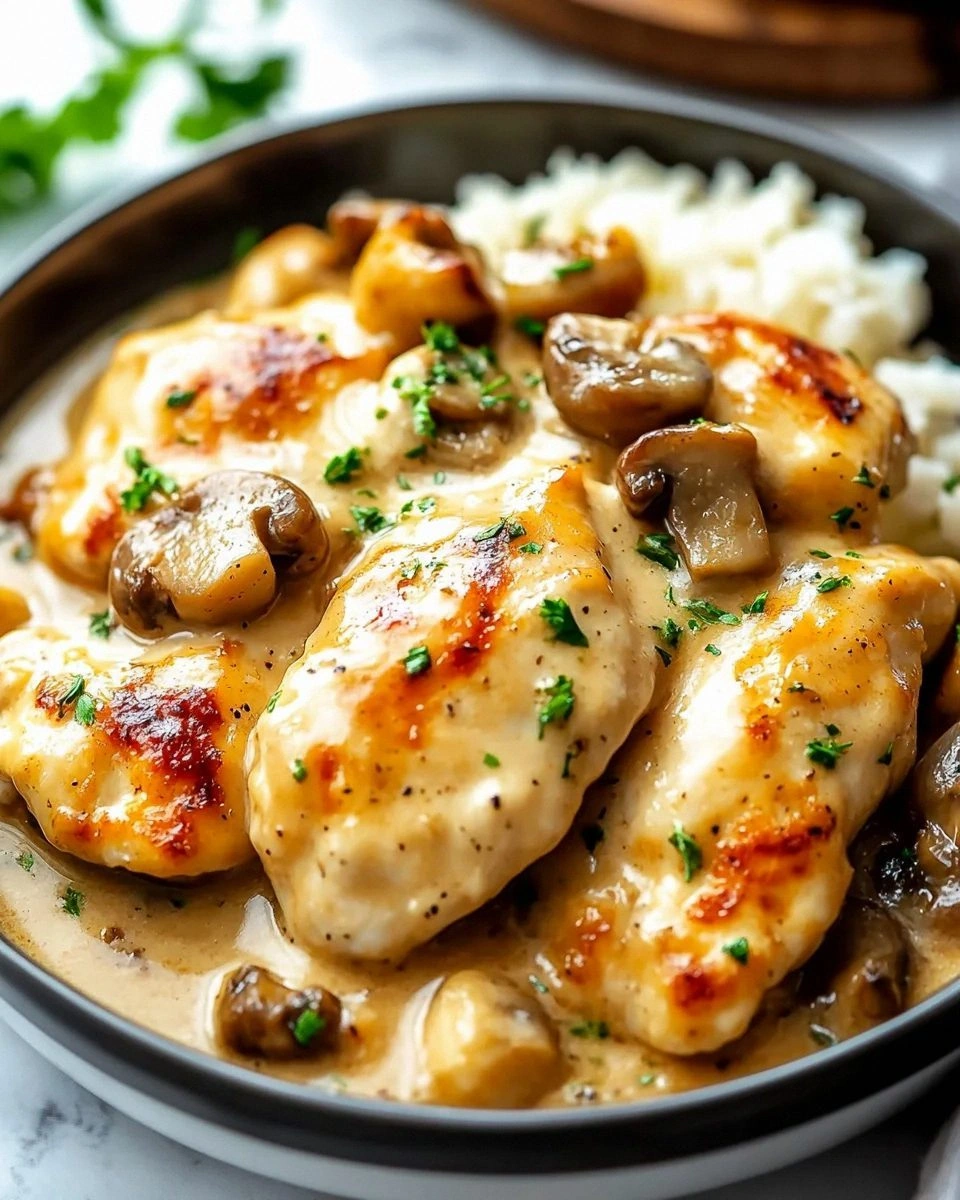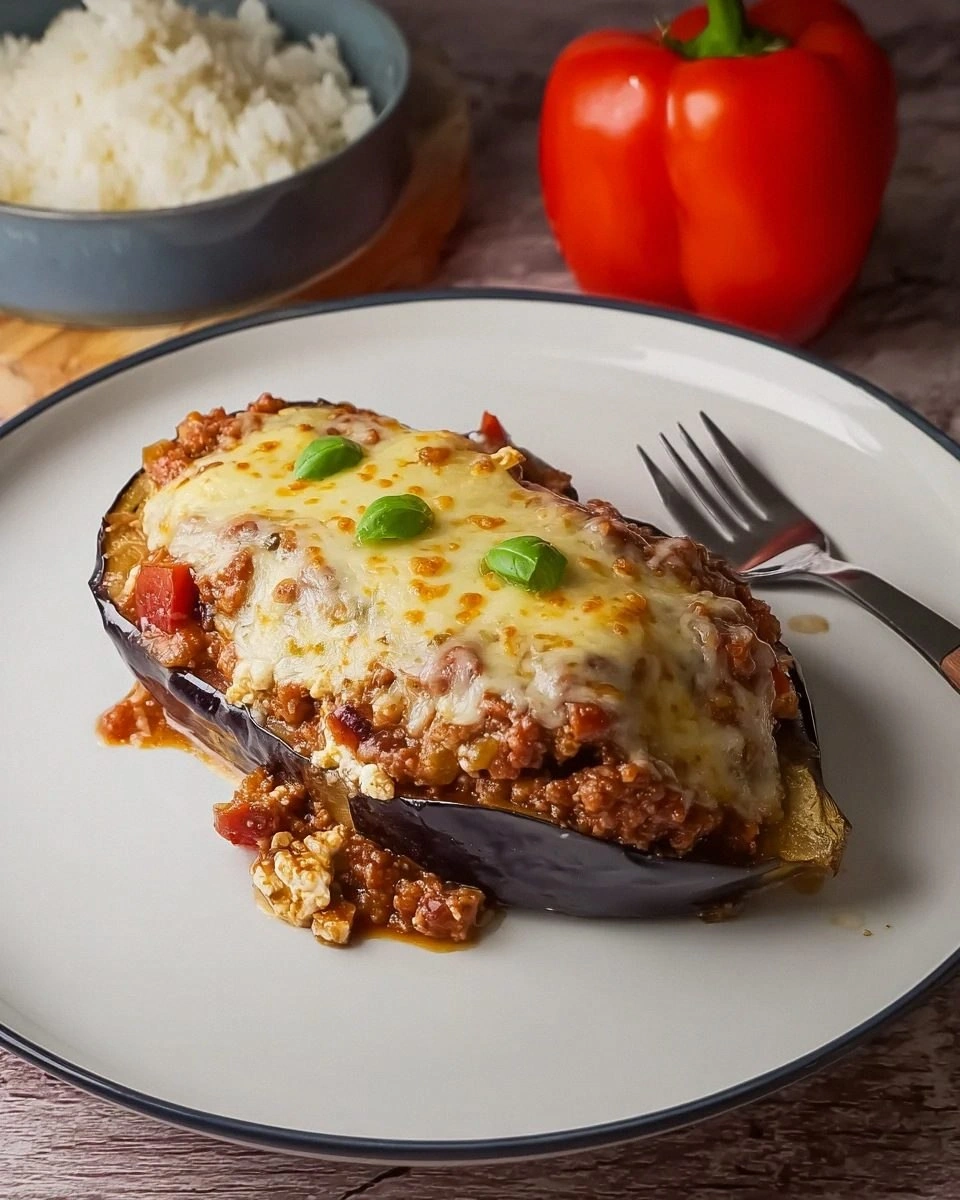
I still remember the first time I attempted eggplant lasagna like it was yesterday. My kitchen looked like a crime scene — purple vegetable peels stuck to every surface, tomato sauce splattered across my white cabinets like a Jackson Pollock painting, and the smell of burnt garlic wafting through the air. My roommate walked in, took one look at the chaos, and asked if I was conducting some sort of culinary experiment gone wrong. I was ready to swear off cooking forever, but then something magical happened. After three failed attempts and a near-meltdown, I finally cracked the code to creating what I genuinely believe is the most incredible eggplant lasagna you'll ever taste. The kind that makes grown adults close their eyes and sigh with each bite, that converts eggplant skeptics into raving fans, that you'll find yourself craving at 2 AM.
Picture this: paper-thin slices of roasted eggplant that melt like velvet on your tongue, layered with a rich, herb-packed tomato sauce that tastes like summer in Naples, all blanketed under bubbling golden cheese that stretches into Instagram-worthy strands. The edges get caramelized and crispy, creating these little corners of pure bliss that taste like someone bottled up comfort and baked it until it was irresistible. I dare you to taste this and not go back for seconds — actually, I dare you to even wait five minutes before diving in for another helping. I've seen self-proclaimed lasagna purists who swear by traditional noodles take one bite and immediately ask for the recipe, their eyes wide with disbelief that something without pasta could taste this outrageously good.
Most recipes get eggplant lasagna completely wrong, treating the eggplant like an afterthought instead of the star it deserves to be. They'll tell you to just slice and layer it raw, which results in a watery, rubbery mess that tastes like disappointment and soggy cardboard. Here's what actually works: roasting the eggplant until it develops these gorgeous caramelized edges, creating a texture that's both tender and substantial enough to stand up to the other layers. The secret lies in the preparation — salt the slices generously and let them weep out their bitter juices, then roast them until they're golden and concentrated with flavor. This extra step transforms the eggplant from a mushy placeholder into something that makes you wonder why you ever bothered with regular lasagna noodles in the first place.
Let me walk you through every single step — by the end, you'll wonder how you ever made it any other way. This isn't just another recipe; it's a complete game-changer that'll have your dinner guests fighting over the corner pieces and asking for your secret. The best part? Once you master this technique, you'll never look at eggplant the same way again. Okay, ready for the game-changer?
What Makes This Version Stand Out
This isn't your average eggplant lasagna, and I'm not just saying that because I'm biased (though I totally am). After testing dozens of variations and eating more eggplant than any human reasonably should, I've discovered the winning combination that'll make you want to frame this recipe. Every element has been carefully crafted to create the perfect balance of flavors and textures that'll have you questioning why you ever made lasagna any other way. The magic happens when you combine the right techniques with quality ingredients, creating something that's greater than the sum of its parts.
- Velvet-Roasted Eggplant: Instead of sad, soggy vegetable layers, we're roasting the eggplant until it develops these incredible caramelized edges that taste like vegetable candy. The transformation from raw to roasted is pure kitchen alchemy — what starts as spongy purple discs becomes silky, rich slices that melt in your mouth and absorb all the herby tomato goodness.
- Triple-Herb Tomato Sauce: Most tomato sauces taste flat and one-dimensional, but we're building layers of flavor with fresh basil, oregano, and a secret ingredient that makes people ask "what IS that amazing flavor?" (it's fennel seeds, but don't tell anyone). The sauce simmers until it's thick enough to coat the back of a spoon, creating a rich base that ties everything together.
- The Cheese Strategy: Forget just dumping shredded cheese on top — we're using a strategic combination of fresh mozzarella for the perfect melt, aged Parmesan for that umami punch, and ricotta mixed with lemon zest and nutmeg that tastes like clouds made of dairy. Each cheese plays a specific role in creating the ultimate texture and flavor profile.
- Make-Ahead Magic: This lasagna actually gets BETTER after a night in the fridge, making it perfect for dinner parties or meal prep Sundays. The flavors meld together like they've been best friends for years, and it cuts cleaner when it's had time to set. Future you will thank present you for thinking ahead.
- Texture Play: Crispy edges meet creamy centers, tender eggplant meets gooey cheese, fresh herbs meet slow-cooked sauce — every bite is a study in contrasts that keeps your palate interested from first forkful to last. It's like a symphony where every instrument knows exactly when to shine.
- Crowd-Pleasing Power: I've served this to die-hard meat lovers who claimed they could never enjoy a vegetarian lasagna, watched them polish off seconds, then sheepishly ask for the recipe. It's that good. Even my Italian grandmother, who treats recipe suggestions like personal attacks, asked for seconds.
Alright, let's break down exactly what goes into this masterpiece, because understanding your ingredients is half the battle in creating something truly spectacular.
Inside the Ingredient List
Great cooking starts with understanding what each ingredient brings to the party, and this recipe is like the Avengers of the vegetable world — every component has a superpower that contributes to saving dinner. The beauty of this dish lies not just in the quality of individual ingredients, but in how they interact with each other to create something that tastes far more complex than the sum of its parts. Once you understand the role each player performs, you'll never look at an ingredient list the same way again.
The Flavor Foundation
The eggplant is obviously the star here, but not all eggplants are created equal when it comes to lasagna-making. Look for medium-sized ones that feel heavy for their size with smooth, shiny skin that's free from blemishes or soft spots. The smaller varieties tend to have fewer seeds and less bitterness, which means better flavor and texture after roasting. When you press gently on the skin, it should spring back rather than leaving an indentation — that's how you know you've found a fresh one that'll taste like summer rather than disappointment.
Your olive oil matters more than you think, and this is where you want to break out the good stuff. A robust, peppery extra-virgin olive oil will add depth to the roasted eggplant that you simply can't get from the generic grocery store brand. We're talking about the kind that makes you cough slightly when you taste it straight — that's how you know it's packed with those healthful polyphenols that taste like liquid sunshine. The oil helps the eggplant caramelize properly, creating those gorgeous golden edges that taste like vegetable candy.
Garlic is your aromatic backbone, but timing is everything. We're adding it at two different stages — first to infuse the olive oil for roasting, then fresh into the sauce for a bright, punchy finish. The roasted garlic becomes sweet and mellow, almost nutty in flavor, while the fresh garlic keeps the sauce vibrant and alive. Skip either addition and you'll miss out on the full spectrum of garlic's flavor potential.
The Texture Crew
Mozzarella is where most people go wrong — they grab the pre-shredded stuff that comes coated in cellulose to prevent clumping, which also prevents it from melting properly. Buy fresh mozzarella packed in water, tear it into irregular pieces, and you'll be rewarded with those Instagram-worthy cheese pulls that make people weak in the knees. The irregular shapes create little pockets of molten cheese that distribute throughout the lasagna like buried treasure.
Ricotta gets a bad rap for being bland, but that's because most people don't know the secret to making it sing. We'll whip it with lemon zest, which brightens everything up and makes the cheese taste fresher and lighter. A pinch of nutmeg adds warmth and complexity that makes people ask what your secret ingredient is. The result is a filling that's cloud-like and luxurious rather than heavy and pasty.
Parmesan cheese is your umami bomb, adding that savory depth that makes people keep eating long after they're full. Grate it fresh — the pre-grated stuff tastes like sawdust in comparison. We're using it in two ways: mixed into the ricotta for flavor throughout, and sprinkled on top for that golden, crispy crust that tastes like the best part of a grilled cheese sandwich.
The Unexpected Star
Fennel seeds might seem like an odd addition to Italian food, but they're the secret weapon that makes this sauce taste authentic rather than generic. They add a subtle sweetness and that unmistakable flavor that makes you think of Italian grandmothers and Sunday dinners. Toast them briefly in a dry pan until they smell like licorice and sunshine, then grind them coarsely — this releases their essential oils and maximizes their impact.
Fresh basil goes in at the very end of cooking the sauce, never at the beginning. This preserves its bright, peppery flavor that tastes like summer in leaf form. The difference between fresh and dried basil is like the difference between a live concert and a tinny recording — technically the same song, but worlds apart in experience. We're using both the leaves and the stems, because the stems have concentrated flavor and add texture to the sauce.
The Final Flourish
Red wine in the sauce isn't just for drinking while you cook (though that's definitely happening too). It adds acidity and complexity that balances the sweetness of the tomatoes, creating a sauce that tastes like it's been simmering all day even if you only had an hour. Use something you'd actually drink — if it doesn't taste good in your glass, it won't taste good in your food.
Crushed red pepper flakes give just enough heat to keep things interesting without overwhelming the other flavors. It's like adding a bass line to a song — you might not consciously notice it, but you'd miss it if it were gone. The heat blooms as the sauce simmers, creating a gentle warmth that builds with each bite rather than hitting you over the head with spice.
Everything's prepped? Good. Let's get into the real action and turn these humble ingredients into something worthy of a standing ovation.
The Method — Step by Step
- Start by slicing your eggplants lengthwise into 1/4-inch thick planks — this thickness strikes the perfect balance between structural integrity and quick roasting. Lay them out on kitchen towels and shower them generously with salt, more than feels comfortable. This is the moment of truth where you have to trust the process even though it looks like you're ruining perfectly good vegetables. Let them sit for 30 minutes while you prep everything else, and watch as they start to weep bitter tears — literally. The salt draws out excess moisture and any lingering bitterness, transforming the eggplant from potentially spongy to absolutely sublime.
- While your eggplant is having its therapeutic salt session, crank your oven to 425°F and position racks in the upper and lower thirds. This temperature is hot enough to caramelize the eggplant edges but not so hot that they burn before cooking through. Line two baking sheets with parchment paper — this prevents sticking and makes cleanup easier than convincing yourself to do dishes later. Mix up your roasting oil: combine olive oil with minced garlic, salt, pepper, and a whisper of red pepper flakes. The garlic will infuse the oil, creating a flavor bomb that seasons the eggplant from the outside in.
- Rinse the salt off your eggplant slices and squeeze them gently between kitchen towels — I mean really squeeze, like you're trying to win a strength contest. This step is crucial because excess moisture is the enemy of caramelization. Brush both sides of each slice with your garlicky oil, making sure to get those edges where the best caramelization happens. Arrange them in a single layer with space between each slice — overcrowding leads to steaming rather than roasting, and we want those gorgeous golden edges that taste like vegetable candy.
- Slide your trays into the oven and set a timer for 12 minutes — don't walk away from the kitchen here because this next part happens fast. After 12 minutes, flip each slice individually (yes, it's tedious, but this is what separates good from legendary) and rotate your pans between racks for even cooking. Return to the oven for another 8-10 minutes until the edges are deep golden and the centers look like they've been kissed by the sun. The smell wafting through your kitchen right now? That's the smell of vegetables transforming into something that'll make people question everything they thought they knew about healthy food.
- While your eggplant roasts, start the sauce by heating olive oil in a heavy-bottomed pot over medium heat. Add finely chopped onions and cook until they're translucent and starting to turn golden around the edges — this takes about 8 minutes and builds the flavor foundation. Add garlic and cook for just 30 seconds until fragrant, then pour in crushed tomatoes, tomato paste, and your red wine. The wine will sizzle dramatically and create a cloud of aromatic steam that smells like an Italian vacation. Stir in your herbs, fennel seeds, salt, and a pinch of sugar to balance the acidity.
- Reduce the heat to low and let your sauce simmer gently while you prep the cheese mixture. In a bowl, combine ricotta with half the Parmesan, lemon zest, nutmeg, salt, and pepper. Whip it with a fork until it's light and fluffy — this incorporates air and prevents the heavy, pasty texture that makes people hate ricotta. Taste it and adjust seasoning; it should taste bright and fresh like spring air. Set aside about 1/3 of your mozzarella for the top layer, and tear the rest into irregular pieces that'll create those beautiful cheese pockets throughout the lasagna.
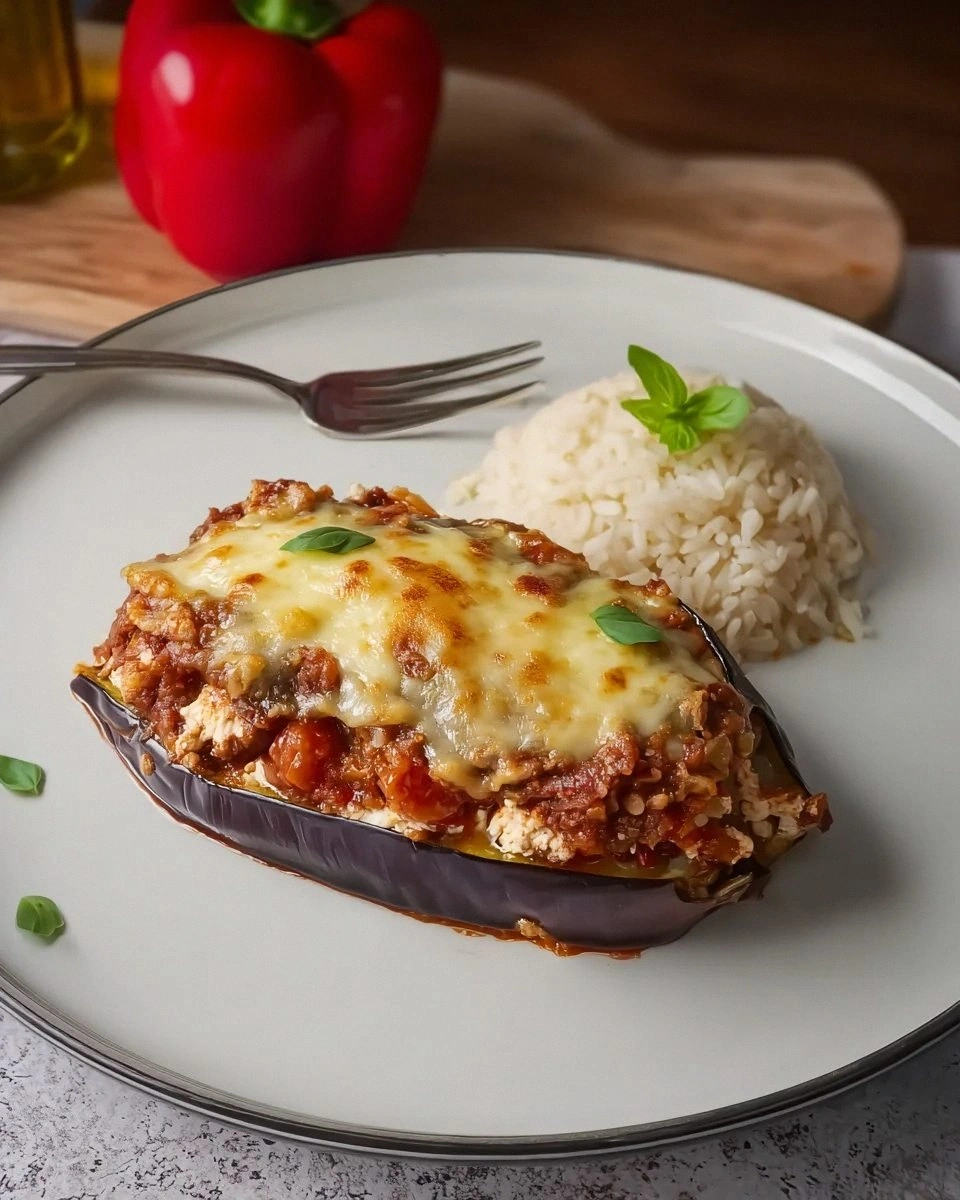
That's it — you did it. But hold on, I've got a few more tricks that'll take this to another level and ensure you nail it every single time.
Insider Tricks for Flawless Results
After making this lasagna more times than I care to admit (my neighbors have started asking if I own stock in eggplant farms), I've discovered some game-changing techniques that separate good home cooks from legendary ones. These aren't the kind of tips you'll find in most cookbooks — they're the hard-won secrets that come from obsessive testing, embarrassing failures, and moments of pure culinary inspiration. Master these and you'll be turning out lasagna that rivals your favorite Italian restaurant, right in your own kitchen.
The Temperature Rule Nobody Follows
Here's what separates restaurant-quality results from home cooking disasters: let your cheese come to room temperature before assembly. Cold cheese straight from the fridge doesn't melt evenly, creating those sad, rubbery pockets that taste like disappointment. I set mine out 30 minutes before cooking, and the difference is dramatic. The mozzarella melts into those perfect, Instagram-worthy strings instead of clumping together like a dairy rubber band. Your ricotta will incorporate air better when it's not ice-cold, creating a lighter, fluffier texture that tastes like clouds made of cheese. This one simple step transforms your lasagna from amateur hour to professional grade.
Why Your Nose Knows Best
Stop relying on timers alone — your nose is the most underutilized tool in your kitchen arsenal. When the sauce is perfectly reduced, you'll smell it before you see it — the aroma intensifies and becomes almost sweet, like tomatoes that have been kissed by the Italian sun. The garlic should smell mellow and nutty, never sharp or acrid. When your lasagna is approaching doneness, the cheese will start to smell like the best grilled cheese sandwich you've ever had, all nutty and golden and irresistible. Trust these olfactory clues because they're more accurate than any recipe timing. I've had lasagna that needed five more minutes despite the timer going off, all because the cheese hadn't reached that perfect golden state that makes angels sing.
The 5-Minute Rest That Changes Everything
I know you're tempted to dive right in — I am too, every single time — but those five minutes of patience will reward you in ways you can't imagine. The cheese sets slightly, making clean cuts that showcase those gorgeous layers. The sauce thickens as it cools, preventing the dreaded lasagna slide where everything oozes off your spatula onto the plate in a sad, soupy mess. The flavors actually intensify as they have a moment to meld together, creating that perfect harmony that makes people close their eyes and sigh. Use this time to open another bottle of wine, set the table properly, and build anticipation for what's about to be the best vegetarian meal of your life.
The Seasoning Sweet Spot
Here's a confession: I used to under-season my cheese mixture because I was afraid of over-salting. Big mistake. The eggplant, ricotta, and mozzarella all need proper seasoning to shine, and they're getting layered with sauce that also needs to pop. Taste each component individually and season aggressively — the flavors will mellow as they bake together. Your cheese mixture should taste slightly over-seasoned on its own, and your sauce should make you want to eat it with a spoon. Under-seasoned lasagna tastes like sadness and wasted potential, while properly seasoned lasagna makes people ask what your secret is. The lemon zest in the ricotta isn't just for brightness — it helps balance the richness and makes the cheese taste fresher and lighter.
The Make-Ahead Master Plan
This lasagna is actually better when you make it ahead, and here's why: the flavors have time to meld and marry in a way that can't happen in a single cooking session. The cheese firms up slightly, making cleaner slices that showcase those gorgeous layers. You can assemble it completely, cover tightly, and refrigerate for up to two days before baking — just add 15 minutes to the covered baking time. Or bake it completely, refrigerate, and reheat individual portions as needed throughout the week. The edges get even more caramelized upon reheating, creating crispy corners that taste like someone figured out how to make vegetables into candy. Future you will thank present you for this level of planning, especially on busy weeknights when you want comfort food but don't want to cook.
Creative Twists and Variations
This recipe is a playground, and once you've mastered the original, you'll want to explore all the delicious possibilities. The basic technique — roasting vegetables until they're concentrated with flavor, then layering them with cheese and sauce — is endlessly adaptable to whatever's in season or whatever you're craving. I've made versions that taste like different regions of Italy, versions that sneak in extra vegetables for picky eaters, and versions that feel indulgent enough for special occasions. Here are some of my favorite ways to switch things up, each one tested and approved by my toughest critics (friends who aren't afraid to tell me when something tastes terrible).
The Mediterranean Vacation
Swap the tomato sauce for a mixture of ricotta, lemon zest, and fresh herbs like dill and mint. Add layers of roasted red peppers, artichoke hearts, and Kalamata olives between the eggplant. Use feta instead of mozzarella for that tangy, salty bite that transports you straight to a Greek island. The lemon brightens everything up and makes the whole dish taste like sunshine and ocean breezes. Top with fresh oregano and a drizzle of your best olive oil just before serving. This version tastes like you've been transported to a seaside taverna where the vegetables are always perfectly ripe and the cheese comes from goats that graze on wild herbs.
The Protein-Packed Powerhouse
Add layers of cooked lentils seasoned with garlic and herbs between the eggplant slices. They add a meaty texture and tons of protein, making this version substantial enough to satisfy even the most dedicated carnivores. Mix some of the lentils into the sauce for extra body and nutrition. You can also add a layer of sautéed mushrooms for that umami depth that makes people swear there must be meat in here somewhere. This is the version I make when I need to impress my bodybuilder friends who think vegetarian food can't be filling. They're always shocked when they learn it's completely plant-based and has more protein than a steak.
The Winter Comfort Version
Add layers of roasted butternut squash and sage to the traditional eggplant, creating a lasagna that tastes like autumn in every bite. The sweetness of the squash plays beautifully against the savory cheese and herbs. Use a béchamel sauce instead of tomato for a richer, more indulgent version that feels like wearing a cashmere sweater. Add some toasted pine nuts between layers for crunch and that nutty flavor that makes everything taste more expensive. This version is perfect for holidays and dinner parties when you want something that looks impressive but can be made ahead.
The Spicy Arrabbiata Adventure
Turn up the heat by adding Calabrian chilies to your tomato sauce and using spicy Italian sausage (or plant-based sausage) crumbled between layers. The eggplant's creamy texture cools things down, creating a perfect balance of hot and cool, spicy and creamy. Add some fresh basil at the end for brightness, and use provolone along with the mozzarella for extra melty, stretchy cheese action. This version is for those nights when you want comfort food with a kick, something that'll warm you up from the inside out and make your taste buds dance.
The Cheesecake Factory Copycat
Make individual portions in ramekins for a restaurant-style presentation that'll impress dinner guests. Layer the components in mini cocottes or small baking dishes, creating personal lasagnas that look like they came from a fancy restaurant. Top each one with a different cheese combination — one with truffle oil, one with herbs, one with sun-dried tomatoes. They're perfect for dinner parties because everyone gets their own, and you can customize them for different dietary needs without making multiple full-sized lasagnas.
The Breakfast Lasagna Remix
Leftover roasted eggplant gets new life when layered with scrambled eggs, cheese, and a light tomato sauce for a breakfast casserole that'll make weekend mornings legendary. Add some crispy bacon or sausage if you eat meat, or keep it vegetarian with some sautéed spinach and mushrooms. Use fontina cheese for that perfect breakfast melt, and serve it with crusty bread for sopping up all the goodness. This is hangover food at its finest, or the perfect brunch dish when you want something impressive but don't want to stand over a stove making individual omelets.
Storing and Bringing It Back to Life
Fridge Storage
Here's where most people go wrong — they wrap their lasagna while it's still warm, creating a steamy environment that turns the top layer into a sad, soggy mess. Let it cool completely to room temperature first, then cover tightly with plastic wrap or transfer to an airtight container. It'll keep for up to 5 days in the refrigerator, though honestly, it's never lasted that long in my house. The flavors actually improve after a day or two as everything melds together into harmonious deliciousness. Store individual portions in separate containers for easy grab-and-go lunches that'll make your coworkers jealous when they smell it reheating in the office microwave.
Freezer Friendly
This lasagna freezes beautifully, making it perfect for meal prep or those nights when you want comfort food but don't want to cook. Cut it into individual portions before freezing — they defrost faster and you can pull out exactly how much you need. Wrap each piece tightly in plastic wrap, then foil, and store in freezer bags with the date clearly labeled. They'll keep for up to 3 months, though they're usually gone within a month because you'll find excuses to eat them. Thaw overnight in the refrigerator for best results, or defrost in the microwave if you're impatient (we've all been there). The cheese might separate slightly upon thawing, but a quick stir and it'll come back together like nothing happened.
Best Reheating Method
The key to reheating lasagna without turning it into a rubbery, dried-out disappointment is adding moisture back into the equation. Add a splash of water or tomato sauce to the bottom of your baking dish, cover with foil, and reheat at 350°F until heated through. The steam created by the water helps rehydrate the cheese and prevents it from becoming tough and chewy. For individual portions, the microwave works fine — just cover with a damp paper towel and heat in 30-second bursts, checking frequently. Add a tiny splash of water before reheating — it steams back to perfection and tastes almost as good as fresh. The edges might even get crispier than the first time around, which is honestly a bonus that makes leftover lasagna sometimes better than fresh.