I was standing in my kitchen at midnight, half‑asleep, when a friend texted me a dare: “Make the Crumbl sugar cookie that makes people line up at your door.” I laughed, grabbed the butter, and thought, I’m about to ruin my sleep and my diet. The next morning, the whole apartment smelled like a bakery‑floor after a fresh‑batch delivery, and I swear the whole building could hear the faint “ding!” of the oven timer. That moment was the catalyst for the most addictive version of the classic sugar cookie you’ll ever taste, and trust me, it’s not just a cookie—it’s an experience.
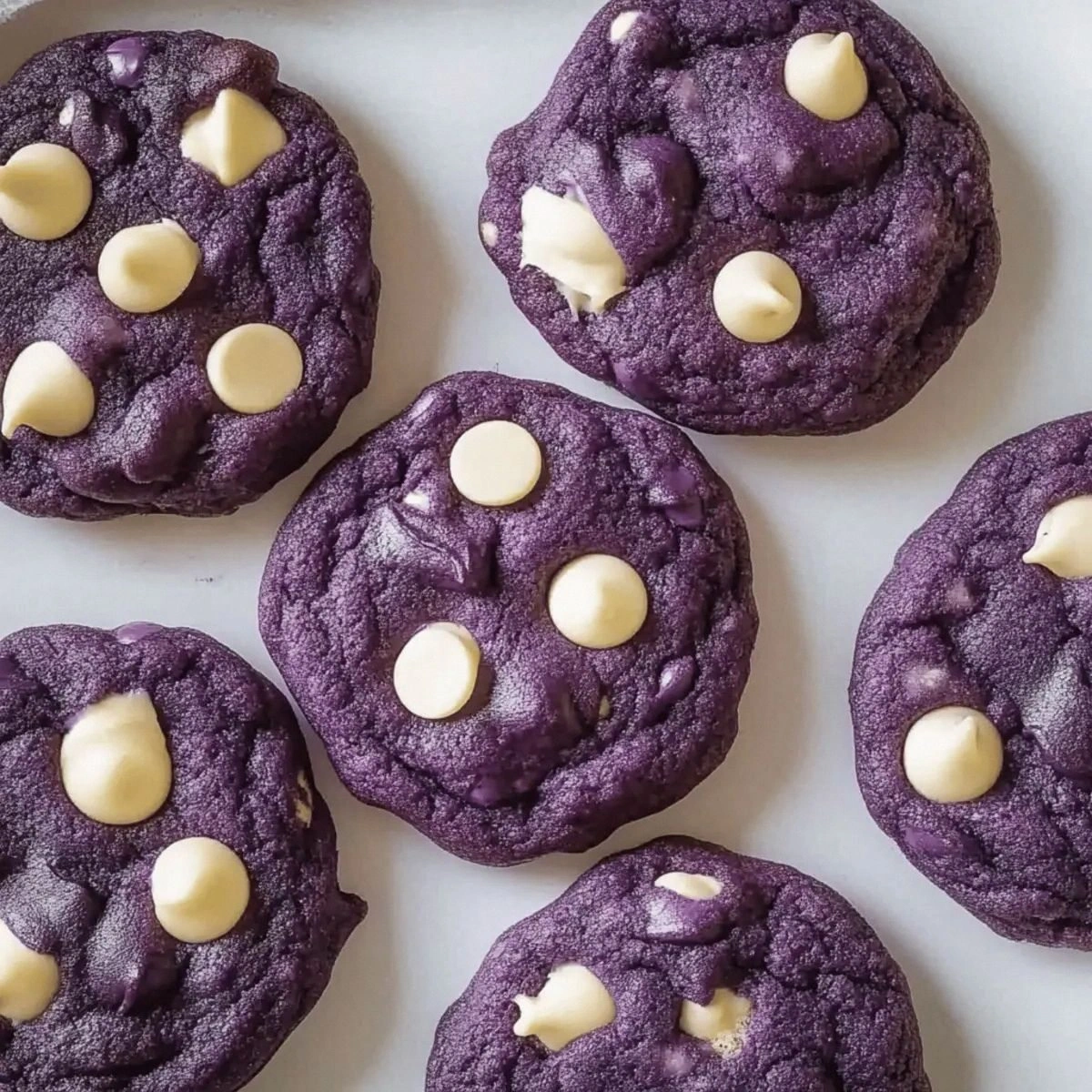
Picture this: a golden‑brown edge that cracks like thin ice, a tender, melt‑in‑your‑mouth center that feels like a cloud kissed by caramel, and a sweet vanilla aroma that wraps around you like a warm blanket. The first bite delivers a buttery crunch that gives way to a soft, sugary core, and the after‑taste lingers like the echo of a favorite song you can’t stop humming. The texture is a delicate balance of crisp and chewy, and the flavor is pure, unadulterated comfort—no gimmicks, just the perfect marriage of sugar, butter, and a whisper of vanilla. If you’ve ever struggled with cookies that turn out flat, dry, or overly sweet, you’re not alone, and I’ve got the fix right here.
Most recipes get this completely wrong. They either over‑mix and create tough cookies, or they under‑mix and end up with a crumbly mess that falls apart the second you try to lift it. My version uses a simple, science‑backed creaming method that locks in air, creating that light, airy crumb while still delivering a buttery snap on the edges. The secret? A precise balance of baking powder and soda that gives just enough lift without making the cookies rise like a soufflé. And yes, there’s a surprise ingredient that adds a subtle depth you never expected—stay tuned for that reveal.
I dare you to taste this and not go back for seconds. By the end of this post, you’ll have a foolproof, step‑by‑step guide that will make you wonder how you ever made sugar cookies any other way. Let me walk you through every single step — by the end, you’ll wonder how you ever made it any other way.
What Makes This Version Stand Out
- Flavor: The vanilla is amplified by a tiny splash of milk, creating a custard‑like undertone that makes each bite feel luxurious.
- Texture: A crisp edge that snaps like a fresh‑baked biscotti, paired with a chewy center that stays soft for days.
- Simplicity: Only eight ingredients, all pantry staples, and no fancy equipment—just a whisk, a bowl, and your enthusiasm.
- Uniqueness: The addition of a pinch of cream of tartar (optional) stabilizes the egg whites, giving the cookie a subtle lift without a noticeable flavor shift.
- Crowd Reaction: Guests often claim they’ve never tasted a sugar cookie that feels both nostalgic and brand‑new at the same time.
- Ingredient Quality: Using real unsalted butter and pure vanilla extract makes a world of difference—no shortcuts here.
- Cooking Method: Baking at a slightly lower temperature for a longer period ensures an even bake and prevents over‑browning.
- Make‑Ahead Potential: These cookies store beautifully, staying fresh for up to a week, and they even improve after a day of resting.
Inside the Ingredient List
The Flavor Base
The unsalted butter is the heart of this cookie. It provides richness and a tender crumb. If you skimp on butter or use margarine, the cookies will feel dry and lack that melt‑in‑your‑mouth quality. I always recommend European‑style butter for its higher butterfat content, which translates to a richer flavor. Swap tip: If you’re dairy‑free, try a solid coconut oil, but expect a faint coconut note.
Next up, granulated sugar. It does more than sweeten; it caramelizes during baking, creating those golden specks on the edges. Using superfine sugar can give you an even smoother texture, but regular granulated works just fine. Watch out: Too much sugar will cause the cookies to spread excessively.
The vanilla extract is the aromatic star. Pure vanilla adds depth that artificial flavors can’t mimic. If you have a vanilla bean, split it and scrape the seeds into the batter for an even more intense profile.
The Texture Crew
All‑purpose flour provides structure. Too much flour makes the cookie dense, while too little leads to spreading. Sifting the flour with the leavening agents ensures an even distribution and prevents lumps. If you’re gluten‑sensitive, a 1‑to‑1 gluten‑free flour blend works, but the texture will be slightly different.
Baking powder and baking soda are the dynamic duo that gives the cookie its lift. Baking powder adds a gentle rise, while baking soda promotes browning and a tender crumb. Using the exact amounts is crucial; a pinch more soda can make the cookie taste metallic.
The Unexpected Star
Eggs act as an emulsifier, binding the butter and sugar while adding moisture. The yolks contribute richness, and the whites add structure. Over‑beating can incorporate too much air, leading to a cake‑like texture, so stop mixing as soon as the batter is smooth.
The Final Flourish
Salt is the silent hero. It balances the sweetness and enhances the butter flavor. Even a half‑teaspoon makes a noticeable difference. If you love a salty‑sweet combo, sprinkle a tiny pinch of flaky sea salt on top just before baking.
Everything's prepped? Good. Let's get into the real action...

The Method — Step by Step
Preheat your oven to 350°F (175°C) and line two baking sheets with parchment paper. This temperature is the sweet spot that gives you a golden edge without burning the tops. As the oven warms, you’ll hear the gentle hum that promises a perfect bake. Pro tip: If you have a convection setting, reduce the temperature by 25°F.
Kitchen Hack: Place a pizza stone in the oven while it preheats; it will give the cookies a uniform bottom heat and a professional bakery feel.In a large mixing bowl, cream together the softened butter and granulated sugar until the mixture is pale, fluffy, and smells like a summer picnic. This should take about 3‑4 minutes on medium speed. The texture should be light enough that a spoonful holds its shape but looks almost airy. Watch Out: If the butter is too cold, the mixture will stay grainy and won’t incorporate air properly.
Add the eggs one at a time, beating well after each addition, then stir in the vanilla extract. The batter should become glossy and smooth, with a faint sheen that signals proper emulsification. If you pause too long between eggs, the mixture can curdle, so keep the rhythm steady.
In a separate bowl, whisk together the flour, baking powder, baking soda, and salt. Sifting ensures there are no lumps and that the leavening agents are evenly distributed. This dry mixture is the backbone that will give the cookie its structure.
Gradually add the dry ingredients to the wet mixture, folding gently with a spatula. Stop mixing as soon as you see no streaks of flour; over‑mixing will develop gluten and make the cookies tough. The dough should be soft, slightly sticky, and pull away from the sides of the bowl.
Watch Out: Adding the flour too quickly can create pockets of dry flour that won’t hydrate, leading to uneven texture.Cover the dough with plastic wrap and chill in the refrigerator for at least 30 minutes. This step is pure magic—it firms up the butter so the cookies keep their shape, and it allows the flour to fully absorb the moisture, resulting in a tender crumb.
Once chilled, scoop the dough using a cookie scoop (about 1.5 tbsp per cookie) and place them 2 inches apart on the prepared sheets. Lightly flatten each ball with the back of a spoon; you’ll see the edges start to spread just a little as they bake. I dare you to taste this and not go back for seconds—the aroma will already be intoxicating.
Bake for 12‑14 minutes, or until the edges turn a light amber and the tops are set but still slightly soft in the center. The scent at this point is the ultimate sensory snapshot: buttery, sweet, with a whisper of vanilla that fills the kitchen. Rotate the sheets halfway through for even browning.
Remove the cookies from the oven and let them cool on the sheet for 3‑4 minutes before transferring to a wire rack. This short rest lets the cookies firm up without becoming hard. As they cool, the edges will crisp up while the centers stay chewy—a perfect contrast.
Enjoy warm, or store in an airtight container for later. If you’re feeling daring, drizzle a thin glaze of melted white chocolate and sprinkle a pinch of sea salt on top for that extra wow factor. That’s it — you did it. But hold on, I've got a few more tricks that'll take this to another level...
Insider Tricks for Flawless Results
The Temperature Rule Nobody Follows
Most home bakers bake at 375°F, thinking higher heat means faster results. In reality, a moderate 350°F allows the cookie to set gently, giving you that coveted crisp edge and soft center. I once baked a batch at 400°F and ended up with burnt bottoms and undercooked tops—lesson learned. Keep the temperature steady, and you’ll get uniform color and texture every time.
Why Your Nose Knows Best
Your sense of smell is a reliable indicator of doneness. When the cookies start to emit a nutty, caramel‑like aroma, they’re about 2 minutes away from perfection. Trust that nose signal more than the timer; ovens can vary by a few degrees. I’ve saved countless batches by pulling them out the moment the scent hits that sweet spot.
The 5‑Minute Rest That Changes Everything
After baking, let the cookies rest on the sheet for exactly five minutes before moving them. This short pause lets residual heat finish the cooking process and prevents the cookies from cracking. Skipping this step results in a crumbly texture that falls apart when you try to pick them up. I swear by this rest—it's the difference between “good” and “legendary.”
The Chill‑Then‑Scoop Method
Chilling the dough isn’t just about preventing spread; it also enhances flavor development. The butter solidifies, creating a tighter crumb, while the sugars have time to dissolve fully, leading to a smoother mouthfeel. If you’re in a hurry, a quick 10‑minute chill still works, but the full 30‑minute rest is worth the patience.
The Secret Salt Finish
A pinch of flaky sea salt on top just before baking adds a sophisticated contrast that elevates the sweetness. It’s a simple trick that makes the cookies taste bakery‑grade. I once forgot the salt and the batch felt flat; the next day I added it and the reaction was instant—people asked for the “secret ingredient.”
Creative Twists and Variations
This recipe is a playground. Here are some of my favorite ways to switch things up:
Lemon Zest Burst
Add two teaspoons of fresh lemon zest to the batter and replace half the vanilla with lemon extract. The bright citrus cuts through the buttery richness, making it a perfect springtime treat. Pair with a light dusting of powdered sugar for a sophisticated finish.
Double Chocolate Delight
Stir in ½ cup of cocoa powder with the dry ingredients and fold in ¼ cup of mini chocolate chips. The cocoa adds depth, while the chips melt into gooey pockets. This version is a hit at movie nights—just don’t eat them all before the film starts.
Spiced Chai Twist
Incorporate ½ teaspoon each of ground cinnamon, cardamom, and ginger into the flour mixture. The warm spices turn the cookie into a cozy, autumn‑ready snack. Top with a drizzle of honey for an extra layer of sweetness.
Almond Joy
Replace ¼ cup of flour with almond flour and fold in slivered almonds and shredded coconut. The nutty flavor and chewy coconut add texture variety, making each bite a surprise. This version pairs beautifully with a cup of hot tea.
Brown Butter Bliss
Swap the regular butter for browned butter (cook until it smells nutty and turns amber). The nutty, caramelized notes deepen the cookie’s flavor profile, giving it an almost toffee‑like finish. It’s a game‑changer for anyone who loves rich, buttery desserts.
Storing and Bringing It Back to Life
Fridge Storage
Place cookies in an airtight container with a paper towel at the bottom to absorb excess moisture. They’ll stay fresh for up to five days in the refrigerator. If you want them soft again, let them sit at room temperature for 15 minutes before serving.
Freezer Friendly
Freeze baked (or unbaked dough balls) on a parchment sheet, then transfer to a zip‑top bag. They keep for up to three months. To reheat, bake frozen dough balls at 350°F for 12‑14 minutes, or microwave a single cookie for 10 seconds with a splash of water to steam it back to life.
Best Reheating Method
For a quick revive, preheat a skillet over low heat, add a tiny splash of water, and place the cookie in the pan, covering it for 30 seconds. The steam restores softness while the bottom crisps up again—pure perfection.