Comforting Crockpot Beef Stew
You know that moment when you’re staring at a pot of boiling water, wondering why the stew you cooked last night was as bland as a beige wall? I’ve been there—scratching my head, muttering about “how could this be so dull?” That’s when I decided to rewrite the entire playbook for beef stew. I’m not talking about a quick “throw everything in the pot” hack; I’m talking about a deliberate, layered, slow‑cooked masterpiece that turns every bite into a hug.
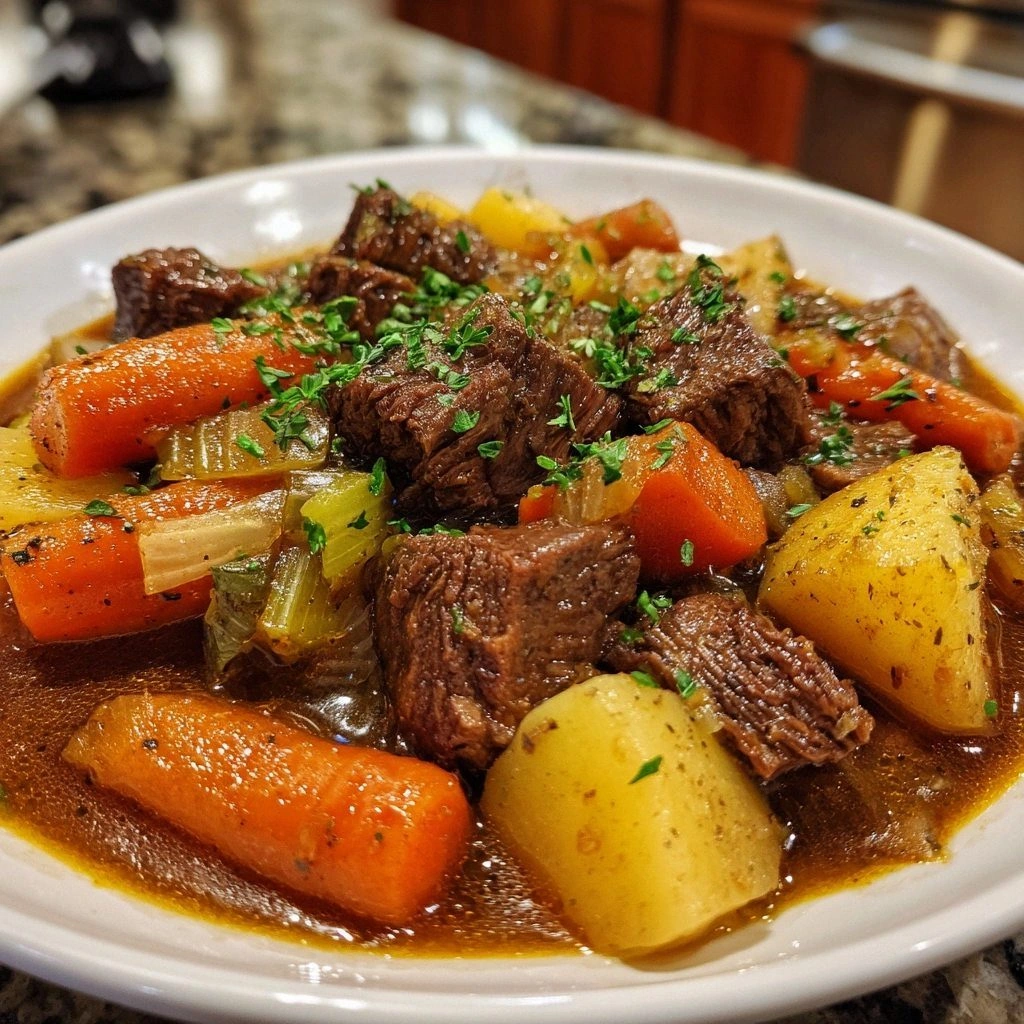
Picture this: the aroma of browned beef, the gentle hiss of simmering broth, and the sight of carrots and potatoes slowly melting into a golden, savory blanket. The sound is the comforting crackle of the crockpot’s low heat, and the texture—think tender chunks that practically melt in your mouth. The taste is a deep, umami‑rich profile that lingers on the palate, leaving you craving a second helping. And the feel? A warm, comforting hug in a bowl, the kind that makes you forget about the cold outside.
What makes this version stand out? First, the beef isn’t just any cut; it’s chuck roast, cut into 1‑inch cubes, chosen for its balance of fat and tenderness. Second, the vegetables are not merely added; they’re pre‑sautéed to caramelize, adding depth that a raw addition simply can’t match. Third, the broth isn’t a generic stock; it’s beef broth with a hint of thyme and rosemary, infused with bay leaves that release their flavor over hours. Fourth, the thickening method—cornstarch slurry—gives a silky finish without turning the stew into a mush. Finally, the low‑heat, slow‑cook approach allows flavors to marry, creating a dish that’s hands‑down the best version you’ll ever make at home.
And there’s a twist that most recipes skip: a splash of red wine added during the browning stage. That subtle acidity cuts through the richness, elevating the stew to a new level of sophistication. I dare you to taste this and not go back for seconds. If you’ve ever struggled with a bland stew, you’re not alone—and I’ve got the fix.
Let me walk you through every single step—by the end, you’ll wonder how you ever made it any other way.
What Makes This Version Stand Out
- Flavor: The combination of browned beef, caramelized vegetables, and a broth infused with thyme, rosemary, and bay leaves creates a layered, savory profile that’s hard to beat.
- Texture: Slow cooking on low heat turns tough cuts into melt‑in‑your‑mouth tenderness while the vegetables maintain a pleasant bite.
- Simplicity: All the magic happens in a single pot—no extra pans, no fuss, just set it and forget it.
- Uniqueness: The subtle splash of red wine during browning adds depth and a touch of elegance that sets this stew apart.
- Crowd‑pleaser: It’s the kind of dish that makes people ask for the recipe after dinner; I’ve seen it become a staple at family gatherings.
- Ingredient Quality: Using high‑quality chuck roast and fresh, organic vegetables ensures a premium flavor that’s worth the extra effort.
- Method: The crockpot’s low‑heat, long‑cook method allows flavors to develop fully, resulting in a stew that’s both comforting and sophisticated.
- Make‑Ahead: This stew is a perfect make‑ahead meal; it tastes even better the next day, and reheats beautifully.
Inside the Ingredient List
The Flavor Base
Beef: The star of the dish, 2 pounds of chuck roast cut into 1‑inch cubes. Its marbling delivers a rich, meaty flavor that’s essential for depth. Skipping the beef would turn this into a vegetable soup; the stew would lack the hearty backbone that makes it so comforting.
Onion: 1 large onion, chopped. The onion’s sweetness balances the savory beef and creates a subtle caramel base when sautéed. If you omit the onion, you’ll lose the aromatic foundation that pulls the other flavors together.
Garlic: 2 cloves, minced. Garlic’s pungency adds a punch that cuts through the richness of the meat. A pinch of garlic powder could be a quick substitute, but fresh minced garlic provides a more vibrant flavor.
The Texture Crew
Carrots: 4 medium, sliced. Carrots add natural sweetness and a bright color that makes the stew visually appealing. If you’re watching calories, you can halve the amount, but the flavor profile changes noticeably.
Potatoes: 3 medium, diced. Potatoes absorb broth and become a comforting, creamy element. Skipping them will make the stew lighter, but it will also lose that heartiness that keeps you full.
Celery: 2 stalks, chopped. Celery contributes a subtle crunch and a herbal note that complements the thyme and rosemary. If you’re allergic, you can replace it with parsnips for a sweeter twist.
The Unexpected Star
Red Wine: A splash (about 1/4 cup) added during the browning stage. The acidity cuts through the fat, brightening the overall flavor. If you’re not a fan of wine, a dash of balsamic vinegar can mimic the acidity.
The Final Flourish
Beef Broth: 4 cups of quality beef broth. This is the liquid that carries all the flavors together. Using homemade broth would elevate the dish even further, but store‑bought works fine.
Thyme & Rosemary: 1 teaspoon each, dried. These herbs provide an earthy, aromatic depth that’s essential for a classic stew. Fresh herbs can be used, but dried are more convenient and have a longer shelf life.
Bay Leaves: 2. Bay leaves infuse subtle herbal notes that develop over the long cooking time. Removing them won’t ruin the stew, but you’ll miss that classic flavor.
Salt & Pepper: To taste. They’re the final seasoning touch that brings everything together. Be careful not to over‑salt; you can always adjust at the end.
Cornstarch Slurry: 2 tablespoons cornstarch mixed with 2 tablespoons water, optional. This thickener gives the stew a silky consistency. If you prefer a thinner stew, skip the slurry entirely.
Everything’s prepped? Good. Let’s get into the real action.
The Method — Step by Step
- Brown the Beef: Heat a tablespoon of olive oil in a large skillet over medium‑high heat. Add the beef cubes in a single layer, letting them sear without overcrowding. Turn them until all sides are browned, about 5–7 minutes total. This caramelization locks in flavor and creates a golden crust that will enrich the stew. The sizzling sound is the first hint that the stew is about to become extraordinary. After browning, transfer the beef to the crockpot.
- Saute the Aromatics: In the same skillet, add the chopped onion and minced garlic. Cook until the onion turns translucent, about 3 minutes, stirring frequently to prevent burning. The garlic should release a fragrant aroma that signals the base is ready. Add the splash of red wine, letting it reduce for 2 minutes, which concentrates the acidity and removes the raw wine flavor. This step is pure magic—don’t skip it.
- Deglaze the Pan: Pour a small amount of beef broth into the skillet to lift the browned bits from the bottom. Scrape them with a wooden spoon; those bits are full of flavor. This deglazing step ensures no savory bits are left behind, and it adds a subtle depth to the broth that will permeate the stew.
- Combine in the Crockpot: Place the browned beef, sautéed aromatics, carrots, potatoes, celery, bay leaves, thyme, rosemary, and the remaining beef broth into the crockpot. Stir gently to combine. The vegetables should be partially submerged in the liquid, but they’re allowed to soften over time. Cover the crockpot with its lid and set to low for 8 hours, or high for 4 hours. This long, slow cook allows the beef to become tender and the flavors to mingle beautifully.
- Season to Taste: About 30 minutes before serving, remove the bay leaves. Add salt and pepper to taste, remembering that the broth can become salty as it reduces. Taste the stew and adjust seasoning as needed; the flavors will intensify as it rests.
- Thicken the Stew: If you prefer a thicker consistency, stir in the cornstarch slurry. Mix the cornstarch with water until smooth, then pour it into the crockpot. Stir well and let it cook for another 15–20 minutes, allowing the slurry to activate. The stew will develop a silky, velvety coat that clings to the meat and vegetables.
- Final Touch: Once thickened, taste again. If the stew feels a bit flat, a squeeze of fresh lemon juice can brighten the flavors. This final tweak brings a fresh, bright note that balances the richness.
- Serve and Enjoy: Ladle the stew into bowls, garnish with fresh parsley or a drizzle of olive oil if desired. The steam rising from the pot is a visual cue that the stew is at its peak. Pair it with crusty bread or a side of creamy mashed potatoes for a complete meal. That sizzle when it hits the pan? Absolute perfection.
That’s it — you did it. But hold on, I've got a few more tricks that'll take this to another level.
Insider Tricks for Flawless Results
The Temperature Rule Nobody Follows
Many people set their crockpot to high for a quick fix, but low heat is the secret to tender beef. The gentle 200‑210°F temperature allows collagen to break down slowly, producing melt‑in‑your‑mouth meat. If you’re in a hurry, set it to high but keep a close eye on the liquid level; add a splash of broth if it starts to look like a soup.
Why Your Nose Knows Best
Before you add the final salt, pause and sniff the stew. A well‑seasoned stew will have a deep, savory aroma. If it’s lacking, add a pinch of salt and let it sit for 10 minutes to let the flavors meld. Your nose is a great indicator of how the stew is developing.
The 5‑Minute Rest That Changes Everything
After the crockpot finishes, let the stew sit covered for 5 minutes before serving. This brief rest allows the flavors to settle and the thickener to set, giving the stew a cohesive texture. Skipping this step can leave the stew feeling watery or uneven.
Use Fresh Herbs for a Bright Finish
If you have fresh thyme or rosemary, add a sprig during the last hour of cooking. The fresh herbs release more aroma and color, brightening the stew’s appearance. Remove them before serving to avoid any woody bits in your mouth.
Keep the Leftovers Fresh
Storing stew in an airtight container in the refrigerator keeps it flavorful for up to 4 days. Reheat on the stovetop over low heat, adding a splash of broth or water to restore moisture. The stew’s flavor intensifies the next day, making it a perfect make‑ahead meal.
Creative Twists and Variations
This recipe is a playground. Here are some of my favorite ways to switch things up:
Smoky Chipotle Stew
Add a tablespoon of chipotle in adobo sauce to the broth for a smoky kick. Pair it with corn kernels for a Tex‑Mex flair. This variation is perfect for a spicy dinner that still feels comforting.
Herb‑Infused Mushroom Stew
Sauté sliced mushrooms with the onions and garlic before adding the beef. The earthy mushrooms complement the beef’s richness and add a depth of flavor. Serve with a sprinkle of fresh thyme for an extra herbaceous note.
Vegan Beefless Version
Swap the beef for seared tempeh or diced tofu. Use vegetable broth, and add soy sauce for umami. This plant‑based twist maintains the hearty texture while offering a lighter option.
Italian‑Inspired Stew
Replace bay leaves with a handful of fresh basil leaves and add a splash of balsamic vinegar. Finish with a drizzle of olive oil and a sprinkle of grated Parmesan. This version feels like a warm bowl of pasta sauce.
Root Vegetable Delight
Add diced turnips or parsnips alongside the carrots and potatoes. The subtle sweetness of these root veggies enhances the stew’s overall flavor profile. It’s a great way to use up seasonal produce.
Breakfast‑Style Stew
Serve the stew over a bed of fluffy scrambled eggs or a poached egg. The combination of savory stew and creamy eggs makes for a comforting breakfast that feels like a brunch special.
Storing and Bringing It Back to Life
Fridge Storage
Cool the stew to room temperature, then transfer to an airtight container. Store in the refrigerator for up to 4 days. The stew’s flavors will deepen, making it even more satisfying the next day.
Freezer Friendly
Divide the stew into freezer‑safe portions and seal with a vacuum sealer or zip‑lock bags. Freeze for up to 3 months. When ready, thaw overnight in the refrigerator, then reheat gently.
Best Reheating Method
Reheat on the stovetop over low heat, stirring occasionally. Add a splash of water or broth if the stew looks dry. A tiny splash of water before reheating steams the stew back to perfection, restoring its silky texture.