I remember that night like it was yesterday: my kitchen was a chaotic mess of spices, a burnt pot, and a friend who dared me to make something that would blow everyone’s taste buds. I stared at the scorched pan, feeling the sting of disappointment, and whispered, “I’ll make it better.” The next day, armed with fresh paneer and a jar of Schezwan sauce, I set out to rewrite the story. The aroma of garlic and ginger hit me first, a sizzling promise that something extraordinary was about to happen. The heat rose like a drumbeat, the rice glistening in the pan, and the world seemed to pause for a breath of anticipation. That moment? Pure culinary destiny.
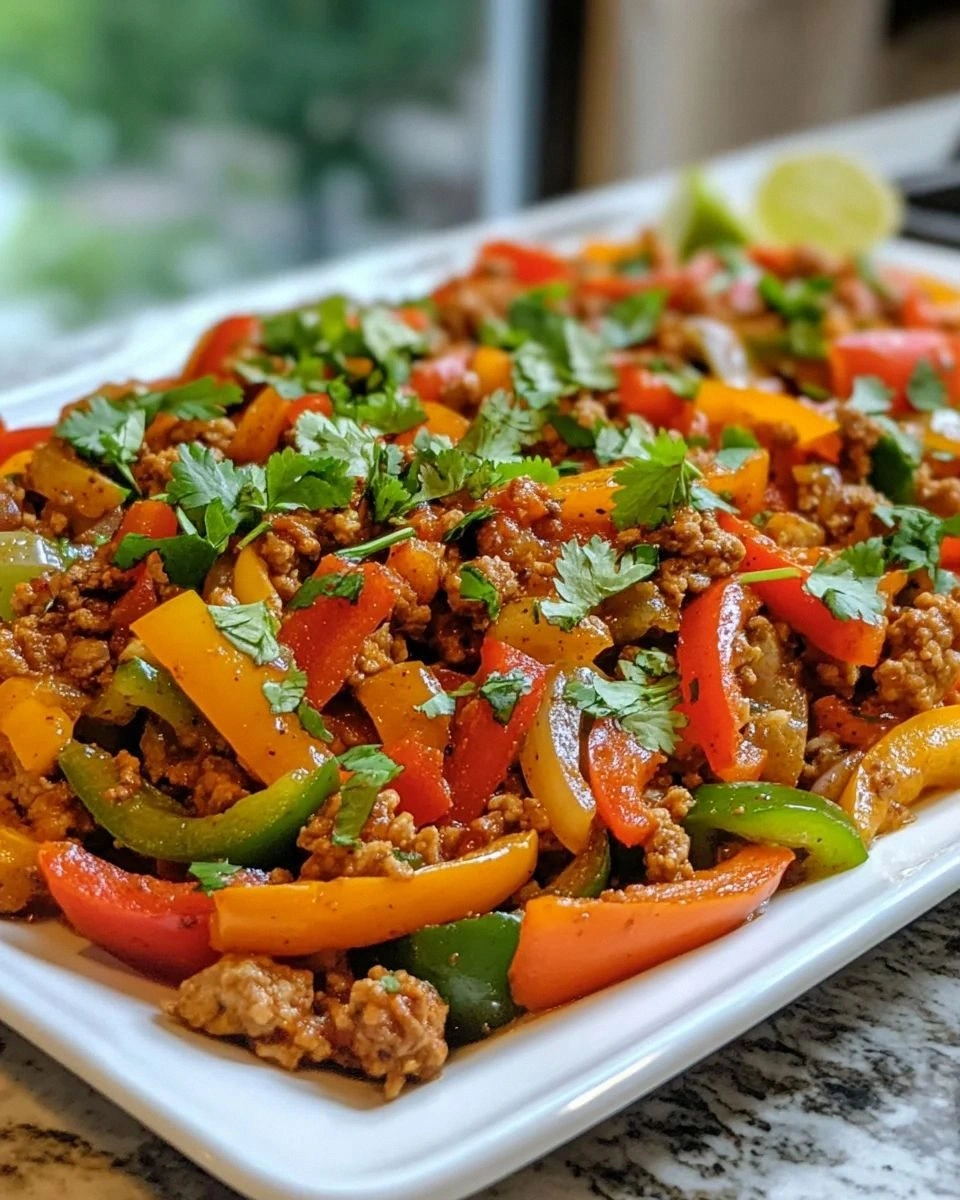
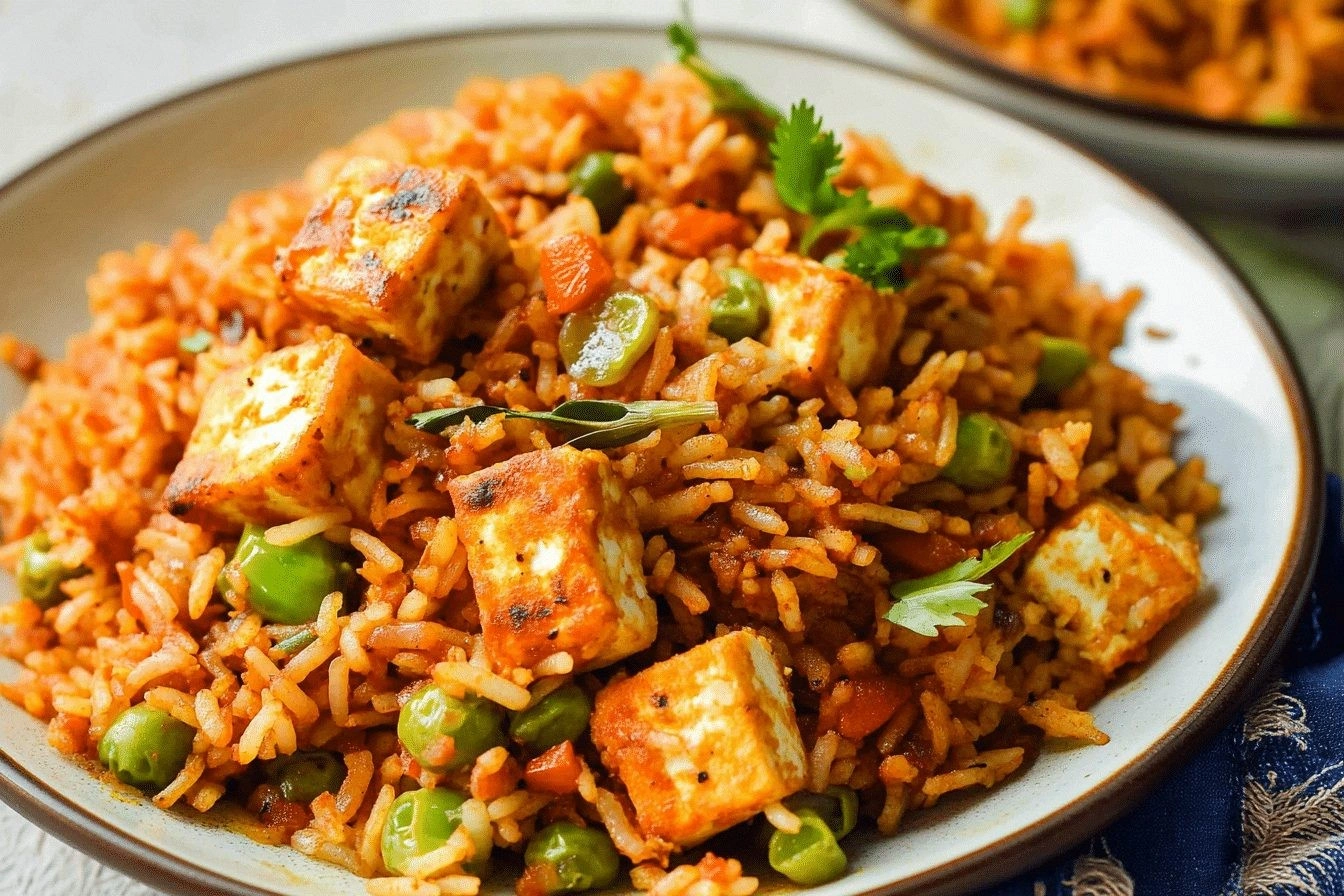
Picture this: a bowl of fluffy basmati rice, each grain standing proud, coated in a glossy sheen of oil and sauce that looks like liquid fire. The first bite is a symphony—crispy edges that crackle like thin ice, a burst of heat from the Schezwan sauce, and a creamy paneer center that melts into a silky surprise. The vegetables add a pop of color and a subtle sweetness, balancing the fiery sauce like a well‑tuned orchestra. The smell is intoxicating, a heady mix of soy, chilies, and a faint hint of citrus from the sauce. The texture? A delightful contrast of soft rice, tender paneer, and crunchy vegetables—all dancing together on your tongue.
What sets this version apart isn’t just the ingredients—it’s the deliberate layering of flavors, the method that preserves the rice’s fluffiness, and the way the sauce is integrated without overwhelming the dish. I’ve spent hours perfecting the ratio of sauce to rice, discovering that a slight undercook of the vegetables preserves their snap. The result is a dish that feels both comforting and adventurous, like a warm hug from a spicy friend. And if you think you’ve tasted all the best Schezwan dishes, I dare you to taste this and not go back for seconds.
By the time you finish reading, you’ll have a step‑by‑step guide that turns your kitchen into a flavor laboratory. I’ll walk you through every single detail—from how to chill the rice to the precise moment to add the paneer. Trust me, the final product will make you wonder how you ever cooked it any other way. Let’s dive into the secrets that make this dish irresistible.
What Makes This Version Stand Out
- Flavor: The Schezwan sauce is crafted with a balance of heat, tang, and umami that coats each grain of rice like velvet, delivering a punch that lingers on the palate.
- Texture: The rice remains fluffy and separate thanks to chilling and careful stir‑frying, while the paneer stays moist and the veggies keep their crisp bite.
- Simplicity: No elaborate prep—just a few pantry staples and a couple of quick steps that even a novice can master.
- Uniqueness: The subtle addition of a splash of soy sauce deepens the umami profile, giving the dish a signature depth that sets it apart from typical fried rice.
- Crowd Reaction: Friends and family rave about the “just right” heat level; it’s the kind of dish that earns compliments before you even serve it.
- Ingredient Quality: Fresh paneer and high‑quality Schezwan sauce are the backbone; the difference is in the quality of the base ingredients.
- Cooking Method: The pan‑fry technique locks in flavors and creates a slight crisp on the edges, adding a textural dimension.
- Make‑ahead Potential: The dish can be prepared ahead and reheated with a splash of water, maintaining its original vibrancy.
Alright, let’s break down exactly what goes into this masterpiece…
Inside the Ingredient List
The Flavor Base
Schezwan sauce is the heart of this dish. Made from dried red chilies, garlic, soy sauce, and a touch of vinegar, it delivers a punch of heat that’s tempered by a subtle sweetness. Skipping it would leave the rice bland and the dish lacking that signature kick. If you can’t find pre‑made sauce, blend fresh chilies with garlic, a splash of soy, and a dash of sugar; it’s surprisingly easy and tastes fresher.
The Texture Crew
Basmati rice is chosen for its long grains and airy texture. Cooking it properly and then chilling it in the fridge keeps the grains from sticking together, ensuring each bite is light and separate. Paneer cubes add a creamy protein that absorbs the sauce, creating a silky interior while the outer layer gets a slight crisp. If you prefer a vegetarian protein, tofu works as a great alternative—just press it to remove excess moisture.
The Unexpected Star
Mixed vegetables—carrots, bell peppers, peas, and spring onions—bring crunch, sweetness, and color. They’re not just decorative; they add a natural sweetness that balances the heat and a satisfying snap that contrasts the soft paneer. If you’re in a hurry, frozen mixed veggies are fine, but fresh ones will give a brighter flavor. A quick blanch before adding them keeps their vibrant color.
The Final Flourish
Garlic and ginger form the aromatic base, their heat rising from the pan to mingle with the sauce. Soy sauce adds a subtle umami depth that elevates the dish. Oil or ghee is essential for frying; ghee adds a nutty flavor while oil gives a cleaner taste. Green chilies are optional but add an extra spicy punch for those who crave heat.
Everything’s prepped? Good. Let’s get into the real action…
The Method — Step by Step
- Heat a large non‑stick skillet over medium‑high heat. Add 2 tablespoons of oil or ghee and let it shimmer. When the oil starts to smoke lightly, it’s ready. This step is crucial; a hot pan prevents the rice from sticking and gives a slight crisp to the veggies.
- Add 2 tablespoons of minced garlic and 1 tablespoon of minced ginger. Sauté for 30 seconds until fragrant. The aroma should fill the kitchen like a warm blanket. Be careful not to burn them—burnt garlic turns bitter.
- Stir in 3/4 cup of Schezwan sauce and 2 tablespoons of soy sauce. Let the mixture simmer for a minute, allowing the flavors to meld. The sauce should thicken slightly, coating the aromatics like a glossy glaze.
- Introduce the chilled basmati rice. Break up any clumps with your spoon and stir vigorously. The rice should coat evenly with the sauce, each grain glistening. Keep the heat high to create that coveted slight char on the bottom.
- Add 1.5 cups of mixed vegetables. Toss them into the rice, letting them mingle for 2–3 minutes. The vegetables should retain their crunch but soften enough to release their juices. If you’re using green chilies, add them now for an extra kick.
- Now it’s time for the paneer. Gently fold in 200 grams of paneer cubes, allowing them to absorb the sauce without breaking apart. The paneer should puff slightly, creating pockets of creamy delight.
- Taste and adjust seasoning. Add a pinch of salt if needed, or a splash more soy sauce for depth. Remember, the sauce is already salty, so add sparingly. This is the moment of truth—your dish should taste balanced and vibrant.
- Finish with a drizzle of sesame oil or a sprinkle of fresh cilantro if you like. The final flourish adds aroma and a subtle nutty flavor. Serve hot, and watch the steam rise like a fragrant cloud.
That’s it—you did it. But hold on, I’ve got a few more tricks that will elevate this dish from great to legendary.
Insider Tricks for Flawless Results
The Temperature Rule Nobody Follows
Many chefs think a low heat is safer, but a high flame is essential for that perfect char. Keep the skillet at medium‑high to get a slightly smoky flavor and to keep the rice from steaming into mush. If you’re using a cast‑iron pan, preheat it for a few minutes before adding oil.
Why Your Nose Knows Best
When the sauce hits the pan, the aroma should be sharp and inviting. If it smells flat, you’re under‑seasoning. Trust your nose—add a dash more soy or a pinch of salt until the scent is rich and complex.
The 5‑Minute Rest That Changes Everything
Once the dish is off the heat, let it sit covered for 5 minutes. This allows the flavors to settle, the rice to steam, and the paneer to absorb the sauce fully. A friend once skipped this step and the rice was dry; the rest made all the difference.
The Right Pan Matters
A wide, heavy‑bottomed skillet distributes heat evenly and prevents hot spots that could scorch the rice. If you don’t have a pan that size, use two medium pans and combine the ingredients at the end.
The Quick Chill Trick
If you’re short on time, cook the rice and immediately spread it on a tray to cool. Toss it in a little cold water to stop the cooking process. This stops the grains from overcooking and keeps them fluffy.
Creative Twists and Variations
This recipe is a playground. Here are some of my favorite ways to switch things up:
Spicy Shrimp Edition
Swap paneer for 200 grams of peeled shrimp. Sauté them after the veggies for a minute until pink. The shrimp adds a briny depth that pairs beautifully with the Schezwan sauce.
Vegan Delight
Use tofu instead of paneer and a vegan Schezwan sauce. Press the tofu to remove moisture, then pan‑fry until golden. This version keeps the same flavor profile while being plant‑based.
Coconut Cream Twist
Add 1/4 cup of coconut milk to the sauce during step 3. The coconut gives a subtle sweetness that balances the heat and creates a silky sauce.
Kale & Quinoa Fusion
Replace rice with quinoa and add a handful of chopped kale. The nutty quinoa and earthy kale create a wholesome, protein‑packed dish that’s still fiery.
Garnish with Toasted Sesame
Sprinkle toasted sesame seeds over the finished dish. The nutty crunch adds a delightful contrast and a pop of color.
Heat It Up with Chili Oil
Drizzle a spoonful of chili oil on top before serving. It gives an extra layer of heat and a glossy finish that looks irresistible.
Storing and Bringing It Back to Life
Fridge Storage
Store leftovers in an airtight container for up to 3 days. The rice may become slightly softer, but reheating with a splash of water will revive its fluffiness.
Freezer Friendly
Freeze in portioned containers for up to 2 months. When reheating, add a teaspoon of water to the pan and cover to steam the rice back to life.
Best Reheating Method
Reheat in a skillet over medium heat, adding a splash of water or broth to keep the rice moist. Stir constantly until heated through, then finish with a drizzle of sesame oil for extra flavor.