When I first stumbled into the kitchen, I was chasing a craving that felt like a culinary dare. I had a bag of frozen linguine, a half-pound of ground beef, and a stubborn jar of hoisin sauce that had been sitting on my shelf for months. The moment those ingredients collided, the kitchen smelled like a smoky, sweet, and savory storm—an aroma that could make a seasoned chef pause mid‑swing. That night, I made a humble bowl of noodles, and the result was so surprisingly bold that I almost didn’t believe my own taste buds. I was honest—half the batch vanished before anyone else even had a chance to try it.
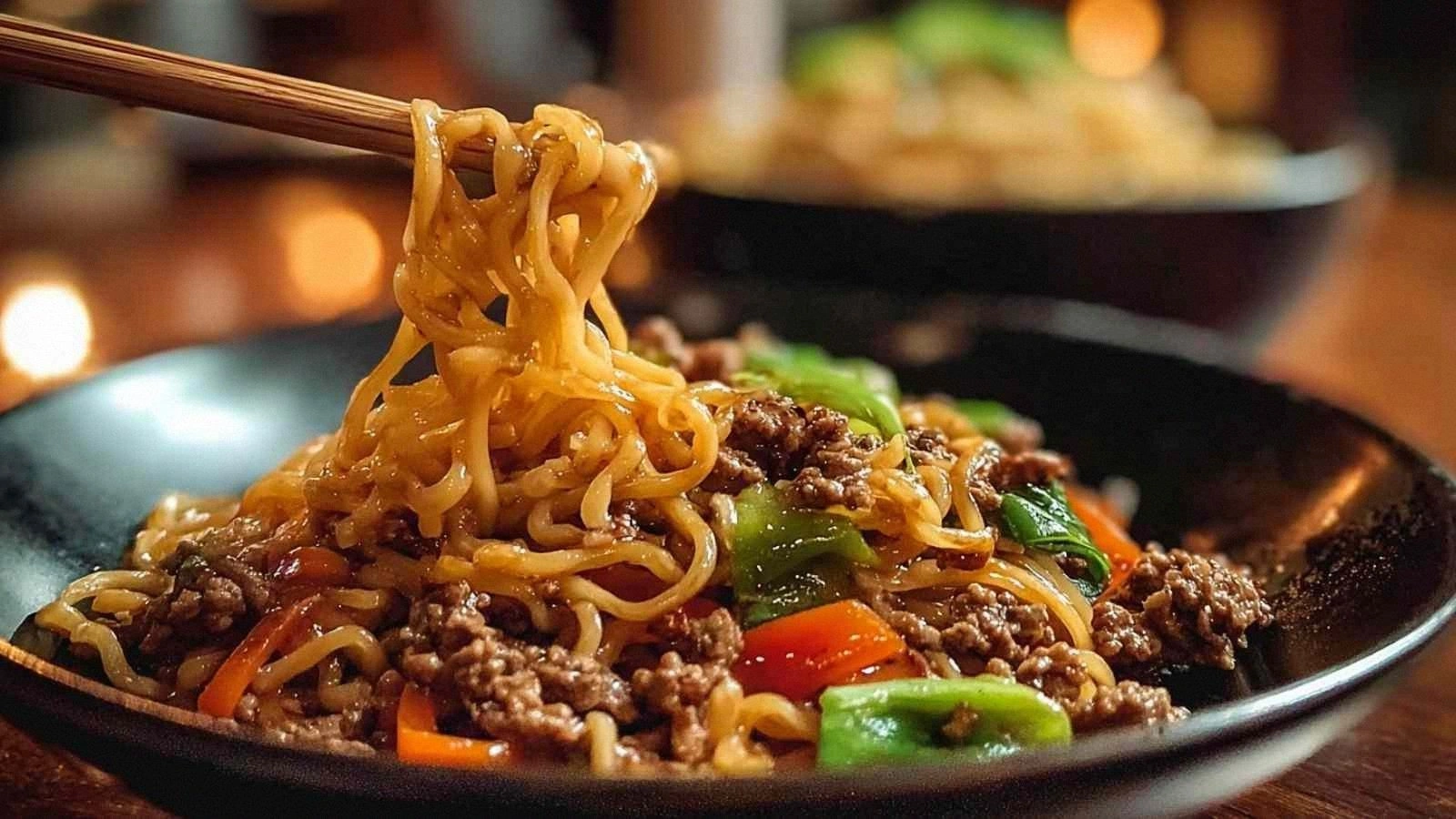
Fast forward to today, and I’m writing this because I’ve discovered a version of Mongolian Ground Beef that redefines what that dish can be. Think of a sauce that coats pasta like velvet, a meat mixture that’s tender yet flavorful, and a dish that can be whipped up in under an hour. It’s the kind of meal that makes you feel like a culinary wizard, turning ordinary pantry staples into a high‑protein, crowd‑pleasing feast. I dare you to taste this and not go back for seconds.
What sets this recipe apart isn’t just the ingredients—it’s the method, the subtle balance of sweet and savory, and the way the noodles soak up every drop of sauce. Most recipes get this completely wrong by overcooking the pasta or drowning it in an overly thick glaze. Here, the linguine stays al dente, the beef remains juicy, and the sauce has just enough body to cling without feeling greasy. Picture yourself pulling this out of the skillet, the whole kitchen smelling incredible, and knowing you’re about to serve a dish that’s hands down the best version you’ll ever make at home.
Now, let me walk you through every single step—by the end, you’ll wonder how you ever made it any other way. The journey will involve a few micro‑challenges, a few bold claims, and a few kitchen hacks that will change the way you approach this classic dish forever. Stay with me, because the next part is pure magic, and the final result will make you the hero of every dinner table.
What Makes This Version Stand Out
- Flavor: The combination of hoisin, soy sauce, and brown sugar creates a sweet‑savory glaze that’s deeper than any standard stir‑fry. The ground ginger and black pepper add a subtle heat that lingers without overpowering the dish.
- Texture: The beef is browned to a caramelized crust, while the noodles remain firm and chewy, creating a pleasing contrast in every bite.
- Protein Boost: With 1 lb of lean ground beef per four servings, this dish delivers more than 25 grams of protein per serving, perfect for post‑workout recovery.
- Speed: The entire process takes less than 45 minutes from start to finish, making it ideal for busy weeknights.
- Simplicity: No fancy ingredients or advanced techniques—just a few pantry staples and a skillet.
- Versatility: The sauce can double as a dipping sauce, a stir‑fry base, or a topping for rice, giving you endless ways to enjoy it.
- Make‑ahead Friendly: The sauce keeps well for up to 3 days in the fridge, and the noodles can be pre‑cooked and stored separately.
- Kid‑Friendly: The mild heat level and sweet glaze make it a hit even with picky eaters.
Alright, let’s break down exactly what goes into this masterpiece…
Inside the Ingredient List
The Flavor Base
At the heart of this dish lies the sweet‑savory sauce that turns ordinary noodles into a gourmet experience. The 1/3 cup of brown sugar melts into the hoisin and soy sauce, creating a caramelized sweetness that balances the saltiness of the soy. The 1/4 cup of beef broth adds depth, preventing the sauce from becoming too thick or syrupy. If you’re watching sodium, you can substitute low‑sodium soy sauce, but keep the hoisin for that essential umami punch.
Why it matters: The sauce is the glue that holds the dish together. Without it, the noodles would feel plain and the beef would be dry. Skipping this step is like serving a plain bowl of pasta—unremarkable. The brown sugar’s caramel notes also provide a subtle hint of toasted sweetness that’s reminiscent of a caramelized sugar crust on a well‑done steak.
Swap suggestion: If you can’t find hoisin sauce, a mix of 1 tablespoon soy sauce, 1 tablespoon honey, and 1 teaspoon sesame oil can mimic the flavor profile. For a vegan version, replace the beef with ground tempeh and use coconut aminos instead of soy sauce.
The Texture Crew
The 10 oz of linguine is the backbone of this dish, chosen for its wide, flat shape that holds the sauce like a sponge. Cook the pasta to al dente so that it retains a slight bite, which contrasts beautifully with the tender ground beef. If you prefer a gluten‑free option, substitute with rice noodles or a gluten‑free pasta brand that offers a similar texture.
Why it matters: Pasta that’s too soft will become mushy when mixed with the sauce, while pasta that’s undercooked will feel rubbery. The ideal al dente pasta provides a satisfying chew that pairs with the savory beef.
Swap suggestion: Swap linguine for fettuccine or spaghetti if you’re looking for a different shape. The key is to maintain a wide surface area that can soak up the sauce.
The Unexpected Star
Ground ginger and black pepper are the unsung heroes that give this dish its subtle kick. The 1/2 teaspoon of ground ginger adds a warm, slightly peppery undertone that complements the sweet glaze. The 1/2 teaspoon of ground black pepper brings a mild heat that balances the sweetness without making the dish too spicy.
Why it matters: These spices add depth and complexity, preventing the dish from feeling one‑dimensional. They also help to break up the richness of the beef, making the overall flavor more balanced.
Swap suggestion: Fresh ginger can be used if you prefer a brighter, fresher note. If you’re sensitive to heat, reduce the black pepper to 1/4 teaspoon.
The Final Flourish
The 4 whole green onions provide a fresh, crisp contrast to the rich sauce. Slice them thinly and scatter them on top after cooking, allowing them to release their bright flavor and add a splash of color. A pinch of red pepper flakes adds a subtle heat that’s visible but not overwhelming.
Why it matters: Green onions keep the dish from feeling heavy and add a layer of freshness that cuts through the sweetness. The red pepper flakes add a visual pop of color and a hint of heat that makes the dish feel festive.
Swap suggestion: Substitute scallions for green onions if that’s what you have on hand. For a more robust crunch, add chopped toasted sesame seeds.
Everything’s prepped? Good. Let’s get into the real action…
The Method — Step by Step
Heat a large skillet over medium‑high heat. Add the 1 lb of ground beef, breaking it apart with a wooden spoon. Cook until the beef turns a deep brown, about 5–7 minutes, letting the natural juices caramelize. This step is the moment of truth—watch the color shift from raw pink to a rich mahogany; that’s when the flavor starts to develop.
Drain excess fat if desired, leaving a thin coating to keep the meat juicy. Add the minced garlic (5 cloves) to the skillet and sauté for 30 seconds until aromatic. The garlic should sizzle softly, releasing a sweet, earthy scent that signals everything is on track.
Stir in the 1/3 cup brown sugar, 1/4 cup beef broth, 1/3 cup soy sauce, and 3 tablespoons hoisin sauce. Mix until the sugar dissolves and the sauce begins to thicken. The mixture should smell toasty and slightly sweet—if it’s still watery, let it simmer a bit longer.
Introduce the 1/2 teaspoon ground ginger and 1/2 teaspoon ground black pepper, whisking to combine. If you’re using the cornstarch slurry, stir it in now. The sauce should start to coat the back of a spoon, indicating it’s thickening.
Reduce the heat to medium and let the sauce simmer for 3–4 minutes, stirring occasionally. The edges of the beef will start pulling away from the pan, and the sauce will deepen in color. This slow simmer is essential for melding the flavors.
While the sauce simmers, cook the 10 oz linguine according to the package instructions until al dente. Reserve a cup of pasta water before draining. The water will help you adjust the sauce consistency later.
Once the noodles are ready, add them to the skillet, tossing to coat them evenly with the sauce. If the sauce feels too thick, add a splash of the reserved pasta water until it reaches a silky, clingy consistency.
Turn off the heat, and fold in the 4 whole green onions and a pinch of red pepper flakes. Give everything a final toss so the onions distribute evenly.
Serve immediately, garnishing with extra green onions or a drizzle of sesame oil if desired. The dish should look glossy, the noodles should be tender, and the beef should still have a slight chew.
Enjoy the symphony of flavors—sweet, savory, and a hint of heat—knowing you’ve just created a dish that will have everyone asking for seconds.
That’s it — you did it. But hold on, I’ve got a few more tricks that’ll take this to another level…
Insider Tricks for Flawless Results
The Temperature Rule Nobody Follows
Many cooks start the beef over high heat, but the best flavor comes from a steady medium‑high temperature. This allows the beef to brown evenly without burning the sugars in the sauce. I’ve seen dishes where the sauce caramelizes too quickly, leaving a burnt taste that masks the delicate sweetness of hoisin.
Why Your Nose Knows Best
Trust your nose when the sauce is ready. If it smells slightly caramelized and sweet, it’s almost there. A burnt aroma signals that the sugars have gone too far; a bland aroma means you need to let it simmer longer. This sensory checkpoint saves you from a ruined dish.
The 5‑Minute Rest That Changes Everything
After cooking, let the skillet rest for 5 minutes before serving. This brief pause allows the juices to redistribute throughout the beef, ensuring each bite is moist and flavorful. It also gives the sauce time to thicken slightly, creating a more cohesive coating.
Stirring Techniques
Use a wooden spoon to stir the sauce, but switch to a silicone spatula when you’re near the end. The silicone will scrape every last drop of sauce from the pan, ensuring no flavor is wasted. I once missed a few sticky bits, and the dish tasted flat until I added the leftover sauce.
Portion Control
Serve the dish in a shallow bowl rather than a deep bowl. The shallow shape allows the sauce to spread evenly across the noodles, giving you a consistent taste in every spoonful. This small adjustment can elevate the overall experience.
Finishing Touches
Finish with a sprinkle of toasted sesame seeds or a dash of chili oil for an extra layer of flavor. These additions give the dish a nutty aroma and a subtle crunch that contrast beautifully with the silky sauce.
Creative Twists and Variations
This recipe is a playground. Here are some of my favorite ways to switch things up:
Asian‑Inspired Stir‑Fry
Swap the linguine for rice noodles and add sliced bell peppers and broccoli. Stir‑fry the veggies with the beef before adding the sauce. The result is a colorful, crunchy bowl that’s perfect for a quick lunch.
Protein‑Packed Power Bowl
Use quinoa instead of noodles, and top with sliced avocado, shredded carrots, and a drizzle of peanut sauce. This variation turns the dish into a complete, balanced meal with a mix of textures.
Low‑Carb Delight
Replace the pasta with spiralized zucchini or shirataki noodles. The sauce will cling to the veggies, offering a low‑carb option that still delivers on flavor.
Vegetarian Twist
Replace the ground beef with crumbled tempeh or ground chickpeas. Keep the same sauce, and the dish will still feel hearty and satisfying.
Breakfast Boost
Serve the sauce over scrambled eggs and toast. This unconventional breakfast will give you a protein‑rich start to the day, and the sweet‑savory sauce pairs surprisingly well with eggs.
Gluten‑Free Takeaway
Use gluten‑free linguine or pasta made from chickpeas. The dish remains just as flavorful, and it’s a safe option for those avoiding gluten.
Storing and Bringing It Back to Life
Fridge Storage
Store leftovers in an airtight container for up to 3 days. Keep the noodles separate from the sauce to avoid sogginess. When ready to eat, reheat the beef and sauce in a skillet over medium heat, then stir in the noodles and a splash of water to rehydrate.
Freezer Friendly
Freeze the dish in freezer‑safe containers for up to 2 months. Thaw overnight in the fridge, then reheat as described above. The sauce will thicken upon freezing, so add a little water to loosen it.
Best Reheating Method
Reheat the dish in a skillet, not the microwave, to preserve the texture. Add a teaspoon of water to keep the sauce from drying out, and heat until steaming hot. This method ensures the noodles stay al dente and the beef remains juicy.