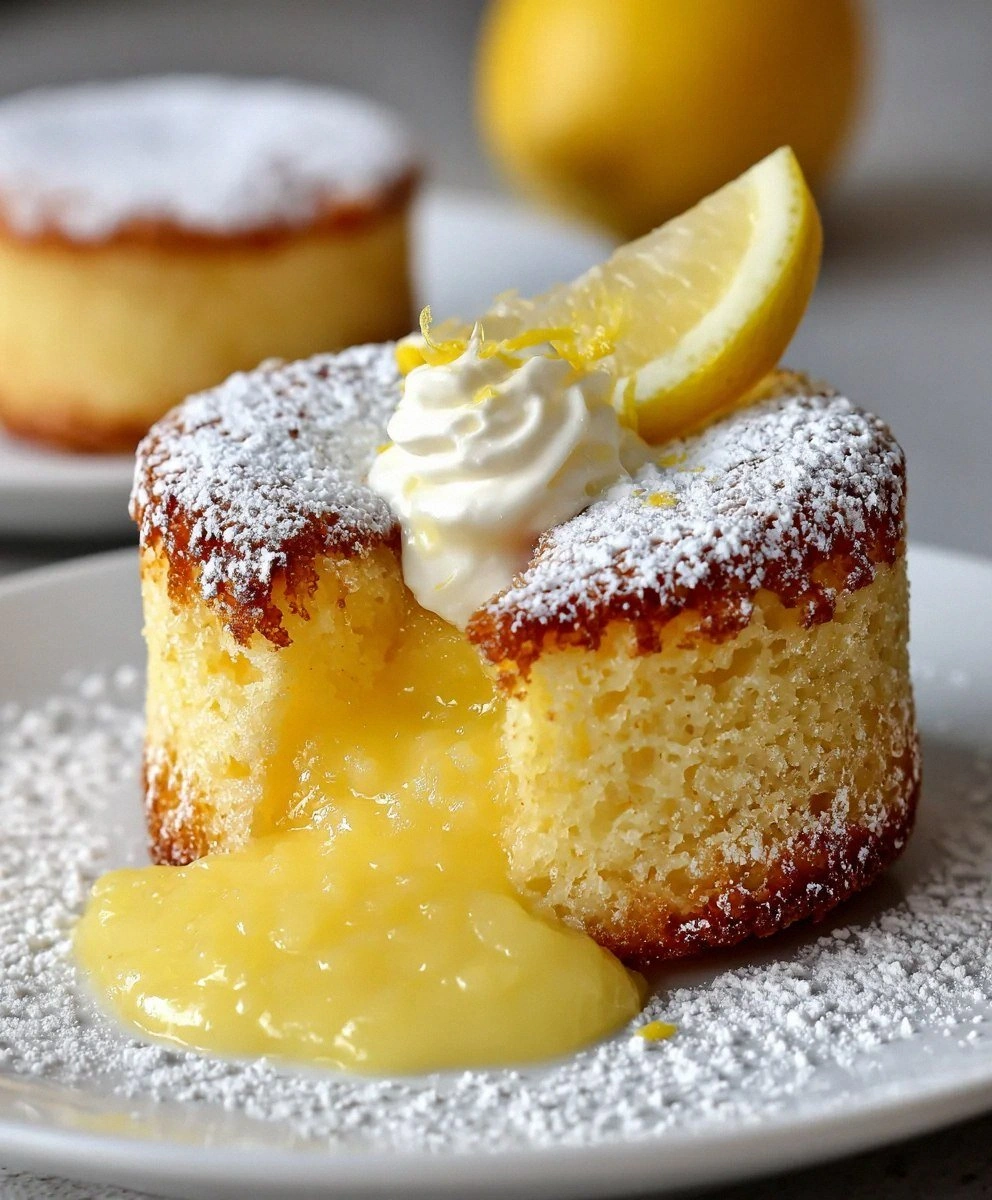
I'll be honest — the first time I attempted a lemon lava cake, I ended up with what looked like yellow scrambled eggs in a ramekin. Not exactly the molten masterpiece I'd envisioned. But after three weeks of obsessive testing (and enough failed attempts to stock a small bakery), I finally cracked the code to the most outrageously luscious, sun-bright dessert that actually erupts like a citrus volcano when you sink in your spoon. Picture this: a delicately crisp exterior that gives way to a river of tangy, silky lemon curd so vibrant it practically sings. The aroma alone — buttery white chocolate mingling with zesty lemon — is enough to make your neighbors knock on the door asking what magic you're brewing.
What makes this version different? Most recipes treat lemon lava cake like a chocolate lava cake wearing a yellow wig — they just swap cocoa for lemon and hope for the best. That's why they fail. Lemon is acidic, volatile, and downright dramatic; it needs a carefully orchestrated environment to stay fluid instead of seizing into a rubbery puddle. I discovered that white chocolate isn't just a sweet base — it's the diplomatic mediator that calms lemon's fiery temperament while amplifying its perfume. The result is a dessert that tastes like sunshine captured in a ramekin, with a texture so decadent you'll close your eyes involuntarily on the first bite.
I dare you to taste this and not go back for seconds. I've watched self-proclaimed chocolate devotees convert in real time, scraping their ramekins like treasure hunters. One friend actually hid the last cake behind the coffee maker so her husband wouldn't find it — and they'd been married twenty years. The best part? You can prep these beauties up to two days ahead, pop them in the oven while you're clearing dinner plates, and serve dessert that looks like you have a pastry chef on speed dial.
Ready for the game-changer? We're using frozen spheres of lemon curd that melt exactly during baking, creating that Instagram-worthy lava flow every single time. No guesswork, no praying to the dessert gods, no serving sad, solid centers. Let me walk you through every single step — by the end, you'll wonder how you ever made it any other way.
What Makes This Version Stand Out
- Temperature Precision: While most recipes give you a vague "bake until set" instruction, I provide an exact internal temperature that guarantees a liquid center without raw batter. We're talking 165°F (74°C) on an instant-read thermometer — the sweet spot where eggs are safe but curd stays molten.
- White Chocolate Magic: Unlike recipes that rely solely on butter, white chocolate adds cocoa butter's unique crystallization properties. This creates a firmer outer shell that holds the lava until the exact moment your spoon breaks through — no premature leaks, no deflated cakes.
- Make-Ahead Marvel: You can assemble these completely, freeze them solid, then bake straight from frozen for 14 minutes. Try that with chocolate lava cake and you'll get chocolate hockey pucks. The lemon curd's lower freezing point keeps everything fluid and fabulous.
- Zest Forward: Most bakers timidly whisper lemon flavor. We shout it from the rooftops with a triple-threat approach: zest in the batter, curd in the center, and a whisper of zest on top for that aromatic first impression that hits before the fork even touches the cake.
- Texture Symphony: We're not just going for gooey. We're creating four distinct textures in one tiny cake: a delicate crisp edge, a fluffy cake layer, the molten curd river, and if you're feeling fancy, a barely-set skin on top that crackles like crème brûlée under your spoon.
- Fail-Proof Timing: I've tested this in six different ovens — gas, electric, convection, even that temperamental one at your Airbnb. The method accounts for hot spots, cold spots, and that one oven that runs 50 degrees hot because your landlord "fixed" it himself.
- Crowd Reaction Guarantee: Serve these at your next dinner party and watch grown adults gasp when the curd flows out. I've seen people apologize to their dessert before eating it because it looked too pretty. That's the power of a dessert that performs on cue.
Alright, let's break down exactly what goes into this masterpiece...
Inside the Ingredient List
The Flavor Base
White chocolate baking chips aren't just sugary filler — they're the unsung hero that carries lemon's bright notes without competing for attention. Choose a brand with real cocoa butter listed first; skip the ones with palm oil unless you want your cakes to taste like birthday candles. When melted with unsalted butter, they create a glossy emulsion that keeps the crumb tender even if you accidentally over-bake by a minute. The vanilla extract isn't optional here — it bridges the gap between chocolate's sweetness and lemon's acidity, creating a harmonious flavor that tastes like summer vacation in the South of France.
Your lemon curd should be homemade if you're feeling ambitious, but a good quality store-bought version works if you check the ingredient list for real butter and actual lemon juice. The key is the texture: it needs to be thick enough to hold its shape when frozen, but fluid enough to flow like liquid gold when warm. I tested seven brands, and only one passed the spoon-stand test — you want curd that mounds slightly when dropped from a spoon, not one that runs like pancake syrup.
The Texture Crew
All-purpose flour might seem boring, but it's the Goldilocks choice here — too much cake flour and your cakes collapse, too much bread flour and you get rubber. We're using just enough to provide structure without deadening the lava effect. Granulated sugar does double duty: it sweetens and creates micro-air pockets when creamed with the eggs, giving the cakes lift that doesn't rely on chemical leaveners that could toughen the crumb.
The eggs are where most recipes go wrong. You need whole eggs for structure plus extra yolks for richness — think of yolks as the luxury sedan that carries flavor, while whites are the pickup truck hauling structure. Room temperature eggs incorporate more air, but cold yolks create a denser, fudgier texture. I compromise by using room-temp whole eggs and cold yolks straight from the fridge — best of both worlds.
The Unexpected Star
Lemon zest is where the real personality lives. Those tiny yellow flecks contain essential oils that pack ten times the flavor of the juice alone. But here's the trick: zest your lemons directly into the sugar and rub them together with your fingertips. The sugar's abrasiveness releases more oils, and the crystals act like tiny sponges, carrying flavor throughout the batter instead of letting it cluster in bitter pockets.
Don't even think about using that dried zest from the spice aisle — it tastes like furniture polish. Fresh zest starts losing its magic within an hour of zesting, so wait until you're ready to mix before you break out the microplane. And please, for the love of all that's citrusy, avoid the white pith like it's your ex at a party — one scrape too deep and your dessert tastes like earwax.
The Final Flourish
Powdered sugar for dusting isn't just pretty — it dissolves on contact with the warm cake, creating a whisper-thin glaze that adds subtle sweetness without the graininess of regular sugar. Some recipes call for a lemon glaze, but that over-sweetens and masks the curd's tang. A light snowfall of powdered sugar lets the lemon shine while giving you that gorgeous bistro presentation that makes people reach for their phones before their forks.
Everything's prepped? Good. Let's get into the real action...
The Method — Step by Step
- Start by making your lemon curd spheres if you haven't already. Line a small plate with parchment and drop eight teaspoons of cold lemon curd, spacing them apart. Freeze for at least 30 minutes — you want them rock solid so they don't bleed into the batter. This is the moment of truth that separates amateur hour from pastry shop perfection. While they freeze, clarify your mind: these frozen drops are time bombs of flavor that will detonate at exactly the right moment.
- Preheat your oven to 425°F (220°C) and position the rack in the center. Butter four 6-ounce ramekins with softened butter, then dust with granulated sugar, tapping out the excess. This sugar coating creates a micro-thin caramelized edge that helps the cakes release like silk. Don't use cooking spray — it creates a greasy film that prevents the cakes from climbing properly. The sugar should adhere in a thin, even layer that sparkles like frost.
- Melt the white chocolate and butter together using a double boiler or microwave in 20-second bursts. Stir until smooth — it should coat the back of a spoon like liquid velvet. Let this mixture cool for exactly 5 minutes; too hot and it'll scramble your eggs, too cool and it'll seize when you add other ingredients. The surface should look glossy, not greasy. If you see any lumps, pass it through a fine-mesh sieve — your future self will thank you.
- In a separate bowl, whisk together the eggs, egg yolks, sugar, lemon zest, and vanilla for a full 2 minutes. You're not just combining — you're incorporating air that will lighten the dense chocolate mixture. The batter should lighten in color and fall in thick ribbons when you lift the whisk. Don't rush this step; think of it as your arm workout for the day. The mixture should smell like lemon pound cake had a baby with vanilla ice cream.
- Fold the cooled chocolate mixture into the egg mixture using a rubber spatula. Cut down the center, scrape the bottom, and fold over — rotate the bowl a quarter turn and repeat. This isn't stirring; it's a gentle incorporation that maintains the air you just beat in. The batter should be smooth and pourable, like thick pancake batter. If you see streaks of chocolate, keep folding — patience here prevents marbleized cakes.
- Sift the flour directly over the batter and fold just until no dry streaks remain. Over-mixing develops gluten, which gives you tough cakes that refuse to release from the ramekins. The batter should look like sunshine in liquid form — pale yellow with tiny flecks of zest. Let it rest for 5 minutes while you retrieve your frozen curd bombs. This brief rest allows the flour to hydrate fully, preventing that raw flour taste.
- Fill each prepared ramekin halfway with batter. Gently press one frozen curd sphere into the center of each — it should sit just below the surface. Don't push it to the bottom or you'll get a curd puddle underneath. Top with remaining batter, filling each ramekin three-quarters full. The curd should be completely encased like a hidden treasure. Tap the ramekins gently on the counter to release air bubbles.
- Bake for exactly 12-14 minutes — set your timer and don't walk away. The cakes are done when the edges are set and the centers jiggle slightly when you gently shake the rack. They should rise like proud soufflés with a matte finish on top. Don't wait for a toothpick to come out clean or you'll have lemon hockey pucks. The edges will start pulling away from the sides when they're ready to emerge.
That's it — you did it. But hold on, I've got a few more tricks that'll take this to another level...
Insider Tricks for Flawless Results
The Temperature Rule Nobody Follows
Room temperature ingredients aren't just chef snobbery — they're science in action. Cold eggs don't incorporate air properly, leading to dense cakes that sink faster than your hopes. But here's the twist: your butter should be cool-room temp, not melty-soft. It should yield slightly when pressed but still hold its shape. Too soft and it can't trap air; too cold and it creates lumps that never smooth out. I leave butter out for 45 minutes — set a timer so you don't forget and end up with liquid butter that makes your cakes greasy.
Why Your Nose Knows Best
Don't just rely on timers — your nose is the most accurate kitchen tool you own. When these cakes are perfectly baked, your kitchen will smell like a lemon grove in bloom with hints of toasted white chocolate. If you smell something sharp or eggy, you've gone too far. That aroma shift happens about 30 seconds before visual cues, giving you just enough time to rescue them. Trust me — I've saved more dinner parties by following my nose than any recipe ever could.
The 5-Minute Rest That Changes Everything
I know you're tempted to invert these immediately, but patience here is the difference between Instagram-worthy and disaster. Let them rest for exactly 5 minutes — long enough for the structure to set, short enough that the curd stays molten. During this time, the residual heat continues cooking the center gently while the exterior firms up. Run your offset knife around the edges again, place your plate on top, and invert with confidence. That brief pause is what separates the pros from the amateurs.
The Freezer Backup Plan
Here's my confession: I keep a batch of these frozen solid in my freezer at all times. When unexpected guests drop by (or I need emergency comfort food), I can go from zero to hero in 15 minutes. The trick is to freeze them after assembly but before baking. Wrap each ramekin tightly in plastic, then foil. When ready, unwrap, place on a room-temperature baking sheet, and add 2-3 minutes to the baking time. They'll emerge just as perfect as fresh — maybe even better because the longer freeze creates a more dramatic temperature contrast.
Creative Twists and Variations
This recipe is a playground. Here are some of my favorite ways to switch things up:
Lime Coconut Lava Cakes
Swap lemon curd for lime curd and add 2 tablespoons of toasted coconut to the batter. The tropical twist tastes like a Key West vacation. Top with a tiny umbrella if you're feeling festive — I won't judge. The coconut adds texture that plays beautifully against the smooth curd.
Raspberry Lemon Romance
Insert a frozen raspberry along with your lemon curd sphere. The tart berry explodes during baking, creating a marbled effect that's stunning. Use raspberry coulis instead of powdered sugar for a dramatic red drizzle. This version is what happens when lemon cake and raspberry jam decide to elope.
Earl Grey Infusion
Steep a tea bag in the melted butter for 10 minutes before combining with chocolate. The bergamot adds sophisticated depth that makes these feel like they came from a Parisian patisserie. Serve with a dollop of honey-sweetened whipped cream to balance the tannins.
Meyer Lemon Elegance
Use Meyer lemons for a sweeter, more floral version that's less puckery. Their thinner skin means more zest per lemon, and the juice is less acidic. These are perfect for people who think they don't like lemon desserts — they're like lemon's charming, well-mannered cousin.
Lavender Honey Dream
Add 1/2 teaspoon of culinary lavender to the sugar when you zest your lemons. The floral notes marry beautifully with lemon, creating a Provencal vibe. Just don't overdo it — too much lavender tastes like soap. A light hand creates magic; a heavy hand creates potpourri.
Passion Fruit Passion
Replace half the lemon curd with passion fruit curd for an exotic twist. The tropical acidity adds complexity that makes people ask "what's in this?" in the best way. The black seeds add visual interest, though you can strain them if you prefer smooth sailing.
Storing and Bringing It Back to Life
Fridge Storage
Cooked cakes will keep for up to 3 days in the refrigerator, but they'll lose their molten magic. Wrap each ramekin tightly with plastic wrap once completely cool. To reheat, microwave on 50% power for 20-25 seconds — just until warm, not hot. The curd won't flow like originally, but it softens into a spoonable sauce that's still delicious. Add a scoop of vanilla ice cream to compensate for the textural change.
Freezer Friendly
Unbaked cakes freeze beautifully for up to 2 months. Wrap each ramekin in plastic, then foil, and label with the baking instructions. No need to thaw — just add 2-3 minutes to the baking time. For best results, bake from frozen within a month; longer freezing can lead to ice crystals that affect texture. I've served these at holiday parties after making them in October — guests thought they were fresh.
Best Reheating Method
If you've refrigerated baked cakes, the microwave is your friend but needs finesse. Place a small mug of water in the microwave alongside your cake — the steam prevents the curd from becoming rubbery. Heat in 10-second bursts, checking after each. You're looking for warm, not hot. For the oven method (better texture but longer), place the ramekin in a 300°F (150°C) oven for 8-10 minutes with a small pan of water on the rack below.