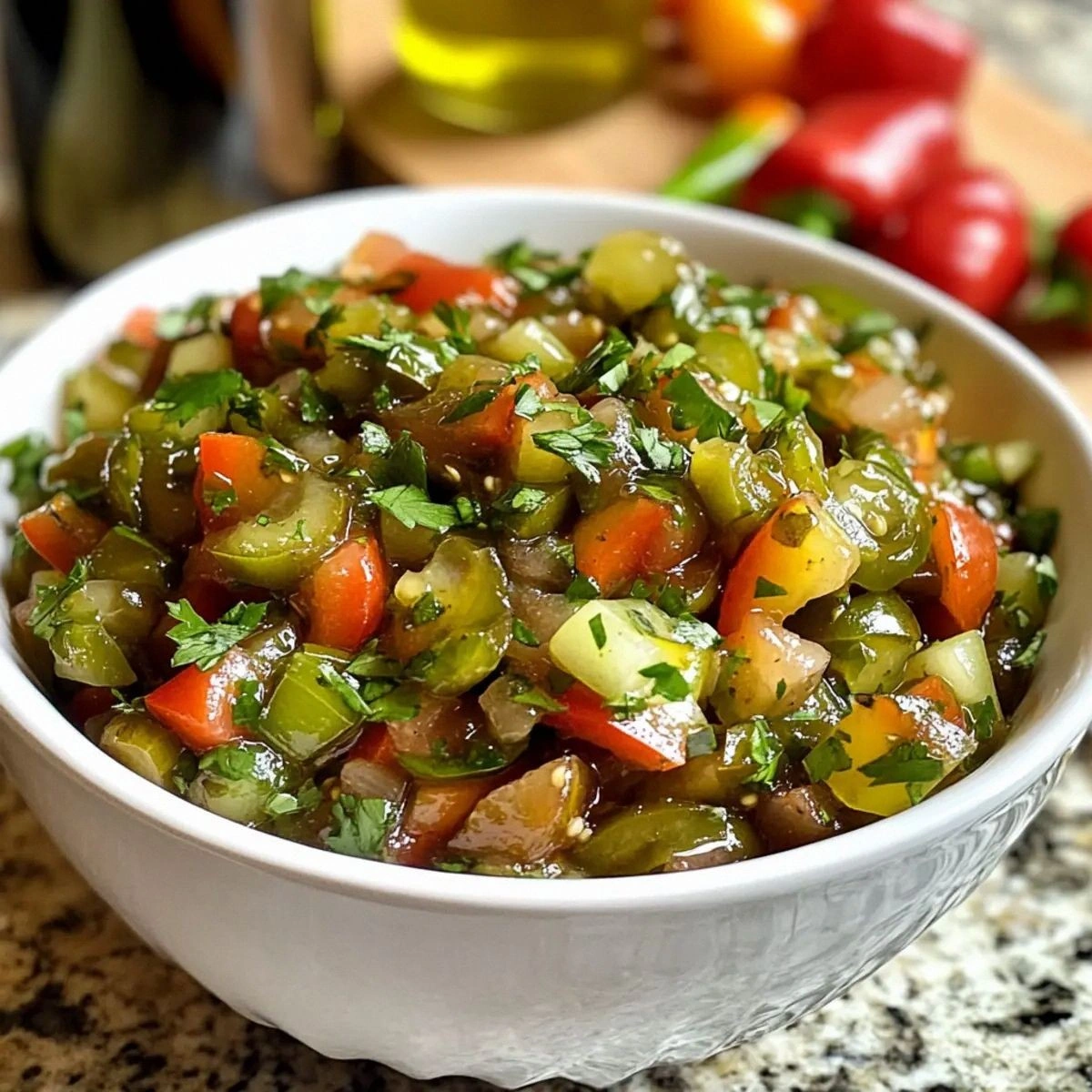
I burned dinner three nights in a row chasing the perfect Keema Curry. The first attempt tasted like cafeteria chili, the second glued itself to my favorite pan, and the third left me spooning yogurt straight from the tub to cool the volcanic heat. By night four I was muttering spice names in my sleep—cumin, coriander, garam masala—like some sort of culinary mantra. But then the scent drifting from the stove changed: rich, meaty, almost buttery, with a whisper of warm earth that made my neighbors knock to ask what on earth I was cooking. One bite and I knew the chaos had been worth it; the mince was velvet-tender, each grain slick with sauce that clung like glossy enamel, and the spices sang in perfect harmony instead of elbowing one another for attention. I ate it straight from the pot, standing up, ignoring the rice I'd supposedly prepared as a vehicle. This is the version that erased every previous failure and etched itself permanently into my weeknight rotation. If you've ever thought Keema was "just ground meat curry," prepare for a revelation that'll hijack your taste buds and refuse to give them back.
Picture this: onions hissing themselves into sugary submission, garlic hitting hot fat and blooming into instant aromatherapy, tomatoes collapsing into rusty silk while cumin seeds pop like tiny fireworks. The kitchen windows fog, the dog camps by the stove, and anyone within sniffing radius suddenly develops urgent business in your apartment. That alchemy happens because we're not just browning meat; we're layering flavor the way a composer stacks chords until a simple tune swells into a symphony. We're blooming whole spices in hot oil, letting them toast until they exhale a smoky perfume, then coaxing tomatoes into a glossy masque that wraps every morsel of meat in tangy sweetness. A final snowfall of garam masala rains down off-heat, waking up everything with its floral high notes. The result tastes like it simmered for hours, even though dinner's on the table in under forty-five minutes.
Most home cooks treat Keema like sloppy-joe filling with curry powder tossed in, and that's where they doom themselves to mediocrity. They skip the crucial step of caramelizing tomato paste, they crowd the pan so the meat steams instead of sears, and they forget the finishing flourish of fresh cilantro that makes the whole dish snap into focus. This version corrects every one of those missteps while staying true to the weeknight-friendly spirit of the original. No hunting for obscure ingredients, no marathon chopping sessions, no sink full of dishes—just one pot, a handful of pantry staples, and a technique so foolproof you'll memorize it after the first go. Ready for the game-changer? We're using a splash-hot, splash-cold method that keeps the meat juicy while still developing those coveted browned bits on the bottom of the pan. Let me walk you through every single step—by the end, you'll wonder how you ever made it any other way.
What Makes This Version Stand Out
- Flavor Bomb Base: We start by blooming whole cumin seeds in hot oil until they dance and crackle, releasing a nutty aroma that pre-ground cumin simply can't deliver. This tiny step injects an earthy backbone that anchors the entire dish.
- Texture Tango: Instead of dumping everything in at once, we sear the meat hard, then simmer it gently, creating two distinct textures—caramelized nuggets and saucy ribbons—so every bite surprises you.
- One-Pot Wonder: Everything happens in a single skillet, meaning you get layers of flavor without a mountain of dishes. The browned bits left after searing dissolve into the tomato-onion mixture, becoming built-in gravy concentrate.
- Flexible Heat: By keeping whole green chilies intact, you control the blaze; leave them for subtle warmth, slit them for medium fire, or chop them for full-scale ignition. Guests can customize their own plates without you cooking separate batches.
- Make-Ahead Magic: Keema actually tastes better the next day, so you can cook once and eat like royalty all week. The spices meld, the meat relaxes, and a quick reheat with a splash of water brings it back to life.
- Weeknight Lightning: From fridge to table in forty-five minutes flat, this dish fits between soccer practice and homework. Chop while the pan heats, simmer while rice cooks, and still have time to set the table.
- Crowd-Pleasing Power: Kids love the mild, tomato-kissed sauce; adults swoon over the complexity you can amp up with an extra pinch of chili. Serve it with rice, wrap it in warm naan, or spoon over fries—everyone finds their favorite vehicle.
Alright, let's break down exactly what goes into this masterpiece...
Inside the Ingredient List
The Flavor Base
Onions are the unsung heroes here, surrendering their sharp bite and transforming into jammy sweetness that underpins the entire curry. Chop them fine so they dissolve into the sauce; big chunks will never fully melt and you'll end up with distracting slippery bits. If you're truly pressed for time, blitz them in a food processor, but don't overdo it—onion puree turns the sauce cloudy rather than glossy. Skip the onion and you lose the silky body that makes restaurant Keema so luxurious; the tomato will taste harsh and one-dimensional without that natural sugar to balance the acid.
The Texture Crew
Ground meat carries the dish, but not all packages are created equal. Look for an 80/20 ratio of meat to fat; too lean and the curry feels sandy, too fatty and it swims in grease. Lamb delivers the traditional, slightly gamey depth that Indians grew up on, while beef offers a milder, crowd-friendly alternative. Turkey works for the health-conscious, though you'll want to drizzle in a teaspoon of ghee at the end to fake the richness. Whatever you choose, keep the meat cold right up until it hits the pan; room-temperature mince smears and releases water, turning your beautiful sear into gray stew.
The Unexpected Star
Fresh tomatoes might seem interchangeable with canned, but they bring a bright acidity that wakes up the spices. Chop them small so they collapse quickly, releasing juices that deglaze the pan and capture every speck of caramelized flavor. Out of season, a can of whole tomatoes hand-crushed beats the pre-diced versions swimming in calcium chloride mush. If you must use canned, add a pinch of sugar to mimic the natural sweetness of ripe tomatoes. Skip tomatoes entirely and you're not making Keema anymore; you're making a dry stir-fry that lacks the luscious sauce that makes rice or bread mandatory companions.
The Final Flourish
Garam masala added at the very end provides the aromatic top notes that make diners close their eyes involuntarily. Heat kills its volatile oils, so sprinkle it on after you pull the pan off the burner, letting residual warmth bloom the spices without burning them. Fresh cilantro delivers a grassy lift, but if you're one of those genetic unfortunates who tastes soap, swap in mint or parsley. A squeeze of lime just before serving amplifies every other flavor without announcing its own presence; skip it and the dish tastes flatter even though you can't pinpoint why.
Everything's prepped? Good. Let's get into the real action...
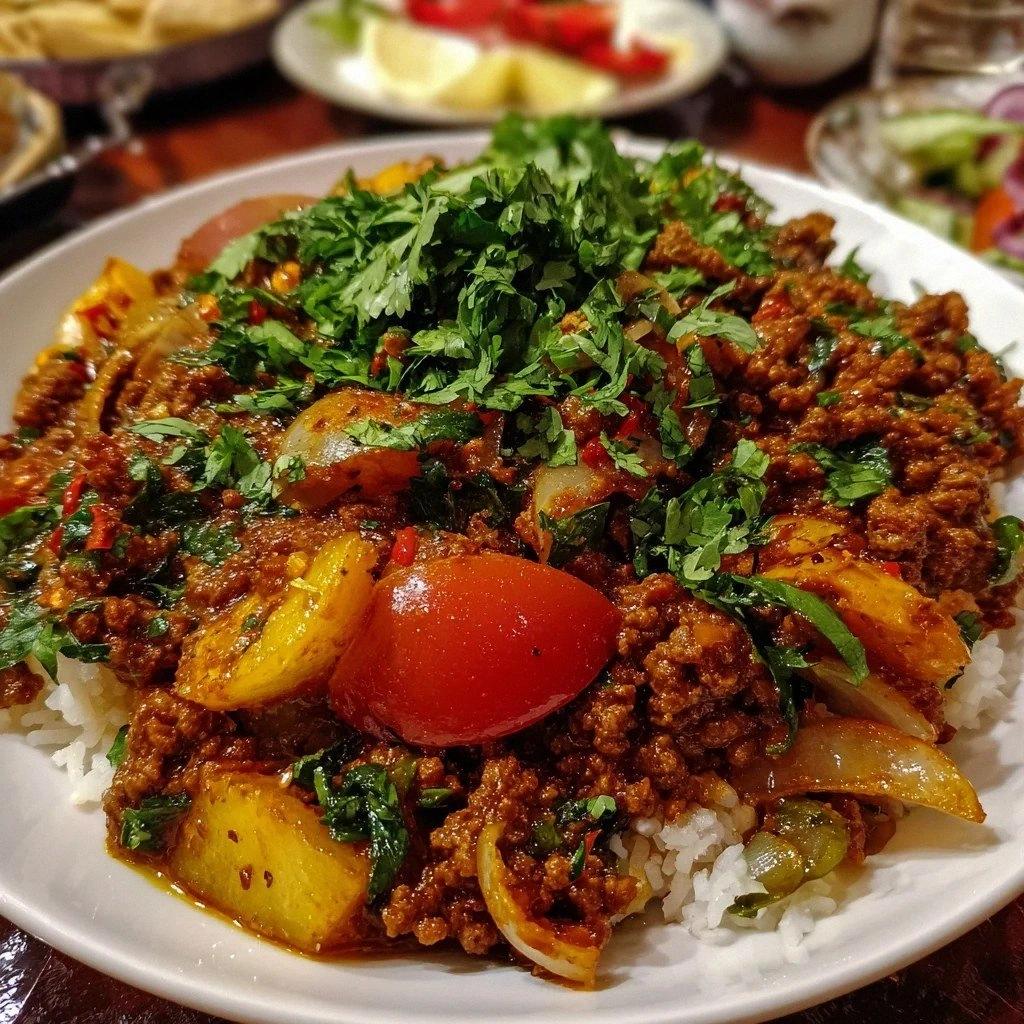
The Method — Step by Step
- Heat a wide, heavy skillet over medium-high until a drop of water skitters across the surface like it's late for a meeting. Add two tablespoons of oil or ghee; swirl so the surface shimmers like liquid gold. Toss in the cumin seeds and step back—they'll sputter and hop, releasing a smoky perfume that drifts through the kitchen like incense. Give them thirty seconds; you want them toasted, not charred, because bitter seeds will haunt the entire dish.
- Dump in the chopped onions, stirring immediately to coat each piece in spiced oil. Lower the heat slightly and cook for eight to ten minutes, stirring every minute or so, until the edges caramelize into deep mahogany. If the pan looks dry, splash in a teaspoon of water; it steams the onions and lifts the browned bits without extra oil. Your goal is jammy sweetness, not raw crunch, so be patient—this step builds the foundation that every later flavor rests on.
- Clear a space in the center and add ginger, garlic, and green chilies, letting them sizzle in direct contact with the metal for fifteen seconds before stirring. The garlic should turn fragrant but not brown; brown means bitter and there's no coming back from that. Mash everything together so the aromatics disappear into the onions, creating a paste that smells like you've been transported to a Mumbai street stall. Listen for the sound to change from sharp hiss to mellow murmur; that's your cue the moisture has cooked off and the mixture is ready for tomatoes.
- Add the tomatoes plus a teaspoon of salt, which helps them break down faster. Increase heat slightly and cook, stirring occasionally, until the mixture transforms from chunky salsa into a glossy mahogany sauce that pulls away from the sides of the pan. You'll notice the oil separating at the edges, glistening like a halo—this visual cue means the tomatoes have caramelized and the raw tang has mellowed into sweet complexity. If the tomatoes refuse to cooperate, smash them with the back of your spoon to hurry the process along.
- Time for the star: push the tomato-onion mix to the edges and add the ground meat in one block. Let it sit undisturbed for two full minutes so the bottom develops a crust. Resist the urge to stir; moving meat too soon causes it to release water and steam rather than sear. When the edges turn opaque and brown, flip the block in sections, breaking it into large chunks with your spatula.
- Sprinkle coriander, cumin, turmeric, and another pinch of salt over the meat. The turmeric stains everything golden, a visual promise of the flavor to come. Stir vigorously, smashing any large clumps, until the spices coat every bit of meat and the whole skillet smells like you've stepped into a spice market at closing time. If the mixture looks dry, add two tablespoons of water; you want a thick sauce, not soup, but the spices need liquid to bloom without burning.
- Reduce heat to low, cover the pan, and let the curry simmer for fifteen minutes, stirring every five to prevent sticking. The meat relaxes, the flavors marry, and the sauce thickens into a glossy coat that clings to each grain. If you're adding peas or potatoes, toss them in now so they cook through but keep a gentle bite. Taste and adjust salt; under-salting at this stage leaves the entire dish flat no matter how good your spice lineup is.
- Off the heat, shower on the garam masala and half the cilantro, folding quickly so the heat blooms the aromatics without scorching them. Cover again and let rest for five minutes; this brief pause allows the final perfume to permeate every nook. Serve steaming hot, scattered with the remaining cilantro, alongside fluffy rice or warm bread to mop up every last streak of sauce. Stand back and watch plates get scraped clean—this is the moment you realize you've created something borderline addictive.
That's it—you did it. But hold on, I've got a few more tricks that'll take this to another level...
Insider Tricks for Flawless Results
The Temperature Rule Nobody Follows
High heat sears meat, but medium heat finishes it tender. Start blazing hot for that crust, then drop the flame the moment you add liquid spices. Think of it like tanning—quick sizzle for color, gentle warmth to cook through without leather texture. A friend once cranked the burner the entire time and served what can only be described as meat gravel; don't be that friend.
Why Your Nose Knows Best
Trust aroma checkpoints more than timers. When cumin seeds smell like toasted hazelnuts, when onions hit the sweet perfume stage, when tomatoes lose their raw edge and start smelling like sundried fruit—those are your cues. Ovens vary, pans vary, but your nose is calibrated perfectly to your kitchen. If it smells done, it probably is; if it doesn't, no amount of clock-watching will save the dish.
The 5-Minute Rest That Changes Everything
After you kill the heat, lid the pan and walk away for five minutes. This isn't lazy; it's science. Residual warmth allows starches to finish swelling, spices to bloom fully, and meat fibers to reabsorb juices that would otherwise flood the plate. Skip this step and your curry pools water on the table, diluting flavors and turning rice mushy. Patience here pays off in restaurant-level plating.
Fresh Spice, Fresh Life
If your coriander powder smells like sawdust, toss it. Spices older than a year have lost their volatile oils, which means they contribute color but zero flavor. Buy in small quantities from a busy store, keep them in airtight jars away from sunlight, and date the lid so you know when to refresh. The difference between stale and fresh spices in this dish is the difference between black-and-white and technicolor.
Creative Twists and Variations
This recipe is a playground. Here are some of my favorite ways to switch things up:
Keema Sloppy Joe
Pile the finished curry onto soft burger buns, top with shredded cabbage tossed in lime juice, and serve open-face under a blanket of sharp cheddar. The Indian-spiced meat meets American comfort food in a mash-up that disappears at game-day parties. Add a squirt of ketchup if you must, but taste first—you might find the curry needs no extra sweetness.
Breakfast Scramble
Fold leftover Keema into beaten eggs and cook gently for the most epic breakfast burrito filling. The turmeric already in the curry dyes the eggs sunny gold, while the cumin and coriander make the morning smell like you've been transported to a Bombay café. Wrap in a warm tortilla with avocado and hot sauce for a handheld breakfast that beats diner hash browns any day.
Stuffed Pepper Power
Halve and hollow bell peppers, spoon Keema inside, top with breadcrumbs mixed with ghee, and bake until the peppers soften and the crust turns golden. The sweetness of roasted pepper mingles with spicy meat, creating a low-carb dinner that feels fancy enough for company. Use colored peppers for a visual pop that makes the table look like a fiesta.
Shepherd's Pie Remix
Spread Keema in a baking dish, top with mashed potatoes spiked with green chili and cilantro, and broil until the peaks turn bronze. The Indian spices cozy up to the British classic like long-lost cousins, creating a fusion that comfort-food addicts will crave on rainy Sundays. Add a handful of frozen peas to the meat layer for pops of sweetness.
Keema Quesadilla
Sandwich curry and Monterey Jack between flour tortillas, then griddle until the exterior shatters and the cheese pulls into Instagram-worthy strings. Dip into minty yogurt sauce for the ultimate east-meets-west snack. Kids who claim they hate curry will devour these triangles without asking questions.
Vegan Victory
Swap the ground meat for crumbled tempeh or finely diced mushrooms, add a spoon of tomato paste for body, and finish with coconut milk for richness. The spices remain identical, proving that flavor depends on technique, not just animal fat. Even carnivores request seconds when served this plant-powered version.
Storing and Bringing It Back to Life
Fridge Storage
Let the curry cool to room temperature, then pack into airtight glass containers; plastic absorbs turmeric stains like a souvenir you never asked for. It keeps up to four days, though good luck making it last that long. Press plastic wrap directly onto the surface to prevent a skin from forming, or embrace the skin and stir it back in for extra body—your call.
Freezer Friendly
Portion into zip-top bags, flatten them into thin slabs so they stack like books and thaw in minutes under warm water. Exclude as much air as possible to prevent freezer burn, and label with the date; even the best Keema loses personality after two months in cryo-sleep. Thaw overnight in the fridge for best texture, though the microwave's defrost setting works in a pinch.
Best Reheating Method
Dump the cold curry into a small saucepan with a splash of water or broth, cover, and warm over low heat, stirring occasionally. The extra liquid steams the meat back to juicy life while preventing scorched bottoms. Taste and brighten with a squeeze of lemon or a pinch more garam masala; freezing dulls spices, so a final flourish wakes everything up. Microwave works for single servings, but use half-power and stir every thirty seconds to avoid rubbery meat.