Picture this: it’s a rainy Tuesday night, the kind where the clouds look like they’re about to spill the whole pantry onto your kitchen floor, and you’ve just realized you’re out of the usual go‑to comfort food—mac & cheese. I was standing there, staring at a half‑filled fridge, when my roommate dared me to “make something that could actually replace pizza for a night.” I laughed, grabbed the nearest taco seasoning packet, and thought, why not mash the two worlds together? The result? A sauce so creamy it could double as a dip, so cheesy it could make a dairy farmer weep, and so loaded with taco goodness that even the most skeptical meat‑lover would beg for seconds.
The first thing that hit me was the scent—a buttery, toasted aroma that rose from the pan like a promise. The sizzle of the ground beef hitting the hot skillet was a drumroll, and the moment the cheese melted into the milk, it created a velvety river that glistened like liquid gold. I could hear the faint crackle of the taco shells as they warmed up on the side, and the whole kitchen seemed to hum with anticipation. When I finally drizzled that sauce over the tacos, the cheese stretched like a lazy cat waking up, and the flavors collided in a way that felt like a fiesta in my mouth.
Most taco cheese sauces either turn out grainy, watery, or just plain bland. I’ve tried the “quick‑mix” versions that rely on processed cheese blocks, and they end up tasting like a cardboard box that’s been sitting in a pantry for a decade. This version, however, is a game‑changer because it builds a proper roux, incorporates fresh dairy, and layers the classic taco seasoning with a blend of cheddar and Monterey Jack for that perfect melt. The secret? A splash of diced tomatoes and a pop of fresh cilantro right at the end, giving it a bright, tangy finish that cuts through the richness like a cool breeze on a hot day.
And here’s the kicker: I’m going to reveal a technique that most recipes skip entirely—using a combination of butter and flour to create a silky base before the milk ever touches the pan. It’s the difference between a sauce that clings to each taco like a second skin and one that slides off in a sad, greasy puddle. I dare you to taste this and not go back for seconds. Let me walk you through every single step — by the end, you’ll wonder how you ever made it any other way.
What Makes This Version Stand Out
- Flavor Explosion: The blend of taco seasoning, fresh garlic, and a splash of diced tomatoes creates a depth that’s both smoky and bright, hitting every taste bud with a fiesta of sensations.
- Creamy Texture: By starting with a butter‑flour roux and slowly whisking in whole milk, the sauce achieves a velvety consistency that coats each taco shell like a luxurious blanket.
- Cheese Harmony: Combining sharp cheddar with mellow Monterey Jack gives the sauce a perfect balance of bite and melt, avoiding the one‑note flavor of single‑cheese sauces.
- Simplicity Meets Sophistication: Only ten core ingredients, yet each step is designed to maximize flavor without demanding a culinary degree.
- Crowd‑Pleaser Factor: Whether you’re feeding kids, picky eaters, or taco aficionados, this sauce earns unanimous applause and often sparks a second‑helping frenzy.
- Make‑Ahead Magic: The sauce holds up beautifully in the fridge for up to three days and can be reheated without losing its silky texture.
- Ingredient Quality: Using an 80/20 ground beef blend ensures juicy richness, while fresh garlic and cilantro add that garden‑fresh pop.
- Cooking Method: The staged cooking—first browning the meat, then building the roux—prevents lumps and guarantees a smooth finish every single time.
Inside the Ingredient List
The Flavor Base
Ground Beef (1 lb): I prefer an 80/20 blend for the perfect balance of flavor and juiciness. The extra fat renders into the sauce, enriching every bite. If you’re watching calories, you can swap for 90/10, but expect a slightly leaner mouthfeel.
Onion (1 small, diced): A small diced onion adds sweetness and depth to the beef mix. Yellow or white onions work wonderfully here, releasing their sugars as they caramelize. Skipping the onion will leave the sauce flat, like a song missing its chorus.
Garlic (3 cloves, minced): Fresh garlic, minced to perfection, ensures you infuse rich aroma and taste into the dish. Trust me, fresh beats powder any day—powder will never give you that punchy bite.
The Texture Crew
Butter (3 Tbsp): A few tablespoons will create a luscious roux for your creamy cheese sauce. It brings that indulgent richness we all crave and helps the flour dissolve without forming lumps.
All‑purpose Flour (2 Tbsp): This is the backbone of your roux, thickening the sauce and giving it structure. Too much flour makes it gummy; too little leaves it watery. Measure carefully.
Whole Milk (2 cups): For a creamy, dreamy consistency that begs to be spooned over everything! Whole milk’s fat content is crucial for that silky mouthfeel.
Cream Cheese (½ cup, softened): Essential for making that decadent cheese sauce ultra‑smooth and creamy. Grab the softened version to avoid lumps—if you forget, microwave for 10 seconds and stir.
Shredded Cheddar Cheese (1 cup): A must‑have for that ooey‑gooey texture that makes every bite heavenly. The sharpness adds a pleasant bite that balances the milder flavors.
Monterey Jack Cheese (1 cup): This adds a different flavor profile and a lovely melt. A perfect pairing with cheddar, it ensures the sauce stays glossy.
The Unexpected Star
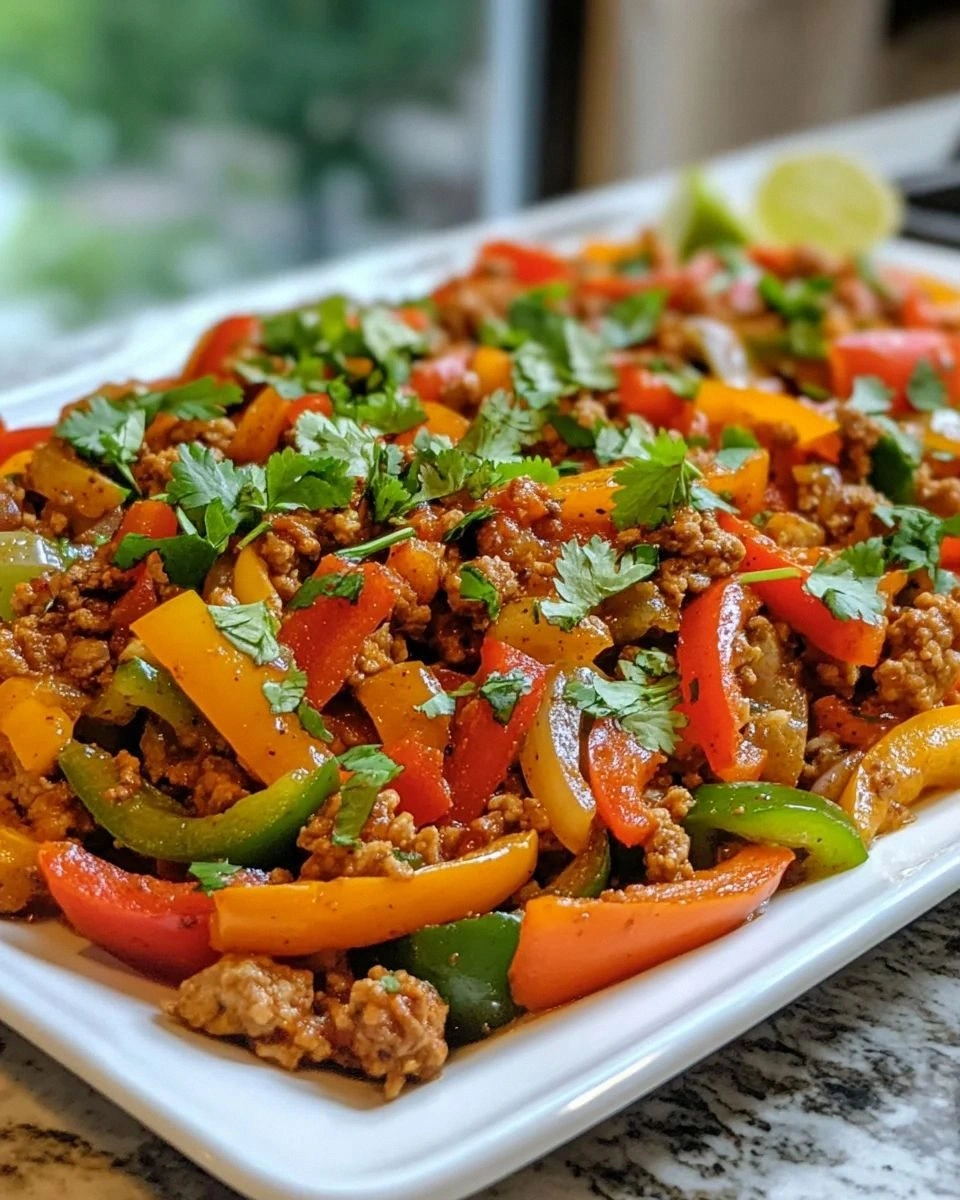
Bell Pepper (½ cup, finely diced): Diced finely, it adds crunch and a pop of color. Feel free to use any color you like—red for sweetness, green for a slight bitterness.
Diced Tomatoes (1 cup): These brighten the sauce and offer a fresh tang to the dish; you can use canned or fresh. The acidity cuts through the richness, preventing the sauce from feeling cloying.
Cilantro (2 Tbsp, chopped): Freshly chopped cilantro lends that classic taco flair and a burst of freshness—an essential touch that lifts the whole dish.
Garlic Powder (½ tsp) & Onion Powder (½ tsp): These enhance flavor and ensure an extra punch of taste throughout the sauce. They’re the silent sidekicks that keep the flavor consistent.
The Final Flourish
Taco Shells (8 hard or soft shells): Depending on your preference, opt for hard or soft shells. Both are delicious, but the sauce clings better to soft shells, creating a more cohesive bite.
Optional Toppings: Extra shredded cheese, fresh cilantro, sour cream, and hot sauce can take your tacos to the next level. Don’t forget them—these add texture, coolness, and heat.
Everything’s prepped? Good. Let’s get into the real action…
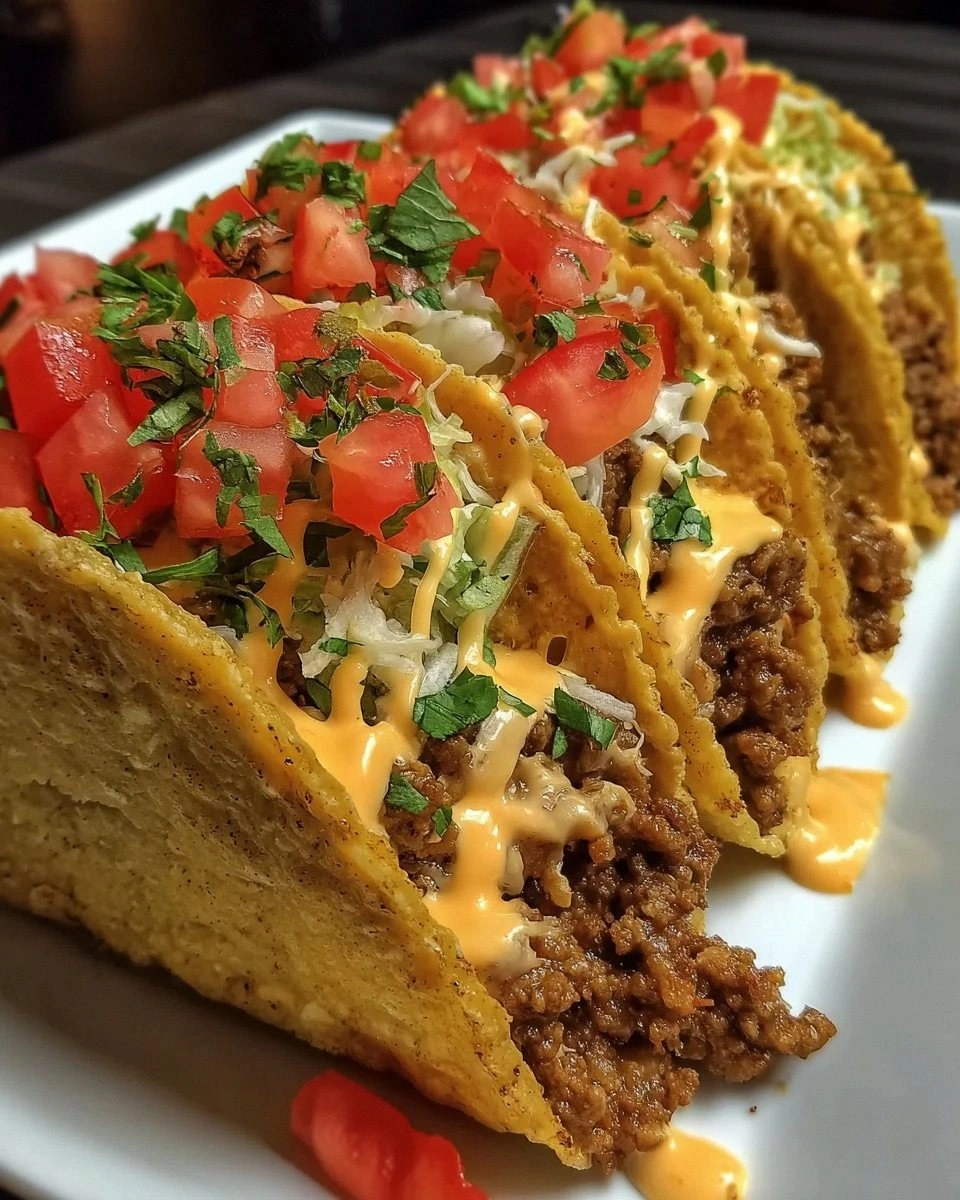
The Method — Step by Step
Heat a large skillet over medium‑high heat and add the ground beef. Break it up with a wooden spoon, letting it sizzle until it releases a deep, caramelized aroma. Once the meat is browned, stir in the diced onion and continue cooking for about three minutes until the onion turns translucent. That sizzle when it hits the pan? Absolute perfection.
Add the minced garlic, taco seasoning, garlic powder, and onion powder. Cook for another minute, allowing the spices to bloom—this is the moment where the sauce starts to build its personality. If you’re feeling adventurous, sprinkle a pinch of smoked paprika for an extra smoky whisper.
Pour in the water (¼ cup) to deglaze the pan, scraping up any browned bits stuck to the bottom. Those bits are flavor gold; don’t let them go to waste. Let the mixture simmer for two minutes, then turn the heat down to low.
In a separate saucepan, melt the butter over medium‑low heat. Once melted, whisk in the flour, creating a smooth roux. Keep whisking for about a minute until the mixture turns a light golden hue—this is your flavor foundation.
Gradually whisk in the whole milk, a little at a time, until the sauce thickens and becomes glossy. You’ll notice it pulling away from the sides of the pan—this is your cue that the roux has fully incorporated.
Reduce the heat to low and fold in the softened cream cheese, stirring until it melts completely. The sauce should now have a luxurious, velvety texture. At this stage, add the shredded cheddar and Monterey Jack, letting each melt fully before moving on.
Stir in the diced bell pepper and tomatoes, allowing them to soften for about three minutes. The tomatoes will release a subtle acidity that brightens the sauce, while the bell pepper adds a pleasant crunch.
Finally, fold in the chopped cilantro and give the sauce a quick taste. Adjust seasoning with a pinch more salt or a dash of hot sauce if you like heat. The cilantro should be fragrant but not overpowering—think of it as the final brushstroke on a masterpiece.
Warm your taco shells in the oven for two minutes, just until they’re pliable and lightly toasted. Spoon the creamy sauce generously over each shell, then top with optional shredded cheese, a dollop of sour cream, extra cilantro, and a drizzle of hot sauce. Picture yourself pulling this out of the oven, the whole kitchen smelling incredible, and the first bite delivering a cascade of flavors that dance across your palate.
That’s it — you did it. But hold on, I’ve got a few more tricks that’ll take this to another level…
Insider Tricks for Flawless Results
The Temperature Rule Nobody Follows
Never rush the roux. Keep the heat on medium‑low and whisk continuously. If you notice the mixture bubbling too aggressively, lower the heat; a gentle simmer ensures the flour cooks without scorching, preserving that silky texture.
Why Your Nose Knows Best
When the cheese starts to melt, trust your sense of smell. The sauce should give off a buttery, slightly nutty aroma. If you smell a burnt scent, you’ve turned the heat up too high—immediately remove the pan from the burner and keep whisking.
The 5‑Minute Rest That Changes Everything
After you finish the sauce, let it sit off the heat for five minutes. This short rest lets the flavors meld, similar to letting a stew sit overnight. The sauce will become even smoother and the spices will harmonize.
Pre‑Cook the Veggies for Extra Sweetness
If you love a sweeter profile, sauté the bell pepper and tomatoes in a dash of butter before adding them to the sauce. The caramelization adds a subtle sweetness that balances the heat from the taco seasoning.
Layered Cheese Technique
Instead of dumping all the cheese at once, add half of the cheddar, stir until melted, then add the Monterey Jack, followed by the remaining cheddar. This layering prevents clumping and ensures each cheese contributes its unique melt quality.
Creative Twists and Variations
This recipe is a playground. Here are some of my favorite ways to switch things up:
Southwest BBQ Fusion
Swap the taco seasoning for a smoky BBQ rub, add a tablespoon of chipotle in adobo, and finish with a drizzle of BBQ sauce. The result is a sweet‑smoky sauce that pairs beautifully with grilled chicken tacos.
Veggie‑Loaded Delight
Replace the ground beef with a mix of black beans and corn, and add a diced jalapeño for heat. This makes a hearty vegetarian version that still delivers that creamy, cheesy punch.
Spicy Chipotle Kick
Stir in two teaspoons of chipotle puree after the cheese has melted. The smoky heat will make your taste buds tingle, perfect for those who love a serious kick.
Cheddar‑Only Classic
If you’re a cheddar purist, omit the Monterey Jack and double the shredded cheddar. The sauce becomes sharper, with a more pronounced tang—ideal for cheese‑lovers.
Tex‑Mex Breakfast Taco
Swap the taco shells for soft flour tortillas, add scrambled eggs, and sprinkle with fresh avocado slices. This transforms dinner into a brunch‑worthy feast.
Ultimate Cheese Pull
After plating, broil the tacos for 30 seconds to create a golden, bubbly cheese crust. The extra crispiness adds a textural contrast that’s pure joy.
Storing and Bringing It Back to Life
Fridge Storage
Transfer any leftover sauce to an airtight container and store it in the refrigerator for up to three days. The sauce will thicken as it cools; simply reheat over low heat, adding a splash of milk to restore its silky flow.
Freezer Friendly
For longer storage, portion the sauce into freezer‑safe bags, removing as much air as possible. Freeze for up to two months. To use, thaw overnight in the fridge, then gently reheat on the stovetop, whisking in a tablespoon of water to bring back its original texture.
Best Reheating Method
When reheating, always use low to medium heat and stir constantly. Add a tiny splash of water (or milk) before heating; the steam helps the sauce regain its creamy consistency without separating.