Picture this: you’re in the middle of a busy weeknight, the fridge is a sad, empty bowl of lettuce, and your stomach is growling louder than a freight train. You’ve been craving something spicy, fresh, and utterly satisfying, but the thought of ordering takeout feels like a betrayal to your kitchen ambitions. That’s when the idea of sheet‑pan shrimp fajitas hit me like a bright, citrusy lightning bolt—simple, one‑pan, and a guaranteed crowd‑pleaser. I was skeptical at first, but the first bite was a revelation: the shrimp were tender and juicy, the peppers caramelized to a sweet‑to‑savory finish, and every bite carried that zesty lime kick that makes your taste buds do a happy dance.
I dare you to taste this and not go back for seconds. The moment the shrimp hit the hot pan, the sizzle is a soundtrack of culinary triumph—like a drumroll announcing a hero’s arrival. The aroma that fills the kitchen is a heady blend of smoky paprika and garlic, mingling with the sweet scent of bell peppers caramelizing. You’ll hear the gentle crackle as the veggies soften, and the heat will make your kitchen feel like a warm, inviting hug. If you’ve ever struggled with getting shrimp to stay tender, you’re not alone—this recipe has the fix that keeps them juicy and the flavors locked in.
What sets this version apart from every other shrimp fajita recipe you’ve seen? First, the sheet‑pan technique eliminates the need for a skillet or grill, making cleanup a breeze. Second, the combination of lime juice and fajita seasoning creates a bright, citrusy sauce that coats each shrimp like velvet. Third, the careful balance of spices—smoked paprika, garlic powder, and a pinch of chipotle—adds depth without overwhelming the delicate shrimp. Fourth, the inclusion of fresh cilantro and avocado gives a fresh, creamy contrast that elevates the dish. Fifth, this recipe is a playground for creativity; swap in corn tortillas, add a splash of tequila for a smoky edge, or throw in a handful of mango for a tropical twist. Finally, it’s a one‑pan, one‑dish wonder that can be plated in minutes, making it perfect for a quick dinner or a lively gathering.
And now, stay with me here—this is worth it. I’ll walk you through every single step, from the first toss of shrimp to the final garnish, so by the end you’ll wonder how you ever made it any other way. Let’s dive in and turn your kitchen into a fiesta of flavors.
What Makes This Version Stand Out
- Flavor: The lime‑infused sauce coats each shrimp, delivering a bright, tangy punch that cuts through the richness of olive oil.
- Texture: The sheet‑pan method caramelizes the bell peppers, giving them a sweet, slightly charred edge while keeping the shrimp tender.
- Convenience: One pan, one cleanup—no need for a grill or multiple pots.
- Versatility: Swap tortillas, add mango, or switch to corn for a gluten‑free twist.
- Nutrition: Packed with lean protein, fiber from veggies, and healthy fats from olive oil and avocado.
- Scalability: Perfect for 4 servings, but can be doubled for a party or tripled for leftovers.
Alright, let's break down exactly what goes into this masterpiece...
Inside the Ingredient List
The Flavor Base
The lime juice is the star that ties everything together. It not only adds brightness but also helps tenderize the shrimp, preventing them from becoming rubbery. If you’re missing lime, a splash of lemon or even a splash of vinegar can mimic the acidity, but the citrusy aroma is irreplaceable. A good rule of thumb: use the juice of one medium lime for every pound of shrimp.
Fajita seasoning is the backbone of this dish. It’s a blend of cumin, paprika, oregano, and a touch of cayenne that gives the shrimp that classic Tex‑Mex flavor. You can find pre‑made mixes, but making your own allows you to tweak the heat level. For a milder version, reduce the cayenne or omit it entirely. If you’re adventurous, add a teaspoon of chipotle powder for a smoky undertone.
The Texture Crew
Bell peppers bring a sweet crunch that contrasts beautifully with the succulent shrimp. Slice them into thin strips to ensure even cooking and a quick caramelization. If you prefer a softer bite, cut them into larger chunks. The red onion adds a sharp bite that balances the sweetness of the peppers; thinly slice it so it cooks quickly.
Olive oil is the medium that binds the flavors together. It provides a silky coating that helps the spices adhere to the shrimp and veggies. A light drizzle is enough; too much oil can make the dish greasy. If you’re watching calories, swap for a cooking spray or a splash of vegetable oil.
The Unexpected Star
Fresh cilantro adds a burst of herbal freshness that lifts the dish. It’s a subtle green note that doesn’t overpower the shrimp but complements the lime. Chop the cilantro just before serving to keep its bright flavor intact. If you’re not a fan of cilantro, parsley or basil can be a suitable alternative.
The Final Flourish
Avocado or guacamole introduces a creamy texture that balances the sharpness of the lime and the heat of the spices. Slice the avocado just before serving to prevent browning. Sour cream or Greek yogurt adds a cool, tangy element that soothes the palate. Finally, cotija or shredded cheese provides a salty, crumbly contrast that rounds out the flavor profile.
Everything's prepped? Good. Let's get into the real action...
The Method — Step by Step
- Preheat your oven to 425°F (220°C). Use a large sheet pan or a cast‑iron skillet for even heat distribution. Once the oven is hot, let the pan sit for a minute so it’s ready to sear the shrimp. The high heat will create a quick sear that locks in juices. Keep an eye on the temperature; too low and the shrimp will steam, too high and they’ll burn.
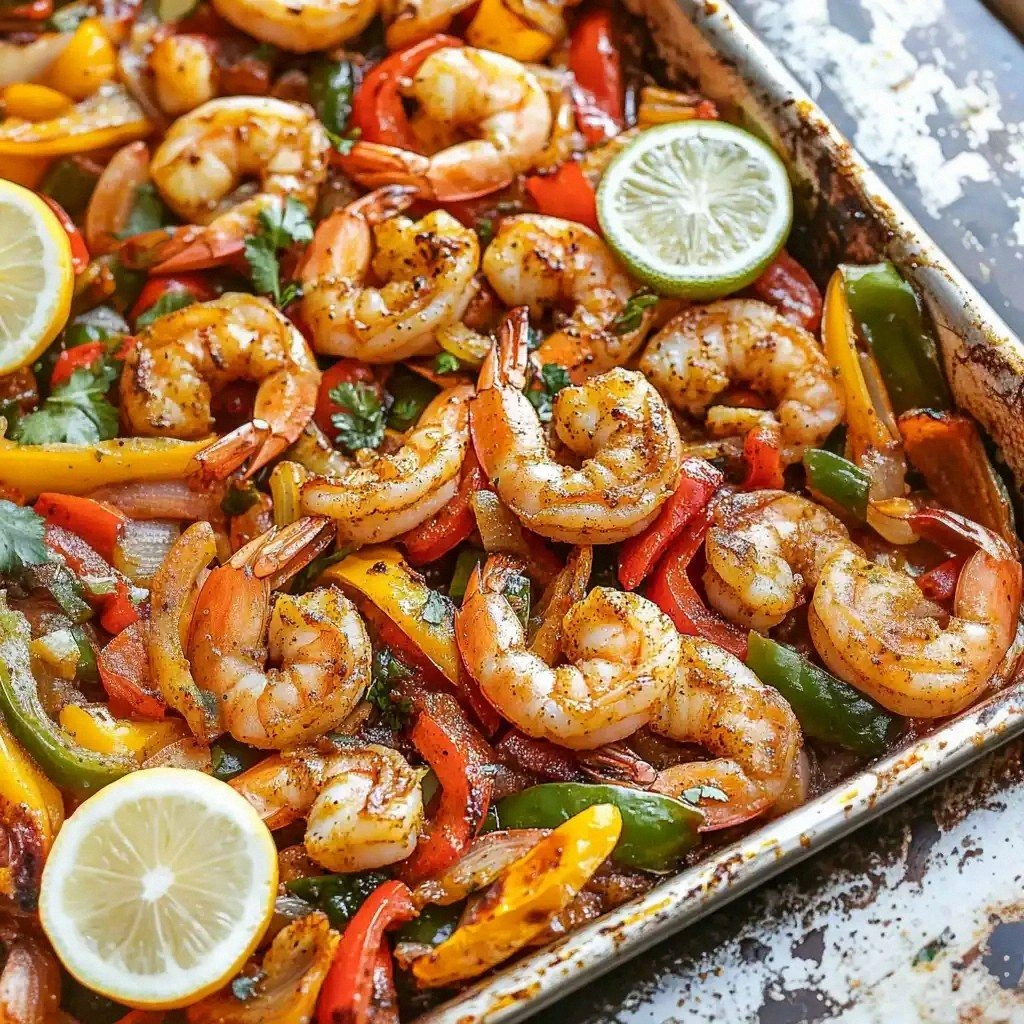
- In a large bowl, combine the shrimp, sliced bell peppers, and thinly sliced red onion. Drizzle with olive oil, squeeze the juice of one lime, and sprinkle in the fajita seasoning, garlic powder, smoked paprika, salt, and black pepper. Toss everything together until the shrimp and veggies are evenly coated. The spices should clump slightly on the surface, creating a flavorful crust.
- Spread the mixture in a single layer on the hot sheet pan. Make sure there’s no overlap; this ensures each piece cooks evenly and caramelizes properly. If the pan is too small, use two sheets or a larger skillet. The shrimp should sizzle immediately upon contact. Watch for the edges to start pulling away; that’s a sign of a good sear.
- Bake for 12–15 minutes, or until the shrimp turn pink and the veggies are tender and slightly charred. Halfway through, give the pan a gentle shake to ensure even cooking. The shrimp should be opaque, and the peppers should have soft, caramelized edges. If you like a deeper char, bake for an extra minute or two.
- Remove the pan from the oven and let the shrimp rest for 2 minutes. The residual heat will finish cooking them to perfection. This brief rest also allows the flavors to meld, creating a deeper, richer taste. If you’re a fan of extra juiciness, drizzle a splash of lime juice over the shrimp right after baking.
- Transfer the shrimp and vegetables to a large bowl and gently stir in chopped cilantro, sliced avocado, and a dollop of sour cream or Greek yogurt. The avocado adds a creamy texture that balances the heat, while the yogurt provides a cool, tangy contrast. Toss lightly so the avocado doesn’t break apart. This is the moment the dish transforms from simple to spectacular.
- Serve the shrimp mixture on warm tortillas, top with crumbled cotija or shredded cheese, and add extra guacamole or a squeeze of lime. The cheese adds a salty crunch that contrasts with the creamy avocado. If you’re craving a little extra heat, sprinkle crushed red pepper flakes on top. This final touch turns each bite into a flavor explosion.
- Enjoy immediately with a side of fresh salsa or a light salad. The bright, citrusy flavors of the shrimp fajitas pair perfectly with a crisp green salad or a refreshing cucumber‑lime slaw. Pair with a chilled glass of white wine or a light beer for the ultimate fiesta experience. The dish is so versatile that it can be served as a main course or a hearty appetizer. Let the flavors dance on your tongue and savor every bite.
That’s it— you did it. But hold on, I've got a few more tricks that'll take this to another level...
Insider Tricks for Flawless Results
The Temperature Rule Nobody Follows
Many home cooks set the oven to 400°F, but 425°F is the sweet spot for a quick sear that locks in moisture. The higher temperature creates a caramelized crust on the shrimp without drying them out. If you’re using a convection oven, lower the temperature by 25°F to avoid over‑cooking. Keep a close eye on the shrimp; they’re done when they’re opaque and slightly pink.
Why Your Nose Knows Best
The aroma that fills the kitchen is your best indicator of doneness. When the shrimp are perfectly cooked, you’ll smell a sweet, buttery scent from the olive oil and a faint, earthy note from the smoked paprika. If you smell a sharp, metallic scent, the shrimp are likely over‑cooked. Trust your nose; it’s a seasoned chef’s secret weapon.
The 5‑Minute Rest That Changes Everything
Allowing the shrimp to rest for 5 minutes after baking lets the juices redistribute, resulting in a moister bite. During this rest, the residual heat continues to cook the shrimp gently. If you skip this step, the shrimp can feel dry and rubbery. This simple pause transforms a good dish into a great one.
Avoiding the “Shrimp Slap” Moment
If the shrimp are too small, they can cook too quickly and become rubbery. Opt for medium to large shrimp; they hold up better and provide a satisfying bite. If you’re using frozen shrimp, thaw them fully before cooking to avoid uneven cooking. A quick pat dry with paper towels removes excess moisture, ensuring a crisp sear.
The Secret of the Perfect Tortilla
Tortillas can become brittle if left out too long. Keep them wrapped in a clean towel or a tortilla warmer until ready to serve. If you’re in a rush, a quick microwave burst in a damp paper towel keeps them soft. Warm tortillas also help the flavors meld, creating a cohesive bite.
Creative Twists and Variations
This recipe is a playground. Here are some of my favorite ways to switch things up:
Mango Salsa Surprise
Add diced mango to the shrimp mixture for a tropical twist. The sweetness of the mango balances the heat from the spices. Serve with a squeeze of lime and a sprinkle of chopped mint for a refreshing kick. This version is perfect for summer gatherings.
Coconut‑Creamed Shrimp
Swap the sour cream for coconut yogurt and add a splash of coconut milk. The creamy coconut base gives the dish a subtle sweetness and a silky texture. Pair with a pinch of curry powder for an exotic flavor profile. This variation works well with jasmine rice.
Black Bean & Corn Fajitas
Add a can of black beans and a cup of corn kernels to the sheet pan. The beans add protein and a hearty texture, while the corn brings a sweet crunch. Use a smoky chipotle powder to deepen the flavor. This version is great for a vegetarian option.
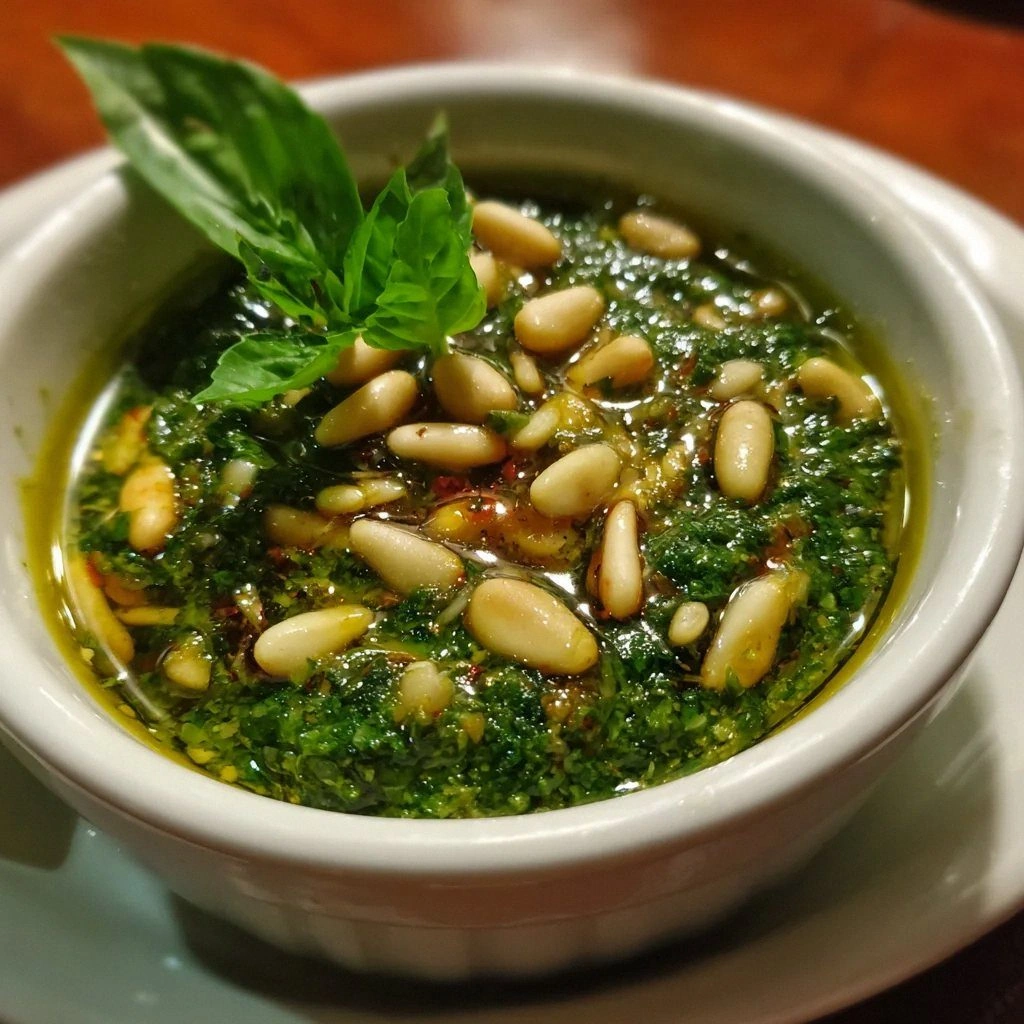
Pesto‑Infused Shrimp
Stir in a couple of tablespoons of basil pesto after baking. The herbaceous pesto adds a fresh, green note that complements the lime. Top with shaved parmesan for a creamy finish. This version is ideal for a quick weeknight dinner.
Spicy Sriracha Drizzle
Drizzle sriracha over the shrimp right before serving for an extra kick. The heat from the sriracha pairs well with the smoky paprika. Add a handful of sliced jalapeños for an extra layer of heat. This version is perfect for spice lovers.
Storing and Bringing It Back to Life
Fridge Storage
Store the cooked shrimp and vegetables in an airtight container in the refrigerator for up to 3 days. Keep the tortillas in a separate zip‑lock bag to prevent them from drying out. When ready to serve, reheat the shrimp mixture in a skillet over medium heat, adding a splash of water or lime juice to keep it moist.
Freezer Friendly
Freeze the cooked shrimp and vegetables in a single layer on a parchment‑lined tray before transferring to a freezer bag. This prevents clumping and makes portioning easier. The dish stays fresh for up to 2 months. Reheat in a skillet, adding a splash of water to restore moisture.
Best Reheating Method
The best way to reheat is on the stovetop over medium heat, stirring frequently. Add a tiny splash of water or broth to keep the shrimp from drying out. Warm the tortillas in a dry skillet or microwave with a damp paper towel. Serve immediately for the best texture.