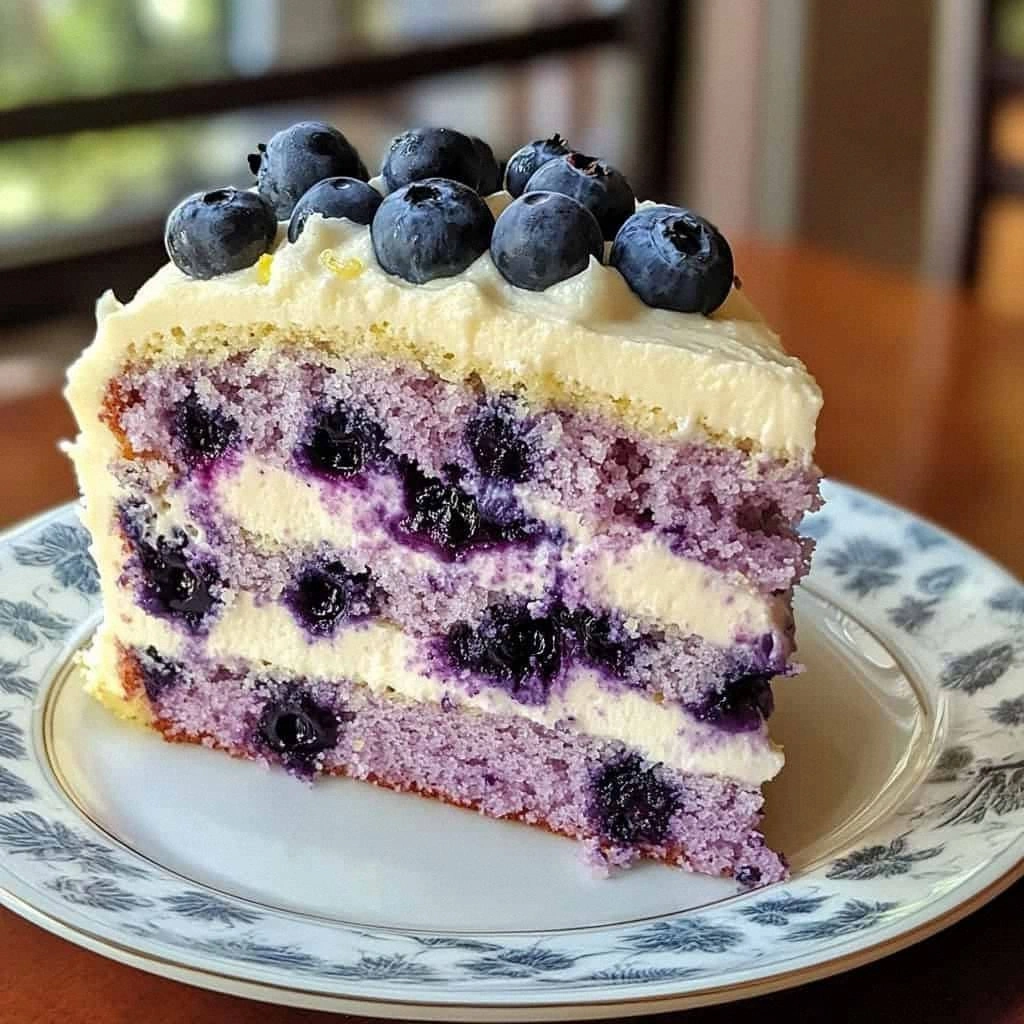
I still remember the day I swore off blueberry cakes forever. It was a humid Tuesday afternoon, my kitchen looked like a flour bomb had exploded, and my so-called "easy" blueberry cake had turned into a purple-swirled disaster that tasted like wet cardboard. The blueberries had sunk to the bottom like tiny navy submarines, creating a soggy layer that no amount of frosting could disguise. My neighbor took one polite bite, smiled that tight-lipped smile we all know means "this is terrible," and suddenly remembered an urgent appointment with her cat.
But here's the thing about food obsessions — they don't let you quit that easily. That failure haunted me for weeks. I became the person who cornered bakers at parties, asking them their secrets for keeping blueberries suspended in batter. I tested seventeen different recipes, each promising to be "the one," and each leaving me with either a dense brick or a collapsed mess that looked like it had been sat on by an elephant. My friends started avoiding my texts because they knew I'd be offering them yet another "experimental" blueberry cake that tasted like sadness and regret.
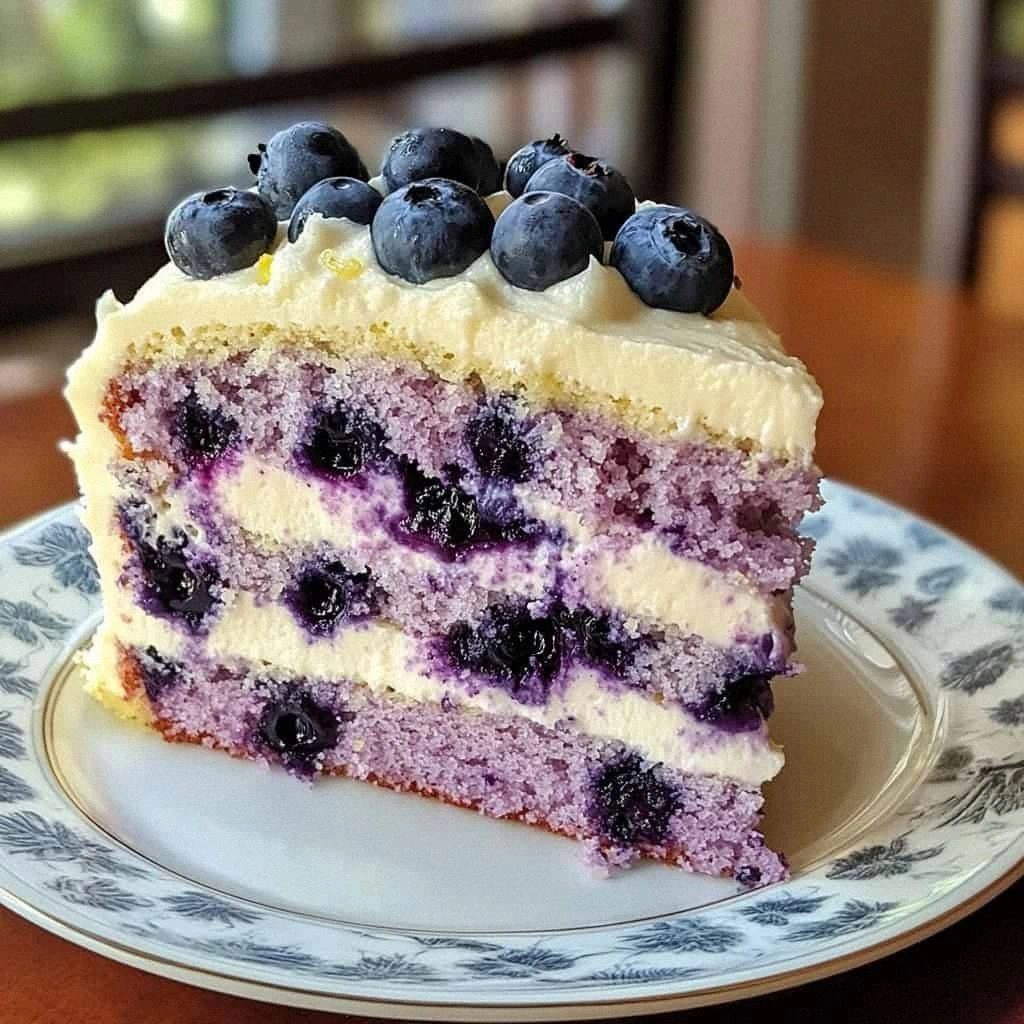
Then, during what I thought would be my final attempt before accepting permanent blueberry cake defeat, something magical happened. I discovered that tossing the blueberries in flour wasn't just some fancy chef trick — it was the difference between blueberry distribution and blueberry devastation. The cake emerged from my oven with a golden crown, the berries perfectly suspended like purple jewels in a tender yellow canvas. But the real game-changer? That lemon frosting. Not the sickeningly sweet stuff that makes your teeth ache, but a bright, tangy cloud that cuts through the cake's richness like sunshine breaking through storm clouds.
Picture yourself pulling this out of the oven, the whole kitchen smelling like a summer afternoon in Maine, when blueberries are at their peak and possibilities seem endless. The cake rises like it's showing off, proud and tall, while the lemon frosting waits patiently to transform good into unforgettable. I dare you to taste this and not go back for seconds. Actually, I dare you to make it through the cooling period without stealing a corner piece. Let me walk you through every single step — by the end, you'll wonder how you ever made it any other way.
What Makes This Version Stand Out
Cloud-Soft Texture: Most blueberry cakes are either dense like pound cake or so airy they collapse under the weight of the fruit. This one hits that perfect middle ground — tender enough to melt on your tongue but sturdy enough to support a generous heap of berries without turning into a purple mess. The secret lies in the buttermilk and the precise ratio of baking powder to baking soda.
Blueberry Suspension System: Here's where most recipes get it completely wrong. They just fold in the berries and hope for the best, resulting in a purple-bottomed disaster. My method coats each berry in a light dusting of flour, creating tiny barriers that prevent them from sinking like stones. You'll get blueberries in every bite, not just the bottom third of your slice.
Lemon Frosting That Actually Tastes Like Lemon: Too many lemon frostings taste like someone waved a lemon over powdered sugar and called it a day. This version uses real lemon juice, zest, and a touch of salt to create a frosting that makes your mouth water before it even hits your tongue. It's bright, tangy, and cuts through the sweetness like a lighthouse beam through fog.
Monday-Night Easy: Despite tasting like it came from a fancy bakery, this recipe uses pantry staples and one bowl for the cake batter. No separating eggs, no folding in whipped whites, no techniques that require culinary school. If you can stir and pour, you can make this cake. I'll be honest — I ate half the batch before anyone else got to try it, and I don't even feel guilty.
Make-Ahead Magic: This cake actually improves after a day in the fridge. The flavors meld, the frosting sets into a lemony shell, and it slices like a dream. Most cakes dry out faster than my houseplants, but this one stays moist for days. Future you will thank present you for thinking ahead.
Crowd-Pleasing Power: I've served this at birthdays, funerals, book clubs, and that awkward neighborhood potluck where everyone brings store-bought cookies. It disappears faster than free samples at Costco. Kids love it because it's cake, adults love it because it's sophisticated, and that one health-conscious friend even asked for the recipe after claiming she "doesn't really eat dessert."
Inside the Ingredient List
The Flavor Base
All-purpose flour forms the backbone of this cake, but not all flours are created equal. I use the regular supermarket stuff — no need for cake flour here — because we want a bit of structure to hold up those blueberries. The protein content strikes the perfect balance between tender and tough. Skip the sifting unless yours is super lumpy; a good whisk incorporates it just fine. If you're in a humid climate, you might need an extra tablespoon or two because flour absorbs moisture like a sponge.
Buttermilk is the unsung hero that takes this cake from good to legendary. Its acidity tenderizes the gluten, creating that melt-in-your-mouth texture that makes people close their eyes when they take a bite. No buttermilk? No problem — add a tablespoon of lemon juice or vinegar to regular milk and let it sit for 5 minutes until it curdles. Future pacing moment: imagine cutting into a slice and seeing those perfectly distributed blueberries, knowing the buttermilk helped create that tender crumb.
Real butter, not margarine, not oil, gives this cake its rich flavor and helps create that beautiful golden crust. Make sure it's properly softened — you should be able to press a finger into it easily, but it shouldn't be melting into a puddle. I leave mine out overnight when I know I'm baking in the morning. The difference between properly softened and slightly cold butter is the difference between a light, fluffy cake and one that resembles a yellow brick.
The Texture Crew
Baking powder and baking soda work together like a chemical comedy duo. The baking powder gives us lift throughout the baking process, while the baking soda neutralizes the buttermilk's acidity and adds extra browning. Most recipes get this completely wrong by using too much baking soda, which creates that metallic aftertaste that ruins everything. We're using just enough to do the job without announcing its presence.
Blueberries are obviously the star here, but let's talk about what kind works best. Fresh berries are ideal when they're in season and reasonably priced, but frozen work beautifully if you handle them right. Don't thaw them first — toss them frozen with the flour, and they'll stay suspended without turning your batter into a purple mess. Reader validation: if you've ever struggled with blueberry distribution, you're not alone — and I've got the fix.
The Unexpected Star
Lemon zest in the frosting isn't just garnish — it's flavor gold. The oils in the zest contain all the bright, floral notes that make this frosting taste like real lemons instead of lemon candy. Use a microplane or the finest side of your grater, and only zest the yellow part. The white pith underneath tastes like bitter disappointment and will ruin everything it touches.
Powdered sugar might seem basic, but the brand matters more than you'd think. Cheap stuff often contains cornstarch that can make your frosting grainy. I splurge on the good stuff because life's too short for gritty frosting. The four cups might seem like overkill, but we're creating a sturdy base that can handle the lemon juice without turning into soup.
The Final Flourish
Heavy cream in the frosting creates that luxurious, pipeable texture that makes people ask if you went to pastry school. It smooths out the powdered sugar's sweetness while adding richness that milk just can't match. Half-and-half works in a pinch, but your frosting won't hold its peaks as proudly. Okay, ready for the game-changer? Add the cream slowly — you might not need it all. The perfect consistency is when the frosting forms soft peaks that hold their shape but still look cloud-soft.
The Method — Step by Step
Start by positioning your oven rack in the center and preheating to 350°F. This isn't the time to rush — a properly heated oven ensures even baking from edge to center. Grease a 9-inch cake pan with butter, then dust with flour, tapping out the excess. This double insurance prevents sticking better than any cooking spray. The sizzle when the batter hits the pan? Absolute perfection.
In a medium bowl, whisk together your flour, baking powder, baking soda, and salt. This isn't just mixing — you're aerating the flour and ensuring the leavening agents distribute evenly. Nobody wants a slice with a baking powder pocket that tastes like soap. Set this aside while you cream the butter and sugar, but keep your whisk handy because we're coming back to it.
Now for the fun part: beat the softened butter and sugar together until they're light and fluffy. This takes about 3-4 minutes with a hand mixer, longer if you're doing it by hand. You're not just combining — you're incorporating air that'll give the cake lift. The mixture should pale in color and increase in volume, looking like slightly grainy whipped cream. Don't rush this step; it's the foundation of your cake's texture.
Add the eggs one at a time, beating well after each addition. This gradual incorporation prevents the batter from curdling, which happens when the fat and liquid decide they don't want to play nice. The first egg might make the mixture look separated, but keep beating — it'll come together. Add the vanilla with the second egg for maximum flavor distribution. Your batter should look like thick, yellow clouds at this point.
Reduce your mixer speed to low and add the flour mixture in three additions, alternating with the buttermilk in two additions. Start and end with flour — this prevents the batter from curdling and ensures everything incorporates smoothly. Mix just until combined; overmixing develops gluten and creates a tough cake. You should still see a few streaks of flour when you stop the mixer.
This is the moment of truth: toss your blueberries with the two tablespoons of flour until they're evenly coated. The flour creates a slight barrier that prevents the berries from sinking and turning your cake into a purple-bottomed tragedy. Gently fold them into the batter using a spatula, making figure-eights and scraping the bottom of the bowl. The berries should be distributed throughout, not clumped together like they're having a private meeting.
Pour the batter into your prepared pan and smooth the top with your spatula. Give the pan a gentle tap on the counter to release any air bubbles that might create tunnels in your cake. Slide it into the oven and set your timer for 30-35 minutes. Now, don't walk away from the oven here — start checking at 25 minutes. The cake is done when it's golden brown, pulling slightly away from the sides, and a toothpick inserted in the center comes out with just a few moist crumbs.
While the cake cools, make your lemon frosting. Beat the softened butter until it's pale and fluffy, about 2 minutes. Add the powdered sugar gradually — otherwise, you'll create a snowstorm in your kitchen that would make a ski resort jealous. Once incorporated, add the lemon juice, zest, salt, and cream. Beat on high for 3 minutes until the frosting is light, fluffy, and tastes like lemon clouds. If it's too thick, add cream a teaspoon at a time. Too thin? More powdered sugar.
Wait until the cake is completely cool before frosting — I know, patience is hard when your kitchen smells like heaven. Spread the frosting generously over the top, creating swirls and peaks that'll catch the light like tiny lemon mountains. This next part? Pure magic. The frosting will develop a slight crust on the outside while staying creamy inside, creating textural contrast that makes people close their eyes when they eat it.
That's it — you did it. But hold on, I've got a few more tricks that'll take this to another level...
Insider Tricks for Flawless Results
The Temperature Rule Nobody Follows
Your ingredients should all be at room temperature, but here's the part most recipes miss — your kitchen temperature matters too. If you're baking in a freezing kitchen in January, your "room temperature" ingredients are still too cold. Run your eggs under warm water for 30 seconds, and give your buttermilk a 10-second zap in the microwave. Cold ingredients refuse to emulsify properly, creating a batter that separates like cheap salad dressing. A friend tried skipping this step once — let's just say her cake had the texture of rubber with blueberry missiles throughout.
Why Your Nose Knows Best
Don't rely solely on the timer — your nose is your most reliable baking tool. When this cake is nearly done, your kitchen will fill with the scent of butter, vanilla, and toasty cake. It's like a perfume that makes neighbors knock on your door asking if you're accepting visitors. If you smell it strongly, check the cake — it's probably within 5 minutes of being perfect. I've saved more cakes from burning by trusting my nose than any timer.
The 5-Minute Rest That Changes Everything
After you take the cake out of the oven, let it rest in the pan for exactly 5 minutes — not 10, not 2, but 5. This allows the structure to set enough that it won't fall apart when you turn it out, but it's still warm enough to release easily from the pan. Too long and the bottom steams, creating a soggy layer that no amount of frosting can hide. Set a timer and don't get distracted by Instagram — this is crucial moment number one in your cake's life.
Creative Twists and Variations
This recipe is a playground. Here are some of my favorite ways to switch things up:
Raspberry Lemon Version
Swap the blueberries for raspberries and add a tablespoon of Chambord or raspberry liqueur to the frosting. The tartness of raspberries creates a different kind of magic — more sophisticated, like a cake that went to finishing school. The berries bleed less than blueberries, creating a more uniform pink hue throughout the cake. If you've ever struggled with this, you're not alone — and I've got the fix: freeze the raspberries for 30 minutes before flouring them.
Orange Creamsicle Dream
Replace the lemon juice and zest with orange, and swap the buttermilk for regular milk with a tablespoon of orange juice. The result tastes like those orange creamsicle pops from childhood, but in grown-up cake form. Add a drop of orange food coloring to the frosting for that authentic creamsicle look. Kids go absolutely bonkers for this version, and adults get that nostalgic glow that makes them tell you stories about their childhood.
Lemon Blueberry Marble
Divide the batter in half, leave one plain, and mix lemon zest into the other half. Marble them together in the pan for a stunning effect that looks like you went to culinary school. The flavor is more complex — some bites are intensely lemon, others are pure blueberry bliss. It's like having two cakes in one, which is perfect for those dinner parties where half the guests love lemon and half just want blueberry.
Gluten-Free Glory
Substitute the all-purpose flour with a 1:1 gluten-free baking blend, but add an extra egg for structure. The result is so good that gluten-eating friends won't know the difference. The cake is slightly more tender, which actually works beautifully with the blueberries. Stay with me here — this is worth it even if you're not gluten-free.
Mini Cake Magic
Pour the batter into a muffin tin for individual blueberry cakes with lemon frosting. They bake in 15-18 minutes and are perfect for lunch boxes or that coworker who always says they're "just trying to be good" but always ends up eating three. The frosting-to-cake ratio is higher, which is exactly how some people like it.
Savory-Sweet Surprise
Add 1/4 cup of finely chopped fresh basil to the batter and reduce the sugar by 2 tablespoons. The herbal notes create this sophisticated flavor that makes people pause mid-bite, trying to figure out what makes it so special. It's the kind of cake that gets served at art gallery openings and makes food bloggers ask for your secret.
Storing and Bringing It Back to Life
Fridge Storage
This cake keeps beautifully in the fridge for up to 5 days, wrapped tightly in plastic wrap. The lemon frosting develops this slight crust that provides textural contrast while the cake stays moist. Place a piece of parchment paper against the cut sides to prevent them from drying out. If your family is anything like mine, it'll disappear long before day five, but it's nice to know you could stretch it if needed.
Freezer Friendly
Wrap individual slices in plastic wrap, then aluminum foil, and freeze for up to 2 months. Thaw overnight in the fridge or at room temperature for 2 hours. The texture stays remarkably close to fresh — I've served frozen-then-thawed slices to unsuspecting guests who never knew the difference. Pro tip: freeze slices before adding frosting, then frost fresh after thawing for maximum impact.
Best Reheating Method
While this cake is delicious cold, bringing it back to room temperature enhances the flavors. For a special touch, microwave individual slices for 8-10 seconds — just enough to take the chill off without melting the frosting. Add a tiny splash of water before reheating — it steams back to perfection. The cake regains that just-baked softness that makes people think you baked it that morning.