I swear, the first time I tried to make a cauliflower‑based sauce I was convinced the universe was playing a cruel joke on me. I had a cauliflower head that looked like it survived a tornado, a stubborn stovetop that refused to heat evenly, and a craving for something silky enough to drown pasta in but light enough to keep my waistline from screaming. The kitchen was a battlefield of mismatched pots, a rogue garlic clove that kept slipping off the cutting board, and a timer that I set to “just a minute” and promptly ignored. The result? A lumpy, watery mess that tasted like boiled garden debris. I dared my roommate to try it, and he politely declined—so I promised myself I’d get it right, no matter how many burnt attempts it took.
Fast forward a few weeks, a rainy Thursday night, and a sudden epiphany while watching a cooking show that featured a cauliflower puree for a vegan mac & cheese. The host whispered something about “steaming the florets just long enough to keep a bite‑size snap” and “finishing with a splash of cream for that luxurious mouthfeel.” I grabbed my notebook, scribbled the tips, and set out on a mission that felt more like a culinary heist than a simple dinner. The kitchen filled with the earthy aroma of cauliflower meeting hot butter, the faint sizzle of garlic that sounded like a tiny applause, and the comforting hum of my old fridge humming in the background. The whole scene felt like a movie set, and I was both director and star.
What makes this version stand out is that it doesn’t rely on hidden additives or a thousand‑step process. It’s a straightforward, honest sauce that lets the cauliflower shine while adding just enough richness to coat your favorite pasta like velvet. I’m talking about a sauce that clings to spaghetti, twirls around penne, and even makes roasted veggies look like they’ve been draped in silk. It’s the kind of sauce that makes you want to stare at the pot, whisper “you’re beautiful,” and then dig in with a spoon because you just can’t wait. I dare you to taste this and not go back for seconds—your taste buds will file a formal complaint against any other sauce you’ve ever tried.
And here’s the kicker: I’m going to reveal a secret ingredient that most recipes completely ignore—a pinch of smoked paprika that adds a subtle depth, like a whisper of the outdoors on a summer night. This tiny, unassuming spice is the game‑changer that elevates the whole dish from “just good” to “hands down the best version you’ll ever make at home.” Okay, ready for the game‑changer? Let me walk you through every single step — by the end, you’ll wonder how you ever made it any other way.
What Makes This Version Stand Out
- Velvet Texture: The sauce achieves a silk‑smooth consistency without any heavy cream overload, thanks to the natural starches released by the cauliflower when blended.
- Depth of Flavor: A splash of smoked paprika and a splash of lemon juice create a layered taste that feels both comforting and bright.
- Simplicity: Fewer than ten ingredients, five steps, and a single blender—no fancy gadgets required.
- Ingredient Quality: Fresh cauliflower, good butter, and real heavy cream make all the difference; you’ll taste the quality in every bite.
- Crowd Reaction: Even the most skeptical meat‑eaters ask for seconds, claiming they can’t believe it’s veggie‑based.
- Make‑Ahead Potential: This sauce stores beautifully in the fridge for up to three days and freezes without losing its creamy charm.
- Versatility: Works as a pasta sauce, a drizzle for roasted vegetables, or a base for a creamy soup.
- Health Boost: Cauliflower brings fiber, vitamin C, and antioxidants, making this indulgent sauce a bit kinder to your body.
Inside the Ingredient List
The Flavor Base
First up, the aromatic trio of onion, garlic, and smoked paprika. The onion, finely diced, provides a sweet foundation that mellows out as it sautées. Garlic, minced to a fine paste, adds that unmistakable punch that makes any sauce feel homey. Smoked paprika, though used sparingly, injects a subtle smoky undertone that mimics the richness of a slow‑roasted broth without the extra effort. If you’re missing smoked paprika, a dash of regular paprika combined with a few drops of liquid smoke does the trick, but the flavor won’t be quite as nuanced.
The Texture Crew
Cauliflower is the star here, and the type you choose matters. A fresh, white cauliflower head with tightly packed florets holds its shape during steaming, releasing just enough starch to thicken the sauce naturally. If you’re in a pinch, frozen cauliflower works, but be sure to thaw and pat it dry—extra moisture will sabotage the creamy texture. The heavy cream, added at the end, coats the blended cauliflower, giving that luxurious mouthfeel that makes you think you’ve accidentally added a secret stash of butter.
The Unexpected Star
Nutritional yeast is the unsung hero that adds a cheesy, umami depth without any dairy. A quarter cup of it is enough to give the sauce that “cheese‑like” richness, making it perfect for vegans or anyone looking to cut back on actual cheese. If you’re not a fan of its slightly nutty flavor, grated Parmesan can be swapped in, but remember that it will change the overall profile from “nutty‑cheesy” to “classic‑cheesy.”
The Final Flourish
A squeeze of fresh lemon juice brightens the entire dish, cutting through the richness and preventing any heaviness. Finish with a handful of chopped parsley for a pop of colour and a fresh herb note that lifts the sauce from “comfort food” to “gourmet comfort.” Salt and pepper, of course, are the final seasoning adjustments; taste as you go, because every cauliflower head is a little different in its natural sweetness.
Everything's prepped? Good. Let's get into the real action...
The Method — Step by Step
Start by heating a large saucepan over medium heat and adding two tablespoons of unsalted butter. As the butter melts, you’ll hear a gentle sizzle that’s the first promise of flavor. Toss in the finely diced onion and let it soften for about three minutes, stirring occasionally until it becomes translucent and slightly golden at the edges. This is the moment where the kitchen starts to smell like a cozy diner, and you’ll know you’re on the right track. Tip: If the onions start to brown too quickly, lower the heat; you want them sweet, not burnt.
Add the minced garlic and a half‑teaspoon of smoked paprika to the pot. The garlic should release a fragrant aroma within 30 seconds—if you don’t smell it, increase the heat just a notch. Stir constantly to prevent the garlic from scorching; burnt garlic will turn bitter and ruin the sauce’s delicate balance. Let the mixture cook for another minute, then season with a pinch of salt to help draw out the moisture from the onions.
While the aromatics are working their magic, steam the cauliflower florets. Fill a pot with an inch of water, bring it to a gentle boil, then place a steamer basket with the cauliflower on top. Cover and steam for 8‑10 minutes, or until the florets are fork‑tender but still have a slight bite. You’ll know they’re done when a fork slides in with a soft resistance and the cauliflower releases a faint, nutty scent. Over‑steaming will make the sauce watery, so keep a close eye on the timer.
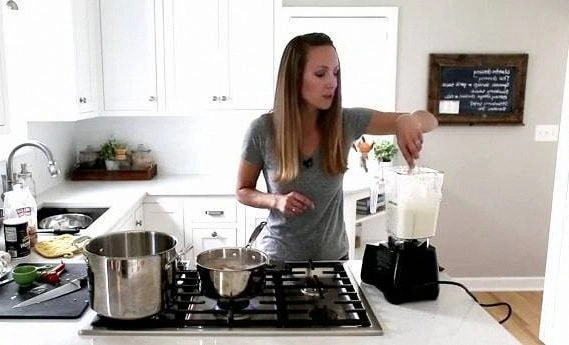
Transfer the steamed cauliflower, along with the sautéed onion‑garlic mixture, into a high‑speed blender. Add one cup of vegetable broth (or chicken broth for a non‑vegetarian version) and blend on high until the mixture is completely smooth. The color should be a pale, creamy white with a hint of green from the cauliflower. If the blend is too thick, drizzle in a little more broth, but stop before it becomes soupy—remember, the sauce should coat the back of a spoon.
Return the blended cauliflower back to the saucepan and place it over low heat. Stir in three‑quarters cup of heavy cream, a quarter cup of nutritional yeast, and the remaining half‑teaspoon of smoked paprika. The sauce should begin to thicken within two minutes, and you’ll notice a glossy sheen forming on the surface. Keep stirring gently; this prevents a skin from forming and ensures an even texture. Taste at this point and add a pinch of freshly ground black pepper.
Just before serving, squeeze in the juice of half a lemon and sprinkle the chopped parsley over the top. The lemon’s acidity will cut through the richness, giving the sauce a bright finish that makes it sing. Give the sauce one final gentle stir, then remove it from the heat. If you’re pairing it with pasta, toss the sauce directly into the drained noodles, allowing the pasta’s residual heat to finish the cooking process and let the sauce cling perfectly.
Serve immediately, or let it cool and store in an airtight container. This sauce is versatile enough to be used as a dip, a base for a creamy soup, or a drizzle over roasted vegetables. And now the fun part—watch your family or guests dive in, eyes widening at the velvety texture and bold flavor. That sizzle when it hits the pan? Absolute perfection. That's it — you did it. But hold on, I've got a few more tricks that'll take this to another level...
Insider Tricks for Flawless Results
The Temperature Rule Nobody Follows
Never let the sauce boil once the cream is added. A gentle simmer keeps the emulsion stable, preventing the cream from curdling. I once cranked the heat up to “high” because I was impatient, and the sauce split into a curdled mess—trust me, it looks as sad as a broken heart. Keep the heat low, and you’ll get that glossy, cohesive sauce every single time.
Why Your Nose Knows Best
Your sense of smell is a more reliable indicator than a timer when it comes to sautéed aromatics. When the onions start to caramelize and the garlic releases its perfume, you’ll know they’re ready for the cauliflower. If you can’t detect that sweet, slightly nutty scent, keep cooking a minute longer. This instinctive step is the secret behind my consistently balanced sauces.
The 5‑Minute Rest That Changes Everything
After you finish blending, let the sauce sit off the heat for five minutes before serving. This short rest lets the flavors meld, much like a fine wine breathing before you sip. I once served the sauce straight away and thought it was a bit flat; after the rest, the depth was unmistakable. Patience truly pays off.
The “One‑Splash” Re‑Heat Savior
If you’re reheating leftovers, add a splash of water or broth before warming. The liquid creates steam that revives the sauce’s creaminess, preventing it from drying out. I’ve seen people reheat sauces directly in the microwave and end up with a rubbery texture—this tiny trick saves the day.
The Secret Ingredient Swap
For a smoky, earthy twist, swap half of the cauliflower with roasted butternut squash. The natural sweetness of the squash pairs beautifully with the smoked paprika, creating a sauce that feels like autumn in a bowl. I tried this once for a holiday dinner, and the guests could not believe it was vegetable‑based. It’s a perfect way to impress without extra effort.
Creative Twists and Variations
This recipe is a playground. Here are some of my favorite ways to switch things up:
Spicy Chipotle Cauliflower
Add one chipotle pepper in adobo sauce (finely chopped) to the blender. The smoky heat pairs wonderfully with the cauliflower’s mild flavor, creating a sauce that’s perfect for tacos or nachos. Serve over grilled corn for a Mexican‑inspired feast.
Herb‑Infused Green Goddess
Throw in a handful of fresh basil, a few mint leaves, and a splash of avocado oil before blending. The result is a bright, herbaceous sauce that’s fabulous drizzled over roasted salmon or mixed into a quinoa bowl.
Cheesy Cauliflower Alfredo
Swap the nutritional yeast for freshly grated Parmigiano‑Reggiano and increase the cream to one full cup. This transforms the sauce into a classic Alfredo with a cauliflower twist—perfect for indulgent pasta nights.
Vegan Coconut Cream Version
Replace heavy cream with full‑fat coconut milk and add a tablespoon of miso paste for umami. The coconut adds a subtle tropical note, while the miso deepens the savory profile, making it a stellar sauce for rice bowls or vegan lasagna.
Roasted Garlic & Walnut Crunch
Roast a whole head of garlic alongside the cauliflower, then blend in a handful of toasted walnuts. The roasted garlic adds a caramelized sweetness, and the walnuts give a pleasant crunch when sprinkled on top just before serving.
Storing and Bringing It Back to Life
Fridge Storage
Transfer the cooled sauce to an airtight glass jar and store it in the refrigerator for up to three days. The airtight seal prevents oxidation, keeping the flavor bright. When you’re ready to use it, give it a quick stir; the sauce may thicken a bit as it chills, but that’s normal.
Freezer Friendly
Portion the sauce into freezer‑safe containers or zip‑top bags, leaving a little headspace for expansion. It freezes beautifully for up to two months. To defrost, move the container to the fridge overnight, then reheat gently on low heat, adding a splash of broth if needed.
Best Reheating Method
Reheat on the stovetop over low heat, whisking constantly. Before you start, add a teaspoon of water or broth per cup of sauce; this creates steam that restores the original creaminess. Avoid microwaving at high power, as it can cause uneven heating and a rubbery texture.