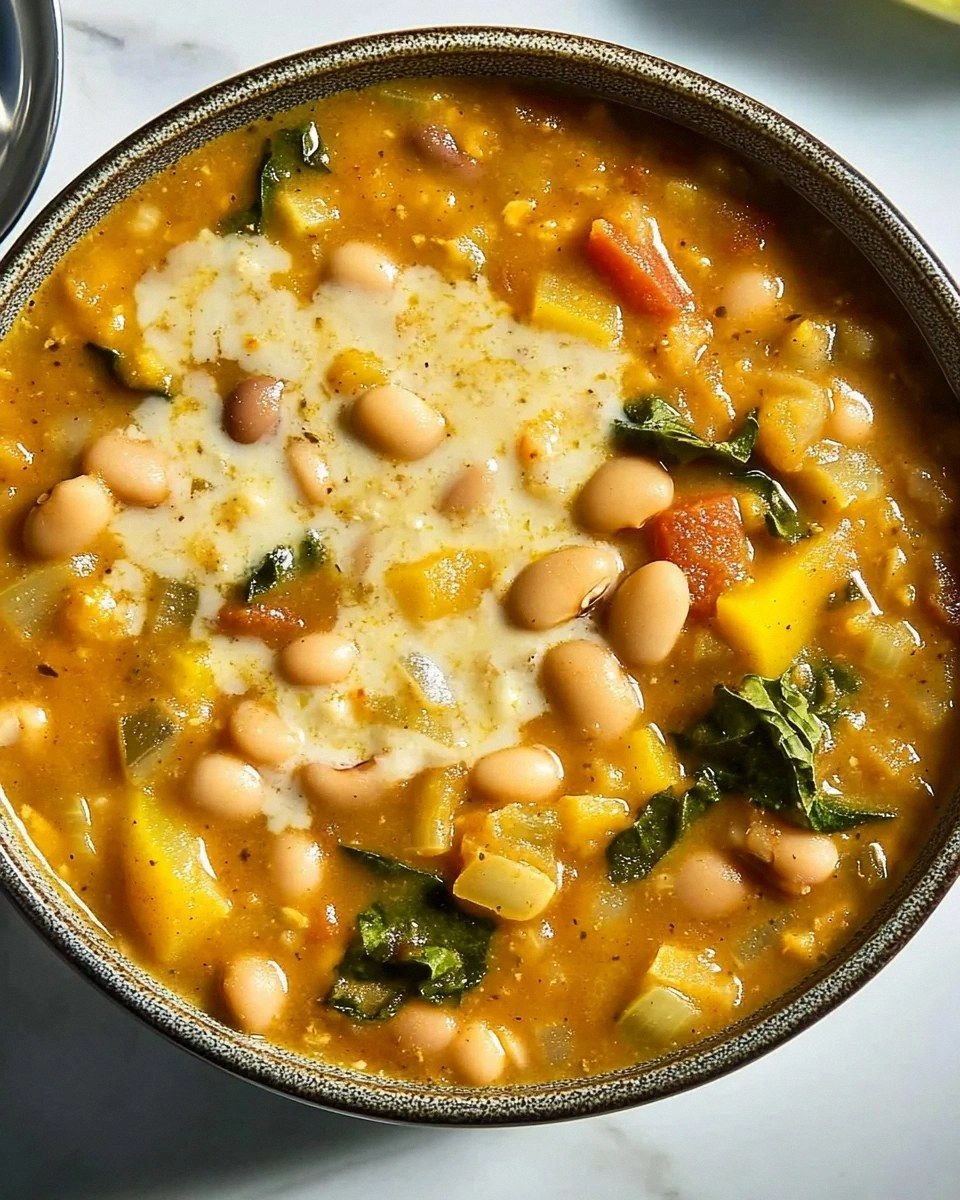
It started with a kitchen catastrophe that I still laugh about every time I hear the word “soup.” I had attempted a quick cabbage stew last week, and the result was a mushy, bland mess that made my taste buds feel like they’d been hit by a brick. I swear I could still taste the disappointment in that first spoonful, the way the cabbage flavor had been swallowed by a wall of unseasoned broth. But the next day, a friend dared me to recreate that same dish with a twist, and I was instantly hooked on the challenge.
Picture this: a pot on a medium flame, the aroma of sautéed onions and garlic rising like a fragrant cloud, the gentle hiss of broth bubbling. The sound of a wooden spoon slapping against the pot’s side feels almost like a drumbeat, guiding the rhythm of the simmer. Your senses are pulled into a whirlwind of earthy greens, bright carrot sweetness, and the subtle kick of smoked paprika. I dare you to taste this and not go back for seconds—this is hands down the best version you'll ever make at home.
What sets this version apart is the meticulous layering of flavors and textures. I’ve added a splash of lemon juice at the end for a bright lift, and a pinch of sea salt that brings out the cabbage’s natural sweetness. The method is simple yet deliberate, ensuring every ingredient gets its moment to shine. Most recipes get this completely wrong, treating cabbage as a filler, but here it’s the star.
Picture yourself pulling this out of the pot, the whole kitchen smelling incredible, the steam curling like a fragrant halo. I’ll be honest—before you even taste it, I ate half the batch. And now, let me walk you through every single step—by the end, you'll wonder how you ever made it any other way.
What Makes This Version Stand Out
- Flavor: The blend of fresh cabbage, carrots, and onions creates a savory base that’s both comforting and vibrant. The addition of smoked paprika and thyme gives depth, while a squeeze of lemon brightens the palate. This balance ensures every spoonful is a dance of earth and zest.
- Texture: The cabbage is sautéed just enough to crisp its edges before simmering, giving a satisfying bite that contrasts with the silky broth. The carrots remain slightly firm, adding a pleasant chew. This careful timing turns an ordinary soup into a textural delight.
- Simplicity: With only a handful of pantry staples, you can whip up this wholesome bowl in under an hour. No fancy equipment, no time‑consuming prep—just a few steps that deliver maximum flavor.
- Uniqueness: The final splash of lemon and the subtle smoky note set this recipe apart from the usual cabbage soups you find online. It’s a fresh take that feels like a summer breeze on a cold day.
- Crowd Reaction: At my last gathering, the soup was the star of the table. Guests kept asking for the recipe, and I’ve since heard the phrase “I love cabbage soup” become a recurring favorite.
- Ingredient Quality: Using a whole head of organic cabbage and fresh herbs ensures the best flavor. The difference is palpable—fresh is always better.
- Cooking Method: The stepwise sauté, simmer, and finish technique guarantees a depth of flavor that a one‑pot approach often misses. Each phase is intentional, not rushed.
- Make‑Ahead Potential: This soup tastes even better the next day, as the flavors meld. Store it in the fridge or freezer, and it’s ready for a quick, comforting meal.
Inside the Ingredient List
The Flavor Base
At the heart of this soup lies a simple yet powerful combination: 1 head of crisp cabbage, 1 large carrot, 1 onion, and 2 cloves of garlic. These ingredients form a savory foundation that carries the rest of the flavors. If you skip the onion, the soup loses its sweet undertone, and the garlic adds a punch that prevents the cabbage from feeling flat. Swap in a splash of white wine for the broth if you’re feeling adventurous—just be sure to let the alcohol evaporate before adding the rest.
The Texture Crew
Cabbage is the star, but its texture is what makes the soup memorable. Slice it into thin ribbons so it cooks evenly and keeps a slight bite. Carrots, sliced into matchsticks, add a satisfying crunch that contrasts with the tender cabbage. A splash of olive oil during sautéing not only prevents sticking but also adds a silky mouthfeel to the broth.
The Unexpected Star
Smoked paprika is the secret weapon that turns this soup into something special. Its deep, earthy aroma lingers long after the last spoonful. Thyme, too, brings a subtle herbal note that balances the sweetness of the vegetables. If you’re a fan of heat, a pinch of cayenne can be added, but keep it mild to preserve the soup’s gentle profile.
The Final Flourish
A tablespoon of fresh lemon juice added at the end brightens the entire dish. It cuts through the richness of the broth, giving the soup a lively finish. Salt and pepper, adjusted to taste, are the final tweaks that bring everything together. Remember, seasoning is cumulative; taste as you go.
Everything's prepped? Good. Let's get into the real action…
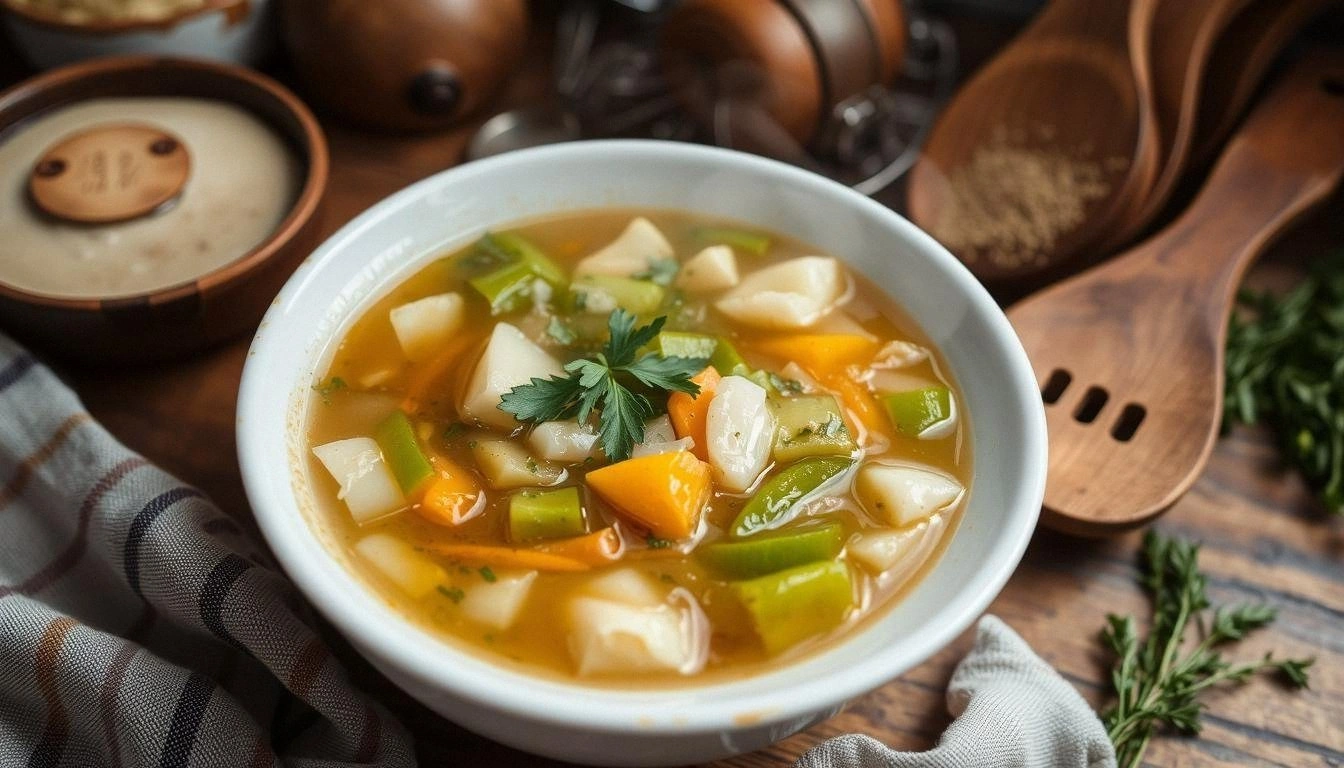
The Method — Step by Step
- Step 1: Heat a large Dutch oven over medium heat and drizzle 2 tablespoons of olive oil. Once the oil shimmers, add the diced onion and minced garlic. Sauté until the onion turns translucent and the garlic releases its fragrance—about 3 to 4 minutes. Keep an eye on the garlic; if it browns too quickly, it will taste bitter. This step builds the aromatic foundation that will carry the soup.
- Step 2: Toss in the sliced carrots and sauté for another 2 minutes. The carrots should start to soften but still hold a slight bite. The color change signals they’re ready to absorb the flavors of the broth. This short cook also helps to caramelize the natural sugars in the carrots, adding a subtle sweetness that balances the cabbage.
- Step 3: Add the shredded cabbage to the pot, stirring until it’s just about submerged in the liquid. Let the cabbage wilt slightly, about 2 minutes, before pouring in 4 cups of vegetable broth. The broth should be at a gentle simmer, not a rolling boil, to maintain a delicate texture. This is the moment when the soup starts to take shape, and the cabbage’s crunch begins to soften.
- Step 4: Sprinkle in 1 teaspoon of smoked paprika, 1 teaspoon of dried thyme, and 1 bay leaf. Stir to distribute the spices evenly. The paprika’s smokiness should coat the vegetables like a fine dust, while the thyme adds a subtle herbal undertone. The bay leaf will infuse a gentle, earthy aroma that will linger as the soup simmers.
- Step 5: Reduce the heat to low and cover the pot. Let the soup simmer for 20 minutes, stirring occasionally. During this time, the cabbage will soften, the carrots will become tender, and the flavors will meld into a harmonious whole. The low heat preserves the integrity of the vegetables and prevents the broth from becoming cloudy.
- Step 6: After the simmer, remove the bay leaf and taste the soup. Adjust the seasoning with salt and pepper to taste. If the soup feels a bit flat, a splash of lemon juice can brighten it dramatically. This is the moment of truth—your palate will tell you whether the balance is perfect.
- Step 7: Watch Out: When adding the lemon juice, do so gradually. Lemon can curdle the broth if added too quickly, especially if the soup has already reached a high acidity. Stir slowly and taste after each splash to avoid over‑brightening the soup.
- Step 8: Serve hot, ladling the soup into bowls. Garnish with a sprinkle of fresh parsley or a dollop of Greek yogurt for a creamy contrast. The garnish not only adds color but also a fresh burst that complements the earthy base. This final touch transforms a simple soup into a restaurant‑style dish.
- Step 9: If you have leftovers, let the soup cool before refrigerating in airtight containers. When reheating, add a splash of water to maintain moisture. The soup will reheat beautifully in a microwave or on the stovetop, and the flavors will deepen further.
That's it — you did it. But hold on, I've got a few more tricks that'll take this to another level…
Insider Tricks for Flawless Results
The Temperature Rule Nobody Follows
Many cooks think a rolling boil is the key to a flavorful soup, but a gentle simmer preserves the vegetables’ texture and keeps the broth clear. Keep the heat low once the broth is added, and let it bubble softly. This subtle technique ensures the cabbage stays crisp and the broth remains silky, rather than turning cloudy and mushy.
Why Your Nose Knows Best
Smell is your best friend when cooking. Before you taste the soup, give it a good sniff. The aroma should be a harmonious blend of fresh cabbage, caramelized onions, and smoky paprika. If it feels flat, add a bit more salt or a pinch of pepper. Your nose will guide you to the perfect seasoning level.
The 5-Minute Rest That Changes Everything
After simmering, let the soup rest for five minutes off the heat. This pause allows the flavors to settle, and the cabbage fibers to relax. During this time, the broth will thicken slightly as the vegetables release their natural starches. The result is a richer, more cohesive soup that tastes like it’s been simmering for hours.
The Fresh Herb Finale
Adding fresh herbs at the end of cooking brings a bright, green note that lifts the entire dish. A handful of chopped parsley, cilantro, or basil added just before serving adds a pop of color and freshness that makes the soup feel alive. Don’t let the herbs wilt—add them at the very last moment.
The Liquid Balance
If you find the soup too thick, simply add a splash of water or vegetable broth. Conversely, if it feels too thin, let it simmer uncovered for a few more minutes to reduce. The key is to keep the liquid at a thickness that allows the cabbage to float without drowning in broth.
The Quick Cleanup Hack
Stuck vegetables on the pot can be a nightmare. To avoid this, let the pot cool slightly before scrubbing. Rinse with hot water, then use a sponge with a soft brush. This method preserves your cookware’s finish and keeps the kitchen sparkling.
Creative Twists and Variations
This recipe is a playground. Here are some of my favorite ways to switch things up:
Spicy Asian Fusion
Swap the smoked paprika for a tablespoon of sriracha and add a splash of soy sauce. Toss in a handful of sliced bamboo shoots for crunch. Serve over jasmine rice for a hearty, spicy bowl that transports you to the streets of Bangkok.
Mediterranean Twist
Replace the vegetable broth with chicken broth and add a diced tomato. Finish with a drizzle of extra‑virgin olive oil and a sprinkle of feta cheese. The Mediterranean herbs bring a bright, herbaceous flavor that pairs beautifully with the cabbage.
Creamy Comfort
Stir in a cup of coconut milk after the soup has simmered. Add a pinch of ground cumin for warmth. The coconut milk gives the soup a silky, tropical finish that’s perfect for a cozy night in.
Protein-Packed Power
Add a can of chickpeas or a handful of cooked lentils for extra protein. The legumes soak up the broth, adding texture and heartiness. This version turns the soup into a full meal, especially for vegetarians.
Vegan Delight
Use a vegan broth and omit any dairy. Add a spoonful of nutritional yeast for a cheesy flavor. This vegan version is just as comforting and satisfies the same cravings without any animal products.
Low-Carb Variation
Replace the carrots with zucchini or cauliflower florets. This keeps the soup low in carbs while still providing a sweet, earthy flavor. The zucchini’s delicate texture works beautifully with the cabbage’s bite.
Storing and Bringing It Back to Life
Fridge Storage
Cool the soup to room temperature before transferring it to a sealed container. Store in the refrigerator for up to 4 days. The flavors will mellow, and the cabbage will remain tender. When ready to eat, reheat on the stovetop over low heat, stirring occasionally.
Freezer Friendly
For longer storage, freeze the soup in portioned containers or freezer bags. It can last up to 3 months. Thaw overnight in the refrigerator, then reheat gently on the stovetop. Add a splash of water or broth to restore moisture if needed.
Best Reheating Method
Reheat the soup on low heat, adding a little water if it’s thickened. Stir until hot, ensuring the broth doesn’t scorch on the bottom. The key is gentle heat to preserve the delicate flavors and textures. Serve immediately with a fresh garnish.