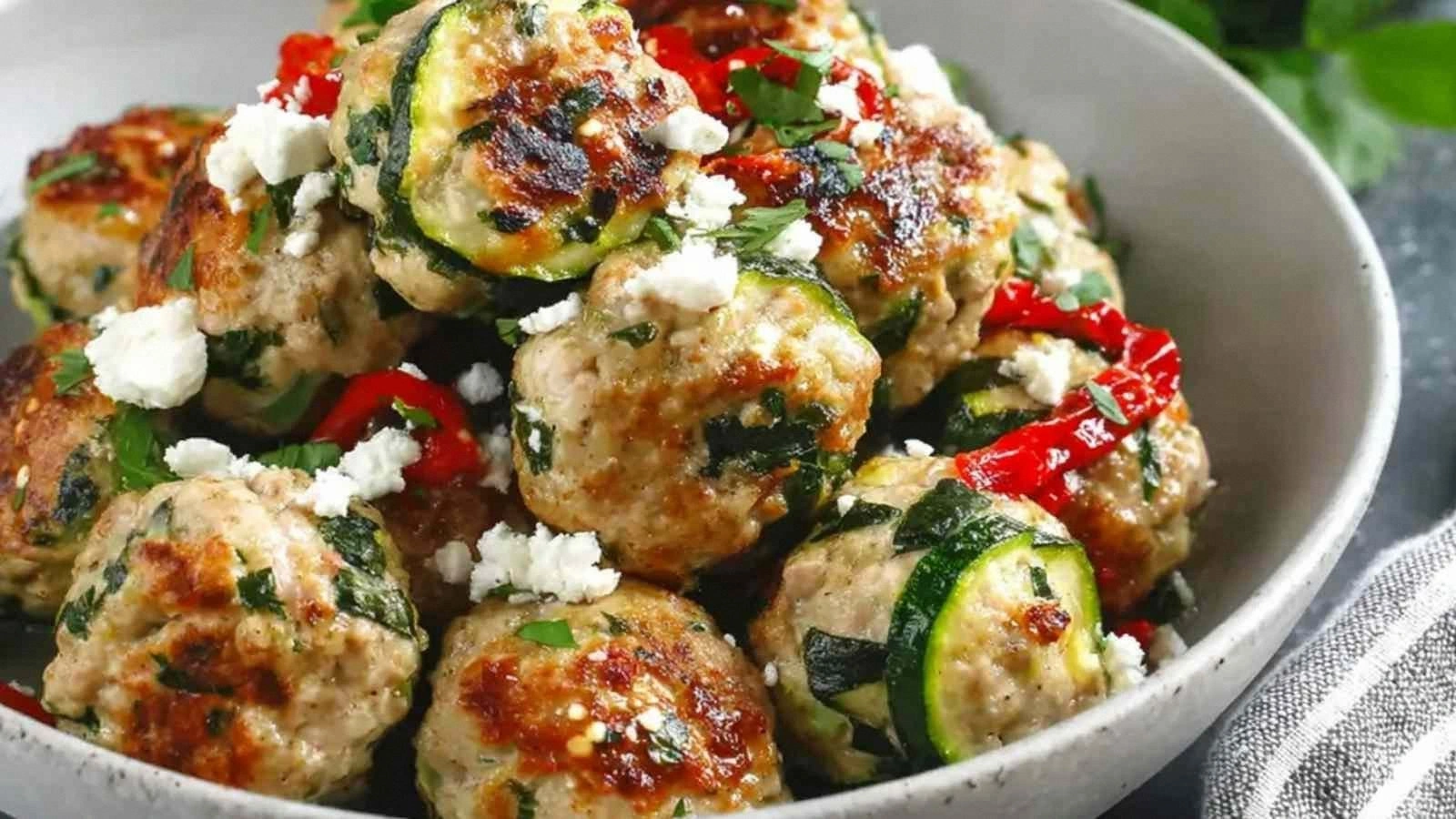
It was a late‑night grocery run, the kind that ends with a handful of pantry staples and a stubborn craving that refuses to be ignored. I had just finished a marathon of Greek salads, and the idea of a protein-packed, veggie‑filled dish was screaming from the back of my mind. So, I grabbed a pound of ground turkey, a couple of zucchinis, and a jar of feta, and I set out to create something that would make my taste buds do a double‑tap. The result? A Greek Zucchini Turkey Meatball that is hands down the best version you'll ever make at home.
Picture this: a pan sizzling with olive oil, the aroma of fresh dill and oregano swirling around you like a Mediterranean breeze. The sound of the meatball batter hitting the hot surface is a satisfying sizzle that signals the beginning of culinary magic. As the golden edges start to crisp, the scent of roasted garlic and caramelized onion fills the kitchen, making the air taste like a Sunday afternoon in Athens. The first bite delivers a burst of savory, tangy feta, with the subtle crunch of panko and the gentle sweetness of zucchini, all wrapped in a tender turkey shell. I dare you to taste this and not go back for seconds.
What makes this version stand out is the meticulous balance of flavors and textures that I achieved by combining classic Greek ingredients with a lean protein base. The ground turkey keeps the meatballs light, preventing them from becoming dry or overly fatty, while the grated zucchini adds moisture and a subtle earthiness that is rarely found in traditional meatballs. The feta cheese offers a salty, creamy contrast that cuts through the richness, and the panko breadcrumbs provide a satisfying crunch that gives each bite a delightful snap. Together, they create a harmonious symphony that will have your guests asking for the recipe after every bite.
I’ll be honest — I ate half the batch before anyone else got to try it. The moment I took that first bite, I realized how perfect the seasoning was; the oregano and dill worked together like a duet, while the black pepper added a gentle heat that lifted the entire dish. Most recipes get this completely wrong, often by over‑seasoning or by using too much fat, which makes the meatballs soggy and unappetizing. Here’s what actually works: a balanced mix of herbs, a touch of feta for tang, and the right amount of breadcrumbs to keep the texture light. Picture yourself pulling this out of the oven, the whole kitchen smelling incredible, and the anticipation of the first bite building to a crescendo.
And now the fun part. Let me walk you through every single step — by the end, you'll wonder how you ever made it any other way. From the moment you grate that zucchini to the final garnish of fresh dill, every detail matters. The process is simple, the flavor profile is robust, and the result is a dish that feels like a celebration. Ready? Let’s dive in.
What Makes This Version Stand Out
- Taste: The combination of feta, dill, and oregano creates a bright, herby profile that lifts the mildness of turkey, making each bite feel like a Mediterranean getaway.
- Texture: Grated zucchini keeps the meatballs moist, while panko breadcrumbs add a satisfying crunch that contrasts with the tender interior.
- Simplicity: Only twelve ingredients, no complex sauces or prep steps, and everything can be assembled in under twenty minutes.
- Uniqueness: The use of fresh dill and feta gives this meatball a distinct Greek twist that sets it apart from classic Italian or Mexican versions.
- Crowd Reaction: Guests rave about the juicy interior and the aromatic herb blend, often asking for extra servings.
- Ingredient Quality: Using fresh, high‑quality feta and organic zucchini elevates the dish from ordinary to extraordinary.
- Cooking Method: Sautéing the meatballs in a single pan locks in juices and creates a caramelized crust that adds depth.
- Make‑Ahead Potential: These meatballs can be cooked ahead, refrigerated, and reheated without losing flavor or texture.
Alright, let's break down exactly what goes into this masterpiece…
Inside the Ingredient List
The Flavor Base
The 1 lb of ground turkey is the backbone of this dish, offering a lean protein that stays juicy when cooked. Using turkey instead of beef or pork reduces fat content while still delivering a satisfying bite. If you’re vegetarian, try a blend of chickpeas and lentils, but the texture will change. The key is to keep the meat moist; a pinch of salt helps retain moisture during cooking.
The Texture Crew
Grated zucchini and panko breadcrumbs work together to create a unique texture profile. The zucchini adds a subtle sweetness and moisture, preventing the meatballs from drying out. Panko, with its airy structure, gives a light crunch that snaps when you bite. Skipping either component will result in a denser, less flavorful product.
The Unexpected Star
Crumbled feta cheese is the unexpected star that brings saltiness and creaminess. It dissolves slightly when heated, creating a silky interior that contrasts with the crisp exterior. If you’re lactose intolerant, try a low‑fat or goat cheese alternative, but be prepared for a slightly different flavor profile.
The Final Flourish
Fresh herbs—parsley, dill, oregano—add a burst of freshness that lifts the dish. Dill’s bright, slightly sweet flavor balances the feta’s saltiness, while oregano provides a warm, earthy undertone. The garlic cloves give depth, and the red onion adds a hint of sweetness when caramelized. Together, they create a harmonious bouquet of aromas that makes this dish unforgettable.
Everything's prepped? Good. Let's get into the real action…
The Method — Step by Step
- Start by finely dicing the red onion and mincing the garlic cloves. This step is crucial for distributing flavor evenly throughout the meatballs. The diced onion will soften during cooking, adding a subtle sweetness, while the garlic will release its aroma when heated. Keep the pieces small to avoid uneven bites.
- Grate the zucchini using a box grater or a food processor with a shredding blade. Squeeze the grated zucchini through a clean kitchen towel or cheesecloth to remove excess moisture. This prevents the meatballs from becoming soggy. The grated zucchini should feel slightly dry to the touch.
- In a large mixing bowl, combine the ground turkey, grated zucchini, panko breadcrumbs, crumbled feta, diced onion, minced garlic, chopped parsley, chopped dill, and dried oregano. Mix everything together until just combined; over‑mixing can make the meatballs tough. The mixture should hold together when pressed between your fingers.
- Add the egg, salt, and black pepper to the bowl. Beat the egg lightly before adding to ensure it disperses evenly. The egg acts as a binder, keeping the meatballs cohesive. Season with salt and pepper to taste, remembering that feta already contributes saltiness.
- Shape the mixture into bite‑size balls, about the size of a golf ball, using a tablespoon or a melon baller. Flatten them slightly to ensure even cooking. If the mixture feels too sticky, lightly wet your hands with water.
- Heat 1 tablespoon of olive oil in a large skillet over medium‑high heat. Once the oil shimmers, add the meatballs in batches, ensuring not to overcrowd the pan. Allow them to sear for about 2–3 minutes per side, until a golden crust forms. The meatballs should not move around; if they do, give them more space.
- After searing, reduce the heat to medium and cover the skillet with a lid. Let the meatballs cook for 10–12 minutes, flipping once halfway through. The lid traps steam, helping the meatballs cook through without drying out. Check the internal temperature; it should reach 165°F (74°C).
- Once cooked, transfer the meatballs to a plate lined with paper towels to absorb any excess oil. Let them rest for 5 minutes; this allows the juices to redistribute, keeping the meatballs moist. Serve immediately or keep warm in a low‑heat oven.
That's it — you did it. But hold on, I've got a few more tricks that'll take this to another level…
Insider Tricks for Flawless Results
The Temperature Rule Nobody Follows
Many cooks assume that high heat is the key to a good sear, but the real secret lies in maintaining a consistent medium heat after the initial sear. This ensures the interior cooks evenly without burning the exterior. Keep the skillet at a steady medium‑high temperature; use a thermometer if you’re unsure. A quick test is to sprinkle a drop of water on the pan; if it sizzles immediately, the heat is right.
Why Your Nose Knows Best
The first scent you notice when the meatballs hit the pan is the hallmark of success. If the aroma is sharp and metallic, you’re over‑cooking; if it’s bland, you need more seasoning. Trust your nose to guide you. A faint, nutty scent indicates that the panko has toasted just right.
The 5‑Minute Rest That Changes Everything
Allowing the meatballs to rest after cooking lets the juices redistribute, preventing a dry center. A short rest also makes the meatballs easier to plate and serve. I’ve seen people skip this step, only to find the meatballs are dry and tough. Trust me, a five‑minute pause is worth it.
Use Fresh Herbs, Not Dried
Fresh dill and parsley bring vibrant color and bright flavor. Dried herbs can become bitter when heated. If you’re out of fresh herbs, use dried but reduce the quantity by half to avoid overpowering the dish. The texture of fresh herbs also adds a pleasant contrast.
Add a Splash of Water Before Resting
A tiny splash of water, about a tablespoon per batch, can help keep the meatballs moist if you’re storing them. The steam created during resting will create a subtle glaze, preserving juiciness. This trick is especially useful when reheating later.
Creative Twists and Variations
This recipe is a playground. Here are some of my favorite ways to switch things up:
Spicy Mediterranean
Add a pinch of crushed red pepper flakes to the batter for a subtle kick. The heat pairs well with the feta, creating a balanced spicy profile. Serve with a yogurt‑cucumber dip for cooling relief.
Pesto‑Infused
Swapping the oregano for a spoonful of basil pesto adds a nutty, herby depth. The pesto’s oil content keeps the meatballs moist and introduces a bright green hue. This variation works well with a side of roasted cherry tomatoes.
Coconut‑Rice Pairing
Serve the meatballs over coconut‑flavored rice to introduce a subtle sweetness that complements the feta. The coconut milk adds a creamy texture, making the dish feel like a fusion of Greek and Southeast Asian flavors.
Lemon‑Zest Twist
Grate a tablespoon of lemon zest into the mixture for a citrusy brightness. Lemon pairs beautifully with dill and feta, enhancing the overall freshness. The zesty aroma will awaken the palate.
Gluten‑Free Version
Replace panko breadcrumbs with gluten‑free breadcrumbs or crushed rice crackers. This keeps the texture light while ensuring the dish remains allergen‑friendly. The flavor profile stays intact, as the feta and herbs carry the bulk of the taste.
Vegetarian Swap
Use a blend of finely chopped mushrooms and lentils instead of ground turkey. The mushrooms provide umami, while lentils add protein and fiber. This vegetarian version still delivers the same Greek flavor notes.
Storing and Bringing It Back to Life
Fridge Storage
Cool the cooked meatballs to room temperature, then place them in an airtight container. Store in the refrigerator for up to three days. The feta’s saltiness helps preserve the meatballs, keeping them moist.
Freezer Friendly
For longer storage, freeze the meatballs in a single layer on a parchment‑lined tray before transferring to a freezer bag. They can stay fresh for up to three months. Thaw overnight in the refrigerator before reheating.
Best Reheating Method
Reheat in a skillet over medium heat, adding a splash of water or broth to create steam. Cover for a couple of minutes to ensure even heating. Finish with a drizzle of olive oil to restore the crispy exterior. The result is a dish that tastes as fresh as when it was first made.