Picture this: it’s a rainy Thursday night, the kind that makes you want to crawl under a blanket with a bowl of something that feels like a hug. I was halfway through a marathon of sitcom reruns when a sudden craving hit me like a freight train—nothing short of a deep, meaty, soul‑soothing ragu that could make even the most stubborn dieters forgive themselves. I tried a few quick pantry hacks, but they all fell flat, like a pancake without butter. Then, in a moment of culinary desperation, I tossed a chuck roast into my slow cooker, added a splash of wine, and whispered, “let’s see what you’ve got.” The result? An aromatic, velvety sauce that clings to pasta like a second skin, a flavor depth that makes you wonder why you ever settled for store‑bought sauce. I dare you to taste this and not go back for seconds.
The kitchen was alive with the symphony of sizzling onions, the soft pop of garlic, and the subtle hiss of wine meeting hot metal. The air turned a deep mahogany, rich with the promise of caramelized vegetables and browned beef. I could hear the slow cooker’s gentle gurgle, a comforting reminder that something magical was brewing beneath the lid. My fingertips tingled from the heat of the skillet, and the scent—oh, that scent—was a heady mix of earthy mushrooms, sweet tomatoes, and a whisper of dark chocolate that made my nostrils do a little happy dance. The texture of the sauce was so smooth it could have been silk, yet it held enough bite from the carrots and celery to keep every spoonful interesting.
What makes this version truly stand out is the secret weapon: a single ounce of dark chocolate. Most ragu recipes never even consider chocolate, but this tiny addition adds a luxurious, almost velvety finish that deepens the umami without turning it into a dessert. And let’s talk about the slow cooker—most people think of it as a lazy gadget, but in this case it’s the hero that turns tough chuck into melt‑in‑your‑mouth perfection, all while you binge‑watch your favorite series. Most recipes get the cooking method completely wrong, either over‑cooking the meat or skimping on the sauce. Here, the low‑and‑slow approach extracts every ounce of flavor, and the result is a dish that feels like it took hours of meticulous stirring, when in reality you barely lifted a finger.
Now, I’ll be honest — I ate half the batch before anyone else got a taste. It was that good. The secret? A dash of Italian seasoning at the right moment, and a final splash of red wine right before serving that lifts the whole thing into a new stratosphere of taste. If you’ve ever struggled with a watery, bland ragu, you’re not alone — I’ve been there, and I’ve got the fix. Picture yourself pulling this out of the slow cooker, the whole kitchen smelling incredible, steam curling up like a cozy blanket. Okay, ready for the game‑changer? Let me walk you through every single step — by the end, you’ll wonder how you ever made it any other way.
What Makes This Version Stand Out
- Depth of Flavor: The combination of red wine, dark chocolate, and slow‑cooked beef creates layers that unfold with each bite, turning a simple pasta night into a gourmet experience.
- Silky Texture: The sauce coats every strand of pasta like velvet, thanks to the reduction of tomatoes and the gelatin released from the chuck roast.
- Effortless Simplicity: Once the prep is done, the slow cooker does all the heavy lifting, making it perfect for busy weeknights.
- Unexpected Star: Dark chocolate adds a subtle richness that most ragu recipes completely miss, making this version unforgettable.
- Crowd‑Pleaser: Even picky eaters are won over; I’ve seen kids ask for seconds and adults nod in reverent approval.
- Premium Ingredients: Using a good quality chuck roast and a robust red wine elevates the dish from “just okay” to “hands down the best version you’ll ever make at home.”
- Low‑Maintenance Cooking: The slow cooker keeps the sauce from scorching, so you can set it and forget it until dinner time.
- Make‑Ahead Magic: This ragu tastes even better the next day, making leftovers a luxurious treat rather than a chore.
Inside the Ingredient List
The Flavor Base
Boneless Beef Chuck Roast (3 pounds): This cut is the backbone of the ragu, offering a perfect balance of meatiness and connective tissue that breaks down into gelatin, giving the sauce its luscious body. If you skip it, you’ll end up with a thin, watery sauce that lacks depth. For a leaner alternative, you could use sirloin, but you’ll lose that melt‑in‑your‑mouth texture.
Red Wine (1 cup): The acidity cuts through the richness of the beef while adding fruity undertones. Choose a dry, full‑bodied wine like Cabernet Sauvignon; a cheap “cooking wine” will make the sauce taste flat. If you’re avoiding alcohol, replace with an equal amount of beef broth plus a splash of balsamic vinegar.
Onion (1 medium): Provides sweetness once caramelized, forming the aromatic foundation. A yellow onion works best; a sweet Vidalia could make it too sugary. Dice finely for even cooking.
The Texture Crew
Carrot (1 medium) & Celery (1 stalk): Classic mirepoix ingredients that add subtle sweetness and a slight crunch before they dissolve into the sauce, contributing to a rounded mouthfeel. If you’re missing celery, substitute with a pinch of celery seed.
Garlic (4 cloves): Gives the ragu its signature aromatic punch. Smash the cloves to release more flavor; over‑mincing can make the garlic taste bitter when cooked too long.
Mushrooms (1 cup): Earthy mushrooms deepen the umami profile and add a pleasant bite. Use a mix of cremini and shiitake for extra complexity. If you’re not a fan, you can omit them, but you’ll miss that forest floor nuance.
The Unexpected Star
Dark Chocolate (1 ounce): Just a whisper of chocolate adds a luxurious, velvety finish that balances the acidity of the tomatoes. Choose a high‑cocoa (70%+) dark chocolate for the best result. If you’re allergic to chocolate, a teaspoon of miso paste can mimic the umami boost.
Tomato Paste (2 tablespoons): Concentrated tomato flavor that thickens the sauce and adds depth. Roast it briefly in the pan before adding liquids to caramelize its sugars.
The Final Flourish
Crushed Tomatoes (28 ounces): The main body of the sauce; use quality San Marzano if possible. Avoid chunky varieties unless you like texture.
Beef Broth (2 cups): Enhances the meaty flavor and prevents the sauce from becoming overly acidic. Homemade broth is ideal, but low‑sodium store‑bought works fine.
Bay Leaves (2 leaves): Subtle herbal notes that infuse the sauce during the long cook. Remember to remove them before serving.
Italian Seasoning (2 tablespoons): A blend of dried herbs that adds aromatic complexity. If you prefer fresh herbs, use a handful of chopped basil and oregano at the end.
Salt (1 teaspoon) & Black Pepper (1 teaspoon): Fundamental seasoning that brings all the flavors together. Adjust to taste after the sauce has reduced.
Everything's prepped? Good. Let's get into the real action...
The Method — Step by Step
Start by patting the chuck roast dry with paper towels, then season it generously with salt and pepper. Heat a large skillet over medium‑high heat, add a splash of olive oil, and sear the meat on all sides until it’s a deep, caramelized brown. This step is crucial: you want those crusty bits because they’re flavor gold. Once browned, transfer the roast to the slow cooker and set it aside. That sizzle when it hits the pan? Absolute perfection.
In the same skillet, add a little more oil if needed, then toss in the diced onion, carrot, and celery. Cook, stirring occasionally, until the vegetables soften and the onion turns translucent, about 5‑7 minutes. This is the moment where the kitchen fills with a sweet, earthy perfume that tells you you’re on the right track.
Kitchen Hack: Add a pinch of sugar while sautéing the mirepoix to accelerate caramelization without burning.Now, add the minced garlic and sliced mushrooms to the skillet. Cook for another 2‑3 minutes, letting the mushrooms release their moisture and start to brown. The aroma at this point should be unmistakably “comfort food,” with a hint of earthiness that will later meld beautifully with the beef.
Deglaze the pan with the cup of red wine, scraping up all the browned bits from the bottom. Let the wine reduce by half, which should take about 3‑4 minutes. This reduction concentrates the flavor and removes the raw alcohol bite.
Watch Out: If you’re using a non‑stainless skillet, watch for the wine to stick and burn; lower the heat slightly.Stir in the tomato paste, letting it toast for about a minute to develop a richer, slightly smoky flavor. Then add the crushed tomatoes, beef broth, bay leaves, and Italian seasoning. Give everything a good stir, tasting for seasoning and adjusting salt and pepper if needed. This is where the sauce starts to look like a thick, ruby‑red dream.
Place the seared chuck roast back into the slow cooker, nestling it into the sauce so it’s fully submerged. Cover and set the cooker to low for 8 hours, or high for 4‑5 hours if you’re impatient. The low‑and‑slow method is the secret sauce: it breaks down the connective tissue, turning the meat into tender shreds that melt into the sauce.
About 30 minutes before the cooking time ends, stir in the dark chocolate, breaking it into small pieces so it melts evenly. The chocolate will swirl into the sauce, giving it that glossy, velvety finish that makes the whole dish feel like a celebration. Keep an eye on the texture; if it looks too thick, add a splash of broth or water.
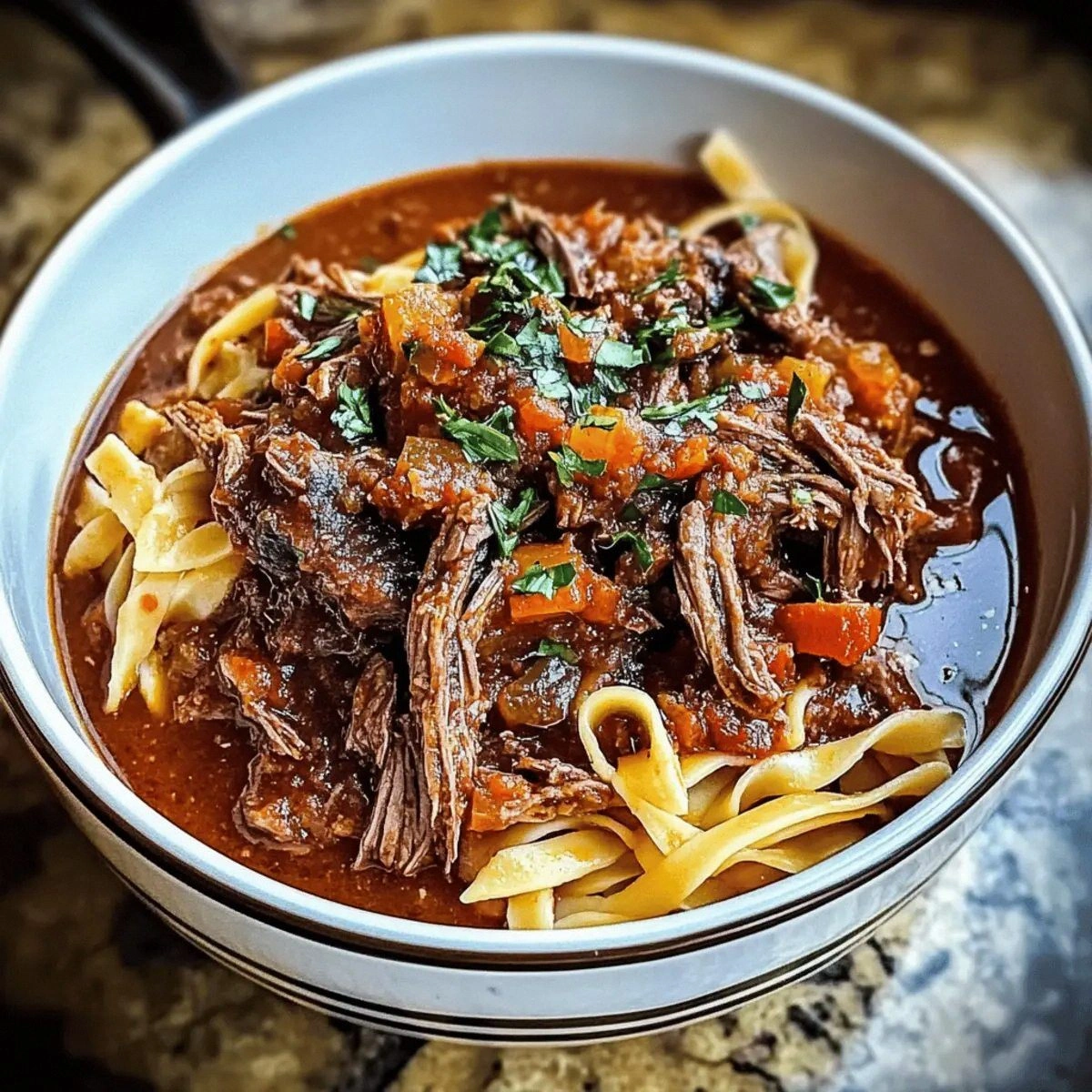
When the timer dings, remove the bay leaves and shred the beef directly in the sauce with two forks. The meat should fall apart effortlessly, coating each strand of pasta in its own buttery jacket. Taste once more, adjust seasoning, and let it sit for a few minutes so the flavors marry fully.
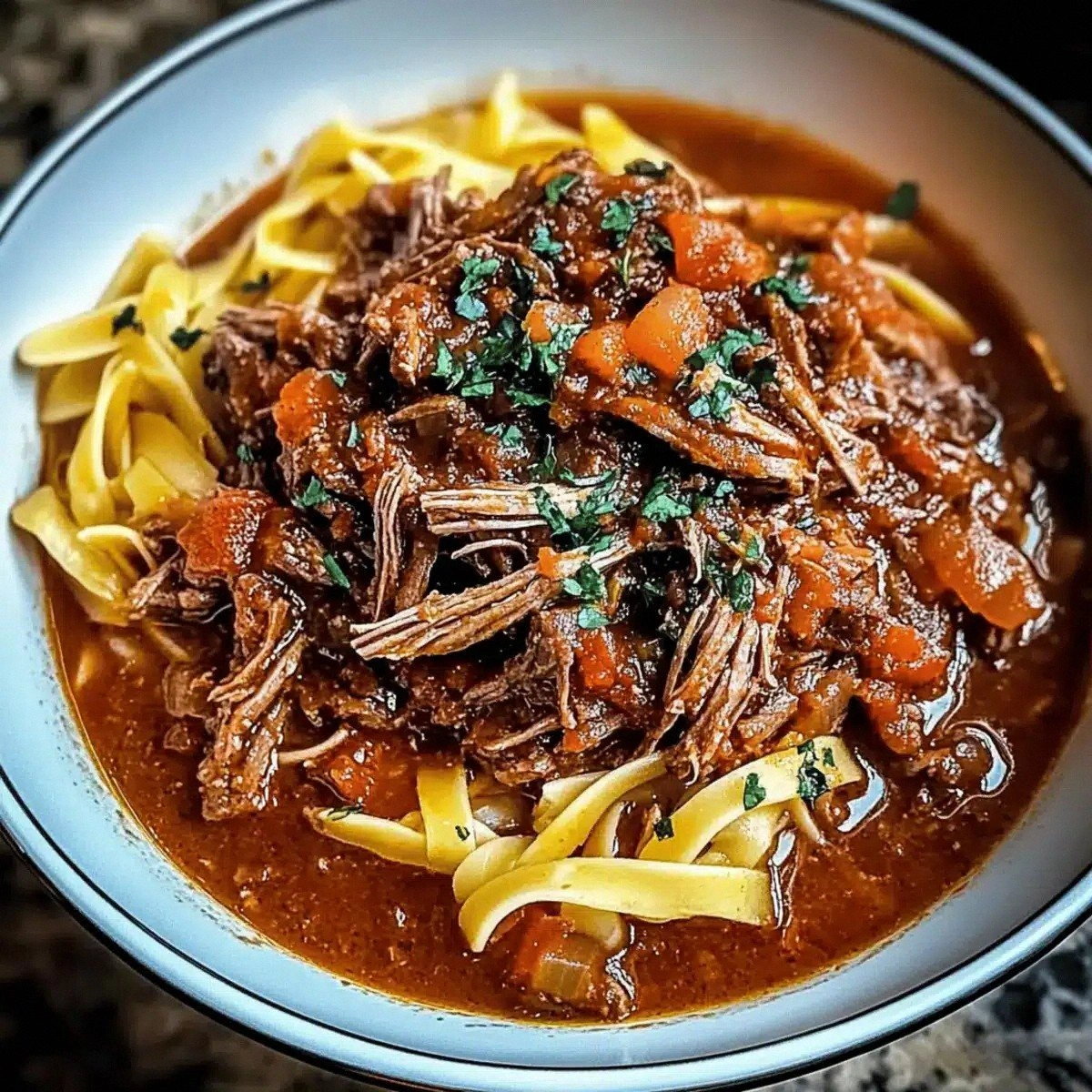
Serve the ragu over freshly cooked pappardelle or tagliatelle, tossing until the noodles are fully enveloped. Finish with a generous grating of Parmesan and a drizzle of extra‑virgin olive oil. Picture yourself pulling this out of the pot, the whole kitchen smelling incredible, steam curling up like a cozy blanket. That’s the moment of triumph—your friends will be begging for the recipe.
That's it — you did it. But hold on, I've got a few more tricks that'll take this to another level...
Insider Tricks for Flawless Results
The Temperature Rule Nobody Follows
Never, ever rush the searing step. A high heat creates a Maillard reaction that locks in flavor. I once tried to speed things up by searing on medium, and the result was a bland, pale crust. Trust the sizzle; it’s the first layer of flavor that will echo through the entire dish.
Why Your Nose Knows Best
Before you add the wine, give it a quick sniff. If it smells sharp or overly acidic, it will dominate the sauce. A good wine should smell fruity with subtle oak notes. If you’re unsure, taste a tiny sip; if it feels balanced, it’s ready.
The 5‑Minute Rest That Changes Everything
After the slow cooker finishes, let the ragu sit, uncovered, for five minutes. This short rest lets the sauce thicken naturally and the flavors settle. Skipping this step is like serving a cake before it cools—everything is a mess.
Fresh Herbs at the Finish Line
A handful of freshly chopped basil or flat‑leaf parsley added at the end brightens the dish and adds a pop of color. I once tried to add dried herbs at the end, and the result was flat. Fresh herbs bring that final burst of life.
Starch Balance is Key
Use pasta with a high surface area, like pappardelle, to catch more sauce. If you opt for spaghetti, consider tossing the cooked pasta in a little olive oil before mixing with the ragu to prevent clumping.
Creative Twists and Variations
This recipe is a playground. Here are some of my favorite ways to switch things up:
Spicy Chipotle Ragu
Swap the dark chocolate for a teaspoon of chipotle in adobo sauce. The smoky heat pairs beautifully with the beef, turning the dish into a bold, southwestern-inspired feast.
White Wine & Lemon Ragu
Replace the red wine with dry white wine and add a splash of lemon juice at the end. This brightens the sauce, making it perfect for spring evenings.
Mushroom‑Only Ragu (Vegetarian)
Omit the beef and double the mushroom quantity, adding a splash of soy sauce for umami. Use vegetable broth instead of beef broth. The result is a hearty, earthy sauce that satisfies vegetarians and meat‑eaters alike.
Herb‑Infused Ragu
Stir in a bouquet garni of thyme, rosemary, and sage during the low‑cook phase. The herbs infuse the sauce with a fragrant, woodland character.
Cheese‑Laden Ragu
Mix in a half‑cup of grated Pecorino Romano just before serving. The salty cheese deepens the flavor and adds a creamy finish.
Storing and Bringing It Back to Life
Fridge Storage
Transfer the cooled ragu to an airtight container and store it in the refrigerator for up to 4 days. The sauce actually thickens and the flavors meld further, making leftovers even more delicious.
Freezer Friendly
Portion the ragu into freezer‑safe bags or containers, leaving a little headspace for expansion. It freezes beautifully for up to 3 months. To reheat, thaw overnight in the fridge, then warm gently on the stove, adding a splash of water or broth to revive the sauce.
Best Reheating Method
When reheating, use a low simmer on the stovetop and stir frequently. Add a tiny splash of water before reheating — it steams back to perfection, preventing the sauce from drying out.