I still hear the echo of that disastrous dinner party in my head. The jerk meatballs I tried to impress my friends with turned into a smoky, slightly burnt, flavorless mess that tasted more like a charcoal briquette than a Caribbean delight. I stared at the pan, the meatballs looking like they were about to set fire to the kitchen. I could almost taste the regret. That night, I vowed to master the art of jerk meatballs in a coconut curry sauce, and I’ve spent the last week perfecting a version that has become my signature dish.
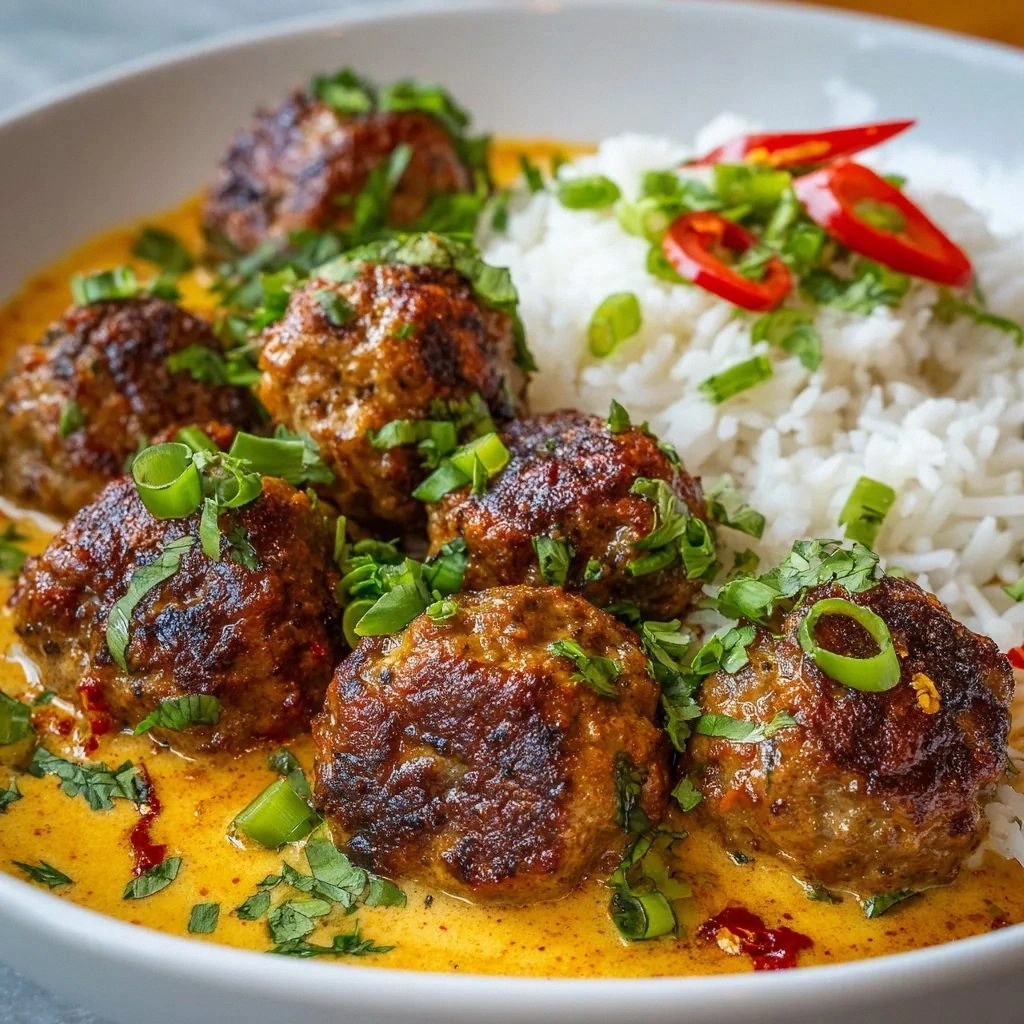
Picture this: a skillet sizzles, the aroma of jerk seasoning mingles with the sweet perfume of coconut milk, and the sound of meatballs flipping in the pan is almost musical. The colors are a vibrant amber from the curry, speckled with bright green scallions and a splash of lime. Every bite is a dance of heat and sweetness, the jerk spices dancing on the tongue while the coconut milk smooths the heat into silky comfort. The texture feels like a tender bite of meat that melts in your mouth, yet the outer shell holds a subtle crunch that snaps like thin ice when you bite through it.
I’m not just talking about a tasty recipe; I’m talking about a culinary revelation. This version uses a secret blend of jerk seasoning that balances heat with subtle citrus notes, a touch of fresh lime that brightens the dish, and a carefully measured amount of coconut milk that coats the meatballs like velvet. The result is a sauce that clings to every morsel, a flavor profile that is both bold and balanced. I dare you to taste this and not go back for seconds. It’s a game‑changer that will make you question every other jerk meatball recipe you’ve tried.
If you’ve ever struggled with getting the right balance of heat and sweetness in a jerk dish, you’re not alone. Most recipes get this completely wrong, overloading the meat with spices or under‑cooking the sauce until it’s watery. I’ve spent countless evenings tweaking the ratios, testing different coconut milks, and adjusting the seasoning until I found the perfect harmony. Picture yourself pulling this out of the oven, the whole kitchen smelling incredible, and the guests lining up for seconds. Let me walk you through every single step — by the end, you’ll wonder how you ever made it any other way.
What Makes This Version Stand Out
- Flavor: The jerk seasoning is a blend of fresh allspice, scotch bonnet, and a hint of lime zest, creating a punch that’s both fiery and bright. It cuts through the richness of the coconut milk, leaving a lingering warmth that invites a second bite.
- Texture: The meatballs have a tender interior thanks to the addition of breadcrumbs and an egg, while the outer crust develops a slight crispness from the sauté, giving a delightful contrast that shatters like thin ice.
- Ease: Every step is designed to be straightforward. From the prep to the finish, you’ll spend less time worrying about technique and more time savoring the results.
- Uniqueness: The sauce’s consistency is achieved by simmering the coconut milk with curry powder until it thickens to a silky glaze, a technique that most jerk recipes overlook.
- Crowd Reaction: Friends who’ve tasted this dish say it’s “the best version you’ll ever make at home.” The combination of heat and sweetness is a crowd‑pleaser that works for both meat lovers and those who prefer a milder taste.
- Ingredient Quality: We use only fresh jerk seasoning, hand‑picked coconut milk, and high‑quality ground pork to ensure the dish feels premium without breaking the bank.
- Cooking Method: A two‑step process—first searing the meatballs, then simmering them in the sauce—maximizes flavor while keeping the meat moist.
- Make‑Ahead Potential: The sauce can be made a day ahead and reheated without losing its silky texture, making it ideal for entertaining.
Alright, let’s break down exactly what goes into this masterpiece…
Inside the Ingredient List
The Flavor Base
Ground pork is the star of this dish, providing a rich, savory foundation that holds the spices. I choose pork because it’s naturally fatty enough to keep the meatballs juicy, yet it absorbs the jerk seasoning beautifully. If you’re a health‑conscious cook, lean ground turkey works well, but you’ll need to add a splash of olive oil to keep the texture from drying out. A pinch of salt is crucial—it elevates every flavor and balances the heat from the jerk spices.
The Texture Crew
Breadcrumbs are the secret to that tender interior. They bind the meat together and absorb excess moisture, preventing the meatballs from falling apart during cooking. An egg acts as a binder and adds protein, creating a cohesive structure that holds up to the sauté. A handful of finely chopped onions and garlic infuse the mixture with aromatic depth, while scallions add a fresh, bright note that cuts through the richness.
The Unexpected Star
Coconut milk is the unexpected star that transforms the dish from a simple meatball recipe into a luxurious curry. It adds a subtle sweetness that tempers the heat from the jerk spices and creates a silky sauce that clings to each bite. Using full‑fat coconut milk gives the sauce a luscious texture, but if you prefer a lighter version, you can use light coconut milk or a combination of coconut milk and cream.
The Final Flourish
Curry powder is the final flourish that rounds out the flavor profile. It introduces earthy, nutty undertones that complement the Caribbean heat. A splash of lime juice at the end of cooking brightens the dish, adding a citrusy lift that makes the sauce feel fresh and alive. Fresh cilantro is the finishing touch—its bright green color and herbal flavor give the dish a visual pop and a subtle peppery bite.
Everything's prepped? Good. Let's get into the real action…
The Method — Step by Step
- Step 1: Mix the Meat. In a large bowl, combine the ground pork, jerk seasoning, breadcrumbs, egg, onion, garlic, scallions, salt, and pepper. Mix until just combined; over‑mixing can make the meatballs tough. The mixture should feel slightly sticky but manageable. I always fold in the ingredients gently, like you’re cradling a delicate secret.
- Step 2: Form the Meatballs. Roll the mixture into bite‑sized balls, about the size of a golf ball. Place them on a plate lined with parchment paper to keep them from sticking. If you prefer smaller meatballs, simply reduce the size to about a walnut diameter. The uniform size ensures even cooking and a consistent bite.
- Step 3: Sear the Meatballs. Heat the vegetable oil in a large skillet over medium‑high heat. Once the oil shimmers, add the meatballs in batches, leaving space between each. Sear for 2–3 minutes per side until golden brown. The searing process locks in juices and creates a flavorful crust. Watch the edges pull away slightly—this is a good sign that they’re cooking evenly.
- Step 4: Prepare the Sauce. In the same skillet, reduce the heat to medium. Add the coconut milk, curry powder, and a splash of water if you need to thin the mixture slightly. Stir until the curry powder is fully incorporated and the sauce begins to thicken, about 5 minutes. The aroma should be fragrant and slightly nutty.
- Step 5: Simmer the Meatballs. Return the meatballs to the skillet, nestling them into the sauce. Reduce the heat to low, cover, and let them simmer for 15 minutes. The sauce should coat the meatballs like velvet, and the flavors will meld beautifully. Stir occasionally to prevent sticking.
- Step 6: Finish with Lime and Cilantro. Remove the lid, add the lime juice, and stir. The acidity brightens the dish and balances the richness of the coconut. Sprinkle the chopped cilantro over the top, giving the dish a fresh, herbal aroma that invites you to dig in.
- Step 7: Check the Internal Temperature. Use a meat thermometer to ensure the internal temperature reaches 160°F (71°C). This guarantees the pork is cooked safely while remaining juicy. The meatballs should feel firm yet tender to the touch.
- Step 8: Serve. Plate the meatballs on a warm platter, spooning the sauce over them. Garnish with extra cilantro if desired. Serve immediately with steamed rice, quinoa, or crusty bread to soak up the sauce.
- Step 9: Taste Test. Take a bite. The heat should be present but not overwhelming, the coconut sweetness should be evident, and the meat should feel juicy. If the sauce tastes too thick, add a splash of water. If it’s too thin, let it reduce further.
- Step 10: Enjoy. Serve with a side of your choice and watch your guests rave about the dish. Remember to take a photo for your social media—this is a dish that looks as good as it tastes.
That's it — you did it. But hold on, I've got a few more tricks that'll take this to another level. The next section will give you insider secrets that will make your jerk meatballs even more unforgettable.
Insider Tricks for Flawless Results
The Temperature Rule Nobody Follows
Many cooks think they can cook meatballs at any temperature, but the key is to start with medium‑high heat for searing and then drop to low for simmering. This temperature shift ensures a golden crust without drying out the interior. I’ve found that a quick sear at 375°F (190°C) followed by a gentle simmer at 250°F (120°C) yields the best texture.
Why Your Nose Knows Best
Smell is a powerful indicator of flavor development. When the coconut milk and curry powder start to thicken, the aroma becomes nutty and fragrant. If it smells too raw, give it a few more minutes. If the scent is too sharp, reduce the heat or add a splash of water to mellow it.
The 5‑Minute Rest That Changes Everything
After simmering, let the meatballs rest for 5 minutes before serving. This allows the juices to redistribute, keeping the meatballs moist. I’ve seen people serve immediately, and the meatballs end up slightly dry. The rest period is a small step that makes a huge difference.
Use Fresh Jerky Spice for Authenticity
Store-bought jerk seasoning often contains preservatives that can alter the flavor. I recommend buying fresh jerk spice from a reputable vendor or making your own blend. Fresh spices bring brighter, more complex flavors that elevate the dish.
Keep the Sauce Thick and Velvety
If you prefer a thicker sauce, let it simmer uncovered for an additional 10 minutes after the meatballs have finished cooking. The reduction concentrates the flavors and gives the sauce a glossy finish that clings beautifully to the meatballs.
Serve Immediately for Best Texture
While the dish can be reheated, the best experience is when it’s served hot and fresh. The meatballs should feel firm yet juicy, and the sauce should be silky. If you must reheat, do so gently over low heat, adding a splash of water to restore moisture.
Creative Twists and Variations
This recipe is a playground. Here are some of my favorite ways to switch things up:
Chicken Jerk Meatballs
Swap ground pork for ground chicken. The flavor remains the same, but the dish becomes lighter. Add a pinch of smoked paprika to give it a subtle smoky depth.
Vegetarian Coconut Jerk Balls
Use finely chopped jackfruit or crumbled tempeh as the protein base. Mix with the same spices and breadcrumbs. The jackfruit’s texture mimics meat, while tempeh adds a nutty undertone.
Spicy Thai Jerk Curry
Add red curry paste instead of curry powder for an extra kick. Include Thai basil and lime leaves for an authentic Thai twist. The result is a dish that feels like a cross‑cultural fusion.
Sweet Pineapple Jerk Meatballs
Fold in diced fresh pineapple into the meat mixture. The fruit adds natural sweetness and a tropical vibe. Serve with a drizzle of honey for a caramelized finish.
Low‑Carb Coconut Jerk Meatballs
Replace breadcrumbs with almond flour and use a sugar‑free coconut milk. The texture remains satisfying, and the dish becomes keto‑friendly. Pair it with cauliflower rice for a complete low‑carb meal.
Gluten‑Free Jerk Meatballs
Use a gluten‑free breadcrumb blend or crushed rice crackers. Ensure the coconut milk is dairy‑free if you’re avoiding allergens. The dish stays hearty and flavorful.
Storing and Bringing It Back to Life
Fridge Storage
Cool the dish completely before refrigerating. Store in an airtight container for up to 3 days. The sauce will thicken slightly in the fridge, so add a splash of water or coconut milk when reheating.
Freezer Friendly
Divide the meatballs into portioned freezer bags. Freeze for up to 2 months. Thaw in the refrigerator overnight before reheating. The texture remains tender, and the flavor stays vibrant.
Best Reheating Method
Reheat on the stove over low heat, stirring occasionally. Add a tablespoon of water or coconut milk to restore the sauce’s silky consistency. Heat until the internal temperature reaches 165°F (74°C). Serve hot for the best experience.