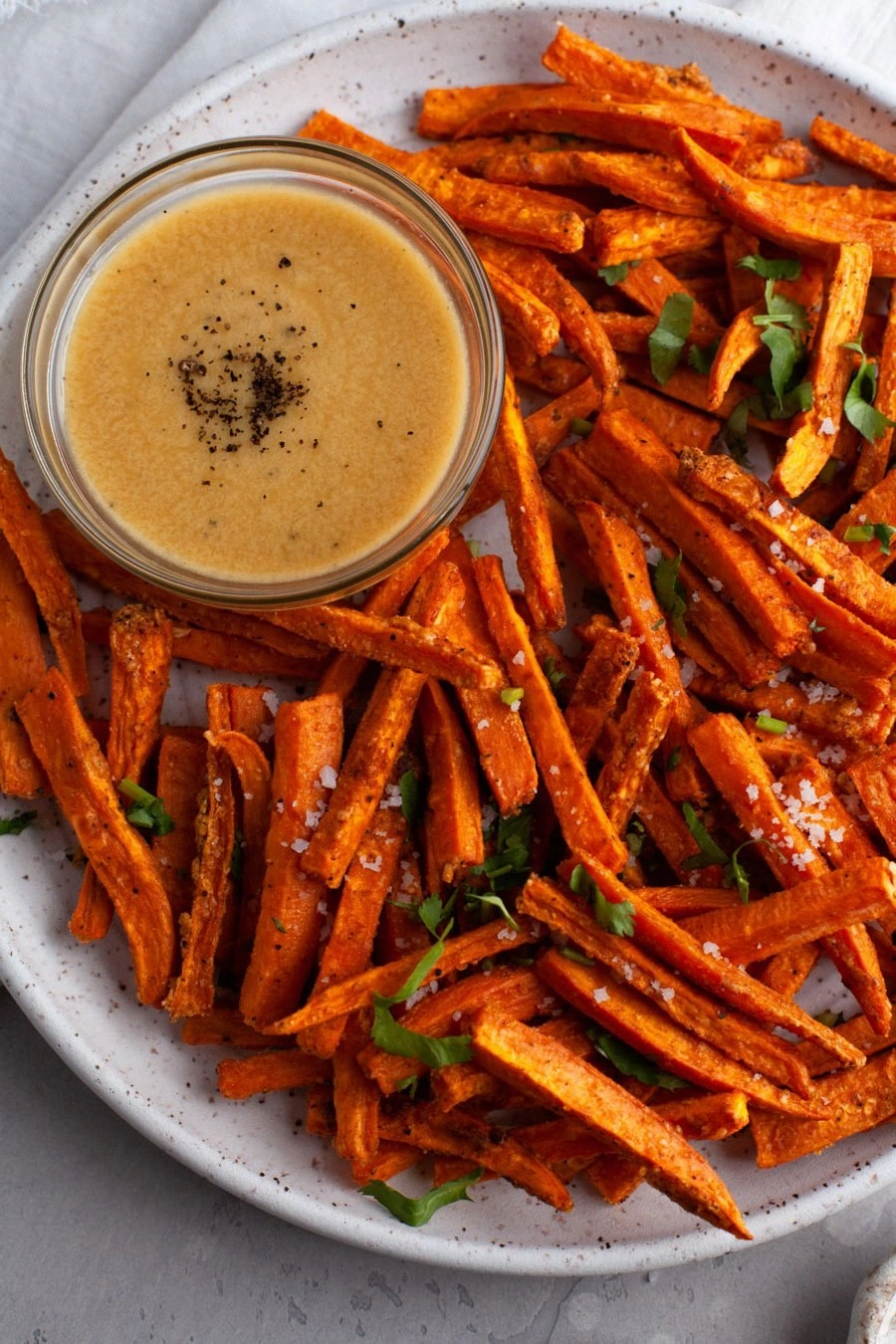
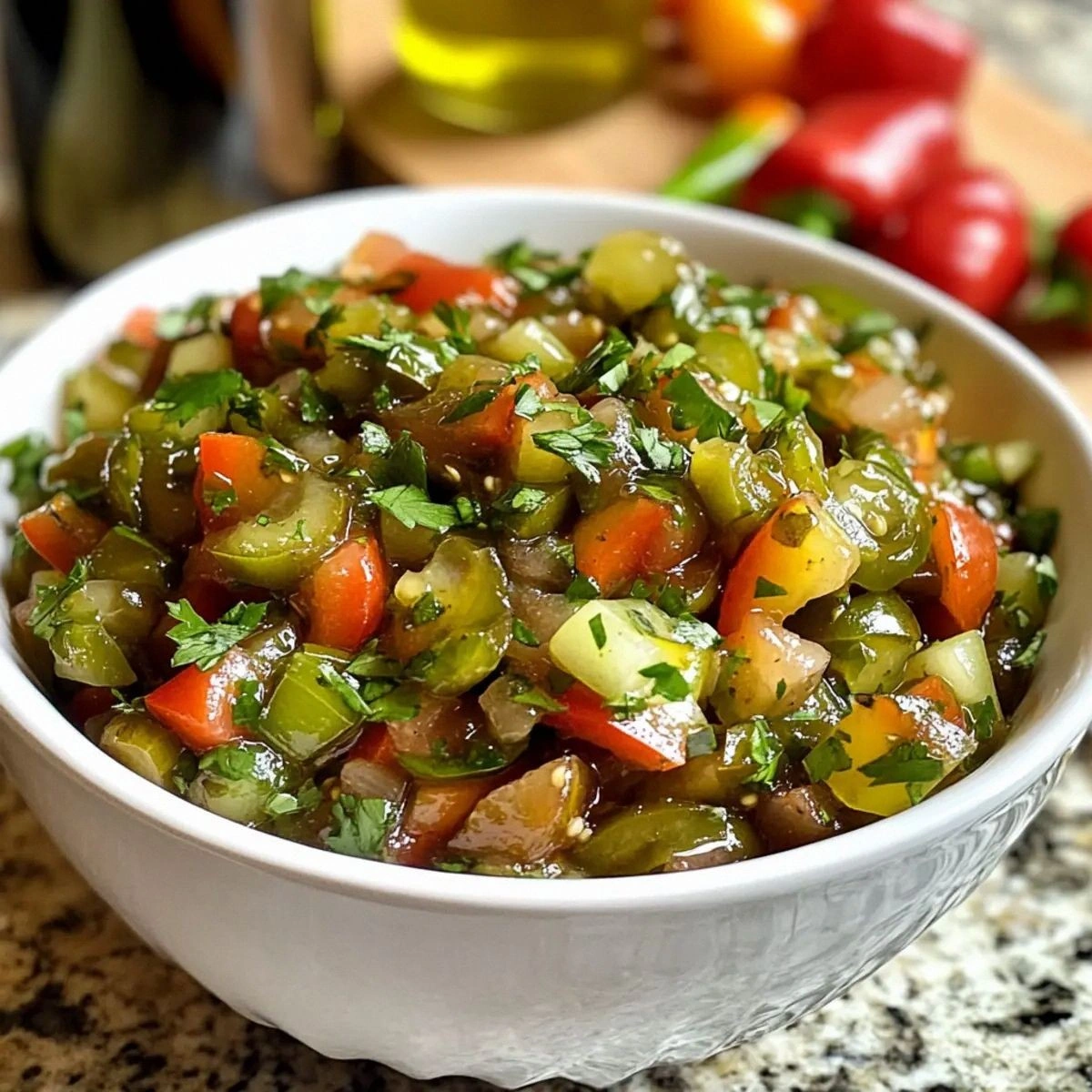
I still remember the day I almost set my kitchen on fire trying to make a "simple" chutney. There I was, standing over a bubbling pot of what looked like nuclear waste, frantically waving a dish towel at my smoke detector while my roommate laughed so hard she dropped her coffee. Fast forward through three failed attempts, a minor jalapeño-in-the-eye incident, and one very expensive trip to replace my scorched saucepan — and I finally cracked the code to what might be the most addictive condiment known to humankind. This Spicy Pineapple Jalapeño Chutney isn't just another recipe; it's a glorious collision of tropical sunshine and fiery rebellion that'll make you question every store-bought jar you've ever brought home.
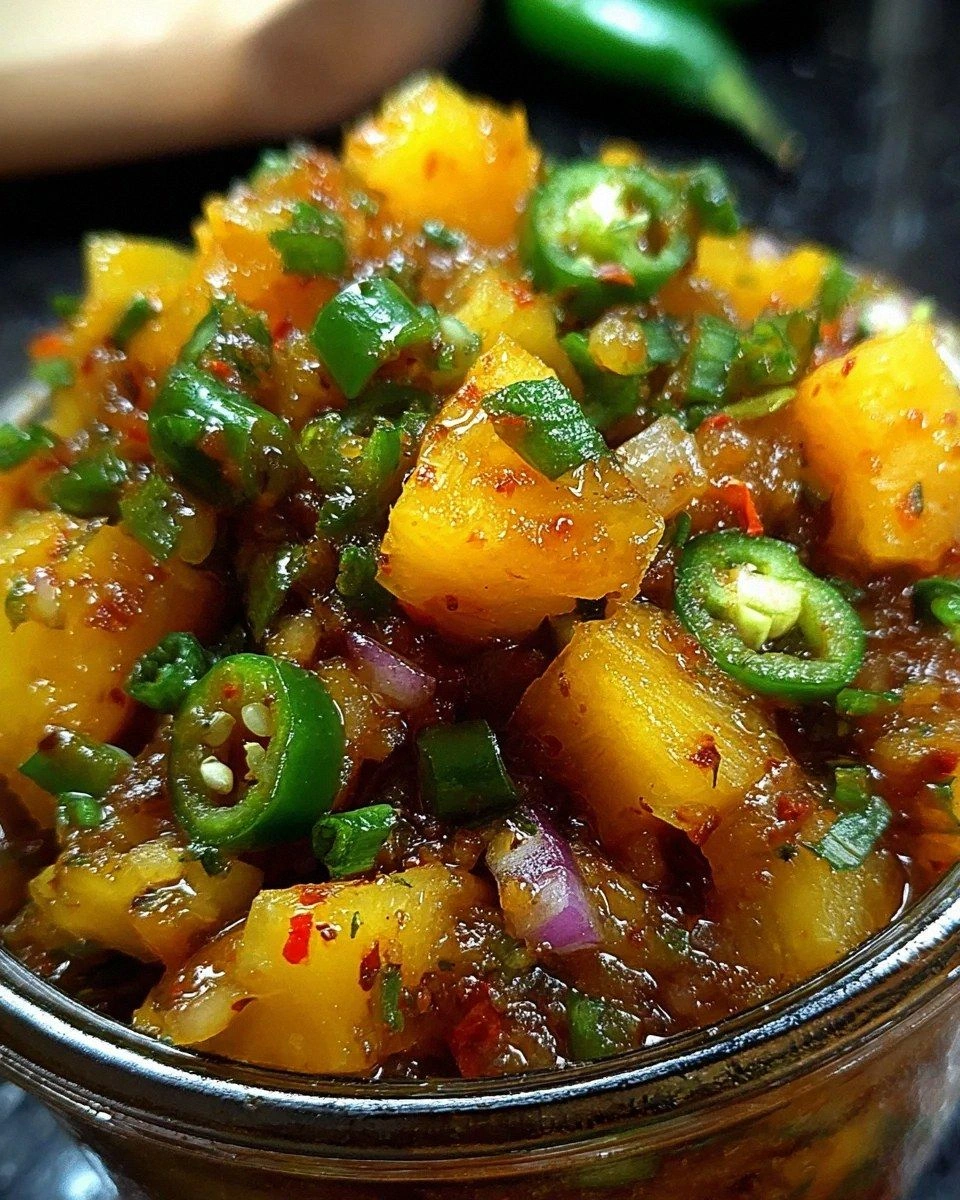
Picture this: golden pineapple chunks swimming in a glossy, amber syrup that's equal parts sweet and dangerous. The kind of sweet that makes your taste buds sit up and pay attention, followed by a heat that builds slowly, like a summer storm rolling in across the horizon. That first spoonful hits you with bright, tropical fruit, then WHAM — the jalapeños sneak up behind you like a mischievous child pulling on your apron strings. It's the kind of flavor that makes you close your eyes involuntarily, the way people do when they taste something truly extraordinary. My neighbor actually did a little dance when I handed her a jar, and I'm not talking about a polite sway — I'm talking full-on kitchen disco moves that would make Saturday Night Fever jealous.
Here's the thing that'll really blow your mind: most chutney recipes get this completely wrong. They either cook it down until it's nothing but sugary mush, or they leave the fruit so chunky it feels like you're eating a weird fruit salad. This version? We hit that sweet spot where the pineapple maintains just enough bite to remind you it was once a proud, spiky fruit, while the jalapeños infuse every molecule with their verdant heat. The vinegar isn't just there for show — it's the unsung hero that keeps everything bright and awake, preventing the sugar from turning your beautiful chutney into candy. Trust me, I've made that mistake, and feeding candied pineapple to unsuspecting dinner guests is not a repeat offense in my house.
But here's where it gets really interesting — and stay with me here, because this is worth it. We're not just throwing everything in a pot and hoping for the best. No, we're going to layer flavors like a symphony conductor building to a crescendo. The way the red onions practically melt into the sauce while still maintaining their dignity, how the cumin whispers its earthy secrets into the mixture, and that moment when the brown sugar hits just the right temperature and everything transforms from mere ingredients into liquid gold. Let me walk you through every single step — by the end, you'll wonder how you ever made it any other way.
What Makes This Version Stand Out
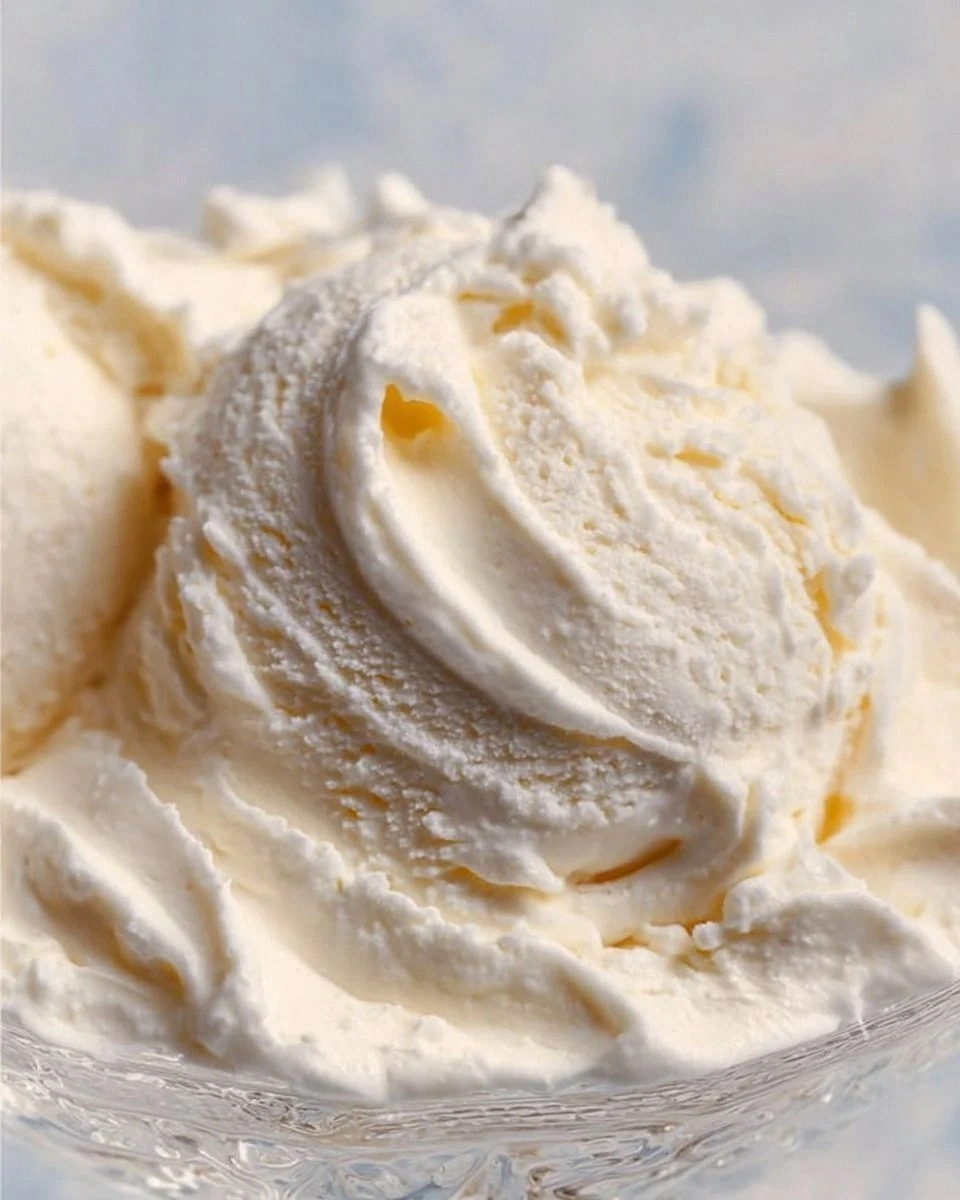
Taste Explosion: This isn't your grandmother's mild-mannered chutney. We're talking about a full-on flavor assault that starts sweet, builds to spicy, and finishes with a tangy punch that'll make your lips tingle in the most delightful way. The balance is so precise that you'll find yourself inventing excuses to eat it — suddenly, everything from scrambled eggs to vanilla ice cream becomes a vehicle for this golden ambrosia.
Texture Paradise: Forget everything you know about chutney consistency. We're achieving something magical here — tender pineapple chunks that hold their shape while swimming in a glossy, spoon-coating sauce that thickens to perfection as it cools. It's like the difference between store-bought and homemade pudding; once you experience the real thing, there's no going back to that sad, gloopy stuff.
Weekend Simple: Despite tasting like it came from some fancy gourmet shop, this recipe is ridiculously straightforward. We're talking twenty minutes of actual work, most of which involves chopping while you dance around the kitchen to your favorite playlist. The hardest part is waiting for it to cool enough to taste without burning your tongue — a lesson I learned the hard way three times before I developed any patience whatsoever.
Unexpected Magic: Here's what'll really set your version apart from every other chutney out there — we're using a technique that intensifies the pineapple's natural sweetness before we even add any sugar. It's like giving the fruit a quick suntan that brings out all its hidden depth. Most recipes skip this step entirely, which is why their final product tastes flat and one-dimensional compared to ours.
Crowd Reaction Guaranteed: I've never, and I mean never, brought this to a gathering without someone demanding the recipe within the first five minutes. It's the kind of thing that makes people do that involuntary "mmm" sound when they taste it, followed by immediate recipe requests and marriage proposals. My friend Sarah actually hid the last jar in her purse at a potluck once — I'm still not entirely sure whether to be offended or impressed.
Ingredient Quality Flex: This recipe celebrates good ingredients without being snobby about it. Fresh pineapple will blow your mind, sure, but I've made incredible versions with canned fruit when that's what I had. The technique matters more than the price tag on your produce, which means you can make restaurant-quality chutney whether you're shopping at Whole Foods or your local corner store.
Make-Ahead Champion: Unlike those sad, watery chutneys that separate after a day in the fridge, this one actually improves with time. The flavors meld and deepen, becoming more complex and interesting as the days pass. I always make a double batch because I know it'll disappear faster than cookies at a kindergarten party, but the jars I manage to hide in the back of the fridge taste even better a week later.
Inside the Ingredient List
The Flavor Foundation
Pineapple is undeniably the star here, and picking the right one makes the difference between good chutney and life-changing chutney. You want a fruit that gives slightly when pressed but doesn't feel mushy — think of a perfectly ripe avocado's firmness. The base should smell sweet and tropical, not fermented or sour. When you cut into it, the color should be golden yellow all the way through, with no white, underripe sections. If you're stuck with canned pineapple in a pinch, go for the chunks packed in juice, not syrup, and drain them well. The difference between fresh and canned is like the difference between a live concert and a recording — both are good, but one gives you goosebumps.
Red onions bring more than just pretty color to this party. They're milder than their yellow cousins, with a subtle sweetness that intensifies as they cook down. The way they turn translucent and almost jammy in the chutney is pure kitchen alchemy. If you only have yellow onions, they'll work, but you'll want to use slightly less since they're more pungent. Shallots make an elegant substitute if you're feeling fancy — their delicate flavor plays beautifully with the tropical fruit.
The Heat Brigade
Jalapeños are where things get interesting, and here's where you get to play mad scientist with your preferred heat level. One pepper gives you a gentle warmth that even spice-wimps can handle, while three or more creates something that'll make grown adults cry happy tears. The real trick is in the preparation — those seeds and white membranes pack the most punch, so removing them tames the fire considerably. I like to leave a few seeds in for personality, but you do you. And please, for the love of all that's holy, wear gloves when handling these bad boys. I once scratched my eye after chopping jalapeños and had to spend twenty minutes with my face in a bowl of milk like some kind of dairy-obsessed ostrich.
The interplay between sweet pineapple and spicy pepper is what makes this chutney absolutely addictive. It's like a flavor roller coaster that keeps you coming back for another ride. The heat builds slowly, so you taste the fruit first, then experience this warming sensation that spreads across your tongue without overwhelming the other flavors. It's sophisticated heat, not the kind that destroys your ability to taste anything else for the next three days.
The Balancing Act
Apple cider vinegar brings the bright acidity that keeps this chutney from becoming cloyingly sweet. It's like the friend who tells you when you have spinach in your teeth — absolutely essential for keeping everything in balance. The vinegar's fruity notes complement the pineapple beautifully, while its tang prevents the brown sugar from running amok. If you're in a pinch, white vinegar works, but you'll miss those subtle apple undertones that make this version special. Balsamic would be a disaster here — trust me, I tried it once and ended up with something that tasted like expensive fruit gone wrong.
Brown sugar isn't just about sweetness — it's about depth and complexity. The molasses in brown sugar adds caramel notes that play against the tropical fruit like a jazz duet. You can substitute white sugar in a emergency, but your chutney will taste flatter, more one-note. For those watching their sugar intake, honey works surprisingly well, though you'll want to reduce the amount slightly since it's sweeter than sugar. Maple syrup creates an entirely different but equally delicious flavor profile, adding smoky undertones that pair beautifully with grilled meats.
The Spice Whisperers
Ground ginger adds warmth without the sharp bite of fresh ginger, creating a subtle backdrop that enhances the pineapple's natural zing. It's like the bass player in a band — you might not notice it explicitly, but you'd miss it if it weren't there. Fresh ginger brings more punch if that's what you're after, but use about half the amount since it's much more potent than the dried version. The key is adding it at just the right moment so it infuses the chutney without overwhelming the delicate fruit flavors.
Ground cumin might seem like the odd man out here, but trust me on this one. It adds an earthy depth that anchors all the bright, tropical flavors, preventing them from floating away into candy territory. Just a whisper transforms the entire character of the chutney, making it more sophisticated and complex. If you're not a cumin fan, coriander makes an interesting substitute, bringing citrusy notes that complement the pineapple in a different but equally delicious way. Skip the earthy spices entirely, and your chutney will taste like fancy jam — good, but missing that certain je ne sais quoi that makes people ask for your secret ingredient.
The Method — Step by Step
- Start by prepping your pineapple like you mean business. Cut off the top and bottom so it sits flat on your board, then slice down the sides to remove the skin. Don't worry about getting every last eye — we're going to cook this down, and a few brown spots won't hurt anyone. Cut the fruit into quarters lengthwise and remove the tough core (but save it for later). Chop the flesh into bite-sized pieces, roughly half-inch chunks that'll maintain their shape during cooking but not so large they feel awkward on a cracker. You should end up with about four cups of fruit, though a little more or less won't hurt the final product.
- Now for the game-changing step that separates amateur chutney from the stuff that makes people weak in the knees. Heat a large, heavy-bottomed pan over medium heat and add your pineapple pieces in a single layer. Let them sit undisturbed for about three minutes — I know it's tempting to stir, but resist! This caramelization creates hundreds of new flavor compounds that'll make your chutney taste like it came from a Michelin-starred kitchen. When the edges start turning golden and the kitchen smells like a tropical vacation, give them a gentle stir and cook for another two minutes. The fruit should be slightly softened but still holding its shape.
- While your pineapple is getting its suntan, dice your red onion into small, even pieces. You want them roughly the same size so they cook uniformly — think of how you'd cut onions for salsa, small enough to blend into the sauce but large enough to provide textural interest. Add the onions to the pan with a tablespoon of oil and watch as they turn from harsh and crunchy to sweet and jammy. This transformation never gets old — it's like watching a kitchen magic show where raw vegetables become something entirely different through the miracle of heat and time.
- Time to bring the heat, literally and figuratively. Mince your jalapeños finely, removing seeds if you want to tone down the fire or leaving them in for maximum impact. Add them to the pan and stir for about thirty seconds, just until they release their grassy, spicy aroma. This is where things get exciting — the steam rising from the pan should make your eyes water slightly, but in the best possible way. Don't breathe directly over the pan unless you're into that sort of self-torture.
- Now we're going to create the syrup that'll make everything sing together. Pour in your apple cider vinegar and stand back slightly as the steam rises dramatically. Add the brown sugar, ground ginger, cumin, salt, and pepper. Stir everything together and watch as the sugar dissolves into the vinegar, creating a glossy coating that clings lovingly to every piece of fruit and vegetable. The mixture should bubble gently, not furiously — if it's boiling like crazy, turn down the heat slightly.
- Here's where patience becomes your secret weapon. Let everything simmer together for about fifteen minutes, stirring occasionally to prevent sticking. The chutney is ready when the liquid has reduced by about half and the sauce coats the back of a spoon. You'll know it's done when you can drag your spatula across the bottom of the pan and see the trail for a few seconds before the sauce flows back together. It should look glossy and luxurious, not watery or dry.
- The final flourish comes with a squeeze of lime juice if you're using it, added right at the end to preserve its bright, zingy character. Taste and adjust the seasoning — you might want more salt to bring out the sweetness, or another pinch of cumin for depth. Remember that the flavors will continue to develop as it cools, so slightly under-seasoning is better than overdoing it. Let the chutney cool for at least twenty minutes before transferring to jars — this allows it to thicken properly and prevents those annoying condensation drips that water down your beautiful creation.
- Storage is where many people go wrong, ruining their beautiful chutney through poor technique. Let it cool completely before transferring to clean, dry jars. It'll keep in the refrigerator for up to three weeks, though I guarantee it won't last that long. For longer storage, freeze it in small portions — ice cube trays work brilliantly for this. Thaw overnight in the refrigerator and give it a good stir before serving. The texture might be slightly softer after freezing, but the flavor will be just as incredible.
- The final test? Spread some on a cracker or piece of grilled chicken while it's still slightly warm. If you find yourself immediately reaching for another taste, you've nailed it. If it tastes too sharp, let it mellow overnight — the flavors will harmonize beautifully as the chutney rests. This is the moment of truth when all your hard work pays off in the form of a condiment that'll make you famous among your friends and family. Just remember to save some for yourself — this stuff has a way of disappearing faster than you can say "pass the chutney."
That's it — you did it. But hold on, I've got a few more tricks that'll take this to another level...
Insider Tricks for Flawless Results
The Temperature Rule Nobody Follows
Here's something that'll change your chutney game forever: start with a cold pan. I know, I know — every recipe tells you to preheat until the surface sizzles. But for this chutney, beginning with room-temperature pineapple in a cold pan allows the natural sugars to release gradually, creating deeper, more complex caramelization. As the pan heats up over medium heat, the fruit has time to develop those gorgeous golden edges without burning. It's like the difference between a slow-cooked stew and something boiled at full blast — patience rewards you with layers of flavor that'll make your taste buds do backflips.
The cooking temperature is equally crucial once things get going. Too high, and you'll scorch the sugars, creating bitter undertones that no amount of sweetness can hide. Too low, and the mixture will stew rather than caramelize, leaving you with sad, mushy fruit in thin syrup. You want a gentle bubble, the kind that makes lazy bubbles that pop slowly, not a rolling boil that looks like a jacuzzi. Think of it as the difference between a lazy river and white-water rapids — both involve water moving, but only one is relaxing.
Why Your Nose Knows Best
Your sense of smell is your most reliable tool for knowing when this chutney is perfectly done. In the beginning, you'll smell sharp vinegar and raw onion — not unpleasant, but definitely aggressive. As it cooks, the aroma transforms into something magical: first the sweet perfume of caramelizing pineapple, then the warming spices, finally the harmonious blend that makes your neighbors knock on your door asking what smells so incredible. When you catch yourself standing over the pan, inhaling deeply and involuntarily smiling, that's when it's ready. I once had a friend who didn't trust this method, insisting on using a candy thermometer instead. His chutney was technically perfect but emotionally dead — proof that cooking is about more than just numbers.
The smell test becomes even more important when you're adjusting seasonings. If the aroma seems flat or one-note, a pinch more salt will bring everything into focus. If it smells too sweet and cloying, a splash of vinegar will brighten things up. Your nose processes complex chemical information faster than your taste buds, making it the ultimate kitchen tool for fine-tuning flavors. Trust your instincts — if it smells like something you'd stand in line to buy at a fancy food market, you're on the right track.
The 5-Minute Rest That Changes Everything
After you finish cooking, resist the urge to immediately taste and adjust. The flavors are like orchestra musicians who've just finished a performance — they need a moment to catch their breath and find their harmony. Let the chutney rest for five minutes off the heat, then taste it. You'll notice that the heat from the jalapeños has mellowed slightly, the sweetness has deepened, and all the individual elements have started singing together instead of competing for attention. It's like the difference between meeting someone at a loud party versus having coffee with them the next day — the same components, but suddenly you can appreciate their true character.
This rest period is also when the texture settles into its final form. What seemed like thin syrup will thicken into that perfect, spoon-coating consistency that makes chutney so luxurious. The fruit absorbs just enough liquid to become jewel-like and glossy, while still maintaining enough structure to provide textural interest. Skip this step, and you'll find yourself frantically adjusting seasonings that seem perfect one minute and off-balance the next. Patience isn't just a virtue here — it's the secret ingredient that separates good cooks from great ones.
Creative Twists and Variations
This recipe is a playground. Here are some of my favorite ways to switch things up:
The Tropical Heat Wave
Swap half the pineapple for mango and add a habanero instead of jalapeño for a chutney that tastes like summer vacation in the Caribbean. The mango brings a buttery richness that plays beautifully against the intense heat of habanero, creating a chutney that's absolutely killer on grilled fish or as a glaze for pork tenderloin. Add a splash of dark rum during the final minute of cooking for an extra layer of complexity that'll make you want to put on steel drum music and dance around your kitchen. Just remember that habaneros pack serious heat — remove all the seeds unless you're cooking for true chili heads.
The Smoky Sunset
Add a chipotle pepper in adobo sauce for a chutney that tastes like it was kissed by fire and wrapped in a blanket of smoke. This version pairs beautifully with anything grilled — the smokiness echoes the char from the grill while the sweetness balances spicy rubs and marinades. Start with half a pepper and add more to taste; these little powerhouses can quickly take over if you're not careful. The resulting chutney has a deep, mysterious quality that makes people close their eyes when they taste it, trying to identify all the complex flavors.
The Island Breeze
Incorporate coconut by replacing the oil with coconut oil and adding a handful of toasted coconut flakes during the final five minutes of cooking. Add a stalk of lemongrass while it simmers, then remove before serving. This variation tastes like the best Thai curry you've ever had, condensed into spreadable form. It's incredible on chicken satay or stirred into coconut rice for a side dish that'll make you forget plain white rice ever existed. The coconut adds richness while the lemongrass brings an herbal brightness that keeps everything feeling fresh and exciting.
The Autumn Harvest
Replace half the pineapple with diced apples and add a cinnamon stick and a few cloves while cooking. This fall-inspired version is perfect for serving with roasted meats or spreading on turkey sandwiches that'll make you actually look forward to Thanksgiving leftovers. The apples break down slightly while maintaining enough texture to remind you of apple pie filling, but with a sophisticated, savory edge that prevents it from tasting like dessert. Remove the whole spices before serving, and consider adding a splash of apple brandy for an adults-only version that'll warm you from the inside out.
The Garden Fresh
Add a handful of chopped fresh herbs right at the end — cilantro for a bright, clean flavor, or Thai basil for something more exotic. You can also incorporate other vegetables like diced bell peppers or even zucchini for a chutney that tastes like you bottled up summer itself. This lighter version is fantastic as a topping for grilled vegetables or stirred into quinoa for a side dish that makes healthy eating feel like a treat rather than a chore. The key is adding delicate ingredients at the very end to preserve their fresh character.
The Dessert Flip
For a dessert version that'll make you rethink everything you know about sweet condiments, reduce the vinegar by half and add a vanilla bean. This creates something magical that tastes incredible spooned over vanilla ice cream or spread between layers of pound cake. The vanilla adds warmth and depth while the reduced vinegar keeps it from becoming cloyingly sweet. It's like the grown-up, sophisticated cousin of strawberry jam — familiar enough to be comforting, but interesting enough to make people ask for the recipe. Serve it at your next dinner party and watch your guests' minds explode when you tell them it's homemade.
Storing and Bringing It Back to Life
Fridge Storage
Store your chutney in clean, dry glass jars with tight-fitting lids. I save all my old jam and pickle jars for this purpose — just make sure to wash them thoroughly in hot, soapy water and let them dry completely before filling. The chutney will keep for up to three weeks in the refrigerator, though the flavor is best within the first two weeks. Always use a clean spoon when serving to prevent contamination, and never double-dip unless you want to discover interesting new forms of mold. If you notice any off smells, colors, or fuzzy growth, it's time to say goodbye — but honestly, if you made it right, it'll disappear long before then.
The texture might firm up slightly when cold due to the natural pectin in the fruit. If it becomes too thick, just let it sit at room temperature for fifteen minutes before serving, or stir in a tiny splash of warm water. Don't microwave it to loosen it up — the heat can make the fruit mushy and break down the beautiful texture you worked so hard to achieve. Think of it like good cheese: let it come to temperature naturally for the best experience.
Freezer Friendly
This chutney freezes beautifully, making it perfect for preserving summer's bounty or preparing gifts in advance. Freeze it in small portions — ice cube trays work wonderfully for individual servings, or use muffin tins for larger portions. Once frozen solid, pop them out and store in freezer bags. This way, you can thaw exactly what you need without defrosting an entire jar. Frozen chutney keeps for up to six months, though I guarantee it won't last that long once people know you have it stashed away. Thaw overnight in the refrigerator for best results, and give it a good stir before serving since some separation is natural.
For gift-giving, freeze the chutney in small, decorative jars. Tie a ribbon around the lid and include a tag with serving suggestions — people love receiving homemade condiments, especially something as unique as this. The frozen jars keep for months, making them perfect for holiday gifts or hostess presents. Just remember to tell recipients that it needs refrigeration after thawing, unless you want to be responsible for their food safety education the hard way.
Best Reheating Method
If you need to serve your chutney warm — perhaps as a glaze for roasted meats or a topping for brie — do it gently. Place the desired amount in a small saucepan over low heat, stirring frequently until just warmed through. Avoid boiling it again, as this can break down the fruit and make the texture mushy. You're aiming for slightly warmer than room temperature, not hot. Think of it like warming chocolate — gentle heat preserves the texture while enhancing the flavors. If you're in a hurry, a microwave works on low power for short bursts, stirring between each burst, but the stovetop method gives you more control.
For a quick appetizer that'll make you look like a culinary genius, warm the chutney slightly and spoon it over a block of cream cheese or brie. The contrast between the cool, creamy cheese and the warm, spicy-sweet chutney creates something greater than the sum of its parts. Serve with crackers or sliced baguette, and watch your guests demolish it within minutes. It's the kind of effortless entertaining that makes people think you spend hours in the kitchen, when really, you just know how to let good ingredients shine.