
The Gala Where a Poor Orphan Boy Revealed He Was a Billionaire’s Lost Twin
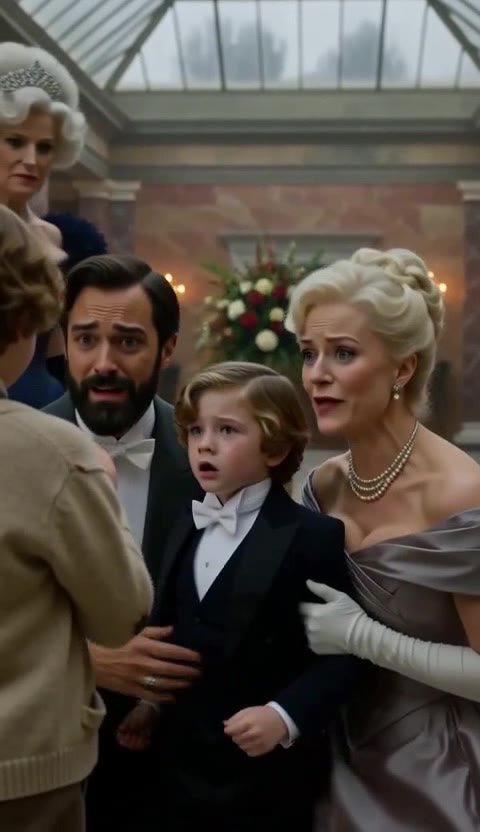
Previously: A barefoot boy crashes a London gala, clutching half a silver coin. When the billionaire’s son sees his face, the room goes silent—and two broken families collide in one impossible moment.
The Grave That Was Never Dug
Nathaniel's penthouse was a glass and steel tower that looked over the Thames. Lucas showed me to a bedroom that was bigger than the entire orphanage. There was a bed with a duvet so soft I was afraid to touch it, and a window that looked out at the city lights.
"This is yours now," Lucas said, sitting on the edge of the bed. "I mean, if you want it."
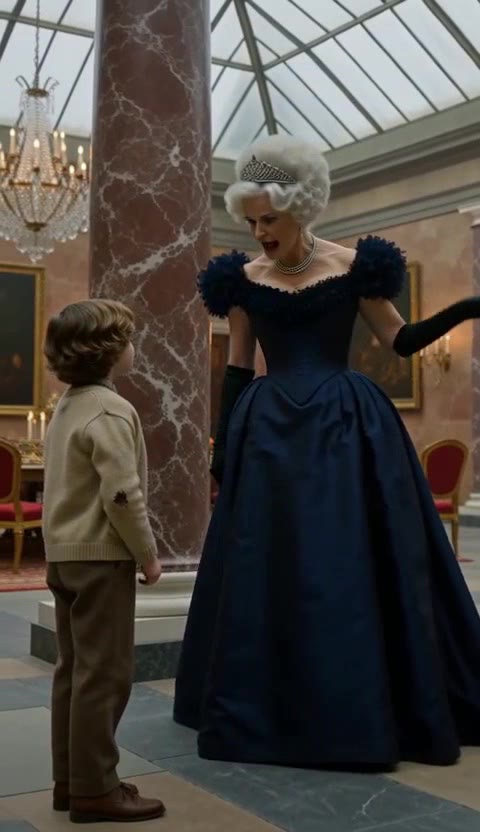
I sat down next to him. "I don't know what I want," I admitted. "I just wanted to find you."
"And now you have," he said, smiling. "For real this time."
We were the same height, the same weight. When we stood together, we cast a single shadow.
Nathaniel came in later, carrying a folder. His face was pale, and his hands were shaking. "I need to show you something," he said, sitting down across from us.
He opened the folder. Inside was a death certificate—a copy of a document that declared one infant, Liam Thorne, deceased at birth.
"The doctor who signed this died three years ago," Nathaniel said. "But I checked the records. The signature was forged."
Lucas looked at me, then back at his father. "So he was never dead?"
"No," Nathaniel said. "He was alive. He was living in a home for orphans, twenty minutes from our house."
I felt sick. "She knew," I whispered. "She always knew where I was."
Nathaniel nodded. "I found something else." He pulled out a photograph—a woman in a hospital gown, holding a baby. The baby had a crescent birthmark on his wrist.
"That's your mother," he said. "The day you were born."
I studied the photo. Genevieve looked young, scared, but happy. "She looked different then."
"She was," Nathaniel said. "Before her father got to her."
We sat in silence for a long moment. Then Nathaniel took a breath. "I need to tell you the rest."
He pulled out another piece of paper—a handwritten letter, yellowed with age.
"This was in the box you were found in," he said. "The orphanage kept it. They thought it might help identify you someday."
I took the letter with trembling hands. The handwriting was shaky, desperate.
"To whoever finds this child—his name is Liam. He has a twin brother, Lucas. Please tell them they are loved. I am not strong enough to keep him, but I will never stop loving him. I hope one day he can forgive me. —G."
I read it twice. Three times. Then I looked at Nathaniel. "She didn't want to give me away."
"No," he said. "Her father forced her. He threatened to ruin me, to take Lucas, to destroy everything."
Lucas wiped his eyes. "So Granddad was the villain."
"Yes," Nathaniel said. "And Genevieve was a victim."
"But she let me go," I said. "She let me grow up alone."
"She thought she was protecting you," Nathaniel said. "Her father promised he'd find you a good home. He lied."
I looked at the letter again. The words "I will never stop loving him" blurred in front of me.
"Where is she now?" I asked.
Nathaniel hesitated. "She's at the police station. She turned herself in."
I stood up, my heart pounding. "I need to see her."
"Liam—"
"She's my mother," I said. "She made a mistake. But she's still my mother."
Nathaniel nodded slowly. "Let me call the car."
At the station, Genevieve sat in a small interview room, her face pale and her eyes red. When she saw me, she broke down.
"I'm sorry," she sobbed. "I'm so sorry, Liam. I was so scared. I thought I was protecting you."
I walked over and sat down across from her. "I read your letter," I said. "You said you'd never stop loving me."
She nodded, unable to speak.
"I believe you," I said. "I want to try."
Genevieve reached across the table, and I took her hand. It was cold, but I held on.
"We can be a family," Lucas said, stepping in behind me. "All of us."
Nathaniel came in and put a hand on my shoulder. "No more secrets," he said. "No more lies."
Genevieve nodded, tears streaming down her face. "No more lies."
We went home that night—all four of us. It wasn't perfect. There would be years of therapy, years of questions. But when I looked at Lucas, I saw myself. And when I looked at my parents, I saw a second chance.
I still have the half-coin. But now, it's whole. And so are we.
Family isn't about blood. It's about the choice to stay. And that night, we all chose each other.
The Half-Medallion That Brought a Billionaire to His Knees at the Academy Gala
A street orphan's torn medallion and a matching birthmark expose a shocking twin secret at a gala, shattering a billionaire's world and a headmaster's cruel plans.
📖 Read Full Story — Continue Here →More stories you'll love
 Part 1 of 310 min read
The Gala Heiress: Twin Orphan's Medallion Shocks Billionaire Parents
At a charity gala, a wealthy couple spots a servant girl who is the mirror image of their daughter. When she reveals a matching medallion, their world shatters — and a sinister adoption secret surfaces, forcing a choice that will redefine their family.
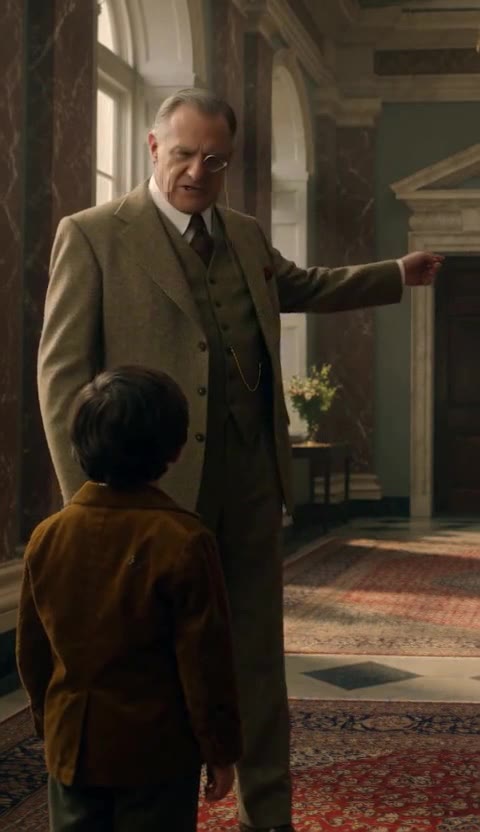 Part 1 of 310 min read
The Gala Heir: A Janitor's Son and the Billionaire's Twin
At a charity gala, a janitor's son is thrown out for touching a billionaire's twin. But when he lifts his sleeve, the birthmark on his wrist matches the heir's exactly. A secret that could shatter two families is about to surface.
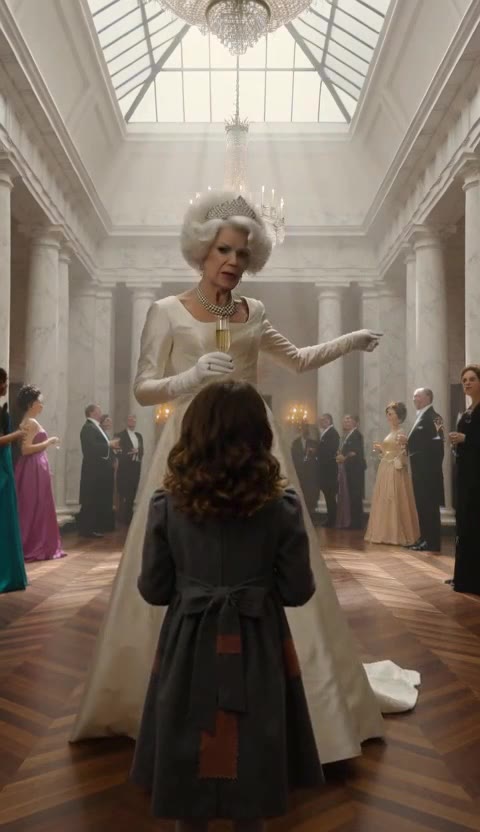 Part 1 of 39 min read
The Gala Heiress Saw the Birthmark on the Orphan's Wrist and Dropped Her Champagne
At a glittering gala, a haughty chairwoman humiliates a ragged orphan. But when the child lifts her wrist, a birthmark and broken medallion shatter the room—and a billionaire's world.
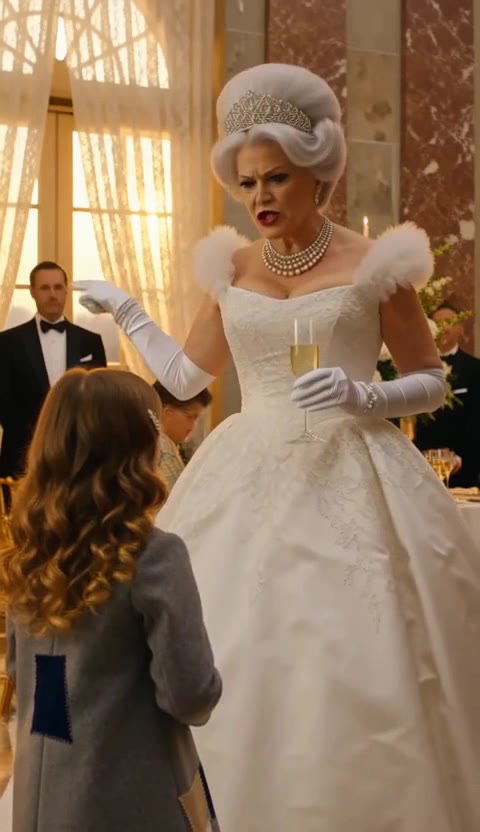 Part 1 of 39 min read
The Gala Chairwoman Blocked the Orphan Girl — Until Her Medallion Matched the Billionaire’s Twin
At a charity gala, a ragged orphan girl is mocked by a haughty chairwoman—until a half-medallion and a birthmark reveal she's the long-lost twin of a billionaire's daughter.
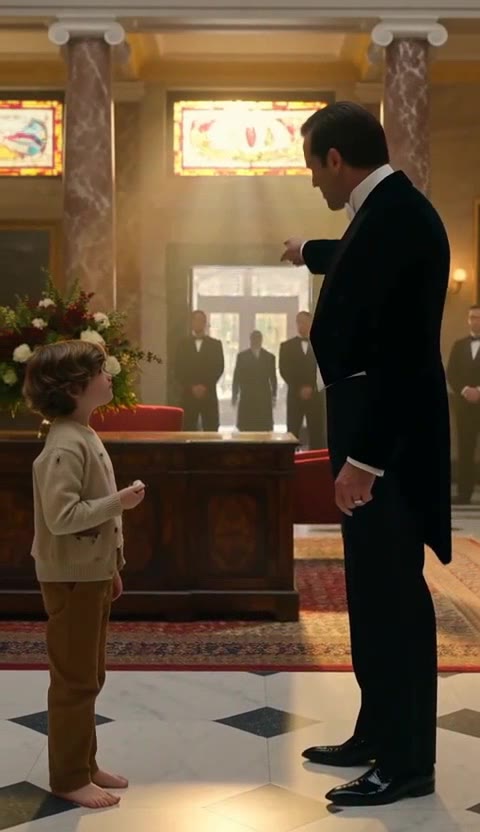 Part 1 of 38 min read
The Boy with the Half-Falcon Coin: A Gala Night That Changed Everything
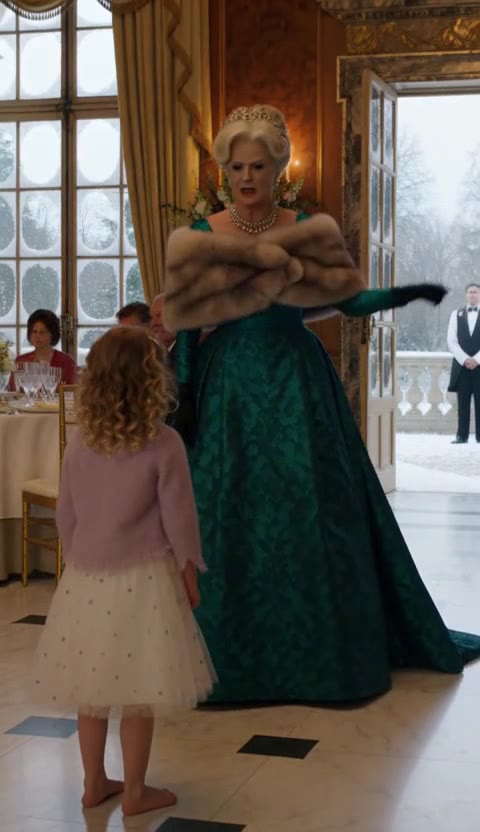
At a high-society gala, a barefoot orphan is thrown out for begging. But when he holds up a half-falcon coin, the billionaire patriarch freezes—his twin son wears the matching half. A secret is about to shatter the Cole family's perfect world.
 Part 1 of 310 min read
The Gala Heiress: A Birthmark Reveals the Twin She Never Knew
At a glittering gala, a baroness humiliates a barefoot girl. But when the child holds up a half-medallion, a billionaire couple drops to their knees—their long-lost twin is standing right there.