
She Tried to Steal My Grandma's Fortune—Until I Found the Receipt That Destroyed Her
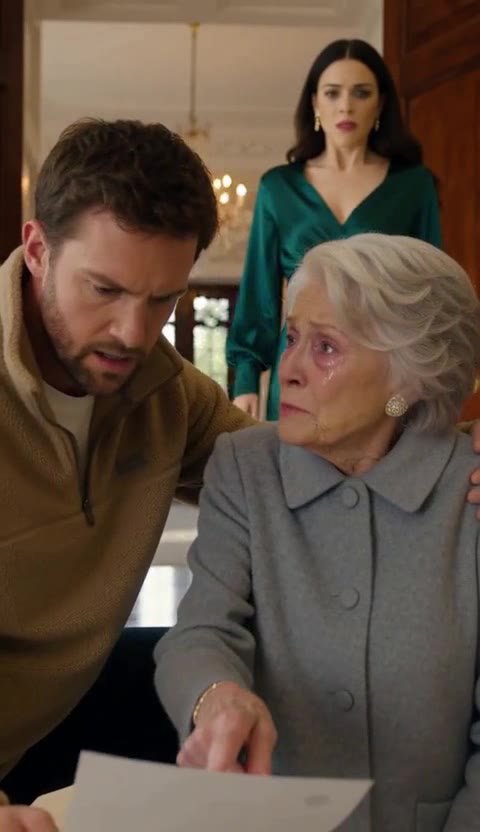
Previously: Sabrina thought she had the house to herself—until Mark walked in with the cake and caught her mid-threat. The receipt she tried to hide would end her game forever.
The Reckoning
I didn't go to the police station that night. I couldn't. I needed time to process what I'd learned, to let the truth settle into my bones like a cold rain. Instead, I drove to the station the next morning, the letters in a manila envelope on the passenger seat.
Sabrina was in a holding cell, her emerald dress rumpled, her hair loose and tangled. When they brought her to the interview room, she looked at me with a mix of defiance and despair.
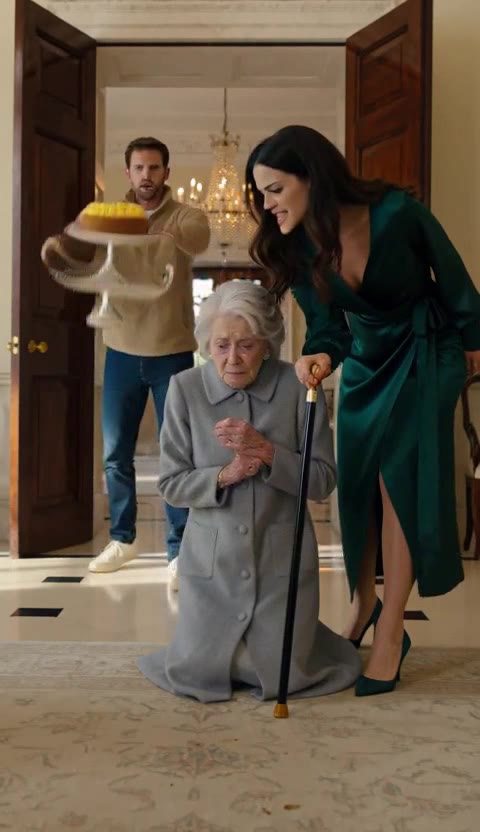
"Mark," she said, her voice hoarse. "You came."
"I had to show you something." I slid the envelope across the table. "Your mother's letters."
She stared at the envelope like it was a snake. "What is this?"
"The truth."
She opened it slowly, her fingers trembling. As she read the first letter, her face went pale. Then white. Then a deep, painful red. "This is a lie."
"It's not," I said quietly. "My father wrote those letters. He loved your mother. He never knew about you."
Sabrina's hands shook as she set the letters down. "So what? I'm supposed to feel sorry for you? That doesn't change anything, Mark. I still tried to steal your grandmother's money. I still threatened her."
"I know," I said. "And that's why I'm here. Not to forgive you. But to tell you that you have a brother."
She looked up at me, her eyes filling with tears. "What?"
"Me," I said. "I'm your brother. Half-brother, technically. But still family."
She sat back in her chair, as if the air had been knocked out of her. "You're lying. You're trying to manipulate me."
"Why would I do that?" I asked. "You're already going to prison. I have nothing to gain."
She stared at me, and for the first time, I saw something other than anger in her eyes. I saw confusion. And underneath that, a glimmer of something that might have been hope.
"I didn't know," she whispered. "I never knew about my father. My mother died when I was sixteen. She never told me."
"I know," I said. "Maybe she was trying to protect you."
"Or maybe she was ashamed." Sabrina laughed bitterly. "I spent my whole life thinking I was worthless. That my father didn't want me. And then I found out your family had money, and I thought... I thought I deserved a piece of it."
"You didn't deserve it," I said. "But you deserve the truth."
We sat in silence for a long moment. The clock on the wall ticked. The fluorescent lights hummed. And somewhere inside me, a door that I'd kept locked for years creaked open.
"What happens now?" she asked finally.
"That's up to you," I said. "I can talk to the prosecutor. Maybe we can work out a deal. If you return the money and cooperate, they might go easier on you."
"Why would you do that?" she asked, her voice breaking. "After everything I did?"
"Because you're my sister," I said. "And because Eleanor would want me to show mercy."
She looked at me for a long moment, then lowered her head. "I'm sorry, Mark. I'm so sorry."
I nodded. "I know."
It wasn't forgiveness. Not yet. But it was a start.
The Long Road Home
Three months later, I drove Sabrina to a rehab facility in the mountains. She'd agreed to enter a program for financial fraud and anger management, part of her plea deal. The judge had been lenient, citing her cooperation and the fact that she'd returned the eighty thousand dollars in full.
We stood in the gravel parking lot, the September sun warm on our faces. Sabrina wore a simple blue dress, no heels, no makeup. She looked smaller than I remembered. More fragile.
"Thank you," she said, not meeting my eyes. "For this. For everything."
"You're welcome," I said. "But you're the one doing the work."
She looked up at me, and I saw tears in her eyes. "Do you think... do you think Dad would have been proud of me?"
I thought about the letters, about the man who'd loved her mother but chosen duty over love. "I think he would have wanted you to find your way," I said carefully. "And I think he would have wanted you to be happy."
She nodded slowly. "I'll try."
"That's all any of us can do."
She hugged me then, a quick, awkward embrace that left us both feeling like strangers. But it was a start. And sometimes, that's all you need.
As I drove away, I called Eleanor. She answered on the second ring. "How is she?"
"She's trying," I said. "That's more than I expected."
"Good," Eleanor said. "And how are you, sweetheart?"
I thought about the past few months—the police reports, the court dates, the long conversations with lawyers. I thought about the woman I'd married, who was also my sister, and the strange, complicated love I still felt for her. "I'm okay," I said. "I think I'm finally okay."
"Good," she said. "Because I'm making your favorite dinner tonight. Lemon chicken."
I smiled despite myself. "I'll be there in two hours."
"I'll keep it warm."
I hung up and drove home, the mountains fading in my rearview mirror. The road ahead was long, but for the first time in months, it felt like it was leading somewhere good.
When I walked into the house, the smell of lemon and garlic filled the air. Eleanor was standing at the stove, her silver hair pinned up, a dish towel over her shoulder. She turned when she heard me, and her face lit up with a smile.
"Welcome home, Mark."
I set my keys on the counter and hugged her tight. "Thanks, Grandma."
"For what?"
"For never giving up on me."
She patted my cheek. "That's what family does, sweetheart. We stick together."
We sat down to dinner, the two of us, and the house felt full again. Not with secrets or lies, but with something simpler. Something that had been missing for a long time.
Peace.
And as I looked across the table at the woman who had raised me, I realized that sometimes the greatest gift you can give someone is the truth—even when it hurts. Because only the truth can set you free.
She Ripped My Dress at My Wedding — Then My Father Walked In and Locked Every Door
Eight months pregnant, I was humiliated by my stepmother at my own wedding. She tore my dress and called my ring cheap. Then my father, the hotel patriarch, shut down the entire ballroom—and everything changed.
📖 Read Full Story — Continue Here →More stories you'll love
 Part 1 of 310 min read
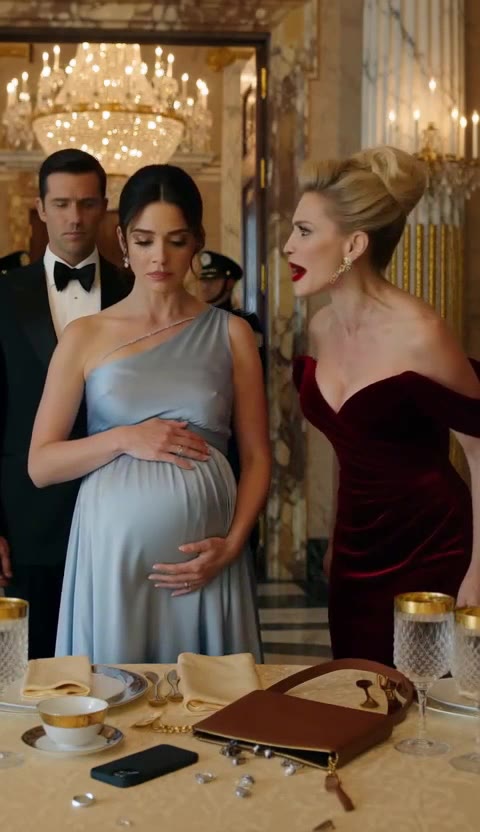
She Ripped My Dress at the Gala—Then My Father Walked In and Destroyed Her Life
At my brother's engagement gala, his fiancée ripped my dress and called me trash. She didn't know the ring in my purse carried my father's seal—or that he was about to end them both.
 Part 1 of 314 min read
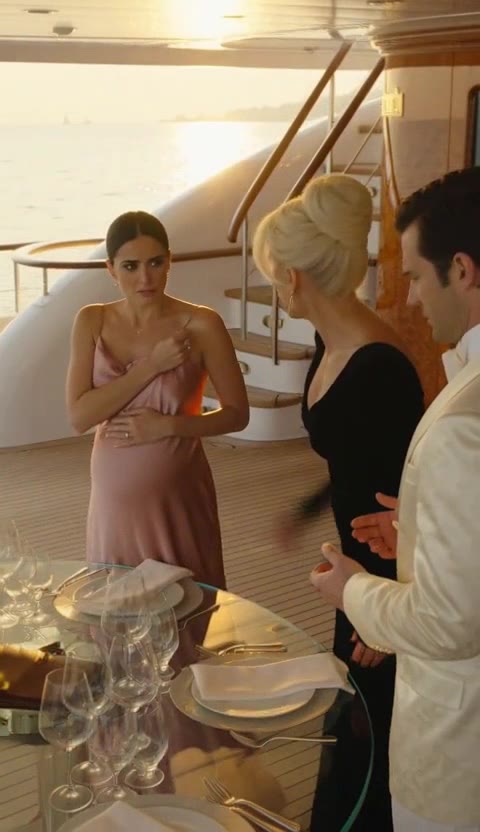
She Ripped the Pregnant Bride's Dress — Then the General's Ring Changed Everything
At her sister's wedding, pregnant Maya is humiliated by the bride, who rips her dress and calls her cheap. But when Maya makes a single call, steel shutters slam down — and her father, a Four-Star General, delivers a judgment that shatters them all.
 Part 1 of 314 min read
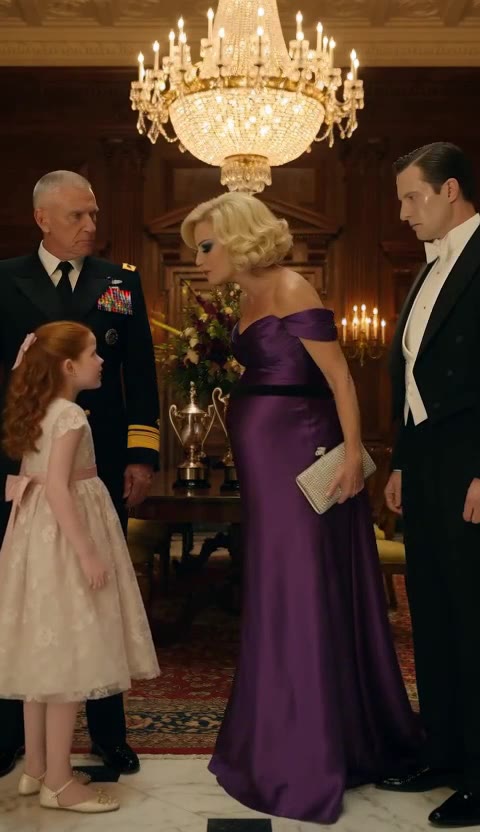
She Ripped My Dress at My Baby Shower—Then My Father Walked In and Destroyed Her
At my baby shower, my stepmother ripped my dress and screamed I stole her diamond ring. Then I made one phone call—and the steel shutters came down. She had no idea who I really was.
 Part 1 of 311 min read
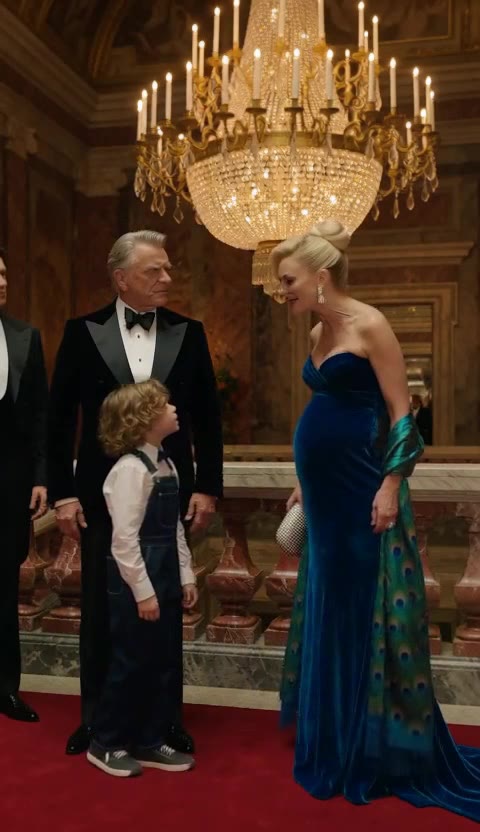
The Gala Heir Hoax: How a Child's Whisper Destroyed a Socialite's Empire
At a glittering polo gala, a scheming socialite humiliates an 8-year-old flower girl, unaware the child has spotted the Velcro strap of her fake pregnancy belly. The patriarch's discovery sparks a reckoning that will strip her of everything.
 Part 1 of 311 min read
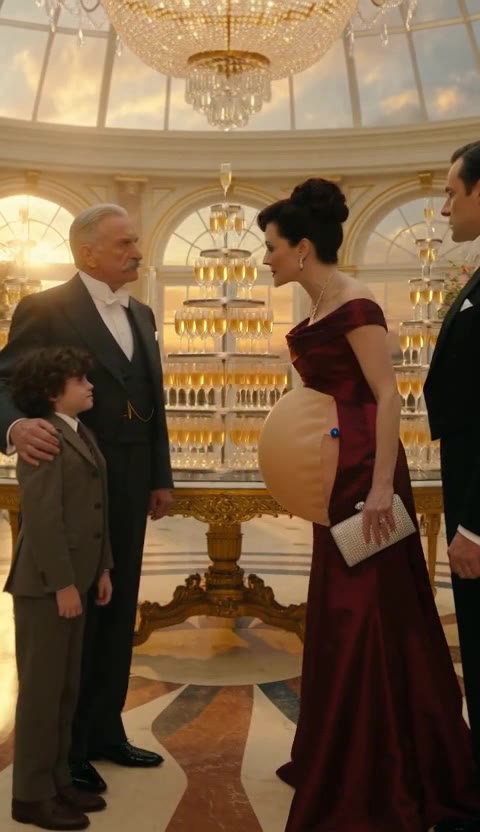
The Gala Heir Reveal: A Child's Whisper Exposed the Mistress's Foam Belly
At a glittering gala, a mistress's cruel words to a five-year-old backfire when the child spots a fake pregnancy belly. The patriarch's fury unravels an empire, but the truth is far darker.
 Part 1 of 310 min read
The Gala Heir Hoax: A Child's Whisper Destroyed the Fake Pregnancy
At a glamorous gala, a greedy stepmother humiliates her orphaned grandson. But his innocent whisper about her 'hissing tummy' exposed a shocking silicone lie that stripped her of everything.