
The Day My Stepbrother Thought I Was Blind, He Never Saw the Camera in My Brooch Coming
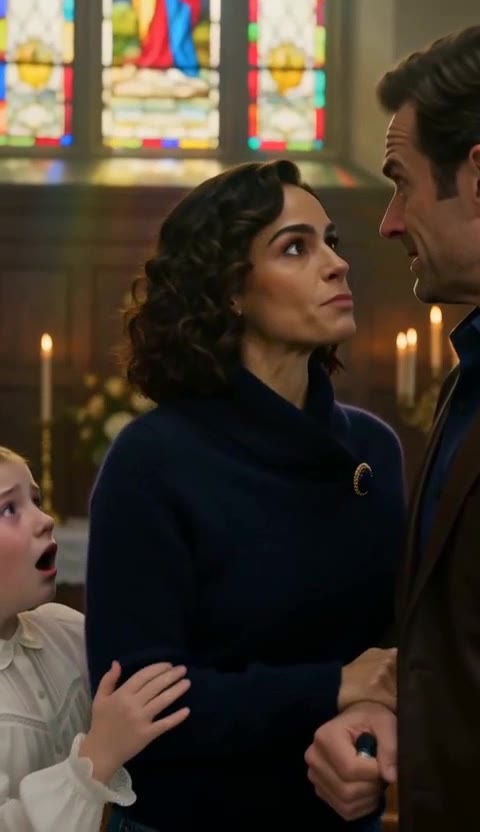
Previously: Sophia faked blindness to catch her greedy stepbrother red-handed. He stole the deed, threatened her sister, and never noticed the tiny camera on her sweater—until the police arrived.
The Trap That Finally Snapped Shut
Three weeks after the trial, I received a letter. It was from Bryce, sent from his cell. The handwriting was shaky, the ink smudged with what might have been tears.
Sophia, you win. I'm done. But you should know—the real deed was never in that chest. Father hid it. He hid it in a place you'll never find. And without it, the estate is still in limbo. Hope you enjoy the legal battle.
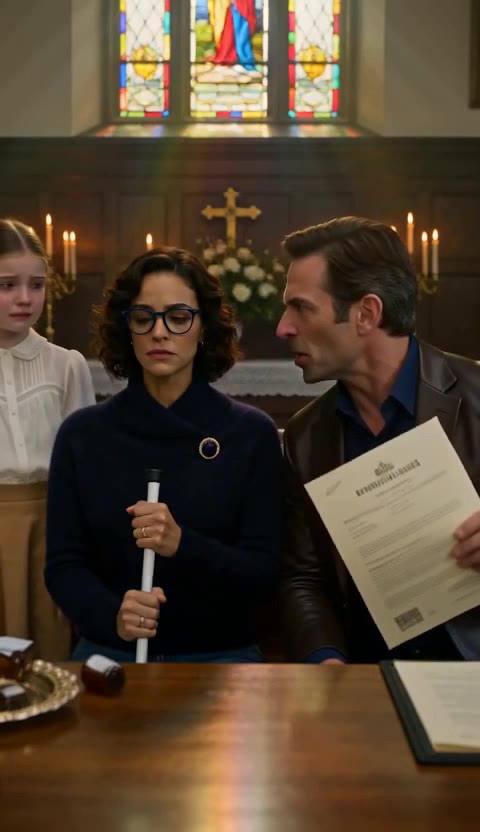
I read the letter twice, my heart sinking. He was right. The deed I had taken from the chest was a copy. The original had been hidden by my father years ago, and I had never found it.
I spent the next month tearing the estate apart. I searched the library, the chapel, the attic, even the wine cellar. Nothing. Grace followed me everywhere, her small hands helping me lift rugs and pry open panels.
"Maybe he's lying," she said one afternoon, exhausted and discouraged.
"Maybe," I said. "But I can't risk it."
Then, one night, I was sitting in my father's study, staring at his old desk. I remembered how he used to sit there, smoking a pipe and telling me stories about the family's history. He had always been a secretive man, fond of hiding things in plain sight.
I ran my hand along the underside of the desk, feeling for a latch. Nothing. I checked the drawers, the bookshelves, even the old globe that sat in the corner. Nothing.
And then I noticed the painting above the fireplace. It was a portrait of my great-grandmother, a woman with sharp eyes and a knowing smile. My father had always said she was the cleverest woman he ever knew.
I walked over to the painting and lifted it off the wall. Behind it, set into the plaster, was a small safe. My heart skipped a beat.
I tried the combination—my mother's birthday. No. My birthday. No. And then I tried the date of my father's wedding. The lock clicked open.
Inside was a yellowed envelope, sealed with wax. I tore it open with trembling hands, and there it was: the original deed, signed by my father, dated the day he died.
I sank to my knees, clutching it to my chest. Grace ran in, her face pale. "Sophia? What is it?"
"It's the deed," I said, my voice breaking. "The real one. It was here all along."
Grace hugged me, and we both cried. The estate was finally, truly ours.
But the twist wasn't over. When I took the deed to the lawyer to finalize everything, he looked at it and frowned. "Sophia," he said, "this deed is dated the day before your father's death. But it's not signed by him."
I felt the blood drain from my face. "What?"
"Look," he said, pointing to the signature. "This is your father's name, but the handwriting is different. The loop on the 'S' is wrong. This was forged."
I stared at the paper, my mind racing. Who would forge my father's signature? And why?
And then I remembered the night my father died. Bryce had been there. He had been alone with him for an hour, supposedly saying goodbye. But what if he had done more than that?
I called the police. They reopened the investigation. And what they found sent chills down my spine.
Bryce had not only forged the deed—he had tampered with my father's medication, hoping to speed up his death and claim the inheritance before my father could change the will.
The evidence was circumstantial, but when the prosecution presented it, the judge added new charges to Bryce's sentence. He would never see the outside world again.
I visited him in prison one last time. He sat behind the glass, his face gaunt, his eyes hollow. "How did you find out?" he asked.
"You made a mistake," I said. "You signed the deed yourself, thinking no one would notice. But my father had a unique way of writing his 'S'. I'm the only one who knew it."
Bryce let out a bitter laugh. "You always were too clever for your own good."
"No," I said, standing up. "I was clever enough to protect my family."
As I walked out of the prison, the sun was setting, painting the sky in shades of gold and pink. Grace was waiting for me in the car, her face bright with hope.
"Is it over?" she asked.
"It's over," I said. "We're free."
We drove home to the estate, the old house glowing in the twilight. It had been a long battle, but we had won. And as I watched Grace run up the front steps, laughing, I knew that my father's legacy was finally safe.
Some secrets are meant to be buried. But the truth, when it finally comes to light, can set you free.
I never wore the dark glasses again.
She Faked a Stroke to Catch Her Greedy Cousin—Then He Raised a Hand to Her Grandson
Diana pretended to be paralyzed to expose Trevor's greed, but when he threatened her grandson, she rose from her chair with a secret that shattered him.
📖 Read Full Story — Continue Here →More stories you'll love
 Part 1 of 38 min read
The Day My Husband's 'Paralysis' Ended in Front of His Greedy Wife
Richard's wheelchair was a lie—but so was his marriage. When his wife tried to steal from Clara, he rose to reveal everything. A courtroom twist no one saw coming.
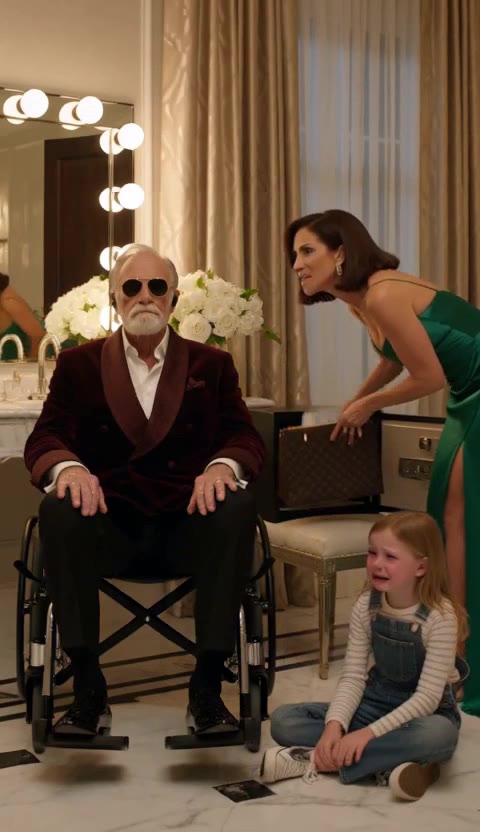 Part 1 of 39 min read
He Pretended Blind for Years—Then Caught His Sister-in-Law Red-Handed
Victor pretended to be blind to expose Tiffany's greed. When she stole from him in front of Sophie, he rose from his wheelchair—and shattered her world with one sentence.
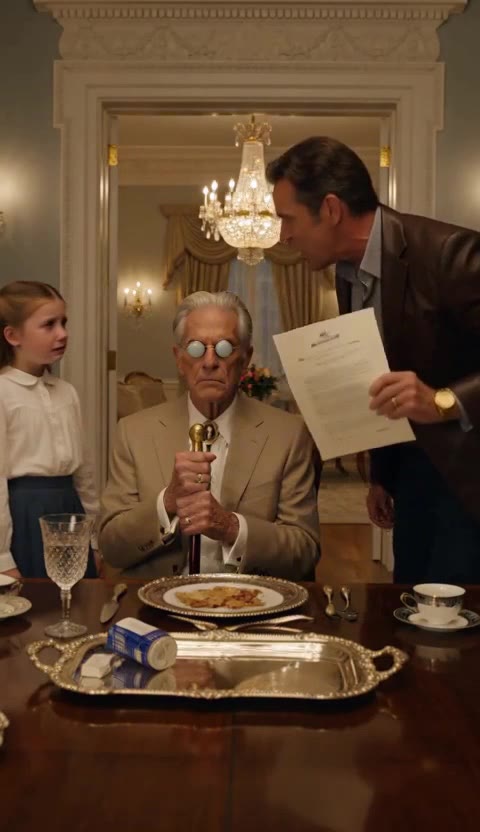 Part 1 of 312 min read
The Blind Oil Baron Caught His Greedy Stepbrother Red-Handed
Harlan Beaumont faked blindness to expose his stepbrother's greed, but when Bryce steals the deed, a hidden camera and a little girl's courage reveal the truth.
 Part 1 of 37 min read
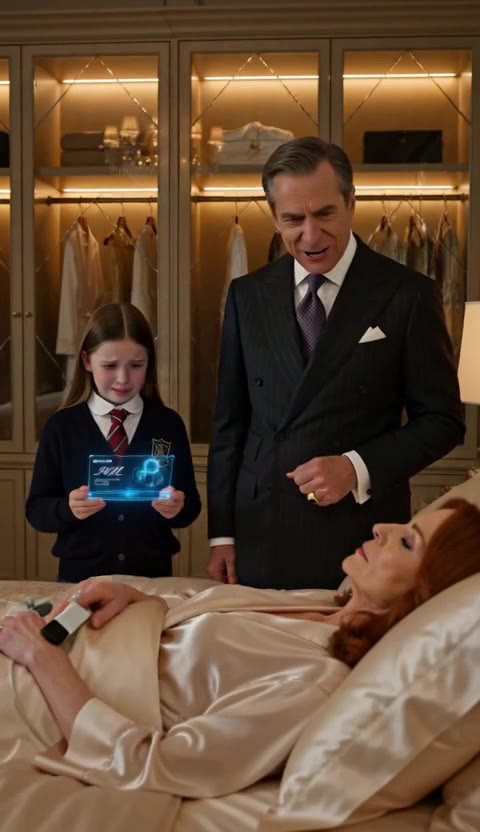
She Pretended to Be in a Coma to Catch Her Lawyer Stealing the Family Fortune
Claire was supposed to be unconscious, but she heard every word. When her crooked lawyer tried to tear up the will, she opened her eyes—and exposed a betrayal no one saw coming.
 Part 1 of 38 min read
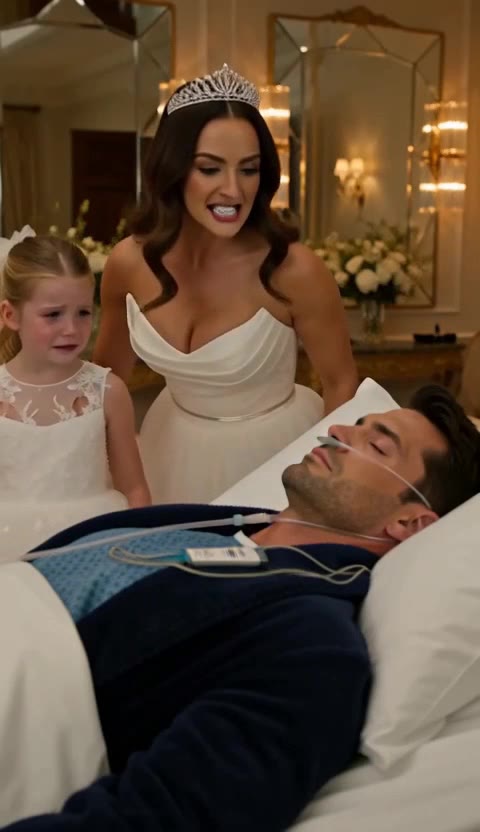
The Coma Was a Trap: He Caught His Fiancée Stealing From His Own Daughter
Thinking Julian was helpless, Chloe-Mae shoved Ruby aside and grabbed the diamond tiara. But when Julian snapped his eyes open and caught her wrist, the real trap—and the truth about his will—began to unfold.
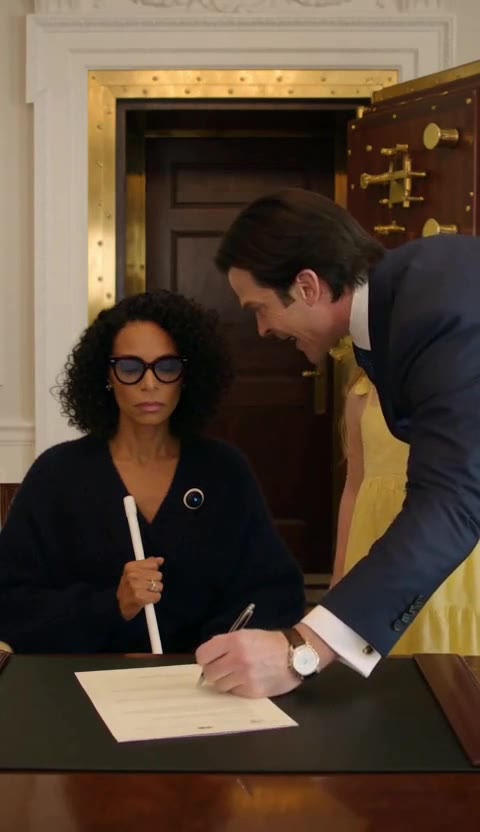 Part 1 of 310 min read
The Day I Faked Blindness to Catch My Nephew Stealing the Family Fortune
Sophia Kensington pretended to be blind to expose her scheming nephew Damon. But when he threatened her adopted brother, she revealed the shocking truth—and a hidden camera that changed everything.