
The DNA Report That Crumbled My Step-Aunt's Lies and Saved My Daughter
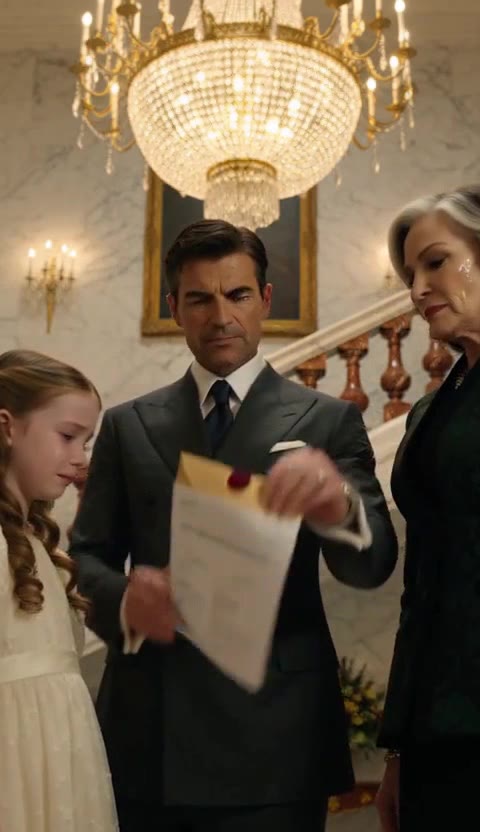
Previously: My step-aunt forged a will to disinherit my daughter, but a tiny sealed envelope and a wooden chess king exposed her betrayal. A story of greed, DNA, and justice.
The Trial That Bared Every Sin
The courtroom was packed. Reporters filled the back rows, their cameras clicking like a swarm of insects. Beatrice sat at the defense table, her silver hair perfectly coiffed, her dark green jacket immaculate. She looked like a queen surveying her court.
I sat across from her, my hand resting on the arm of my chair. Ella was in the front row with my mother, her small hands clasped in her lap. She smiled at me, and I felt a surge of strength.
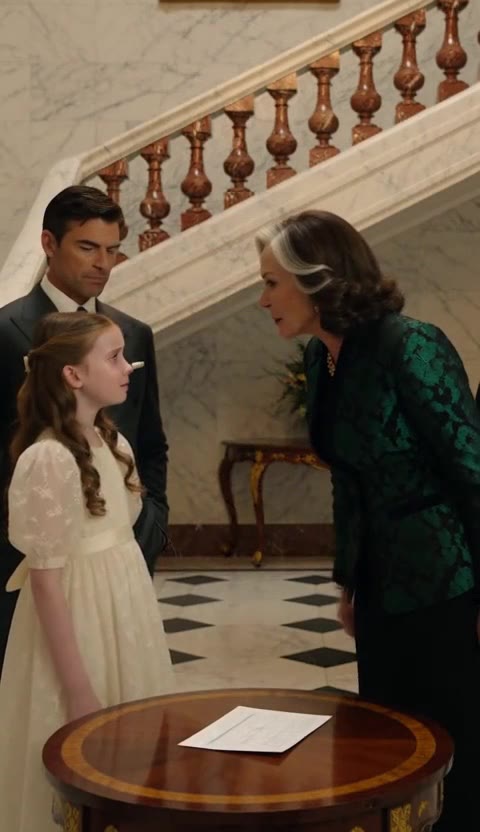
The judge, a stern woman with glasses, called the court to order. My lawyer stood and addressed the jury. "Ladies and gentlemen, this case is about one thing: a woman who tried to steal a family's legacy. A woman who forged documents, lied under oath, and, we believe, murdered the man who trusted her most."
Beatrice's lawyer objected, but the judge overruled. I watched Beatrice's face. For the first time, I saw a flicker of doubt.
My lawyer called witness after witness. The forensic analyst who confirmed the ink on the codicil was fresh. The handwriting expert who testified that the signature was a forgery. And then, the exhumation.
The courtroom went silent as the forensic pathologist took the stand. "Tissue samples showed elevated levels of thallium," she said. "Consistent with chronic poisoning over a period of six months."
A collective gasp rippled through the room. Beatrice's face went white. She gripped her lawyer's arm, but he shook her off.
"The cause of death," the pathologist continued, "was heart failure induced by thallium toxicity. In layman's terms, Mr. Sinclair was slowly poisoned to death."
I felt my mother's hand on my shoulder. She was weeping. Ella looked up at her, confused, and my mother pulled her close.
"Your Honor," my lawyer said, "we have evidence that the defendant purchased thallium-based rat poison from a chemical supply company under the name 'Rosewood Holdings.' We also have bank records showing she used her personal account to fund this purchase."
Beatrice shot to her feet. "This is a lie! I never—"
"Sit down!" the judge barked.
Beatrice sank back into her chair, her hands shaking. She looked at me, and for the first time, I saw fear in her eyes. Real fear.
My lawyer continued. "And we have the victim's own journal, in which he details the threats, the blackmail, and his suspicion that the defendant was slowly killing him."
The judge read a passage aloud. "'Beatrice is patient. She will wait until I am too weak to fight. But she does not know that I have prepared my own defense. My son will know the truth.'"
The jury was silent. The reporters were scribbling furiously. I looked at Beatrice, and I felt nothing but contempt.
"The defense rests," my lawyer said.
Beatrice's lawyer stood, but he looked defeated. He called his final witness: Rose Callahan, the old nurse. She shuffled to the stand, her eyes darting around the room.
"Ms. Callahan," Beatrice's lawyer began, "is it true that you witnessed Mr. Sinclair sign his final will?"
Rose hesitated. "I—I don't remember."
"You don't remember?" The lawyer pressed. "You signed as a witness."
Rose looked at Beatrice, then at me. She licked her lips. "I was paid to say that."
The room erupted. The judge banged her gavel. "Order! Order!"
Beatrice screamed, "You lying old—"
Rose turned to the jury. "She paid me $50,000 to lie. She said if I didn't, she'd hurt my grandchildren. I'm sorry. I'm so sorry."
Beatrice collapsed in her chair. Her lawyer dropped his head in his hands. The jury didn't even need to deliberate.
They returned in under an hour. "Guilty on all counts," the foreman said.
Beatrice was led away in handcuffs, her perfect facade shattered. I watched her go, and I felt a weight lift off my shoulders. My father could finally rest.
I turned to Ella and my mother, and I opened my arms. They ran to me, and we held each other, the three of us, a family rebuilt.
The Inheritance of a True Family
The reading of my father's will was a quiet affair, held in the same marble foyer where it all began. The chandelier sparkled, and the mahogany table gleamed. But this time, there was no tension in the air. Only peace.
The lawyer unfolded the document and read: "To my son, Xavier, I leave the entirety of my estate, including the Sinclair family trust, the manor, and all holdings. To my granddaughter, Ella, I leave my collection of antique chess sets, with the instruction that she always remember the king."
Ella looked up at me. "The chess king?"
I smiled. "Your grandfather was a clever man."
"And to my beloved daughter-in-law, Margaret," the lawyer continued, "I leave the cottage on the lake, and my deepest apologies for the years we lost."
My mother gasped. "He left me the cottage?"
"He always loved you," I said softly. "He never stopped."
We stood in the foyer, the sunlight streaming through the tall windows. Ella held my hand, and my mother held the other. We were whole.
Later, as the sun set, I took Ella into my father's study. The chess set was still there, the pieces frozen in time. She picked up the black king, the one with the crack, and turned it over in her small hands.
"What do we do with it now?" she asked.
"We keep it," I said. "As a reminder that even in the darkest game, there's always a way to win."
She nodded, and she placed the king back on the board. "Checkmate," she said softly.
I laughed. "What?"
"Grandpa taught me," she said. "He said the king is the most important piece. But he's also the weakest. He needs protection."
"And who protects the king?" I asked.
"The people who love him," she said, looking up at me. "That's us."
I knelt down and hugged her, my eyes burning. "That's right, sweetheart. That's right."
My mother appeared in the doorway. "Dinner's ready," she said. "I made your father's favorite—pot roast."
Ella's eyes lit up. "Grandma, you cook?"
"I do," my mother said, smiling. "And I'm going to teach you all my secret recipes."
Ella ran to her, and I followed, my heart full. The manor no longer felt like a fortress. It felt like a home. A home built on truth, and love, and the unbreakable bond of a family that had survived the worst.
As I sat down at the table, surrounded by the two women I loved most, I thought about my father. He'd set this in motion years ago, planting the seeds of justice. And now, finally, the harvest was sweet.
"To Grandfather," Ella said, raising her glass of apple juice.
"To Grandfather," my mother and I echoed.
And we drank, the three of us, in the golden light of the manor, ready for the future we'd earned.
The Hidden Will in the Chess King: My Sister-in-Law's Scheme Crumbled
When Rachel slammed down that forged DNA test, she thought she'd won. But she never knew what was sealed inside the hollow chess king—a truth that would shatter her world.
📖 Read Full Story — Continue Here →More stories you'll love
 Part 1 of 312 min read
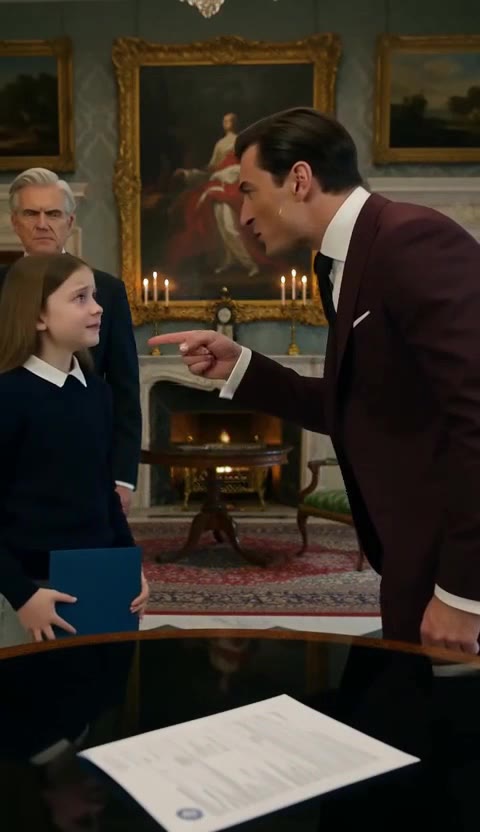
The DNA Report That Silenced the Woman Who Tried to Steal My Daughter
A mistress forges papers to disinherit a six-year-old, but the child's secret proof flips the courtroom. As the truth unfolds, the betrayer's world crumbles in one stunning moment.
 Part 1 of 312 min read
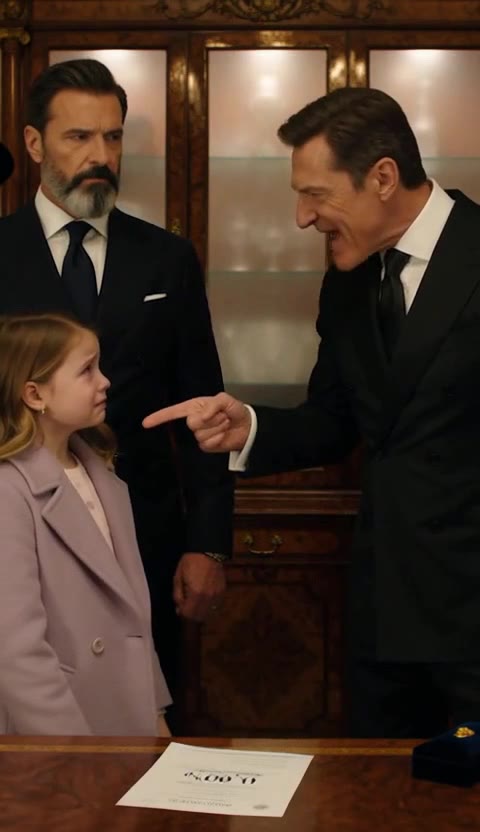
The DNA Report That Shattered My Uncle's Lies — And Saved My Daughter
My uncle slammed down a forged DNA test to steal my inheritance. But my 9-year-old daughter had proof that would destroy him — and I was about to read it aloud.
 Part 1 of 311 min read
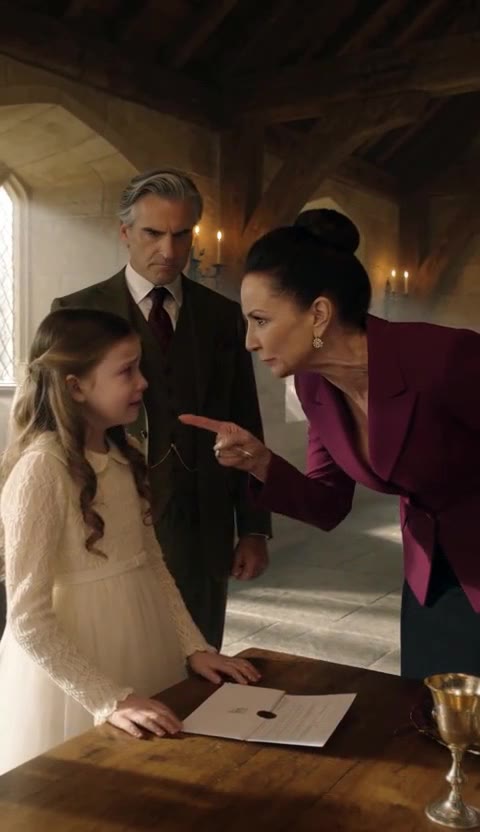
The Lawyer Slammed the DNA Report — Then My Granddaughter Opened the Music Box
When a corrupt lawyer tried to disinherit my granddaughter, she opened a hidden music box compartment. The gold wax seal inside shattered everything — including his lies.
 Part 1 of 310 min read
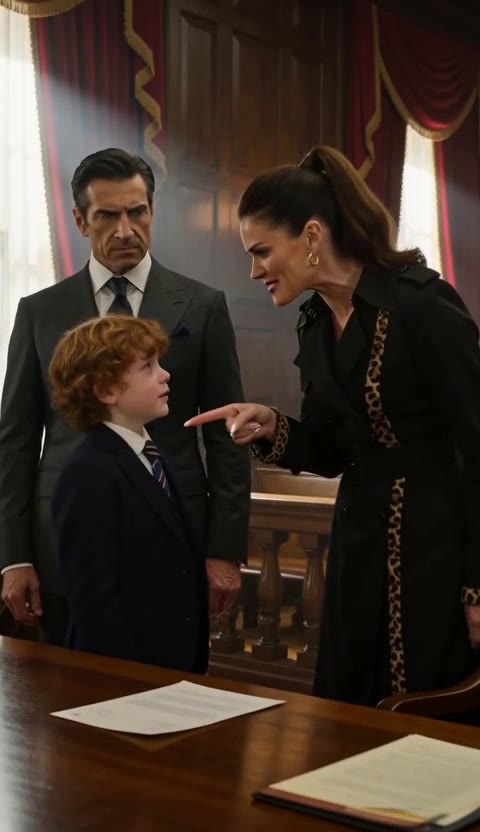
Aunt Slammed a Fake Will, But the DNA Report in My Daughter's Hands Silenced Her Forever
At the will reading, Aunt Lydia forged a disinheritance document. But little Ella held a sealed envelope that changed everything — and revealed a betrayal no one saw coming.
 Part 1 of 312 min read
The Boy's Music Box Held Proof That Made the Judge Freeze — Felicity's Face Went White
A six-year-old boy holds his late mother's music box as his greedy cousin tries to steal his inheritance. But the music box hides a secret that will change everything in a stunning courtroom showdown.
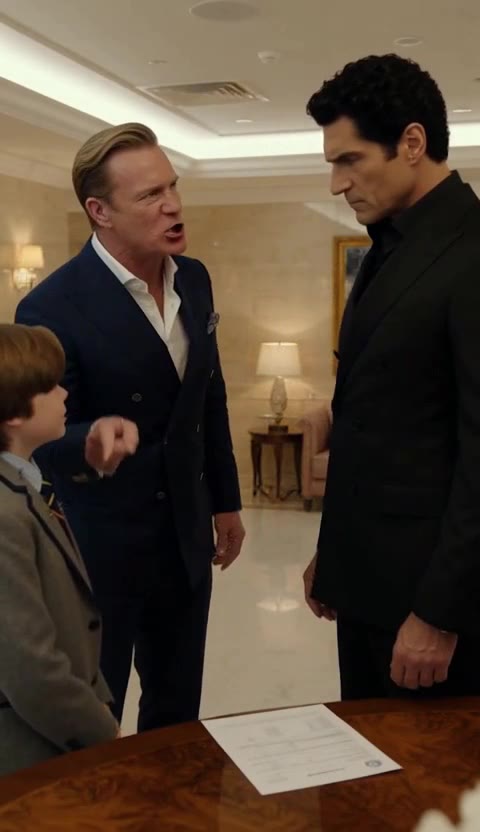 Part 1 of 310 min read
The DNA Report That Destroyed My Greedy Brother-in-Law's Fortune
My brother-in-law Trevor tried to disinherit my son with a forged DNA test. But Noah had a secret that would expose everything — and shatter Trevor's lies forever.