
The Gala Heiress: A Tiny Locket Shattered a Society Matron's Cruelty
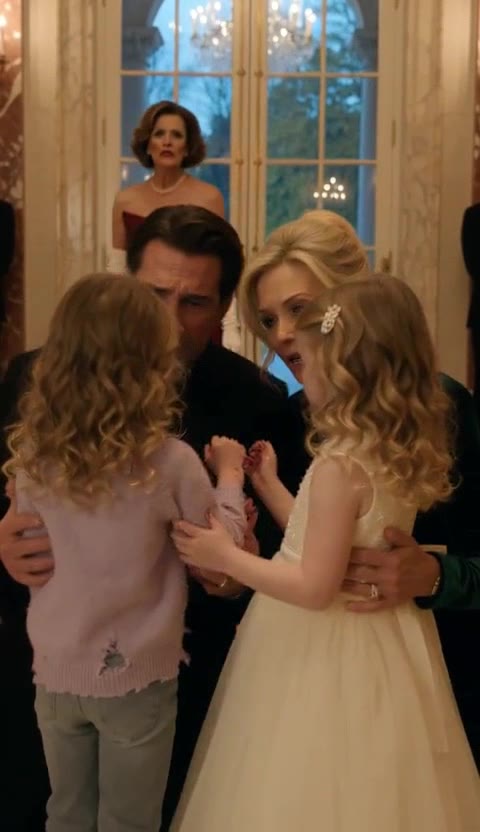
Previously: A barefoot orphan at a glamorous gala is turned away by a cruel matron—until a shimmering half-locket reveals a shocking connection to the richest couple in the room.
The Final Reckoning
It took three weeks, but Detective Reyes and her team finally cracked the case. Constance Pryce had been running a quiet, lucrative side business: matching desperate couples with stolen babies. Her clients were wealthy, discreet, and willing to pay six figures for a child they'd never have to explain.
Ella's adoptive parents were a couple from Connecticut, Roger and Eleanor Vance—no relation to us, just a coincidence of name. They'd paid Constance $250,000 for a baby girl, believing the child was an orphan from a closed adoption.
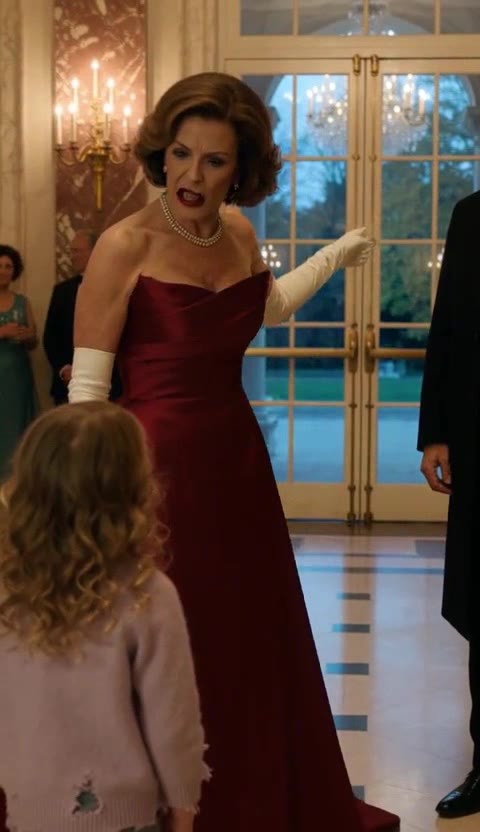
When the police arrived at their mansion, they were shocked. They'd raised Ella with love, dressing her in fine clothes and sending her to private school. But when they learned the truth—that she'd been stolen from a living family—they broke down.
"We didn't know," Eleanor sobbed, clutching a photo of Ella. "We thought she was abandoned."
Reyes informed them of their rights, but they cooperated fully, handing over all correspondence with Constance. The evidence was damning: bank transfers, emails, even a recording of Constance instructing them on how to keep Ella away from 'certain people.'
But the twist came when Reyes found a second file in Constance's safe—a list of other babies she'd sold. There were at least a dozen, spanning twenty years. Some of those children were now adults, unaware of their true origins.
"This is bigger than we thought," Reyes said, her voice grim. "We're going to need a task force."
Meanwhile, Penelope had flipped, turning state's witness in exchange for a reduced sentence. She testified that Constance had orchestrated the entire scheme, using Penelope's inside knowledge of our family to target us specifically.
"She knew you'd never suspect your own sister," Penelope said, crying in the courtroom. "She told me it was the perfect crime."
Constance's trial was a media circus. The society matron who'd once hosted charity balls for orphans was now revealed as the woman who sold them. Her lawyer tried to paint her as a victim of circumstance, but the evidence was overwhelming.
In the end, she was convicted on thirteen counts of kidnapping, fraud, and trafficking minors. The judge sentenced her to forty years in federal prison.
As she was led away, she looked at me one last time. There was no remorse in her eyes—only fury.
"You'll never know the whole truth," she spat. "There are families out there who will never find their children."
I didn't flinch. "But my daughter did."
Penelope got five years for her role, but I didn't attend her sentencing. I couldn't bear to look at her.
What mattered was Ella. She'd spent the past three weeks with us, slowly opening up. She'd been kept in a small room by her adoptive parents, told she was 'different' and 'needed to be quiet.' Her barefoot at the gala was because she'd run away from their house, hoping to find the lady who'd left her at the door.
"I saw her at the gala," Ella told me one night, her voice small. "The lady who left me. She was there."
"Who?" I asked, my heart racing.
"The one in the red dress," she said. "Constance. She saw me and looked scared. That's why she told me to leave."
I hugged her tight. "She can't hurt you anymore."
But there was one more thing I needed to do.
Together at Last
I took the twins to the cemetery where Emma's empty grave had sat for six years. We'd had the headstone removed, replaced with a small bench and a garden of white roses.
"This is where we used to come to remember you," I told Ella, kneeling down. "We thought you were gone forever."
Ella looked at the bench, then at Emma, who was holding her hand. "But I'm here now."
"Yes," I said, tears streaming. "You're here."
Marcus joined us, his arms around all of us. "We're a family again."
That night, we had dinner at home—just the four of us. Emma showed Ella her room, and they stayed up late, whispering secrets only twins could share.
As I watched them, I realized that the locket wasn't just a piece of jewelry. It was a promise. A promise that had been broken, but now was mended.
The next morning, I took the twins to get matching bracelets—simple silver bands with a tiny falcon engraved inside. "So you'll always know," I said, "that you're part of something bigger than yourself."
Ella hugged me, and I felt her small body relax against mine. For the first time since that night at the gala, she wasn't trembling.
"Thank you," she whispered. "For finding me."
"Thank you," I said, "for coming back to me."
In the months that followed, we started over. We enrolled Ella in the same school as Emma, and they were inseparable, finishing each other's sentences and sharing a language only they understood.
Constance's network was dismantled, and several other stolen children were reunited with their families. It was a small comfort, but a real one.
As for Penelope, I visited her once, in prison. She wouldn't look at me, but she said one thing: "I'm sorry."
I didn't forgive her. But I let go of the anger.
"I have my daughter back," I said. "That's all that matters."
And as I walked away, I felt the weight of six years lift from my shoulders.
That evening, I sat on the floor of the playroom, watching the twins build a castle from blocks. Emma placed a tiny flag on top, and Ella cheered.
"Mom," Emma said, turning to me, "do you think we'll ever lose each other again?"
"No," I said, pulling them both into my lap. "Never. I will always find you."
They hugged me, and I closed my eyes, breathing in the scent of their hair—the same scent, the same curls, the same heart.
We were whole again.
And in that moment, I made a silent vow: I would spend the rest of my life making sure they knew they were loved, wanted, and cherished.
Because some treasures are worth more than gold. And mine were right here, in my arms.
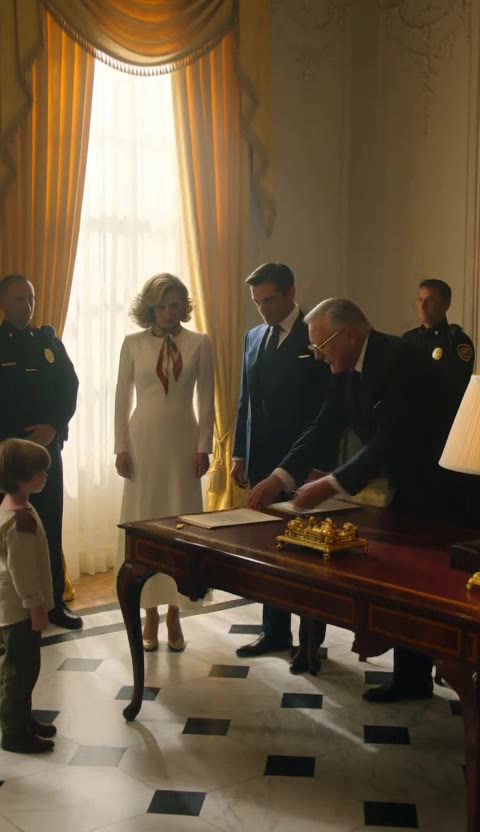
The Barefoot Boy Turned the Golden Key — and the Billionaire’s World Shattered
A fraudulent doctor presents a fake heir to a billionaire couple, but a barefoot boy in the shadows knows the secret locket’s trick — and the truth is more devastating than anyone imagined.
📖 Read Full Story — Continue Here →More stories you'll love
 Part 1 of 311 min read
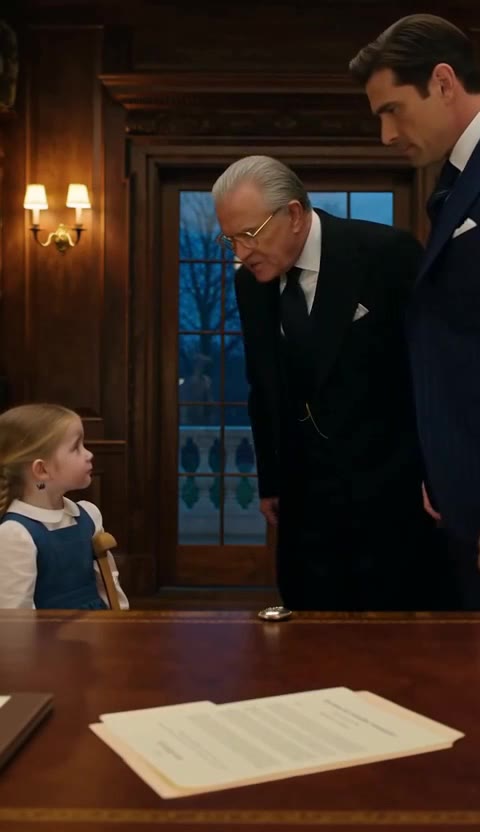
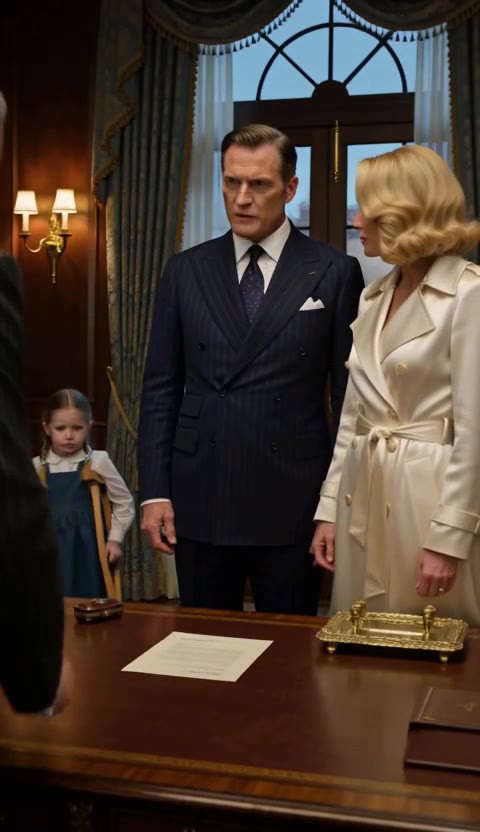
The Imposter Child at the Mahogany Desk — A True Heir's Silent Claim
A fraudulent matron brings a fake heir to the Sterlings' office, but a quiet orphan with a hidden birthmark shatters the scheme in one whispered sentence.
 Part 1 of 39 min read
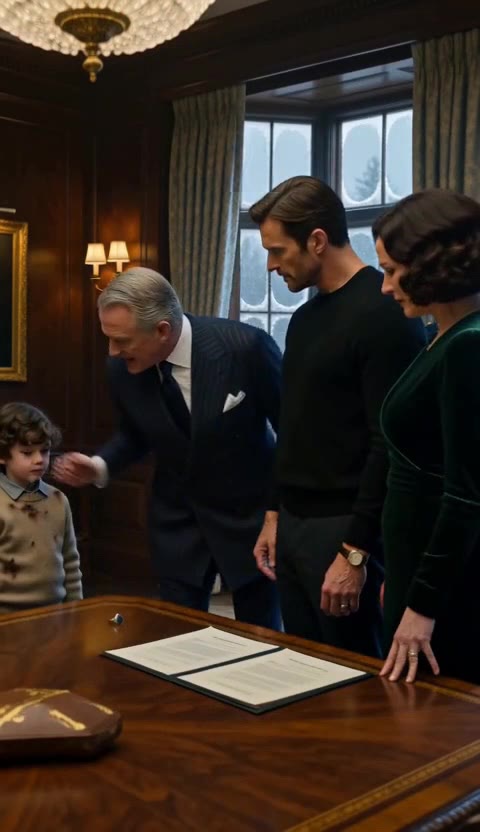
The Orphan’s Tiny Finger Pointed at the Heirloom — Then the Billionaire Dropped His Pen
Sophie, a crippled orphan, was shoved aside as a fake child claimed the Sterling fortune. But when she whispered about a golden key and a secret locket, Arthur dropped his pen—and the truth shattered everything.
 Part 1 of 38 min read
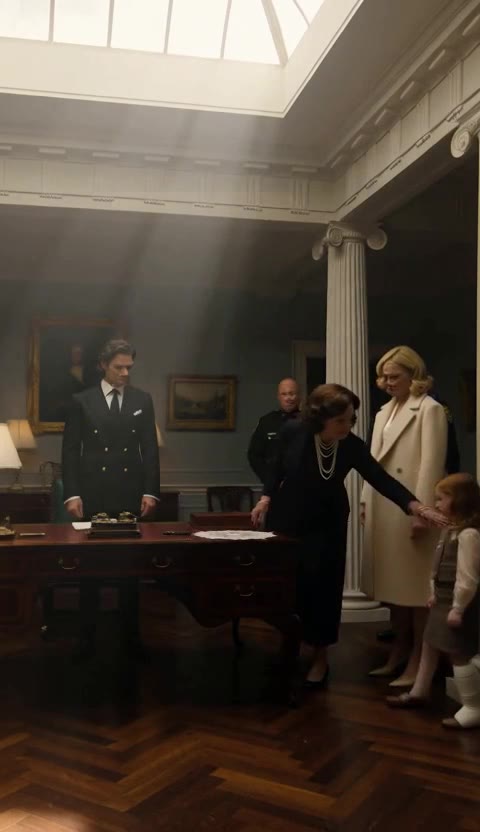
The Forgotten Heir: A Boy's Secret Locket Unveils a Billionaire's True Son
In a boardroom showdown, a quiet boy's trembling words and a hidden locket shatter a corrupt adoption scheme, revealing a truth that changes everything for a billionaire couple and their long-lost son.
 Part 1 of 316 min read
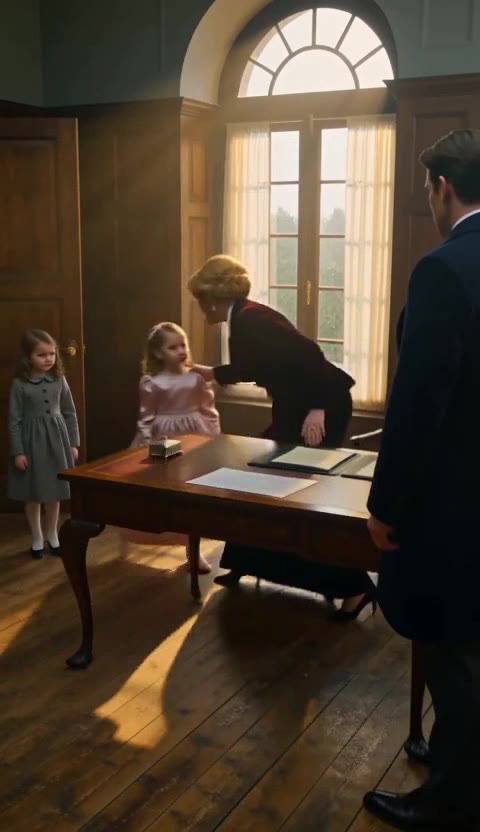
The Heirloom Locket That Exposed the Trustee's Deadly Lie at the Billionaire's Desk
A greedy trustee shoves a fake heir forward, but a barefoot girl's whispered words and a hidden locket shatter the scheme — revealing a stolen child and a shocking truth.
 Part 1 of 313 min read
The Hidden Ruby Latch That Exposed the Matron's Darkest Lie
A quiet girl with a steel leg brace and a silver locket steps out of the shadows to reveal the truth—and shatter a corrupt adoption scheme in one unforgettable moment.
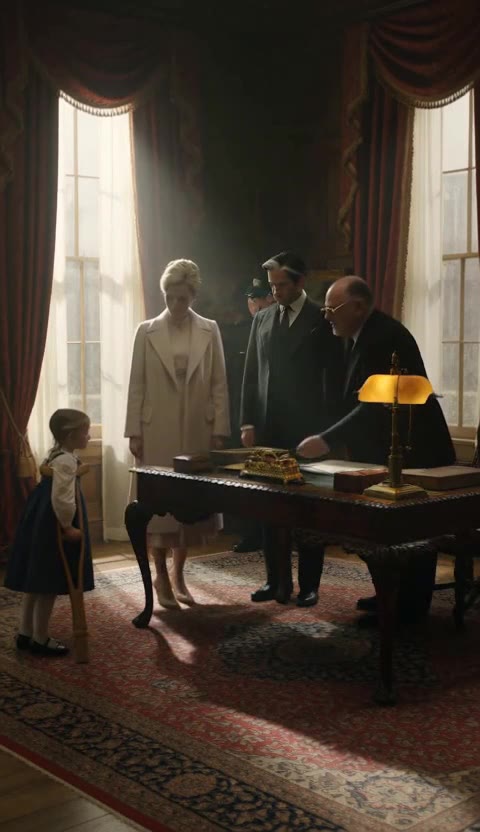 Part 1 of 39 min read
The Crippled Orphan’s Locket Revealed a Secret That Made the Billionaire Drop His Pen
A corrupt administrator presents a fake heir to billionaire Julian Rosewood. But a tiny orphan with a crutch and a stolen locket steps forward, unraveling a conspiracy that shakes the family to its core.