
The Maid Was About to Be Convicted—Then an 8-Year-Old Shouted, 'She Saved Me!'
The Day the World Turned Against Me
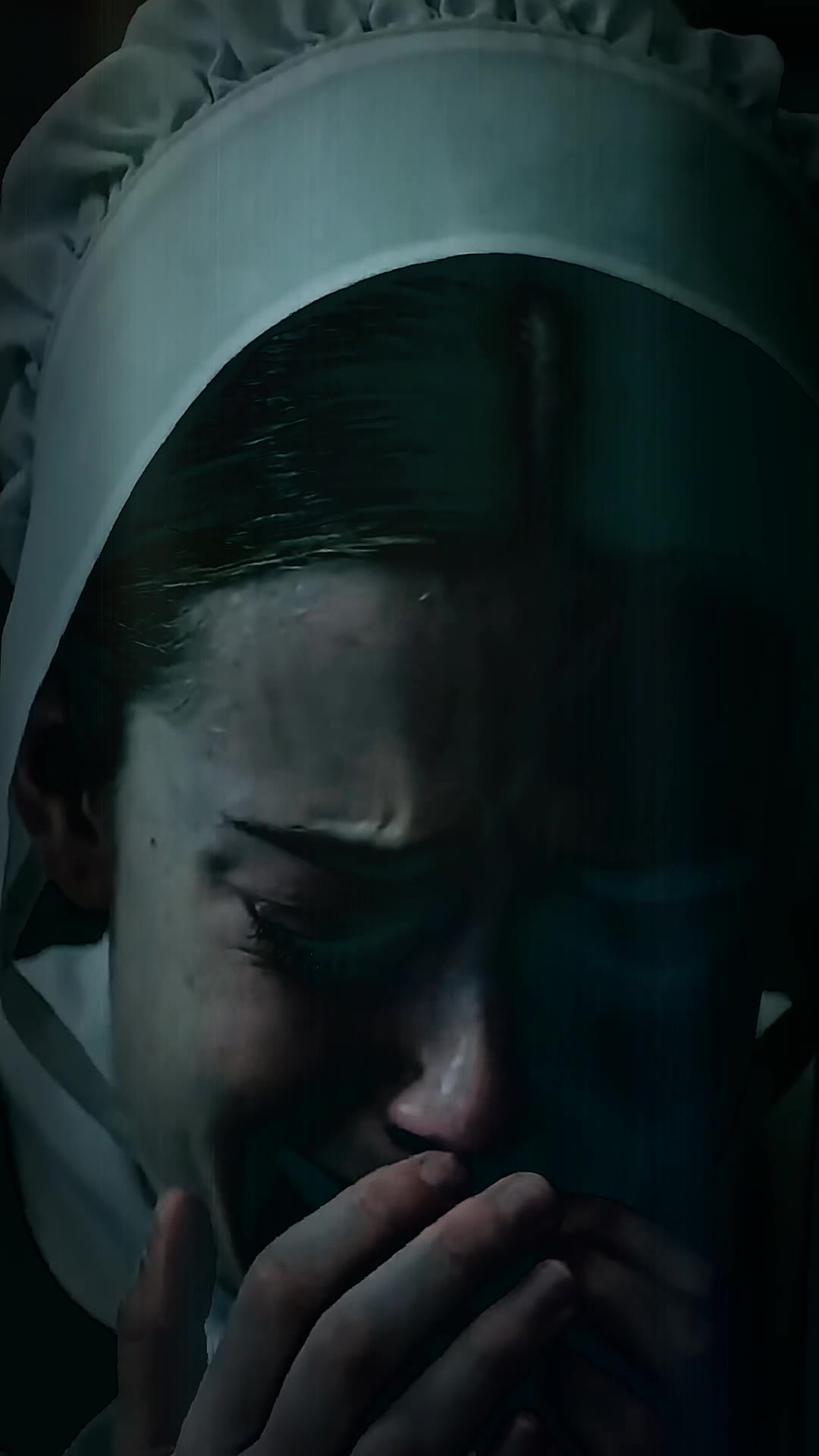
The courtroom was suffocating. I had sat through hours of testimony, my hands folded so tightly in my lap that my knuckles were white. Every word they said about me was a lie, but no one was listening to the truth.
“Maria Alvarez, you are charged with arson and attempted kidnapping,” the judge read, his voice flat. “How do you plead?”
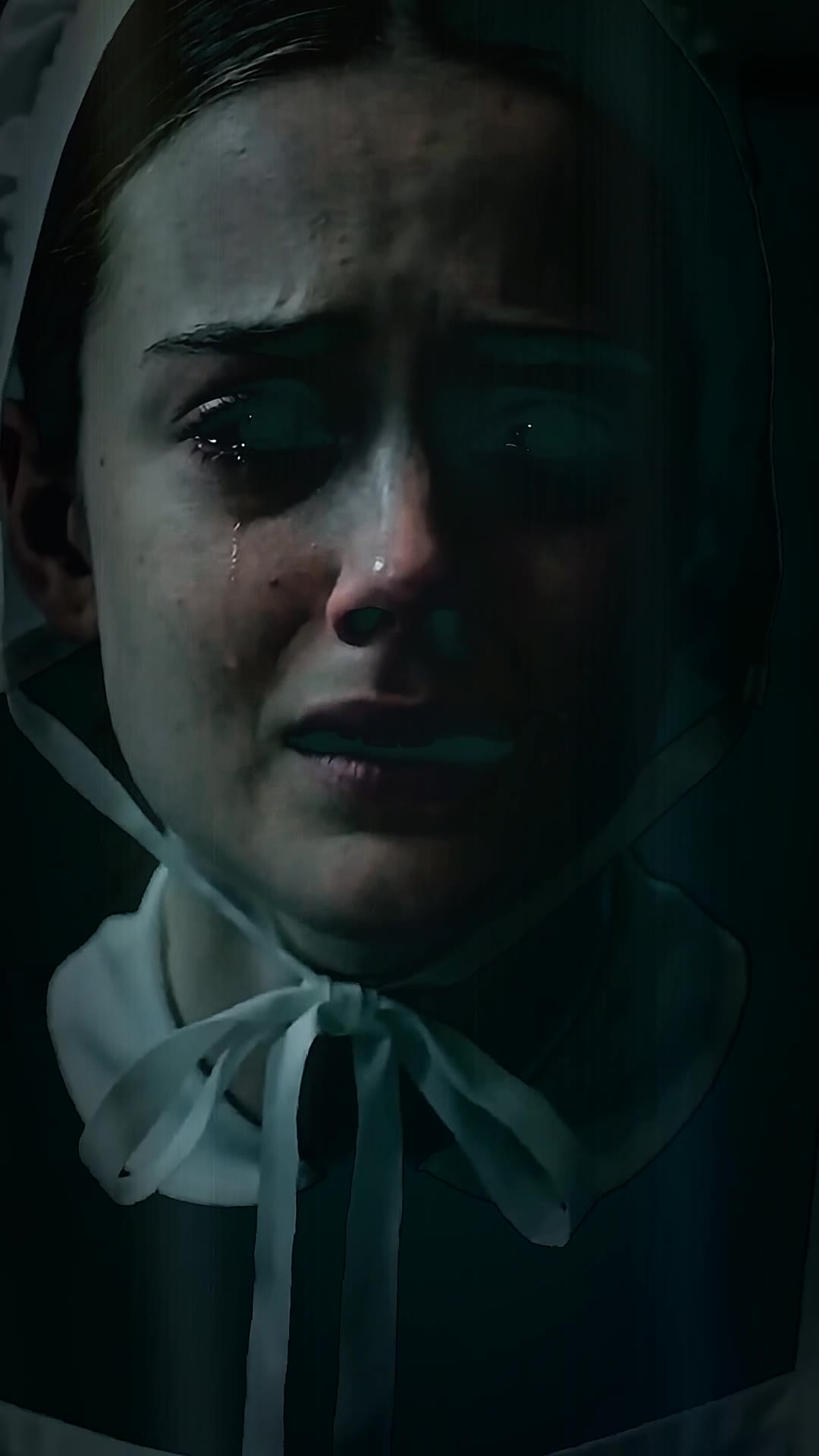
“Not guilty,” I whispered, but it came out like a broken thing.
I had spent twelve years of my life in the Whitmore house. I knew every creak of the floorboards, every shadow that fell across the marble foyer. I knew that Oliver liked his eggs scrambled with cheese, and that he was afraid of the dark but would never admit it. I knew that his father, Charles, rarely looked at him except to correct him, and that his aunt Victoria only came around when she needed money.
And I knew, in my bones, that I would never hurt that boy.
But the prosecutor was relentless. He showed the jury pictures of the east wing, charred and crumbling. He played the security chief’s testimony:
“I saw her carrying Oliver out of the east wing. She was running, not walking. She wouldn’t stop when I called her.”It sounded damning. It sounded like guilt.
But what they didn’t say was that I was running because Oliver was choking on smoke, his little body limp in my arms. I didn’t stop because I was desperate to get him air, to get him to the paramedics who were still a hundred yards away.
“She was told she was being let go that morning,” Victoria Whitmore testified, dabbing her eyes with a silk handkerchief. “She must have snapped.”
I wanted to scream. I had been let go because Charles wanted to “modernize” the household staff, and I was the last of the old guard. But I hadn’t snapped. I had packed my things, cried in my car, and then come back to say goodbye to Oliver one last time.
That was when I saw the smoke.
The Boy Who Remembered
“The prosecution rests,” the lawyer said, and the judge turned to me with a look that said the trial was already over.
That was when Oliver stood up.
He was eight years old, small for his age, with his father’s dark eyes and his mother’s gentle mouth—the mother who had died when he was three. He had been quiet the whole trial, sitting between a child psychologist and a court-appointed guardian. But now he was on his feet, and his small voice cut through the silence like a blade.
“She didn’t hurt me!”
Every head turned. I felt tears spill over my cheeks before I could stop them.
“Oliver, sit down,” Charles snapped, but Oliver ignored him.
“She carried me because I couldn’t breathe!” he said, his voice shaking but clear. “The smoke was everywhere, and I couldn’t breathe, and she picked me up and ran.”
The judge leaned forward. “Young man, do you understand the seriousness of this?”
“Yes, Your Honor,” Oliver said, and then he looked at me. “Maria didn’t start the fire.”
Charles went pale. Victoria’s handkerchief froze mid-air.
“Oliver,” Charles said, his voice low and dangerous, “you’re confused. You’ve been through a trauma.”
“No, Dad.” Oliver’s small hands were trembling, but he didn’t back down. “I remember. I remember everything.”
He turned to the judge, and his next words made the entire courtroom gasp.
“The person who started the fire is here. In this room.”
For the first time, I saw fear in Charles Whitmore’s eyes.
”In this room.”For the first time, I saw fear in Charles Whitmore’s eyes.