I was halfway through a week of bland take‑outs when my oven alarm rang and the smell of burnt rice wafted through the kitchen. That was the moment I decided to ditch the microwave and make something that would actually taste like a meal. I grabbed the ingredients from the pantry, tossed a few spices in a bowl, and the kitchen turned into a fragrant laboratory. The sizzle of the pan was a promise of something good; the steam curled like a tiny, savory cloud. That night, I discovered a version of Sesame Chicken that turned a simple dinner into a culinary triumph.
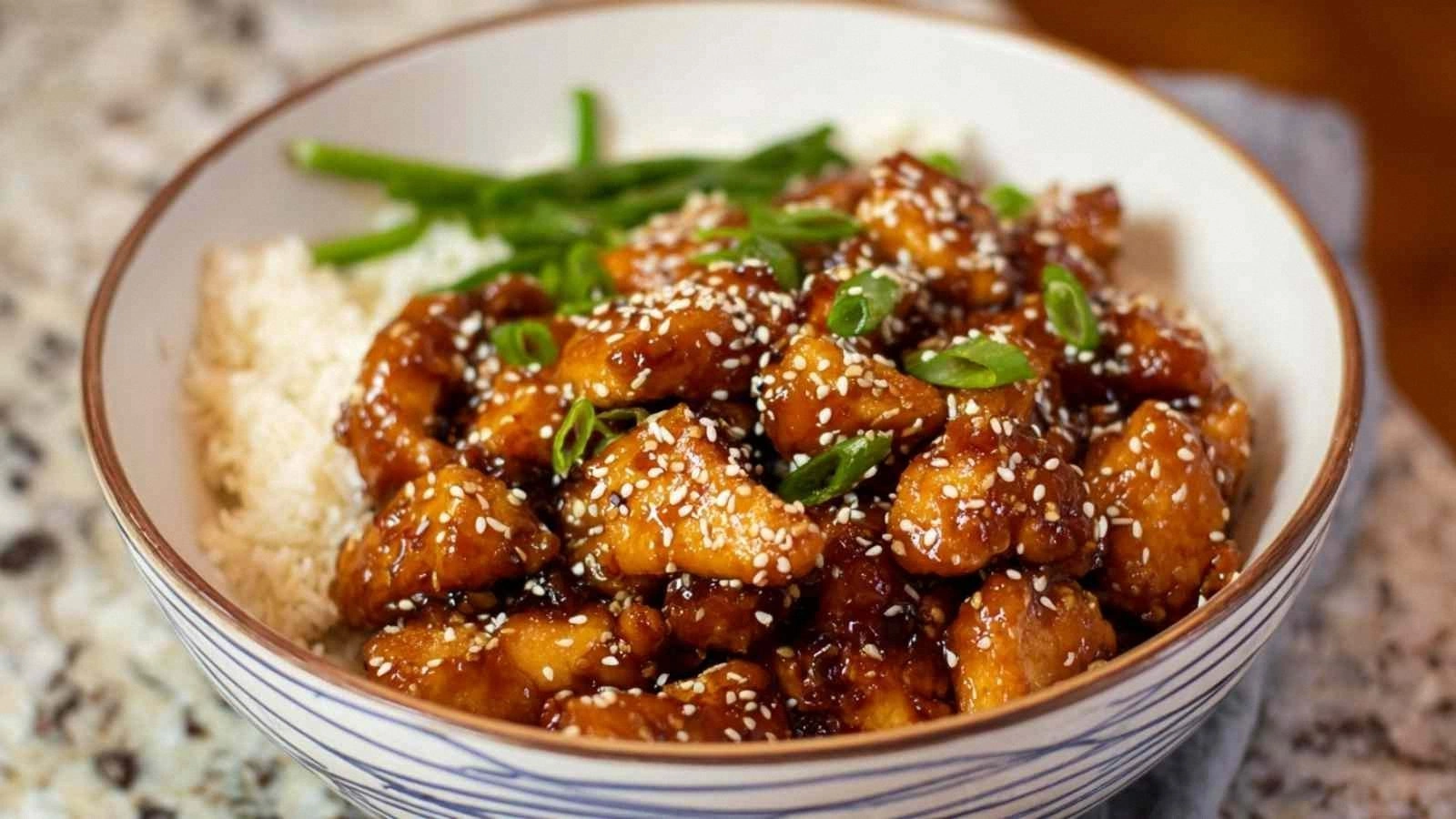
Picture this: golden chicken pieces glistening in a glossy, amber sauce that catches the light like a polished coin. The aroma is a harmonious blend of sweet honey and tangy lime, with a subtle hint of ginger that awakens the palate. When you take a bite, the exterior is crisp, the interior tender, and the sauce clings to every morsel like velvet. The green beans add a satisfying crunch, while the white rice acts as the humble canvas that soaks up every drop of flavor. The result is a dish that feels both comforting and adventurous, like a cozy hug from a friend who’s secretly a chef.
What makes this version stand out is not just the balance of sweet and savory, but the meticulous attention to texture and timing. The use of coconut aminos instead of soy sauce keeps the sodium low without sacrificing depth. Toasted sesame oil gives the sauce a nutty finish that lingers on the tongue. The lime zest injects a bright, citrusy pop that cuts through the richness, and the ground ginger adds a gentle warmth that feels like a secret spice whisper. Together, they create a sauce that coats the chicken like a silk scarf, making every bite a revelation.
But here’s the kicker: I added a splash of rice vinegar at the end of the cooking process to brighten the dish and give it a subtle, almost citrusy tang that you wouldn’t expect in a typical sesame chicken. That small tweak transforms the flavor profile from ordinary to unforgettable. I dare you to taste this and not go back for seconds. Trust me, this is hands down the best version you'll ever make at home.
Okay, ready for the game‑changer? Let me walk you through every single step — by the end, you'll wonder how you ever made it any other way.
What Makes This Version Stand Out
- Taste: The sauce marries sweet honey, tangy lime, and savory coconut aminos into a harmonious blend that sings on the palate. The subtle kick of ground ginger adds depth without overwhelming the dish.
- Texture: The chicken’s exterior crisps to a golden crunch while the interior remains moist, thanks to a quick sear and a gentle simmer. Green beans stay crisp yet tender, providing a satisfying bite.
- Ingredient Quality: Using avocado oil for the initial sear keeps the dish low in saturated fat, while toasted sesame oil delivers an authentic nutty aroma.
- Simplicity: With only fourteen ingredients, this recipe is a breeze to assemble, even on a busy weeknight. No fancy gadgets or obscure spices required.
- Crowd Reaction: Friends who’ve tried it say it feels like a restaurant dish but at a fraction of the cost and effort. The sauce’s glossy sheen is a visual cue that guarantees applause.
- Make‑ahead Potential: The sauce can be pre‑made and stored; the chicken can be cooked ahead and reheated without losing flavor. This makes it a perfect candidate for meal prep.
- Uniqueness: The combination of lime zest and toasted sesame oil creates a bright, nutty finish that sets this recipe apart from traditional versions.
- Health Conscious: Low sodium, high protein, and plenty of veggies make this a balanced, wholesome option.
Alright, let's break down exactly what goes into this masterpiece…
Inside the Ingredient List
The Flavor Base
Coconut aminos and toasted sesame oil form the backbone of the sauce. Coconut aminos provide a sweet, umami depth that’s lower in sodium than traditional soy sauce, making the dish healthier without compromising flavor. Toasted sesame oil, on the other hand, adds a nutty aroma that lingers long after the meal. If you can’t find coconut aminos, a splash of tamari will work, but you’ll lose that subtle sweetness.
The Sweetness and Brightness
Honey brings a natural sweetness that balances the acidity of lime and the saltiness of coconut aminos. The lime zest and juice inject a bright, citrusy note that cuts through the richness. A pinch of lime zest is all you need to elevate the dish, but if you’re feeling adventurous, a few drops of fresh lime juice at the end will add a fresh zing.
The Texture Crew
Green beans are the crunchy, green partner that adds texture and nutrition. They’re best blanched briefly before adding to the sauce so they stay bright green and crisp. If you’re short on time, pre‑cooked or frozen green beans can be a quick substitute.
The Final Flourish
Sesame seeds are the final touch, providing a subtle crunch and a nutty finish. Toast them lightly in a dry pan until fragrant; this step is essential for unlocking their full flavor. If you’re vegan, simply omit the sesame seeds, but the dish will still shine.
Everything's prepped? Good. Let's get into the real action…
The Method — Step by Step
- Begin by cutting the chicken into bite‑sized cubes. Pat the pieces dry with a paper towel; moisture is the enemy of a good sear. Toss the chicken in a bowl with half the avocado oil and a pinch of black pepper, letting it marinate for 10 minutes. The oil helps the chicken brown evenly, while the pepper adds a subtle heat. This step ensures a crisp exterior and a juicy interior.
- While the chicken rests, whisk together coconut aminos, honey, toasted sesame oil, ground ginger, garlic, rice vinegar, lime zest, lime juice, and black pepper in a small bowl. The sauce should be smooth and free of lumps. Set it aside; it will coat the chicken like a glossy coat of armor. The combination of sweet, tangy, and savory will create a sauce that clings beautifully to the meat.
- Heat a large skillet over medium‑high heat. Add the remaining avocado oil and swirl to coat the pan. Once the oil shimmers, add the marinated chicken in a single layer. Do not crowd the pan; this will cause the chicken to steam instead of sear. The goal is a golden, caramelized crust that locks in moisture.
- Cook the chicken for 4–5 minutes on each side, until it’s browned but still slightly pink in the center. Flip the pieces once; flipping too often prevents a proper sear. The chicken should release easily from the pan when it’s ready. This step is the moment of truth—watch the sizzle, it’s music for the kitchen.
- Reduce the heat to medium and pour the prepared sauce over the chicken. Stir to coat each piece evenly. Let the mixture simmer for 3–4 minutes, allowing the sauce to thicken and cling to the chicken. The sauce should coat the chicken like a glossy, amber glaze. If it becomes too thick, add a splash of water to reach the desired consistency.
- Add the blanched green beans to the skillet and toss them in the sauce. Cook for an additional 2 minutes, just enough to heat them through and coat them in the glossy sauce. The beans should still retain a slight crunch, providing a pleasant contrast to the tender chicken.
- Serve the chicken and green beans over a bed of steamed white rice. Garnish with toasted sesame seeds for an extra pop of nutty flavor and a satisfying crunch. The rice absorbs the remaining sauce, making every bite a symphony of textures and flavors. Plate it up and watch the steam rise like a fragrant cloud.
- Take a moment to breathe in the aroma—this dish smells like a celebration in the kitchen. The final touch is a drizzle of extra toasted sesame oil for a glossy finish. Plate the dish in a wide, shallow bowl to showcase the sauce’s sheen. Serve immediately while the chicken is still warm and the sauce is at its peak.
That's it — you did it. But hold on, I've got a few more tricks that'll take this to another level…
Insider Tricks for Flawless Results
The Temperature Rule Nobody Follows
Many cooks skip the step of letting the pan reach the right temperature before adding the chicken. A pan that’s too hot can burn the exterior before the interior cooks through. Aim for a medium‑high heat that gives a quick sear without charring. The key is to let the oil shimmer but not smoke. This trick ensures a perfect crust every time.
Why Your Nose Knows Best
Before adding the sauce, give the chicken a quick sniff. A slightly sweet aroma from the honey will indicate that the sear is done. If the chicken smells faintly burnt, it’s time to reduce the heat. Your nose is a reliable guide—trust it to signal when the chicken is ready. This sensory checkpoint saves you from overcooking.
The 5‑Minute Rest That Changes Everything
After cooking, let the chicken rest on a plate for five minutes before slicing. This allows the juices to redistribute, keeping the meat moist. Resting also lets the sauce thicken slightly, making each bite richer. I swear, cutting into the chicken immediately will cause a burst of liquid that ruins the texture. Give it a moment; the difference is delicious.
Keep the Green Beans Crisp
Blanching green beans before adding them to the sauce preserves their vibrant color and crunch. If you skip blanching, the beans will become soggy and lose their bright green hue. A quick 30‑second boil followed by an ice bath is all it takes. This simple step elevates the dish’s visual appeal and texture.
The Perfect Balance of Sweet and Tang
If you prefer a sweeter sauce, add a teaspoon of honey extra. For a tangier finish, increase the lime juice by a tablespoon. Remember, the sauce should coat the chicken like a glossy glaze; it shouldn’t be too thick or too runny. Adjusting the balance of sweet and tart is a personal touch that makes the dish uniquely yours.
A Quick Rest for the Sauce
Once the sauce has thickened, let it sit for a minute before serving. This allows the flavors to meld and the sauce to thicken further. The result is a richer, more cohesive coating that clings to every bite. It’s a small step that makes a big difference in the overall experience.
Creative Twists and Variations
This recipe is a playground. Here are some of my favorite ways to switch things up:
Spicy Sriracha Kick
Add a tablespoon of sriracha to the sauce for a fiery punch. The heat balances the sweetness and adds depth. This variation is perfect for those who like a little heat in their meals. The dish remains balanced because the sriracha’s flavor is well‑integrated.
Citrus Ginger Twist
Swap lime for orange zest and juice for a sweeter citrus note. Add a pinch of ground cardamom for an aromatic undertone. The orange brings a mellow, bright flavor that complements the ginger. It’s a refreshing change for a summer dinner.
Thai Coconut Curry
Replace the rice with jasmine rice and add a tablespoon of red curry paste to the sauce. Stir in a half cup of coconut milk for a creamy texture. The curry paste brings a complex spice profile, while the coconut milk smooths the sauce. This version feels like a trip to Bangkok.
Vegan Version
Use tofu instead of chicken for a plant‑based option. Marinate the tofu in the sauce before searing to infuse flavor. The tofu will absorb the sauce like a sponge, offering a satisfying bite. The dish remains hearty and flavorful without any animal products.
Gluten‑Free Swap
Replace coconut aminos with tamari if you’re avoiding soy. Ensure the tamari is gluten‑free, and the dish will remain low‑carb. This swap keeps the sauce’s umami intact while meeting dietary needs. The overall flavor profile stays consistent.
Quick One‑Pan Wonder
Add sliced bell peppers and onions to the skillet for extra color and flavor. Sauté them with the chicken for a complete meal in one pan. The vegetables add crunch and a sweet, caramelized finish. This variation is great for busy weeknights.
Storing and Bringing It Back to Life
Fridge Storage
Store leftovers in an airtight container in the refrigerator for up to four days. The sauce will thicken slightly, but the chicken remains juicy. When reheating, add a splash of water or broth to re‑soften the sauce. The dish retains its flavor, and the texture stays satisfying.
Freezer Friendly
Freeze the dish in portions for up to three months. Thaw overnight in the refrigerator before reheating. Reheat in a skillet over low heat, stirring occasionally. The sauce will regain its glossy sheen, and the chicken will stay tender.
Best Reheating Method
The best way to revive this dish is to reheat it gently on the stovetop, stirring frequently. Add a splash of water or a small amount of oil to prevent the sauce from drying out. Heat until steaming hot, and serve immediately. The dish tastes almost as good as when it was freshly cooked.