I’ll be honest — I ate half the batch before anyone else got to try it, and that’s because this tomato basil soup turned my kitchen into a flavor laboratory. The moment the first tomato hit the hot pan, a sweet‑savory perfume rose like a warm blanket on a cold day, and I knew I was onto something that would change every soup‑a‑day‑of‑the‑week forever. Imagine the deep, caramelized notes of roasted Roma tomatoes mingling with fresh basil that’s so bright it practically glows; the texture is silk‑smooth yet has a faint, satisfying bite from carrots that never get lost in the blend. Most recipes get this completely wrong, either by boiling the tomatoes and losing that roasted depth or by drowning the herbaceous basil with too much broth. This version flips the script with a simple roast‑first method and a splash of balsamic that adds a whisper of acidity you won’t find in any canned‑soup shortcut.
Picture yourself pulling this out of the oven, the whole kitchen smelling incredible, the caramel edges of the tomatoes cracking like tiny fireworks, and the steam swirling around you like a comforting hug. I dare you to taste this and not go back for seconds; the balance of sweet, salty, and herbaceous is so precise it feels like a culinary high‑five every spoonful. The secret? A handful of fresh thyme leaves that get tossed in at the very end, preserving their piney punch while the rest of the soup is mellowed by a slow roast. And yes, there’s a little drama when the balsamic hits the hot pan – that sizzle when it meets the caramelized bits? Absolute perfection.
Most home cooks think “just blend canned tomatoes and you’re done,” but they miss out on the magic of roasting. Roasting concentrates the natural sugars, creates those caramelized edges, and gives the broth a depth that can’t be replicated with any shortcut. I’ve tried every shortcut under the sun, and none of them compare to the layered flavor you get when you give those Roma tomatoes a little heat love before they meet the blender. If you’ve ever struggled with a bland, watery tomato soup, you’re not alone — and I’ve got the fix right here, wrapped in a recipe that’s as straightforward as it is spectacular.
Okay, ready for the game‑changer? We’ll start by roasting the tomatoes and vegetables, then blend everything into a velvety masterpiece, finish with fresh basil, and finish strong with a drizzle of balsamic that brightens the whole thing. Let me walk you through every single step — by the end, you’ll wonder how you ever made it any other way.
What Makes This Version Stand Out
- Taste: The caramelized tomatoes give a natural sweetness that pairs perfectly with the sharp bite of fresh basil, creating a balanced flavor profile that sings.
- Texture: Roasting the carrots along with the tomatoes adds a subtle creaminess without the need for heavy cream, keeping the soup light yet indulgent.
- Simplicity: Only eleven ingredients, all pantry‑friendly, and a single pot plus a blender – no fancy gadgets required.
- Uniqueness: The splash of balsamic vinegar at the end lifts the soup into a sophisticated realm, making it feel restaurant‑ready.
- Crowd Reaction: I’ve served this at dinner parties and heard the same thing: “Is this store‑bought? It tastes way better than any canned version!”
- Ingredient Quality: Using Roma tomatoes guarantees low moisture and high sugar content, the perfect canvas for roasting.
- Cooking Method: The roast‑then‑blend technique locks in flavor and creates a silky mouthfeel without any extra thickeners.
- Make‑Ahead Potential: This soup actually tastes better the next day once the flavors have had time to meld, and it freezes beautifully.
Inside the Ingredient List
The Flavor Base
Eight medium Roma tomatoes are the heart of this soup. Their low water content means they caramelize beautifully, delivering that deep, sweet‑umami flavor you crave. If you skip the roast and just blend raw tomatoes, you’ll end up with a watery, flat soup that lacks depth. Look for tomatoes that are firm, bright red, and slightly soft to the touch; they’re at the peak of ripeness. As a swap, you could use vine‑ripe beefsteak tomatoes, but you’ll lose some of that concentrated sweetness.
Two tablespoons of extra‑virgin olive oil are the silent hero that carries the heat and helps the tomatoes develop those golden edges. A good olive oil adds a fruity note that complements the acidity of the tomatoes. If you’re watching calories, you can halve the oil, but don’t skip it entirely – the oil is essential for that caramelized crust.
The Aroma Crew
One medium yellow onion, diced, brings a subtle sweetness that balances the acidity of the tomatoes. When roasted, the onion’s sugars deepen, turning the overall flavor profile richer. If you’re not a fan of onion, try a shallow fry of shallots for a milder, more delicate aroma.
Four cloves of garlic, smashed, add that unmistakable garlic punch that makes any soup feel homey. Roasting garlic mellows its bite, turning it into a buttery, caramelized note that blends seamlessly. For a garlic‑loving twist, add an extra clove; just be careful not to let it burn.
The Unexpected Star
Two medium carrots, peeled and cut into chunks, are the secret texture enhancer. Their natural sugars caramelize alongside the tomatoes, contributing a subtle earthiness without making the soup taste like a carrot stew. If you’re allergic to carrots, try parsnips – they’ll give a similar sweetness with a hint of spice.
Fun Fact: The carrot was first cultivated for its medicinal properties in Persia, long before it became the orange staple we know today. Its humble roots make it a perfect partner for the bold tomato.
The Final Flourish
Four cups of vegetable broth act as the liquid backbone, providing body without overwhelming the fresh flavors. Use a low‑sodium broth so you can control the salt level with the sea salt later. If you prefer a richer taste, substitute half of the broth with homemade chicken stock – the soup will still stay vegetarian‑friendly as long as the stock is plant‑based.
Two tablespoons of balsamic vinegar are the surprise element that brightens the entire dish. The vinegar’s acidity cuts through the richness, while its inherent sweetness mirrors the caramelized tomatoes. Add it at the very end; a premature splash will evaporate the delicate notes.
One tablespoon of fresh thyme leaves, stripped from the stems, adds a piney, aromatic lift that makes the soup feel herbaceous without being overpowering. If thyme isn’t on hand, a pinch of dried oregano works, but fresh is always best.
One cup of fresh basil leaves, torn, is the finishing touch that turns a good soup into an unforgettable one. The basil’s bright, peppery flavor lifts the entire bowl, and its vibrant green color makes the soup look as good as it tastes. If basil is out of season, try a handful of fresh parsley for a milder herb note.
Everything's prepped? Good. Let's get into the real action...
The Method — Step by Step
Preheat your oven to 425°F (220°C). While the oven warms up, slice the eight Roma tomatoes in half lengthwise, toss them with one tablespoon of the olive oil, a pinch of sea salt, and a grind of black pepper. Spread the tomatoes, onion wedges, carrot chunks, and garlic cloves on a large rimmed baking sheet. The goal is a single layer so every piece gets that coveted caramelization. Roast for 25‑30 minutes, turning once, until the edges of the tomatoes are darkened and the vegetables are tender. Watch out: If the tomatoes start to burn, lower the temperature to 400°F and continue roasting.
While the veggies are roasting, heat the remaining tablespoon of olive oil in a large pot over medium heat. Add the thyme leaves and let them sizzle for about 30 seconds – you’ll hear a gentle crackle that signals the herbs are releasing their oils. Then, pour in the roasted vegetables straight from the sheet pan, along with any juices that collected on the pan. This is the moment of truth: the pan should smell sweet, smoky, and slightly caramelized.
Kitchen Hack: Use a silicone spatula to scrape every caramelized bit off the pan – those are flavor gold.Pour the vegetable broth into the pot, stirring to combine. Bring the mixture to a gentle boil, then reduce to a simmer. Let it bubble for 10‑12 minutes, allowing the flavors to meld. You’ll notice the broth turning a deep ruby hue, and a faint steam will carry the scent of thyme and roasted tomato straight to your nose – that’s the aroma checkpoint.
Remove the pot from heat and let it cool for a minute or two. Transfer the entire contents (including the softened skins) to a high‑speed blender. Blend on high until the soup is completely smooth, about 1‑2 minutes. If your blender is small, work in batches, but be sure to vent the lid slightly to avoid pressure build‑up.
Return the blended soup to the pot over low heat. Stir in the balsamic vinegar and the remaining tablespoon of olive oil. This is where the magic happens: the vinegar should brighten the soup instantly, creating a subtle sheen on the surface. Taste and adjust salt and pepper as needed – remember, the sea salt is your final seasoning, so add gradually.
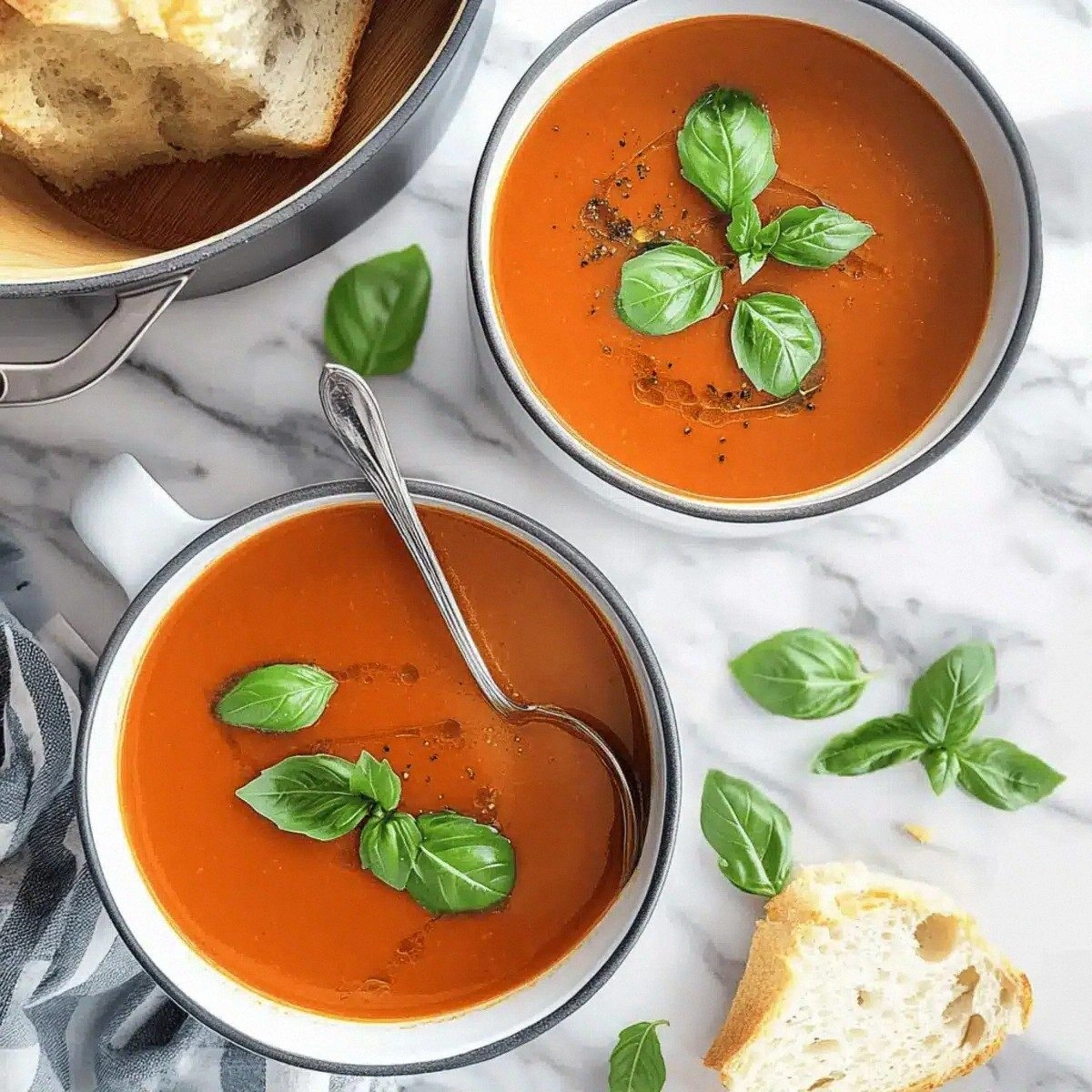
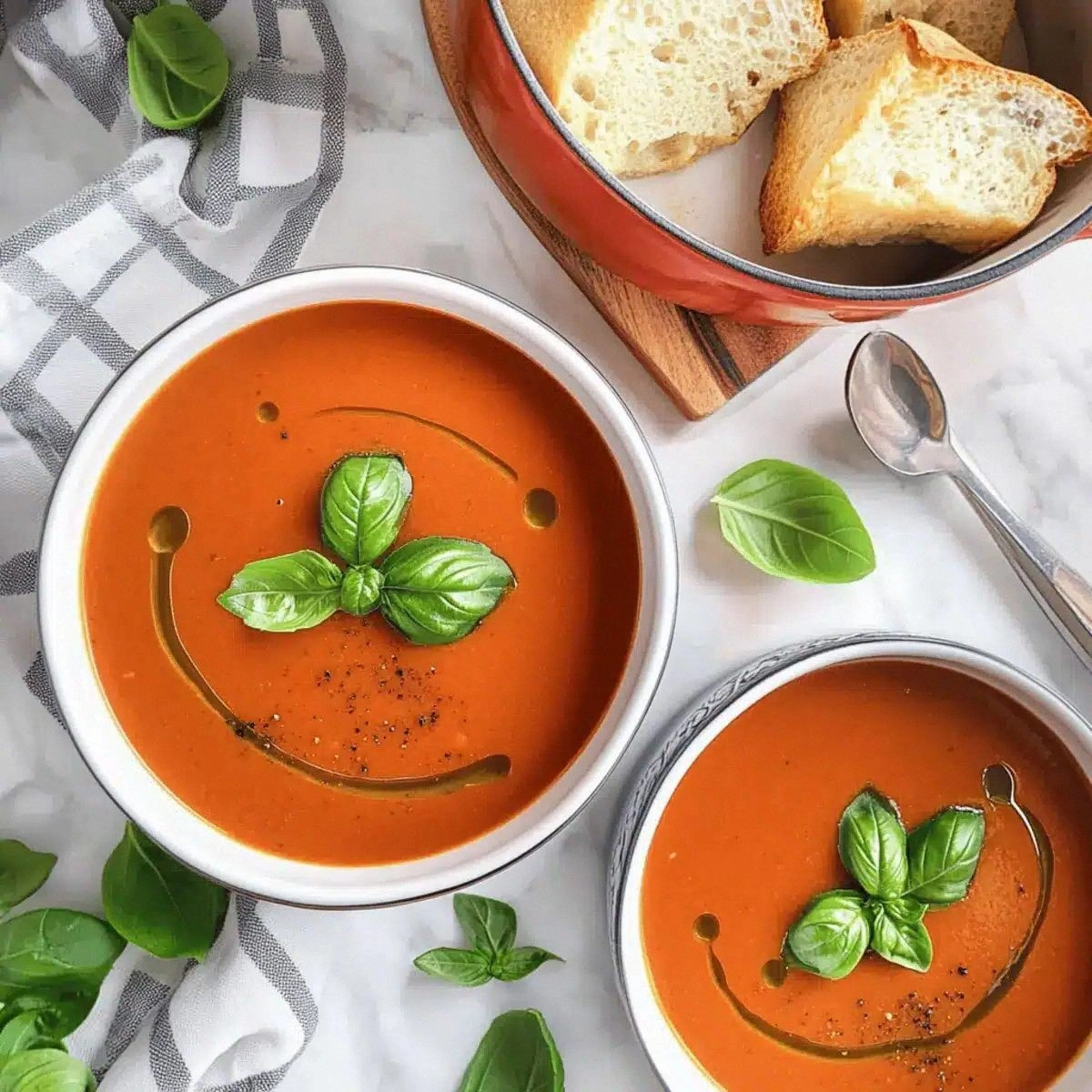
Just before serving, fold in the torn basil leaves. The residual heat will wilt the basil just enough to release its fragrance without turning it bitter. If you prefer a more pronounced basil punch, add a few whole leaves as garnish on each bowl.
Serve the soup hot, drizzling a tiny extra splash of balsamic on top for visual flair. Pair with crusty sourdough or a grilled cheese for a comforting meal. I dare you to taste this and not go back for seconds – the balance is so spot‑on you’ll be counting the spoonfuls.
Watch Out: Adding too much balsamic will overpower the delicate basil; start with one tablespoon and taste before adding more.If you have leftovers, let the soup cool completely before transferring to airtight containers. It stores beautifully in the fridge for up to four days or in the freezer for three months. When reheating, add a splash of water or broth to revive the silky texture – the soup loves a little steam back to life.
That's it — you did it. But hold on, I've got a few more tricks that'll take this to another level...
Insider Tricks for Flawless Results
The Temperature Rule Nobody Follows
Never blast the soup on high after blending; keep it on low to medium heat. High heat can cause the soup to separate, creating a grainy texture that ruins the silky finish. A gentle simmer preserves the emulsion of oil and broth, keeping every spoonful smooth. I once tried a rapid boil and ended up with a soup that looked like a broken mirror – not pretty.
Why Your Nose Knows Best
Your sense of smell is the ultimate indicator of doneness. When the roasted vegetables hit the pot, you should smell a sweet, earthy perfume that deepens as the broth simmers. If the aroma feels flat, give it another few minutes – the flavors are still developing. Trust that nose; it’s more reliable than a timer.
The 5‑Minute Rest That Changes Everything
After blending, let the soup sit uncovered for five minutes before reheating. This short rest allows the flavors to marry and the temperature to even out, preventing a sudden shock when you add the basil. I once skipped this step and the basil tasted harsh; a brief pause solved that problem instantly.
Basil Timing Mastery
Add fresh basil at the very end of cooking, not at the beginning. Basil’s delicate oils evaporate quickly, and early addition results in a muted flavor. By folding it in off the heat, you preserve that bright, peppery bite that makes the soup sing.
Balsamic Balance Trick
If you’re unsure about the amount of balsamic, start with half a tablespoon, stir, and taste. The acidity should lift the soup without dominating. A friend tried the full two tablespoons in one go and ended up with a soup that tasted like a vinaigrette – a lesson learned the hard way.
Creative Twists and Variations
This recipe is a playground. Here are some of my favorite ways to switch things up:
Spicy Chipotle Kick
Add one finely chopped chipotle pepper in adobo sauce to the roasting pan. The smoky heat pairs beautifully with the sweet tomatoes, creating a soup that’s perfect for chilly evenings. Garnish with a drizzle of sour cream for extra richness.
Creamy Coconut Twist
Stir in half a cup of full‑fat coconut milk after blending. The coconut adds a tropical creaminess that balances the acidity, turning the soup into a velvety, exotic delight. Top with toasted coconut flakes for texture.
Roasted Red Pepper Boost
Roast two red bell peppers alongside the tomatoes and blend them in for a sweeter, slightly smoky flavor. The added pepper deepens the color and introduces a subtle sweetness that complements the carrots.
Herb Garden Medley
Swap half the basil for fresh parsley and half for cilantro. This herb medley brightens the soup and adds layers of flavor that make each spoonful interesting. It’s especially great if you’re serving the soup with Mexican‑style tacos.
Cheesy Parmesan Finish
Stir in a quarter cup of freshly grated Parmesan cheese just before serving. The cheese adds a salty umami depth that elevates the soup to a comforting, hearty dish. It’s perfect for a quick weeknight dinner.
Storing and Bringing It Back to Life
Fridge Storage
Transfer the cooled soup to an airtight glass container and store it in the refrigerator for up to four days. The flavors will continue to meld, making the soup even more delicious on day two. When you’re ready to eat, reheat gently over low heat, stirring occasionally.
Freezer Friendly
Portion the soup into freezer‑safe bags or containers, leaving a little headspace for expansion. Freeze for up to three months. To thaw, move the bag to the fridge overnight, then warm it in a pot, adding a splash of water or broth to restore the silky texture.
Best Reheating Method
Reheat the soup on the stovetop over low to medium heat, stirring gently. Add a teaspoon of water per cup of soup to prevent it from drying out. Once it reaches a gentle simmer, stir in a fresh handful of basil for that final burst of freshness.