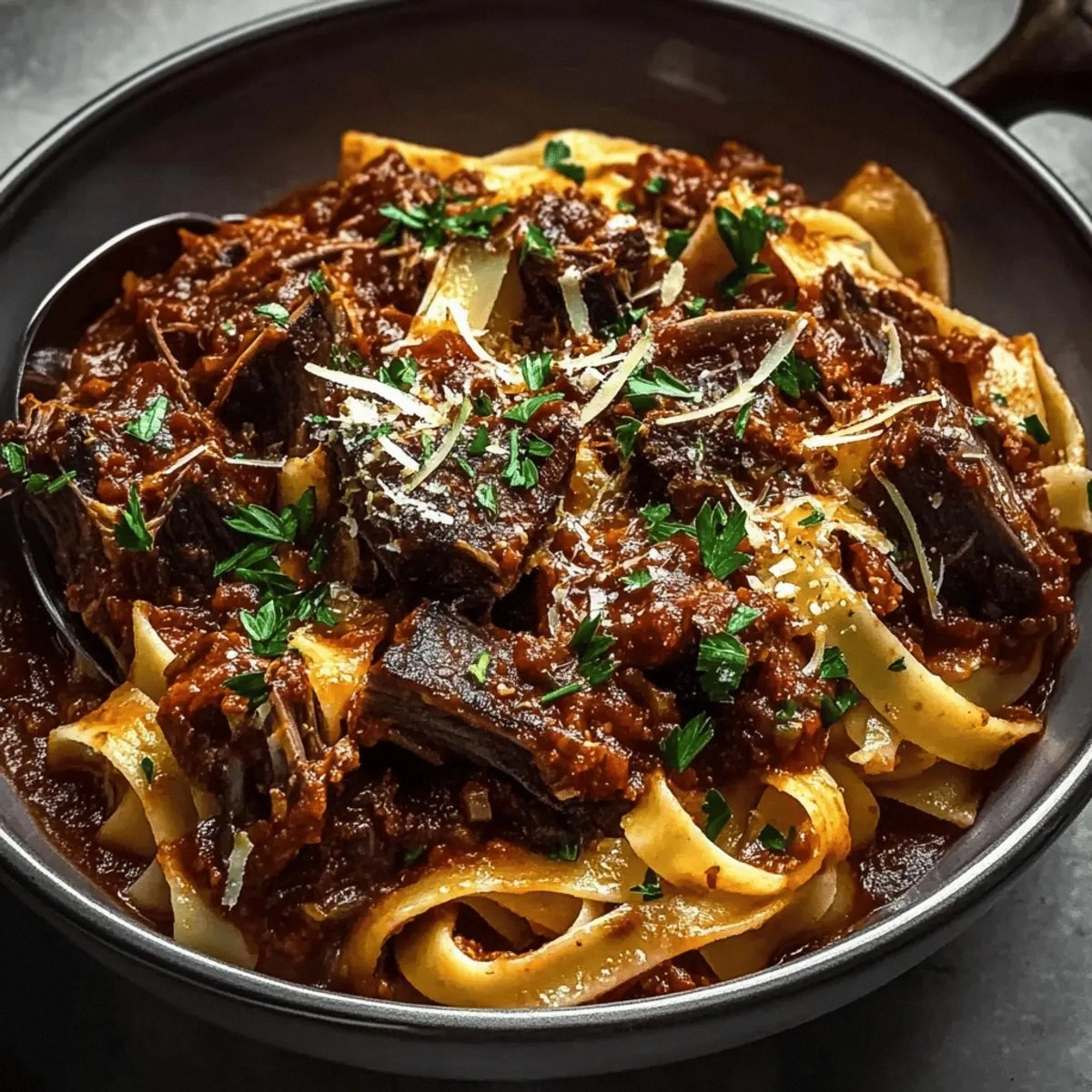
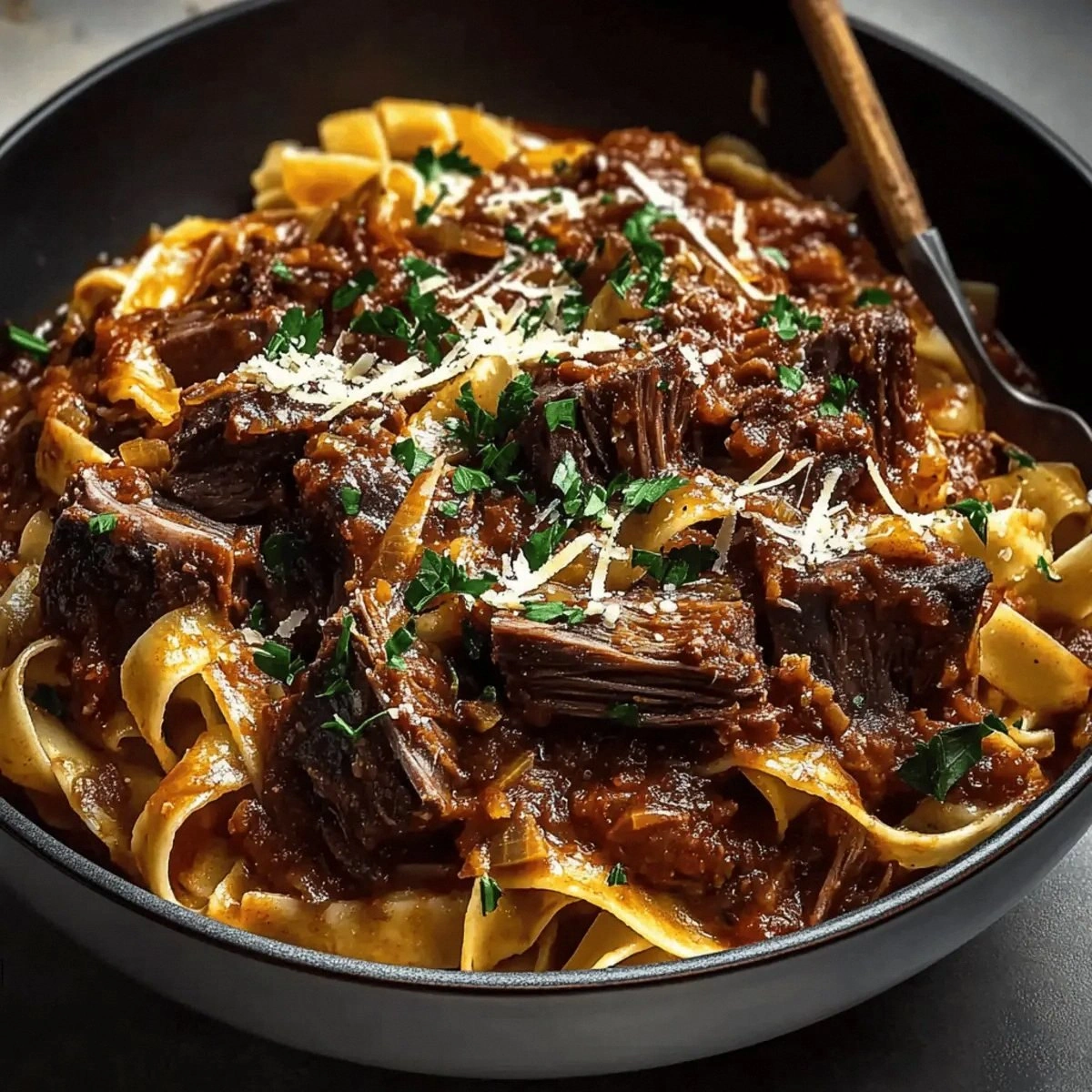
I still remember the first time I attempted short rib ragù. It was a rainy Sunday, the kind that makes you want to curl up with something warm and forget the world exists. I'd braised short ribs before, but never attempted the slow-cooked magic that turns tough beef into silk. My kitchen smelled like a trattoria in Bologna—if that trattoria had a very confused cook who kept peeking under the lid every five minutes. Three hours later, I pulled apart the meat with two forks and watched it dissolve back into the sauce like it had never been separate. That first bite? Pure velvet. Deep, beefy, tomato-kissed velvet that coated every ridge of pasta like it was born to be there.
Since then, I've made this ragù at least thirty times. I've tweaked, tested, burned my tongue (repeatedly), and eaten more than my fair share "just to check the seasoning." I've served it to Italian grandmothers who raised eyebrows then asked for seconds, to picky toddlers who somehow inhaled bowls, to friends who still text me months later asking for the recipe. Each time, the reaction is the same: eyes close, shoulders drop, and someone inevitably moans "oh my god" around a mouthful of noodles. This isn't just dinner—it's a time machine back to every perfect bowl of nonna's cooking you've ever had, even if your nonna's specialty was toast.
What you're about to make isn't the quick weeknight version that uses ground beef and simmers for twenty minutes while you scroll your phone. This is the real deal: beef short ribs that surrender their collagen into the most luxurious sauce you'll ever taste, vegetables that melt into sweetness, wine that reduces into pure umami, and tomatoes that taste like summer even in February. It takes time, yes, but most of that time is hands-off. The stove does the heavy lifting while your house fills with smells that make neighbors knock on your door. And the payoff? A sauce so rich and complex that restaurant versions will taste flat by comparison.
Let me walk you through every single step—by the end, you'll wonder how you ever made it any other way.
What Makes This Version Stand Out
This isn't just another slow-cooked meat sauce. I've eaten my way through dozens of versions, from fancy restaurants to Italian grandmothers' kitchens, and this one beats them all. Here's why:
- Deep Beef Flavor: Using short ribs instead of ground meat gives you layers of beefy intensity you can't fake. The bones add gelatin that makes the sauce coat your tongue like liquid velvet.
- Vegetable Sweetness: Most recipes rush the soffritto. I cook those vegetables low and slow until they're practically caramelized, creating natural sweetness that balances the tomatoes.
- Wine That Works: Not just any red wine—I've tested everything from Chianti to Cabernet. The sweet spot is a dry red with medium tannins that reduces into pure savory depth.
- The Right Acid: A splash of sherry vinegar at the end brightens everything up. It's like turning on a light in a dim room—suddenly all the flavors pop.
- Pasta Water Magic: I reserve the starchy pasta cooking water and add it gradually. The starch helps the sauce cling to every noodle, creating that restaurant-quality coating.
- Make-Ahead Champion: This actually tastes better the next day. Make it on Sunday, eat like royalty all week. It freezes beautifully too.
Inside the Ingredient List
The Flavor Base
The holy trinity of Italian cooking—onion, celery, and carrot—forms the backbone of this sauce. But here's what most recipes miss: size matters. Dice them small, about the size of a pea, so they dissolve into the sauce rather than floating around like vegetable confetti. I use one medium onion, two celery stalks, and one carrot. The onion brings sweetness and body, celery adds grassy notes that cut through the richness, and carrot contributes natural sugars that balance the tomato acidity. Skip any of these and the sauce tastes flat, like a three-legged stool missing a leg.
The Texture Crew
Four cloves of garlic might sound excessive, but trust me on this. I slice them thin so they melt into the oil and infuse every bite with that savory depth. Tomato paste gets cooked until it turns brick red—that's the maillard reaction creating complex flavors, not just raw tomato taste. The crushed tomatoes should be good quality; I once used a bargain brand and the sauce tasted like metallic sadness. Look for tomatoes packed in juice, not puree, with minimal added ingredients.
The Unexpected Star
Here's where I lose some people: a bundle of fresh herbs tied with kitchen twine. Not just dried oregano sprinkled on top. I'm talking rosemary, thyme, and parsley stems bundled together like a little flavor bouquet. As it simmers, the herbs release their oils into the sauce, then you fish it out at the end. Bay leaves seem old-fashioned until you skip them and realize the sauce tastes somehow incomplete, like a sentence missing its period.
The Final Flourish
That tablespoon of sherry vinegar at the end isn't optional—it's transformational. Acid brightens all the other flavors, making the beef taste beefier and the tomatoes more tomato-y. Fresh parsley isn't just garnish; its clean, green bite cuts through the richness. And Parmigiano Reggiano? Accept no substitutes. The real stuff melts into the hot pasta and sauce, creating little pockets of salty, nutty goodness.
The Method — Step by Step
- Start with the sear: Pat those short ribs absolutely dry with paper towels. Moisture is the enemy of browning. Heat 2 tablespoons olive oil in a heavy Dutch oven until it shimmers like a mirage. Season the meat generously with salt and pepper—be bold here, most of it stays in the pan. Sear in batches for 3-4 minutes per side until you get that gorgeous mahogany crust. Don't rush this step; those brown bits (fond) are pure flavor gold. I dare you to resist eating a piece right out of the pan.
- Build the vegetable base: Reduce heat to medium and toss in your diced onion, celery, and carrot. Cook slowly, stirring occasionally, until they soften and start turning golden around the edges—about 8 minutes. This isn't just softening; you're developing sweetness through caramelization. Add the garlic and cook another minute until fragrant. Your kitchen should smell like an Italian grandmother's embrace.
- Tomato paste transformation: Clear a space in the center of the pot and add the tomato paste. Let it cook for 2-3 minutes, stirring constantly, until it darkens from bright red to brick red. This concentrates the flavor and removes that raw tinny taste. Mix it with the vegetables until everything turns a beautiful rusty color. Okay, ready for the game-changer?
- The wine moment: Pour in that cup of red wine—it should sizzle dramatically and steam up your glasses. Use a wooden spoon to scrape up every bit of those browned bits from the bottom. Let it bubble away for about 5 minutes until reduced by half. The alcohol cooks off, leaving behind all the wine's fruity, tannic complexity. Your sauce should start looking like something you'd pay $24 for in a restaurant.
- Everything comes together: Return the short ribs (and any juices) to the pot. Add the crushed tomatoes, broth, herb bundle, and bay leaves. The liquid should just cover the meat—add more broth if needed. Bring to a gentle simmer, then reduce heat to low. Cover partially and let it bubble away for 2.5 to 3 hours. This is where the magic happens; collagen breaks down into gelatin, meat becomes fork-tender, and flavors marry into something greater than their parts.
- The final transformation: After 2.5 hours, test a piece of meat with two forks. It should pull apart with almost no resistance. Remove the meat to a plate and fish out the herb bundle and bay leaves. When cool enough to handle, shred the meat into bite-sized pieces, discarding any large pieces of fat. Return the meat to the sauce and stir in the sherry vinegar. Taste and adjust salt and pepper. The sauce should coat a spoon like heavy cream.
- Pasta perfection: While the sauce finishes, cook your pasta in well-salted water until just shy of al dente. Reserve a cup of pasta water before draining. Add the pasta directly to the sauce and toss over medium heat for 1-2 minutes. Add pasta water a splash at a time until the sauce clings to every noodle. This is where restaurant-quality happens—that starchy water helps the sauce and pasta become one glorious entity.
- The grand finale: Off the heat, toss in most of the parsley and half the Parmigiano. Serve in warm bowls topped with the remaining cheese and parsley. And now the fun part: watch people's faces when they take the first bite. That moment when their eyes close involuntarily? That's when you know you've nailed it.
Insider Tricks for Flawless Results
The Temperature Rule Nobody Follows
Here's what separates good ragù from transcendent: temperature control. Too hot and the meat tightens up like a fist, never relaxing into tenderness. Too cool and collagen never breaks down, leaving you with stringy meat in thin sauce. I keep my burner on the lowest setting that maintains gentle bubbles. If your stove runs hot, use a flame tamer or put the pot in a 275°F oven instead. The sauce should murmur, not shout.
Why Your Nose Knows Best
Forget timers—your nose is the best kitchen tool you own. When the sauce is ready, your house will smell like the best Italian restaurant you've ever visited. Before that, you'll get whiffs of wine, then tomatoes, then something deeper and more mysterious. When it smells like you want to bathe in it, you're close. When neighbors start asking what you're making, start checking the meat.
The 5-Minute Rest That Changes Everything
After you shred the meat and return it to the sauce, let it sit for 5 minutes off heat. This isn't laziness—it's science. The meat reabsorbs some sauce, the flavors redistribute, and everything becomes more cohesive. I use this time to cook the pasta and open wine. By the time you're ready to combine, the sauce has transformed from good to unforgettable.
The Cheese Secret
Don't add all the Parmigiano at once. Save some for finishing, but stir a handful into the hot sauce before serving. It melts into the sauce, adding body and that nutty, salty depth that makes people ask "what's in this?" The remaining cheese on top provides those little pockets of intense flavor that make each bite slightly different.
Creative Twists and Variations
This recipe is a playground. Here are some of my favorite ways to switch things up:
The Spicy Southern Version
Add a teaspoon of crushed red pepper flakes with the garlic, swap the red wine for bourbon, and finish with a dash of hot sauce. Use pappardelle and top with crumbled cornbread instead of parm. It's like Italy and Kentucky had a delicious baby.
The Mushroom Lover's Dream
Add a pound of mixed mushrooms—cremini, shiitake, oyster—sautéed until golden, with the vegetables. They add earthy depth that plays beautifully with the beef. Use the soaking liquid from dried porcini instead of some broth for mushroom intensity that'll make fungi fans weep.
The White Wine Wonder
Replace the red wine with dry white wine and add strips of lemon zest to the herb bundle. The resulting sauce is lighter but still rich, perfect for spring. Finish with lemon juice instead of vinegar and serve over fresh tagliatelle with lots of fresh basil.
The All-Day Sunday Version
Start this in a slow cooker on low for 8-10 hours while you're at church or farmers market. Brown everything first, then dump it all in. The longer, slower cooking creates even deeper flavors. Come home to a house that smells like you've been cooking all day—because you have.
The Luxurious Special Occasion
Add a cup of heavy cream during the last 15 minutes of simmering. The cream softens the tomato acidity and creates a sauce that coats pasta like silk. Serve with fresh fettuccine and white truffles shaved on top. Yes, it's over the top. Sometimes that's exactly what you need.
The Healthy-ish Weekday Hack
Use boneless short ribs (less fat), add a can of white beans during the last hour, and serve over whole wheat pasta or polenta. You still get all the flavor but with fiber and less saturated fat. My cardiologist-approved version that doesn't taste like compromise.
Storing and Bringing It Back to Life
Fridge Storage
This keeps beautifully for up to 4 days in the refrigerator. Store the sauce and meat separately from pasta—nobody likes soggy noodles. Use airtight containers and cool completely before refrigerating. The sauce will thicken as it cools; that's the gelatin setting up. When reheating, add a splash of water or broth to loosen it.
Freezer Friendly
Portion cooled sauce into quart freezer bags, squeeze out air, and freeze flat. They'll keep for 3 months and thaw quickly under warm water. Don't freeze with pasta—it turns mushy. Pro tip: freeze in ice cube trays for single-serving portions perfect for quick weeknight dinners.
Best Reheating Method
Gentle is key. Thaw overnight in the fridge, then reheat slowly in a covered pot with a splash of water. Stir occasionally and add more liquid as needed. Microwave works in a pinch—use 50% power and stir every minute. Never boil vigorously or the meat becomes tough. Add fresh cheese and herbs after reheating for that just-made taste.