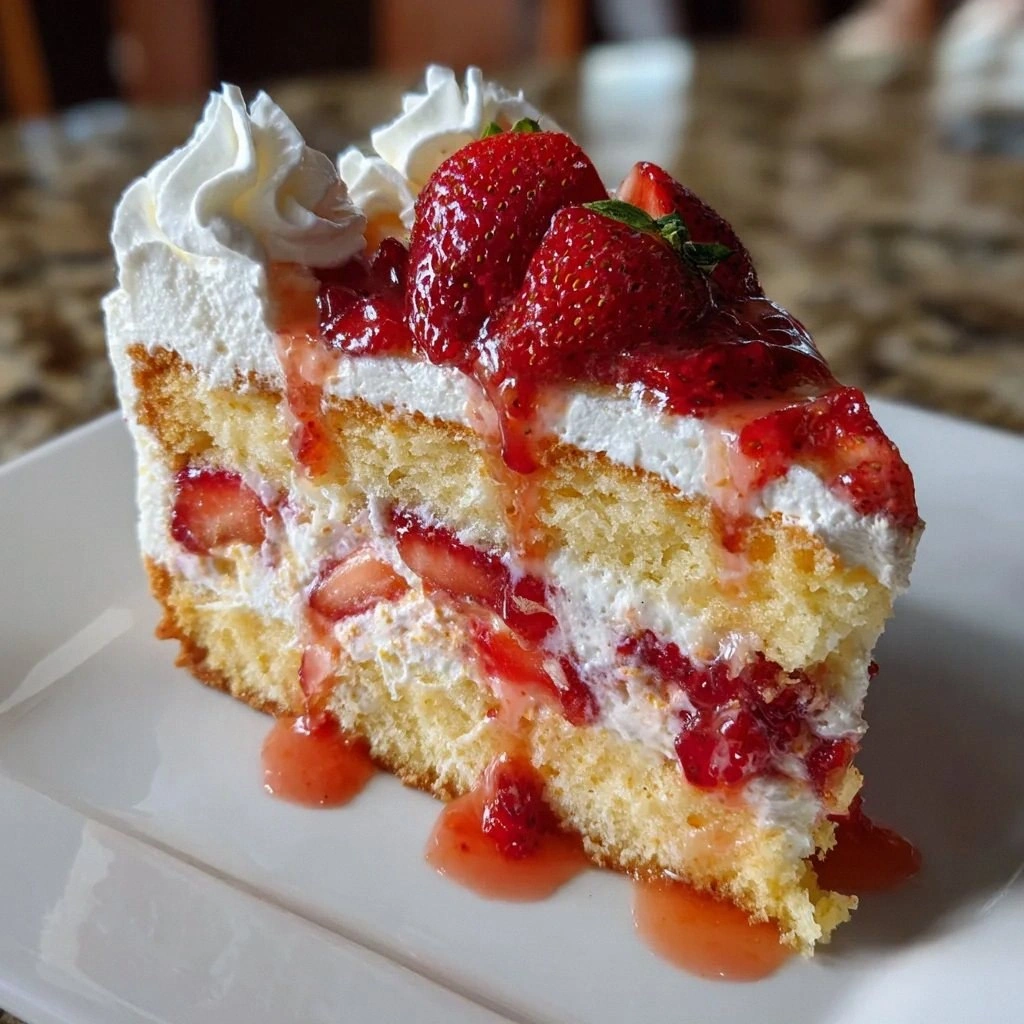
Picture this: you’re standing in your kitchen, the air thick with the scent of fresh strawberries and a splash of lemon zest, and you’ve just taken a bite of a cake that feels like a summer breeze trapped in a slice. That moment was born out of a frantic midnight craving when my friend dared me to turn a simple cake recipe into something that would make us all shout, “I dare you to taste this and not go back for seconds.” I was armed with a handful of ingredients and an unshakable belief that the best desserts are the ones that make you feel like you’re eating sunshine. The result? A strawberry lemonade cake that is hands down the best version you’ll ever make at home, a cake that sings with bright citrus, soft berry undertones, and a crumb so light it practically floats. If you’ve ever struggled with a cake that feels dense or over‑sweet, you’re not alone— and I’ve got the fix.
The first time I baked this cake, I was skeptical. I had seen countless “strawberry cakes” that ended up looking more like a soggy mess than a vibrant dessert. But I kept a secret: I used pureed strawberries instead of chunks, and I folded them gently into the batter to preserve their natural color and flavor. The result was a cake that looked like a blush‑pink sunrise and tasted like a burst of fresh fruit on a hot day. I can still hear the gentle hiss of the oven as the batter rises, the aroma of lemon zest mingling with the sweet strawberry perfume, and the sound of the timer ticking down to the final 30 minutes. Picture yourself pulling this out of the oven, the whole kitchen smelling incredible, and a slice of this cake sliding off the knife like a piece of liquid sunshine.
What makes this cake so special is not just the ingredients but the way they work together. The buttermilk adds a tangy depth that balances the natural sweetness of the strawberries, while the baking soda and baking powder create a lift that makes the cake airy and fluffy. The lemon zest isn’t just a garnish; it’s a flavor punch that cuts through the richness of the butter and the sweetness of the sugar, leaving a clean, bright finish. The pureed strawberries are incorporated in a way that keeps the cake moist without drowning it in fruit, giving you a subtle, velvety berry undertone that’s almost invisible but entirely delicious. And the final touch? A light dusting of powdered sugar that looks like a snowy finish on a summer day. Stay with me here—this is worth it.
What Makes This Version Stand Out
- Taste: The combination of sweet strawberries and bright lemon zest creates a flavor profile that feels like a refreshing cocktail in cake form. It’s not overpowering; it’s a subtle, harmonious blend that satisfies without drowning the senses.
- Texture: The use of buttermilk and a careful balance of leavening agents gives the cake a cloud‑like crumb that melts in your mouth. It’s light enough to feel airy yet dense enough to hold the fruit’s subtle flavor.
- Simplicity: With only ten ingredients, this recipe is straightforward for beginners and seasoned bakers alike. No fancy techniques, just a few steps that yield a professional‑looking result.
- Uniqueness: The pureed strawberry technique keeps the cake moist and colorful, while the lemon zest provides a zesty lift that most strawberry cakes lack.
- Crowd Reaction: Friends who tasted the first batch called it “the best cake I’ve ever had.” The cake’s bright color and light flavor make it a hit at gatherings, parties, and everyday desserts.
- Ingredient Quality: Fresh, high‑quality strawberries and real lemon zest are the secret. The recipe doesn’t rely on artificial flavors, so you’ll taste the real fruit in every bite.
- Cooking Method: The method is a classic creaming technique that ensures even mixing and a perfect rise.
- Make‑ahead Potential: The cake can be prepared a day in advance, and it actually tastes better after the flavors meld together.
Alright, let's break down exactly what goes into this masterpiece…
Inside the Ingredient List
The Flavor Base
All-purpose flour is the backbone of your cake, providing structure and texture. It’s the silent hero that holds everything together. If you’re looking to tweak the cake, try using cake flour for an even lighter crumb. But don’t skip the flour—it’s essential for that satisfying rise.
Granulated sugar is the sweet heart of the cake. It helps balance the tartness of the lemon and strawberries, and it caramelizes slightly during baking, adding depth. A touch of brown sugar could add a hint of molasses, but stick with white for a cleaner flavor profile.
Unsalted butter adds richness and moisture, making your cake tender. Be sure to soften it to room temperature so it mixes evenly. If you’re in a hurry, a quick melt and cool method works, but the texture will be slightly different.
The Texture Crew
Buttermilk is a game‑changer. It gives the cake a lovely tang and keeps it moist. If you don’t have buttermilk, you can make a quick substitute by mixing milk with a splash of vinegar or lemon juice. The acid reaction helps the batter rise and creates a tender crumb.
Large eggs are the glue that binds everything together. They also add moisture and contribute to the cake’s fluffiness. Use fresh eggs for the best rise; older eggs can reduce the cake’s lift.
Baking powder and baking soda work in tandem to create a fluffy cake. The baking soda reacts with the buttermilk’s acidity, while the baking powder provides an extra lift. Skip them, and you’ll end up with a dense, heavy cake that’s hard to enjoy.
The Unexpected Star
Fresh strawberries bring a natural sweetness and vibrant color to the cake. Pureed strawberries are the key to this recipe’s moistness and subtle berry undertone. If you’re using frozen strawberries, thaw them first and drain excess liquid to avoid a watery batter.
Lemon zest adds a burst of citrus flavor, enhancing the lemonade aspect of the cake. It’s the difference between a plain strawberry cake and a cake that feels like a bright, refreshing drink. Use a microplane for the finest zest to avoid bitterness.
Salt is just a pinch, but it enhances all the flavors, making them pop. Don’t skip it; even a small amount can bring out the sweetness and balance the tartness.
Everything’s prepped? Good. Let’s get into the real action…
The Method — Step by Step
- Preheat your oven to 350°F (175°C) and line two 8‑inch round cake pans with parchment paper. Grease the pans lightly with butter or non‑stick spray to ensure a smooth release. Let the pans sit on a rack; this helps the cake bake evenly. I’ve found that a little extra butter in the pans makes the cake pop out like a magician’s trick.
- In a medium bowl, whisk together the flour, baking powder, baking soda, and salt. Sift if you prefer a finer texture. This dry mix is the foundation of the cake’s rise and structure. A quick tip: keep the dry ingredients separate until you’re ready to combine to avoid premature activation.
- In a separate large bowl, beat the softened butter and granulated sugar together on medium speed until light and fluffy, about 3 minutes. The butter should be fully incorporated, and the mixture should look pale. This creaming process traps air, which is essential for the cake’s lightness.
- Add the eggs one at a time, beating well after each addition. The batter will thicken slightly, but that’s normal. This step ensures each egg is fully integrated, preventing lumps and ensuring a smooth crumb.
- Stir in the lemon zest, pureed strawberries, and buttermilk. Mix until just combined; over‑mixing can make the cake tough. The strawberry puree will give the cake its signature pink hue and moistness. The buttermilk’s acidity reacts with the baking soda, creating a gentle rise.
- Gradually fold the dry ingredients into the wet mixture using a spatula or spoon. Work in batches to avoid spilling flour onto the counter. The batter should be smooth and pourable; if it’s too thick, add a splash of milk or buttermilk. This step is the moment of truth—watch the batter’s consistency.
- Divide the batter evenly between the prepared pans. Tap each pan gently on the counter to release any air bubbles. The batter should level out to the top of the pans. This ensures an even rise and a uniform crumb.
- Bake for 25–30 minutes, or until a toothpick inserted into the center comes out clean. The edges should pull away slightly from the sides of the pan. If you’re unsure, the cake will be golden and firm to the touch. Let the cakes cool in the pans for 10 minutes before transferring to a wire rack to cool completely.
That’s it — you did it. But hold on, I've got a few more tricks that'll take this to another level. The next section will give you insider tips that will elevate your cake from good to unforgettable.
Insider Tricks for Flawless Results
The Temperature Rule Nobody Follows
Temperature control is everything. If your butter is too warm, the batter will be greasy; if it’s too cold, the sugar won’t dissolve properly. Aim for butter at room temperature—soft enough to press between your fingers but not melting. I’ve found that a quick check is to press the butter between your thumb and forefinger; if it leaves a gentle indent, it’s ready.
Why Your Nose Knows Best
During the baking process, the cake’s aroma changes. The first hint of lemon and strawberry will mingle, creating a scent that tells you the cake is almost done. Trust your nose; if it smells like warm fruit and a hint of vanilla, you’re close. The cake will have a golden top and a moist interior.
The 5-Minute Rest That Changes Everything
After baking, let the cake sit in the pan for 5 minutes before transferring to a rack. This short rest allows the structure to set, preventing cracks or a domed top. I’ve seen cakes that cooled too quickly fall apart; this simple step keeps the layers intact and gives you a clean slice.
The Perfect Frosting Match
A light lemon glaze or a simple dusting of powdered sugar works best. Heavy buttercream can drown the delicate flavors. If you want something richer, try a strawberry cream cheese frosting—just be sure to keep it chilled until you’re ready to serve.
The Sweet Finish
Right before serving, drizzle a thin ribbon of fresh lemon juice over the top. It adds a bright finish that enhances the strawberry undertone. If you’re serving the cake at a gathering, consider adding a few fresh strawberry slices on top for an extra pop of color and freshness.
Creative Twists and Variations
This recipe is a playground. Here are some of my favorite ways to switch things up:
Strawberry‑Blueberry Fusion
Add a half cup of fresh blueberries to the batter for a pop of color and a subtle tartness. The blueberries will add texture, and the cake will look like a summer sky.
Lemon‑Rosemary Surprise
Incorporate a teaspoon of finely chopped fresh rosemary with the lemon zest for a fragrant twist. The herbal note pairs wonderfully with the citrus, creating a sophisticated flavor profile.
Chocolate‑Covered Delight
Dip the cooled cake layers in melted dark chocolate, then let them set on parchment paper. The chocolate adds richness and a glossy finish, turning the cake into a decadent dessert.
Almond‑Infused Variation
Replace half the flour with ground almond flour for a nutty undertone and a slightly denser crumb. This variation is great for those who love a bit of crunch and a richer flavor.
Iced Strawberry Lemonade Cake
After the cake has cooled, brush each layer with a simple strawberry lemonade glaze made from pureed strawberries, lemon juice, and a touch of honey. This creates a moist, flavorful cake that tastes like a dessert version of your favorite drink.
Storing and Bringing It Back to Life
Fridge Storage
Wrap the cooled cake tightly in plastic wrap or place it in an airtight container. It will stay fresh for up to 5 days, retaining its moistness and flavor. For best results, keep it at room temperature for the first 24 hours after baking, then refrigerate.
Freezer Friendly
Slice the cake before freezing to make it easier to thaw and serve. Place the slices on a parchment‑lined tray, freeze until solid, then transfer to a freezer bag. The cake will stay good for up to 3 months. When ready to enjoy, let the slices thaw at room temperature for 30 minutes.
Best Reheating Method
To warm the cake, wrap a slice in foil and place it in a 300°F (150°C) oven for 8–10 minutes. If you prefer a softer texture, add a tiny splash of water to the foil before sealing. This steams the cake back to perfection, giving it a fresh, moist crumb.